2026-08-20
A plant engineer once asked us whether a single fabric could sit beside a 200°C curing oven, shrug off weld spatter, survive a leaking roof, and still flex after thousands of open-and-close cycles on a protective cover. The short answer is yes, and the material behind that answer is silicone coated fiberglass fabric.
This article explains what silicone coated fiberglass fabric is, why it performs across so many demanding conditions, and where you should consider specifying it. If you evaluate industrial textiles for a living, the sections on temperature limits, coating behavior, and selection criteria will be the most useful.
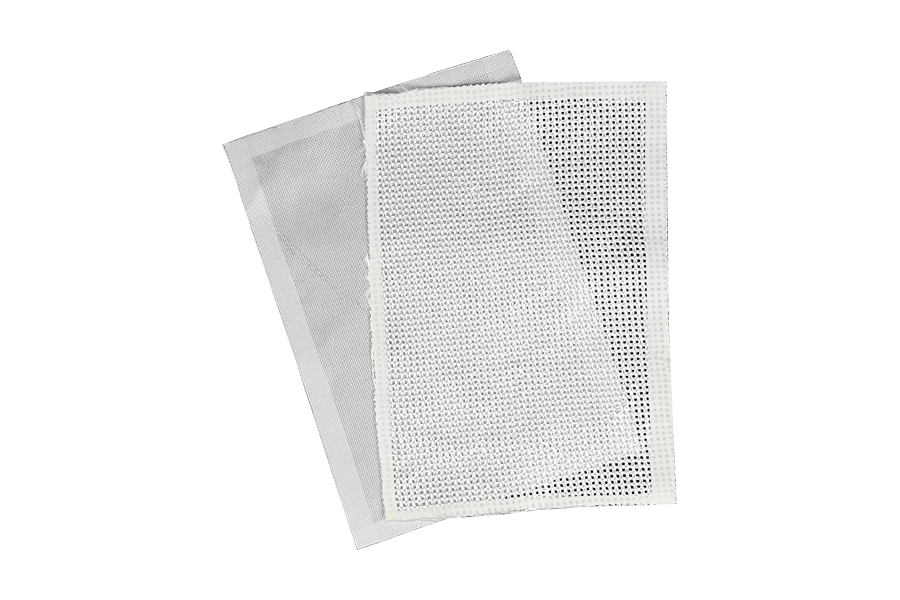
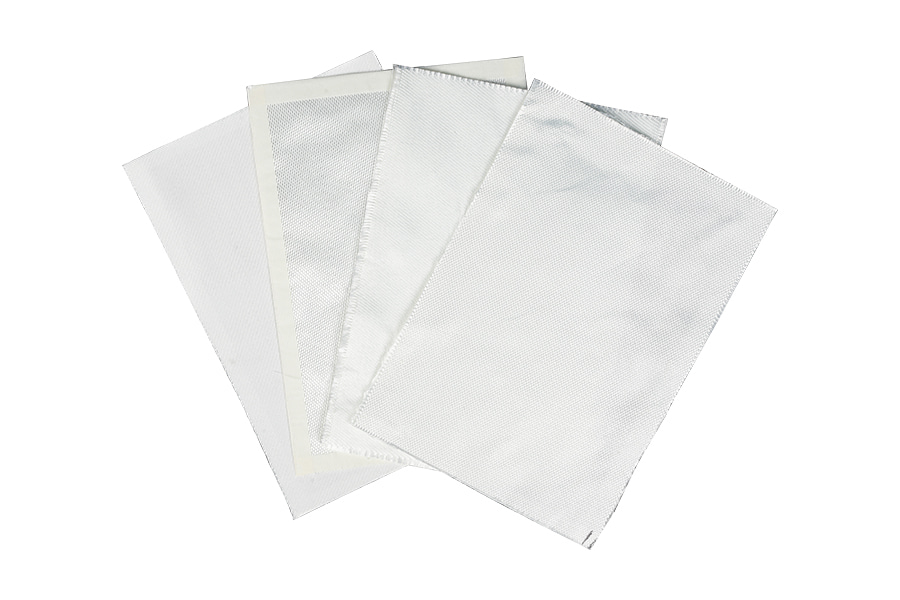
Silicone coated fiberglass fabric starts as a woven fiberglass substrate, usually a plain-weave E-glass cloth. The fabric passes through a coating line where one or more layers of silicone rubber are applied and cured onto both faces. The result is a material that combines the dimensional stability and heat resistance of glass with the flexibility, sealing, and repairability of silicone.
The two layers do very different jobs. The glass weave carries the mechanical load and keeps the material dimensionally stable at high temperature. The silicone coating protects the glass filaments from abrasion, moisture, and chemicals, while giving the surface a smooth, non-porous finish. Typical fabric weights range from lightweight grades around 400 g/m² up to heavy grades above 2000 g/m², so the material can be tuned for everything from flexible blankets to rigid ducts.
The most important benefit for most buyers is heat resistance. Silicone coated fiberglass fabric can be used continuously at temperatures between 200°C and 260°C depending on the formulation, and it withstands short-term exposure to higher temperatures when used as a thermal barrier. Because the glass base does not burn and the silicone coating is inherently flame retardant, the fabric will not melt or drip when exposed to flame.
This fire behavior matters in real installations. In welding curtains, fire blankets, and heat shields, the fabric confines sparks, spatter, and radiant heat long enough for personnel to escape or for the process to be shut down. The fireproof fiberglass fabric guide on our site goes into more detail on how these materials behave in industrial fire protection setups.
The cured silicone layer forms a continuous film that repels water, most oils, and a wide range of mild chemicals. A silicone coated fabric will not absorb moisture, which protects the glass filaments from water attack and stops mildew from taking hold. This is a meaningful difference from uncoated fiberglass, which wicks water into the weave.
In practice, this makes the fabric suitable for protective covers in machine shops, insulation jackets on steam lines, and tarpaulins exposed to rain and industrial fluids. The surface can be wiped clean, so contamination does not soak into the material.
Silicone retains its dielectric properties at elevated temperatures, and the glass fabric provides a high-strength carrier that resists tear and puncture. The combination makes silicone coated fiberglass fabric a dependable insulating barrier in electrical equipment, busbars, cable wraps, and motor leads. Because the coating seals the weave, insulation values stay consistent even in humid environments where uncoated glass cloth can track moisture.
Silicone rubber is one of the more weather-resistant elastomers available. It withstands UV radiation, ozone, and temperature cycling far better than many organic rubbers, which is why silicone coated fiberglass is common in outdoor applications such as awnings, truck covers, and architectural shading. The material also stays flexible in cold weather, so it does not crack when folded or rolled in winter.
Fiberglass alone is stiff and prone to edge abrasion. The silicone coating changes that. It cushions the glass yarns, prevents filaments from rubbing against each other, and gives the fabric enough flexibility to be folded, sewn, grommeted, or wrapped around curved surfaces. This is why silicone coated fiberglass is the default choice for removable insulation blankets and expansion joints: it handles repeated handling without losing its protective properties.
The smooth silicone surface releases adhesives, resins, and baked-on residues more easily than uncoated textiles. Conveyor belts and release sheets take advantage of this non-stick behavior in laminating and curing processes. In parallel, non-toxic silicone formulations are used for fire blankets and suppression mats that may come into contact with skin or food preparation areas during an emergency.
Coated fiberglass fabrics are not interchangeable. The coating determines the performance envelope, so it is worth comparing silicone with the two most common alternatives, PTFE and PVC.
| Property | Silicone Coating | PTFE Coating | PVC Coating |
|---|---|---|---|
| Continuous service temperature | 200°C to 260°C | 260°C to 300°C | 70°C to 90°C |
| Chemical resistance | Good against oils, water, mild acids | Excellent against almost all chemicals | Good against water, limited against solvents |
| Low-temperature flexibility | Excellent | Good | Moderate, stiffens in cold |
| UV resistance | Excellent | Excellent | Good, plasticizers can migrate |
| Relative cost | Medium | High | Low |
| Typical uses | Fire blankets, conveyor belts, insulation wraps | Release sheets, chemical barriers, architectural membranes | Tarpaulins, air ducts, protective covers |
If your priority is the highest temperature ceiling and chemical inertness, with cost as a secondary concern, PTFE is the upgrade path. If the application is a low-temperature outdoor cover and budget is tight, PVC often wins. Silicone sits in the useful middle: it handles continuous heat up to roughly 260°C, resists weather well, and remains flexible and repairable at a lower cost than PTFE. Our article on PVC coated fiberglass fabric covers the PVC side of this comparison in more detail.
Fire blankets and welding curtains are the most visible uses of silicone coated fiberglass. A non-toxic silicone blanket can be thrown over a small fire to smother it, and it will not burn, melt, or release toxic fumes during contact with flame. The same material lines welding booths, protects hoses near hot work, and serves as a flexible barrier in foundries and steel plants. For a ready-made safety item, our non-toxic silicone fire blanket and fire suppression mat shows how this material is turned into a practical product.
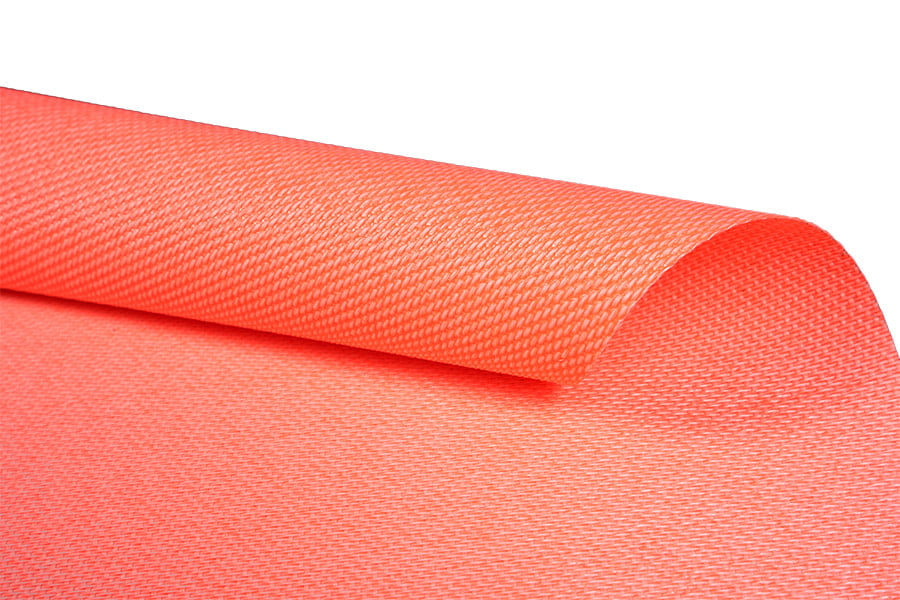 Wholesale Non-toxic silicone fire blanket - High temperature resistant fire suppJiaxing Jiete New Material Co., Ltd China Wholesale Non-toxic silicone fire blanket - High temperature resistant fire suppression mat Sup...View Product →
In food processing, rubber curing, and composite laminating, process temperatures exceed what standard belting can handle. Silicone coated fiberglass conveyor belts carry products through ovens and dryers while releasing them cleanly at the discharge end. The non-stick surface reduces product waste, and the glass reinforcement prevents stretching over long production runs. Our heat-resistant non-stick silicone conveyor belt is designed for exactly these continuous processing conditions.
Wholesale Heat-resistant and high-temperature non-stick silicone conveyor belt SJiaxing Jiete New Material Co., Ltd China Wholesale Heat-resistant and high-temperature non-stick silicone conveyor belt Suppliers and Ex...View Product →
Removable insulation blankets on turbines, exhaust manifolds, and steam pipes are routinely made from silicone coated fiberglass fabric. The material reflects radiant heat, absorbs conductive heat, and can be cut and sewn into custom shapes. The same fabric, selected for its dielectric strength, protects cables and busbars in high-temperature compartments. If you need this combined thermal and electrical performance, the flame-retardant silicone insulation fabric in our product line is a practical starting point.
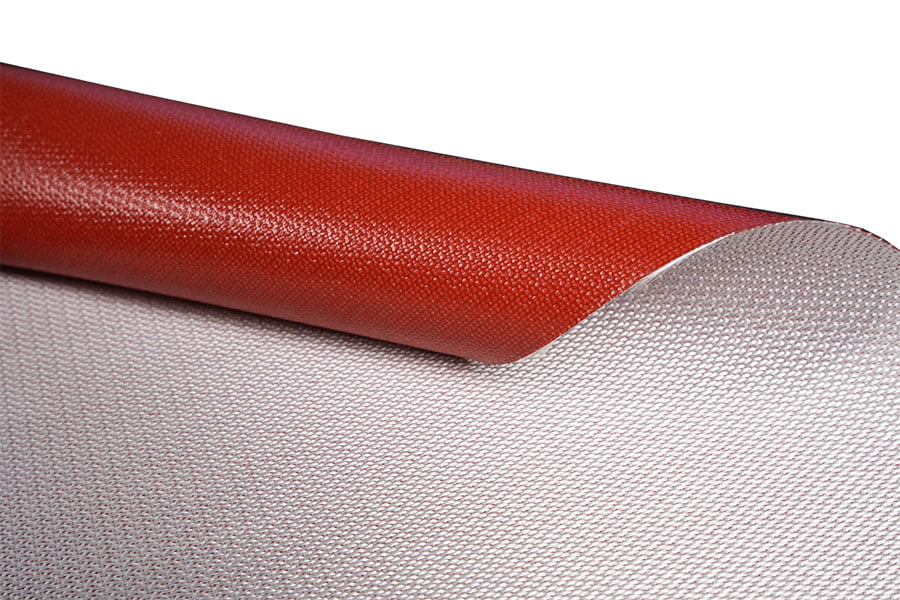 Wholesale High temperature resistant, flame retardant, corrosion resistant silicJiaxing Jiete New Material Co., Ltd China Wholesale High temperature resistant, flame retardant, corrosion resistant silicone insulation ...View Product →
Because silicone coated fiberglass resists UV and stays flexible in cold weather, it is used for outdoor tarpaulins, equipment covers, and awning materials that need a longer service life than PVC. The waterproof surface handles heavy rain, while the glass reinforcement resists tearing at the grommets and seams.
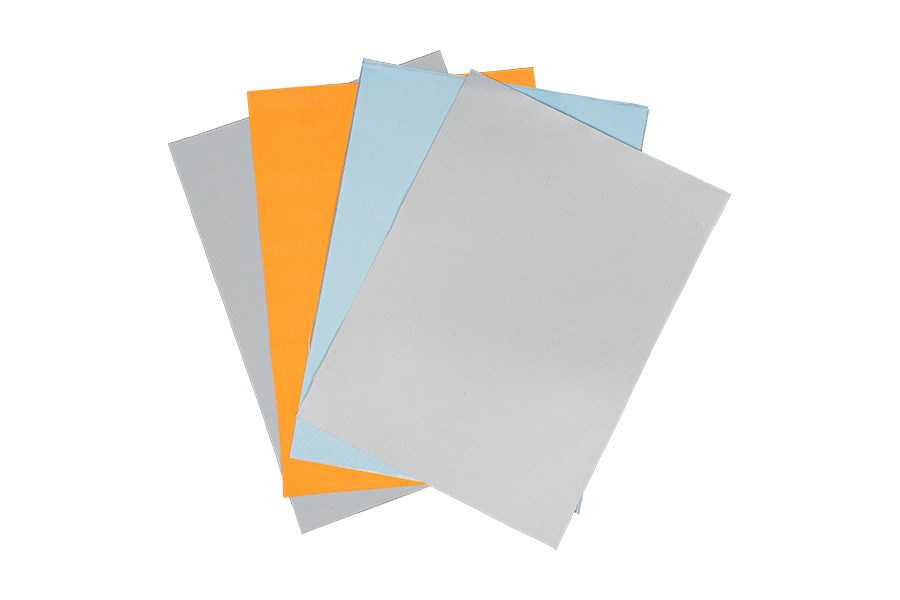
Flame-retardant ceiling panels and decorative wall linings use silicone coated fiberglass where building codes demand low flame spread. The coating can be pigmented for a clean finish, and the glass base gives the panel dimensional stability in humid rooms.
Not all silicone coated fiberglass is equal, and specification details determine whether the material survives your application. Work through these five checks before ordering:
Because the cost difference between grades is small relative to the cost of an early field failure, it pays to request a swatch, confirm the coating weight, and run a simple heat test before approving a production batch. Our guide to special functional fiberglass fabric specifications lists additional parameters to review when comparing suppliers.
Silicone coated fiberglass fabric earns its place in industrial material selection because one material covers so many risk factors at once: continuous heat, flame contact, moisture, oils, UV, abrasion, and electrical stress. It will not outperform PTFE on chemical resistance or PVC on price, but it offers the best overall balance for applications that need heat resistance combined with flexibility, weather resistance, and a clean release surface.
Start with the operating temperature and the mechanical load, then confirm coating quality and any non-toxic requirements for your specific use case. A few minutes spent matching the grade to the application will prevent most of the field failures we see with coated fabrics.
Recommended Products
Copyright © 2025 Jiaxing Jiete New Material Co., Ltd. All Rights Reserved.
Wholesale Wide Width Fiberglass Cloth Roll Suppliers



 English
 中文简体
中文简体