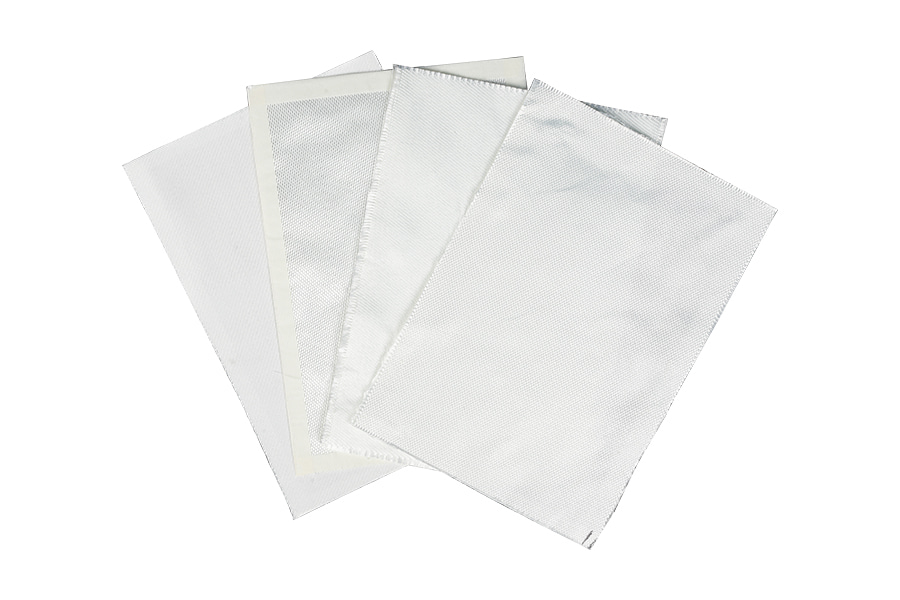
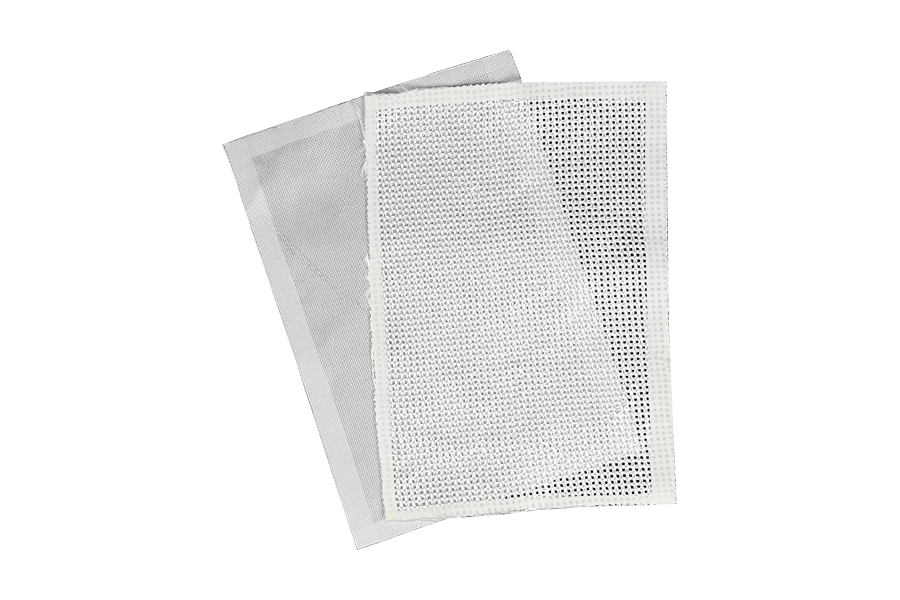
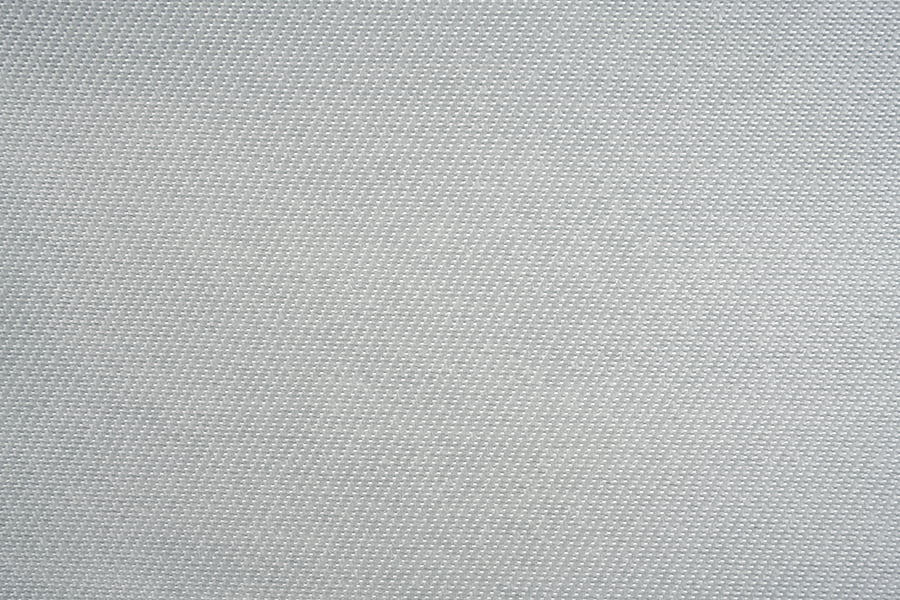
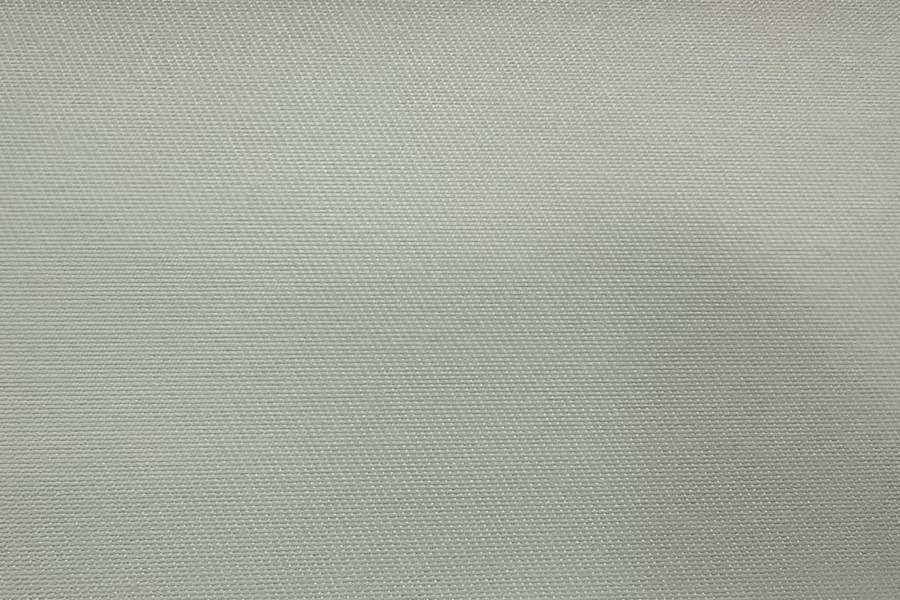
How to Choose the Right Coating (Silicone vs. PU vs. Vermiculite) for Your Fiberglass Fire Fabric
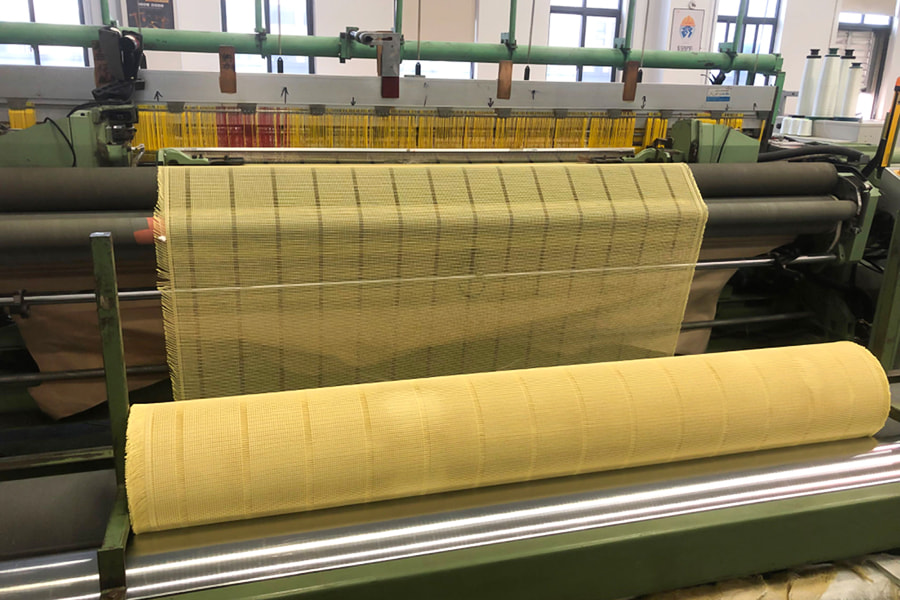
Selecting the optimal coating for fiberglass fire fabric is critical for ensuring safety, durability, and performance in high-temperature environments. Jiaxing Jiete New Material Co., Ltd., a professional manufacturer established in 2010, specializes in fiberglass fabric products and solutions. Located in Zhijiang Industrial Park, Haining City, Zhejiang Province, the company leverages advanced facilities including Karl Mayer warping-slashing machines, air-jet looms, Dornier rapier looms, and multiple coating machines to produce high-quality coated fabrics. Below we compare three common coatings—Silicone, PU, and Vermiculite—to help you make an informed decision.
1. Coating Comparison: Silicone vs. PU vs. Vermiculite
Each coating offers unique properties for fiberglass fire fabric. The table below summarizes key parameters:
| Parameter |
Silicone Coated |
PU (Polyurethane) Coated |
Vermiculite Coated |
| Max Continuous Temperature |
260°C (500°F) |
120°C (248°F) |
550°C (1022°F) |
| Fire Resistance Rating |
Good (self-extinguishing) |
Moderate (melts under flame) |
Excellent (non-combustible) |
| Flexibility |
High (remains flexible) |
Very High (soft, elastic) |
Low (brittle after heating) |
| Abrasion Resistance |
Good |
Excellent |
Poor |
| Chemical Resistance |
Excellent (oils, solvents) |
Moderate (hydrolysis risk) |
Excellent (acids, alkalis) |
| Water Repellency |
Excellent |
Good |
Poor (absorbs moisture) |
| Typical Applications |
Welding blankets, expansion joints |
Protective covers, flexible ducts |
Fire curtains, furnace seals |
| Cost Level |
Medium |
Low |
High |
2. How to Choose Based on Application Needs
- Choose Silicone Coating if: You require a balance of heat resistance (up to 260°C), flexibility, and weather resistance. Ideal for welding blankets, removable insulation covers, and expansion joints where repeated movement occurs.
- Choose PU Coating if: Your priority is low-temperature flexibility, abrasion resistance, and cost-effectiveness. Suitable for protective covers, flexible duct connectors, and applications where flame exposure is minimal.
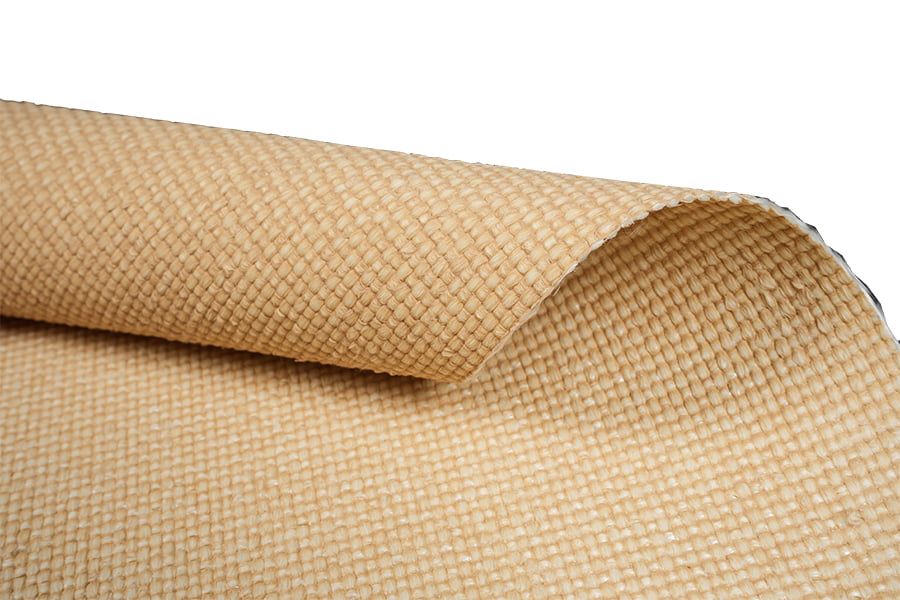
- Choose Vermiculite Coating if: You need extreme fire protection (up to 550°C+), non-combustibility, and resistance to molten metal splash. Essential for fire curtains, furnace seals, and passive fire protection systems.
3. Why Choose Jiaxing Jiete New Material Co., Ltd. for Your Coated Fiberglass Fabric?
With over a decade of expertise, Jiaxing Jiete New Material Co., Ltd. provides customized fiberglass fabric solutions. Our product range includes silicone coated fabric, PU coated fabric, vermiculite coated fabric, PTFE architecture membrane, and aramid fabric. Using Karl Mayer, air-jet looms, Dornier rapier looms, and multiple coating machines, we meet global standards. Our scientific management and win-win philosophy have earned us worldwide market recognition since 2010.
Frequently Asked Questions (FAQ)
FAQ 1: What is the maximum temperature for your vermiculite coated fiberglass fabric?
Jiaxing Jiete New Material Co., Ltd. produces vermiculite coated fiberglass fabric that withstands continuous temperatures up to 550°C and short-term exposure to 1000°C. It is non-combustible and ideal for fire curtains and furnace seals.
FAQ 2: Can you customize silicone coated fiberglass fabric for expansion joints?
Yes, Jiaxing Jiete New Material Co., Ltd. offers tailored silicone coated fabric with high flexibility and heat resistance up to 260°C. We use advanced coating machines to meet your specific width, thickness, and color requirements.
FAQ 3: Does your PU coated fabric resist oil and chemicals?
Jiaxing Jiete New Material Co., Ltd. provides PU coated fiberglass fabric with good oil and solvent resistance. However, for prolonged chemical exposure or high-temperature environments, we recommend our silicone or vermiculite coatings. Contact us for a free consultation.
What is the difference between lightweight and heavy-duty insulation fiberglass fabric in thermal insulation applications?
Choosing the correct insulation fiberglass fabric for thermal insulation applications is critical for performance, safety, and cost efficiency. Jiaxing Jiete New Material Co., Ltd., a professional manufacturer established in 2010, specializes in fiberglass fabric products and solutions. Located in Zhijiang Industrial Park, Haining City, Zhejiang Province, the company utilizes advanced facilities including Karl Mayer warping-slashing machines, air-jet looms, Dornier rapier looms, and multiple coating machines to produce both lightweight and heavy-duty insulation fiberglass fabric options. Below we compare these two categories in detail.
1. Key Differences Between Lightweight and Heavy-Duty Insulation Fiberglass Fabric
The table below outlines the primary parameters that distinguish lightweight from heavy-duty insulation fiberglass fabric in thermal applications:
| Parameter |
Lightweight Insulation Fiberglass Fabric |
Heavy-Duty Insulation Fiberglass Fabric |
| Weight (g/m²) |
100 – 300 g/m² |
400 – 900+ g/m² |
| Thickness |
0.1 mm – 0.5 mm |
0.8 mm – 3.0 mm |
| Tensile Strength |
Low to Moderate |
High to Very High |
| Thermal Conductivity |
Moderate (thinner, less insulation per layer) |
Low (superior insulation per layer) |
| Max Continuous Temperature (uncoated) |
550°C (1022°F) |
550°C (1022°F) |
| Flexibility |
Excellent (easy to wrap around complex shapes) |
Moderate (stiffer, requires more force to conform) |
| Abrasion Resistance |
Low |
High |
| Typical Thermal Insulation Applications |
Electrical cable wrapping, flexible curtains, pipe lagging on small-diameter lines |
Furnace doors, large-diameter industrial ductwork, welding blankets, removable insulation pads |
| Cost |
Lower per square meter |
Higher per square meter (more material and strength) |
2. How to Select the Right Type for Your Thermal Application
- Choose Lightweight Insulation Fiberglass Fabric when: You need easy handling, high conformability around irregular or small-diameter components (e.g., wires, cables, small pipes). It is also suitable for temporary insulation blankets or applications where mechanical stress is minimal.
- Choose Heavy-Duty Insulation Fiberglass Fabric when: The application involves high mechanical abrasion, large thermal cycles, or requires a single-layer solution for high-temperature furnace doors, heavy industrial ductwork, or removable insulation covers that must withstand frequent handling.
3. Why Lightweight or Heavy-Duty Fabric from Jiaxing Jiete New Material Co., Ltd.?
Jiaxing Jiete New Material Co., Ltd. offers both lightweight and heavy-duty insulation fiberglass fabric manufactured on Karl Mayer, air-jet looms, Dornier rapier looms, and multiple coating machines. Our product range also includes aramid fabric, PTFE architecture membrane, silicone coated fabric, PVC coated fabric, PU coated fabric, and other composite materials. With scientific management and a win-win philosophy, we have served global customers since 2010. We can produce special fabric or fabric-related products according to your specific requirements.
Frequently Asked Questions (FAQ)
FAQ 1: Can lightweight insulation fiberglass fabric be used for high-temperature furnace door seals?
Jiaxing Jiete New Material Co., Ltd. generally recommends heavy-duty insulation fiberglass fabric for furnace doors due to the high abrasion and mechanical stress. However, for low-traffic, non-abrasive furnace applications, our lightweight fabric (properly coated) may be acceptable. Contact our technical team for a specific recommendation.
FAQ 2: Does Jiaxing Jiete New Material Co., Ltd. offer coated versions of both lightweight and heavy-duty insulation fiberglass fabric?
Yes. Jiaxing Jiete New Material Co., Ltd. applies silicone, PU, vermiculite, PTFE, and PVC coatings on both lightweight and heavy-duty substrates. Coatings enhance thermal performance, chemical resistance, and flexibility. Visit our product page for detailed specifications.
FAQ 3: What is the typical lead time for custom lightweight or heavy-duty insulation fiberglass fabric orders?
Jiaxing Jiete New Material Co., Ltd. maintains a flexible production schedule using our advanced warping, weaving, and coating lines. Standard lead times range from 15 to 30 days depending on quantity and coating requirements. We welcome custom personality requirements.



 English
 中文简体
中文简体