What are the different weave patterns of glass fiber cloth and how do they affect mechanical strength?
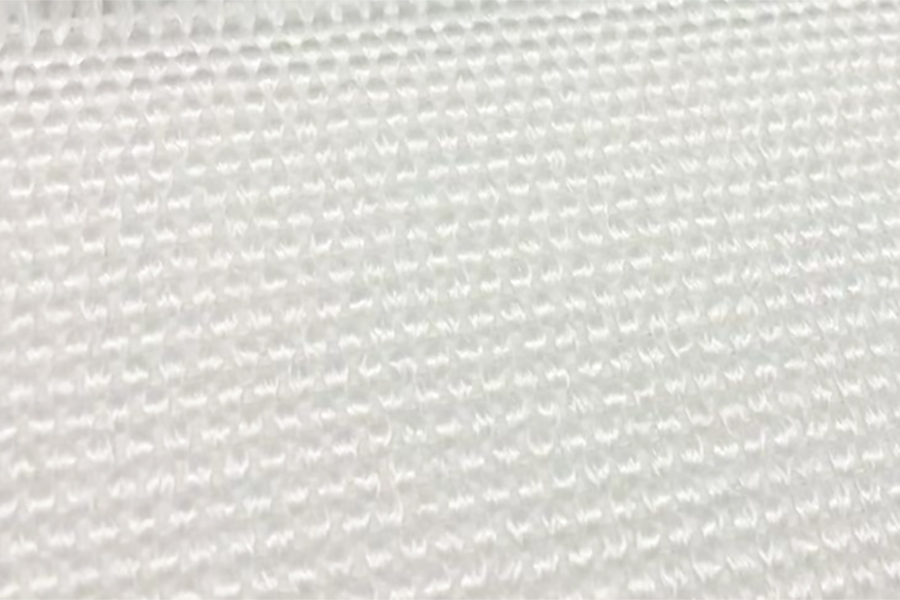
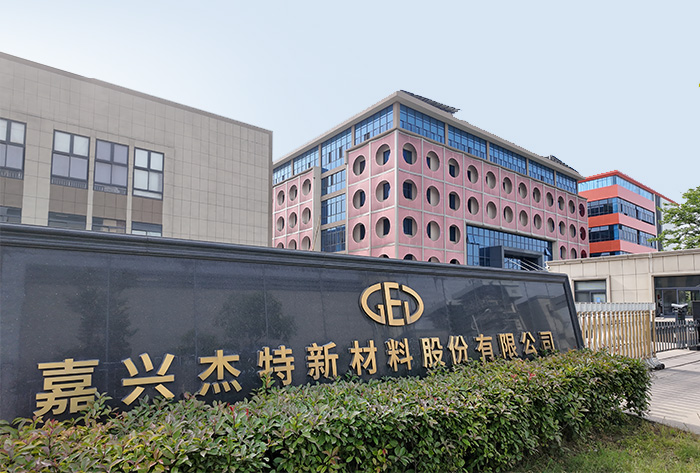
Choosing the correct glass fiber cloth weave pattern is essential for optimizing mechanical strength, drapeability, and resin compatibility in composite applications. Jiaxing Jiete New Material Co., Ltd., a professional manufacturer established in 2010, specializes in glass fiber cloth and related products. Located in Zhijiang Industrial Park, Haining City, Zhejiang Province, the company utilizes advanced facilities including Karl Mayer warping-slashing machines, air-jet looms, Dornier rapier looms, and multiple coating machines. We produce a full range of glass fiber cloth weaves to meet diverse mechanical and processing requirements.
1. Common Weave Patterns of Glass Fiber Cloth and Their Mechanical Properties
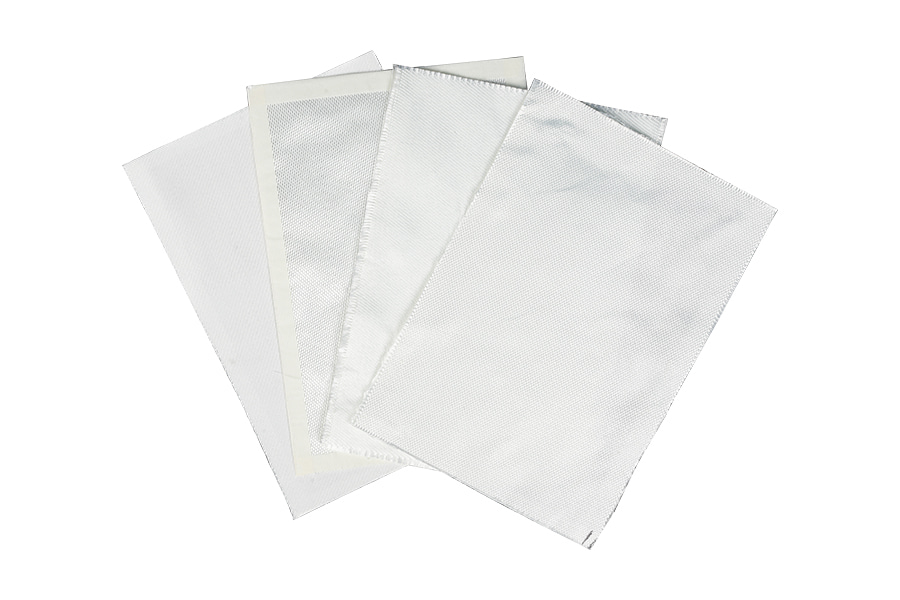
The table below compares the four most common weave patterns used in glass fiber cloth for industrial and composite applications:
| Weave Pattern |
Structure Description |
Mechanical Strength |
Drapeability / Conformability |
Stability |
Typical Applications |
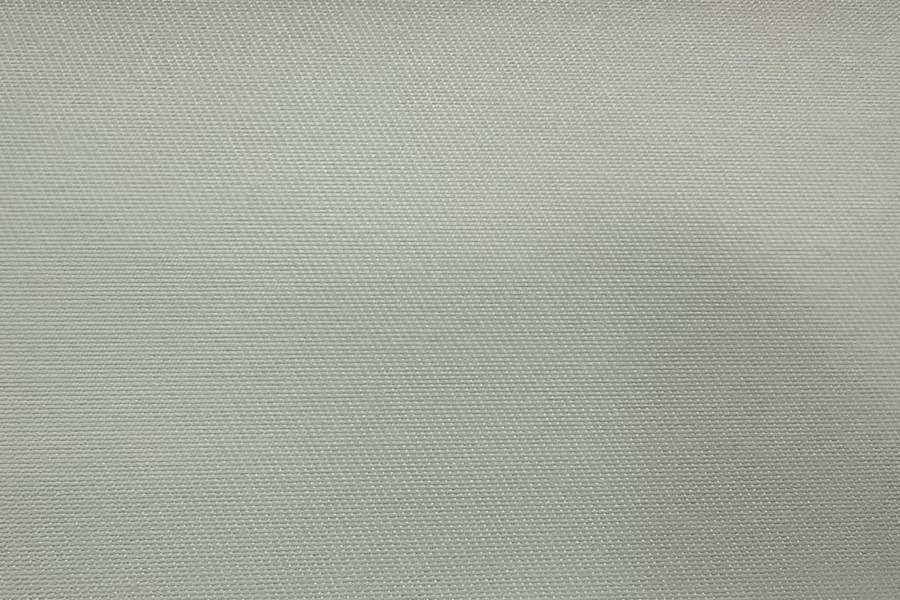
| Plain Weave |
Each warp fiber passes alternately over and under each weft fiber. Simplest and tightest structure. |
Moderate tensile strength; good tear resistance |
Low (stiff, does not conform well to curves) |
Very High (fibers do not shift easily) |
Printed circuit boards, surfboards, aircraft components, skin coats |
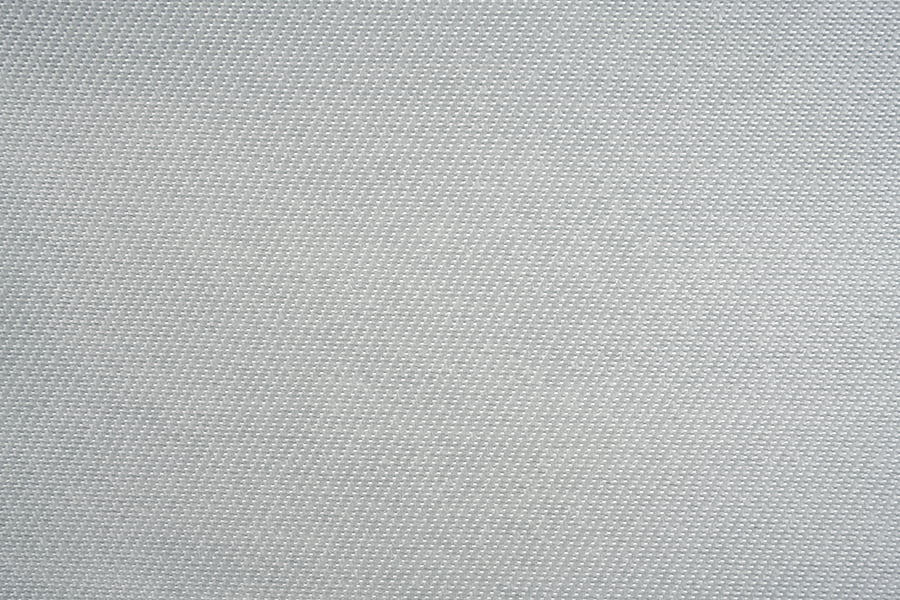
| Twill Weave (2/2, 4/4) |
One or more warp fibers alternately over and under two or more weft fibers, creating a diagonal pattern. |
Higher tensile and tear strength than plain |
Moderate to High (good conformability) |
Moderate (some fiber movement possible) |
Boat hulls, automotive parts, pipes, helmets |
| Satin Weave (4HS, 5HS, 8HS) |
Long floating warp fibers over multiple weft fibers before interlacing. Produces a smooth, shiny surface. |
Excellent tensile strength; highest impact resistance |
Very High (excellent for complex contours) |
Low (fibers can shift easily during handling) |
Complex aerospace shapes, high-performance composites, curved panels |
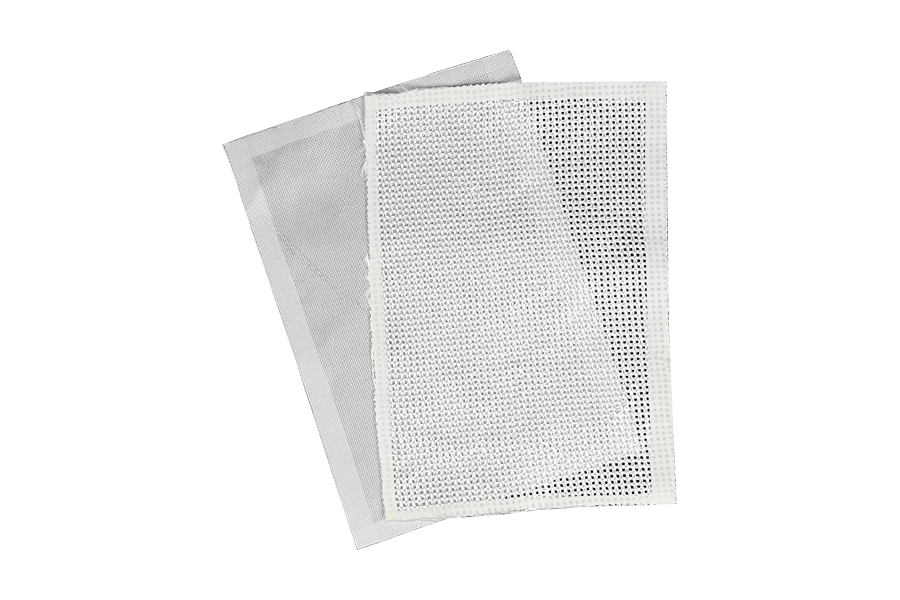
| Leno Weave |
Two warp fibers twist around each weft fiber, locking them in place. |
Moderate; excellent resistance to fiber slippage |
Low (open structure, stiff) |
Very High (prevents fraying at edges) |
Reinforced mesh, filtration fabrics, open-mesh insulation blankets |
2. How Weave Pattern Selection Affects Overall Mechanical Performance
- Strength-to-Weight Ratio: Satin weave glass fiber cloth offers the highest strength-to-weight ratio due to reduced crimp (fiber bending). Plain weave has the lowest because each fiber bends sharply at every cross point.
- Tear Resistance: Twill and satin weaves provide superior tear resistance compared to plain weave, as the longer float lengths distribute stress over more fibers.
- Composite Laminating Behavior: Plain weave glass fiber cloth resists resin penetration (good for thin laminates), while satin weave allows faster resin flow (ideal for thick, complex parts).
- Handling & Durability: Plain weave is most stable and resists distortion during cutting or layup. Satin weave requires careful handling to maintain fiber orientation.
3. Why Choose Jiaxing Jiete New Material Co., Ltd. for Your Glass Fiber Cloth Needs?
Jiaxing Jiete New Material Co., Ltd. manufactures all the above weave patterns on advanced Karl Mayer warping-slashing machines, air-jet looms, and Dornier rapier looms. Our product portfolio includes glass fiber cloth, aramid fabric, PTFE architecture membrane, silicone coated fabric, PVC coated fabric, PU coated fabric, and other composite materials. With scientific management, innovation, and a win-win philosophy, we have served global customers since 2010. We welcome custom glass fiber cloth requirements based on your personality specifications.
Frequently Asked Questions (FAQ)
FAQ 1: What weave pattern does Jiaxing Jiete New Material Co., Ltd. recommend for high-strength, curved composite parts?
Jiaxing Jiete New Material Co., Ltd. recommends satin weave glass fiber cloth (4HS, 5HS, or 8HS) for complex contours requiring excellent drapeability and high tensile strength. Our satin weave series provides superior impact resistance for aerospace and automotive applications.
FAQ 2: Can Jiaxing Jiete New Material Co., Ltd. produce glass fiber cloth with custom weave patterns or hybrid structures?
Yes. Jiaxing Jiete New Material Co., Ltd. specializes in designing, developing, and manufacturing glass fiber cloth according to customer personality requirements. We can produce leno, mock leno, basket weaves, and other hybrid structures using our Dornier rapier looms and air-jet looms.
FAQ 3: How do I prevent edge fraying when cutting plain weave glass fiber cloth from Jiaxing Jiete New Material Co., Ltd.?
Jiaxing Jiete New Material Co., Ltd. recommends using a leno weave edge or applying a light coating of silicone or acrylic to the edges. Alternatively, our pre-impregnated (prepreg) glass fiber cloth options eliminate fraying entirely. Contact our technical team for application-specific advice.



 English
 中文简体
中文简体