What Are the Main Benefits of PVC Coated Fiberglass Fabric?
Overview of PVC Coated Fiberglass Fabric
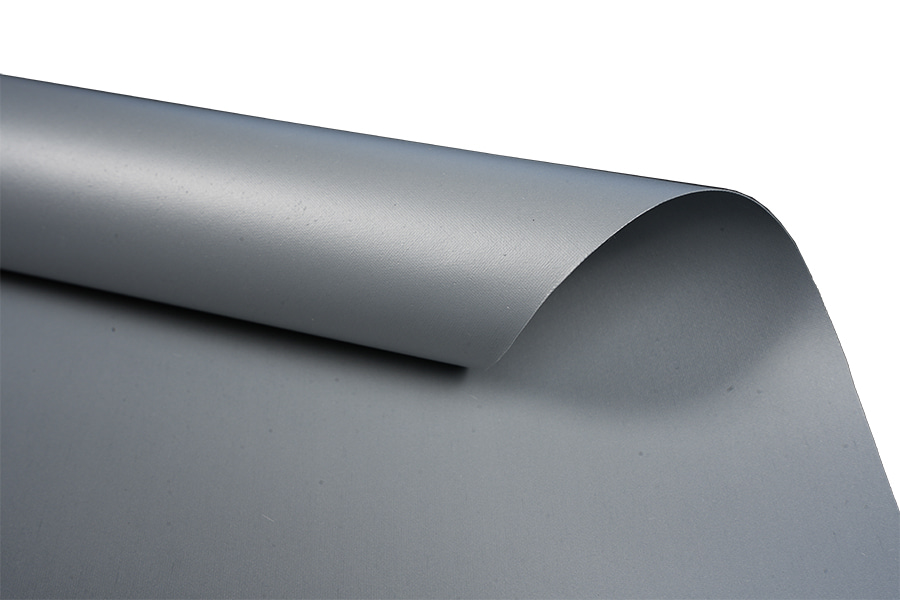
PVC coated fiberglass fabric is a composite material made by coating high-strength fiberglass fabric with polyvinyl chloride (PVC). The fiberglass base provides structural reinforcement, while the PVC coating enhances surface protection, flexibility, and environmental resistance.
This combination creates a material that is both mechanically strong and functionally versatile, making it suitable for applications where conventional fabrics or plastics would fail.
Core Material Structure and Performance Logic
The performance of PVC coated fiberglass fabric depends on the synergy between two components:
- Fiberglass base fabric: Provides tensile strength, dimensional stability, and heat resistance
- PVC coating layer: Offers waterproofing, chemical resistance, UV protection, and surface sealing
Material Function Comparison
| Component |
Primary Function |
Performance Contribution |
| Fiberglass base |
Structural reinforcement |
High tensile strength, stability |
| PVC coating |
Protective surface layer |
Waterproof, UV-resistant, chemical-resistant |
| Composite structure |
Integrated performance |
Long service life, multi-environment adaptability |
This layered structure is the foundation of its industrial value.
Key Benefits of PVC Coated Fiberglass Fabric
Excellent Weather Resistance
PVC coating significantly improves resistance to rain, sunlight, humidity, and temperature variation. This makes the material suitable for long-term outdoor exposure without rapid degradation.
High Mechanical Strength
The fiberglass substrate ensures strong tensile performance, reducing the risk of tearing or deformation under stress. It performs well in applications requiring structural stability.
Waterproof and Moisture Barrier
One of the most important advantages is its near-impermeable surface. The PVC layer prevents water penetration, making it ideal for protective coverings and enclosure systems.
Chemical and Corrosion Resistance
The material shows good resistance to many acids, alkalis, and industrial chemicals, making it suitable for demanding environments such as industrial facilities or transport protection systems.
Flexibility and Processability
Despite its strength, the material remains flexible enough for cutting, welding, and shaping. This improves manufacturing efficiency and application adaptability.
Cost Efficiency in Long-Term Use
Compared to many high-performance composite fabrics, PVC coated fiberglass fabric provides a balanced cost-to-performance ratio, especially in medium to heavy-duty applications.
Typical Application Areas
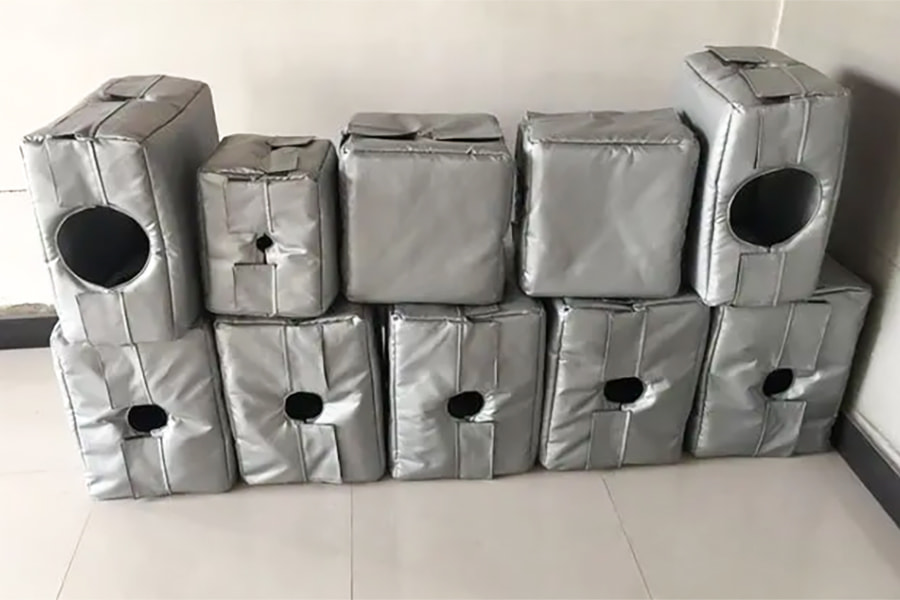
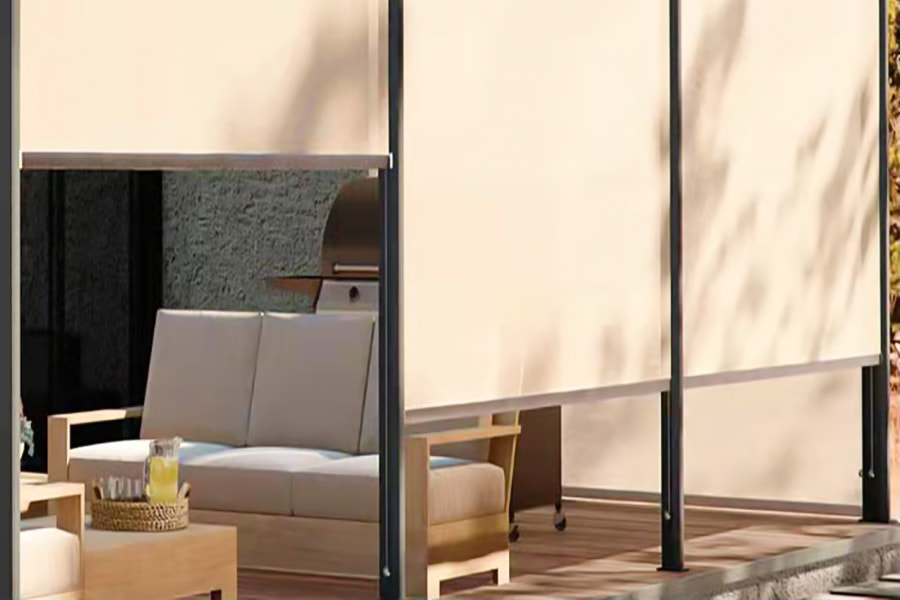
PVC coated fiberglass fabric is widely used due to its adaptability across industries.
| Application Area |
Functional Requirement |
Material Advantage |
| Industrial covers |
Weather protection |
Waterproof, UV resistance |
| Construction membranes |
Structural stability |
High tensile strength |
| Transportation covers |
Protective shielding |
Tear resistance |
| Storage enclosures |
Environmental isolation |
Chemical resistance |
| Safety barriers |
Fire-resistant support (fiber base) |
Dimensional stability |
Its versatility allows it to serve both protective and structural roles.
Comparison with Other Coated Fabrics
To better understand its position in composite materials, a comparison with other coated fiberglass fabrics is useful.
| Material Type |
Key Strength |
Limitation |
| PVC coated fiberglass fabric |
Balanced durability and cost |
Lower heat resistance than PTFE |
| Silicone coated fiberglass fabric |
High temperature resistance |
Higher material cost |
| PU coated fiberglass fabric |
Soft touch and flexibility |
Lower weather resistance |
| PTFE coated fiberglass fabric |
Extreme durability and chemical resistance |
Higher complexity and cost |
This comparison shows that PVC coated fiberglass fabric is often selected for general industrial-grade applications requiring stability and efficiency.
About Jiete
High-quality production depends heavily on advanced manufacturing systems and controlled coating processes.
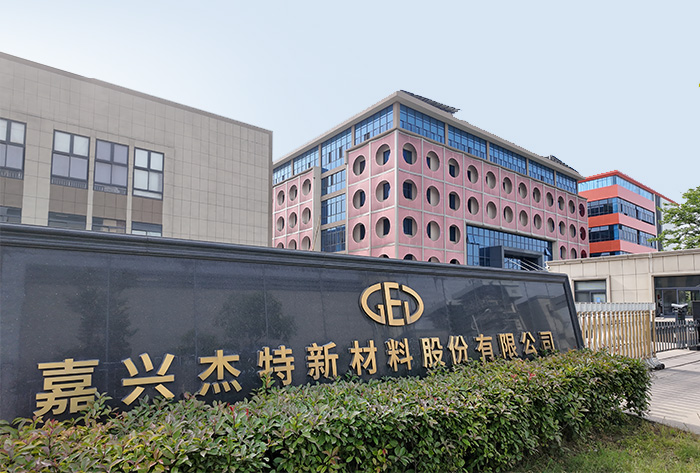
Jiaxing Jiete New Material Co., Ltd. is a professional manufacturer of fiberglass fabric products and solutions, established in 2010. The company specializes in fiberglass fabric manufacture and provides customized development of fiberglass fabric-related products based on customer requirements.
Its production facilities include:
- Karl Mayer warping-slashing machine
- Air-jet looms
- Dornier rapier loom
- Multiple advanced coating machines
These systems ensure consistent weaving precision and stable coating quality for products such as fiberglass fabric, aramid fabric, and various coated fiberglass fabrics, including PTFE, silicone, PVC, and PU coated materials.
Through integrated production capability, the company supports customized solutions for different industrial requirements.
Technical Value in Modern Industry
PVC coated fiberglass fabric is not only a protective material but also a functional engineering solution. Its value lies in:
- Structural reinforcement through fiberglass architecture
- Surface engineering through PVC modification
- Adaptability across environmental conditions
- Compatibility with large-scale industrial fabrication
These characteristics make it a reliable material in modern composite material systems.
FAQ
1. What is PVC coated fiberglass fabric mainly used for?
It is mainly used for waterproof covers, industrial protection systems, architectural membranes, storage enclosures, and transportation shielding applications.
2. Is PVC coated fiberglass fabric suitable for outdoor use?
Yes, it has strong UV resistance and weather durability, making it suitable for long-term outdoor exposure.
3. How does it differ from plain fiberglass fabric?
Plain fiberglass fabric lacks surface protection, while PVC coating adds waterproofing, chemical resistance, and improved durability.
4. Can PVC coated fiberglass fabric be customized?
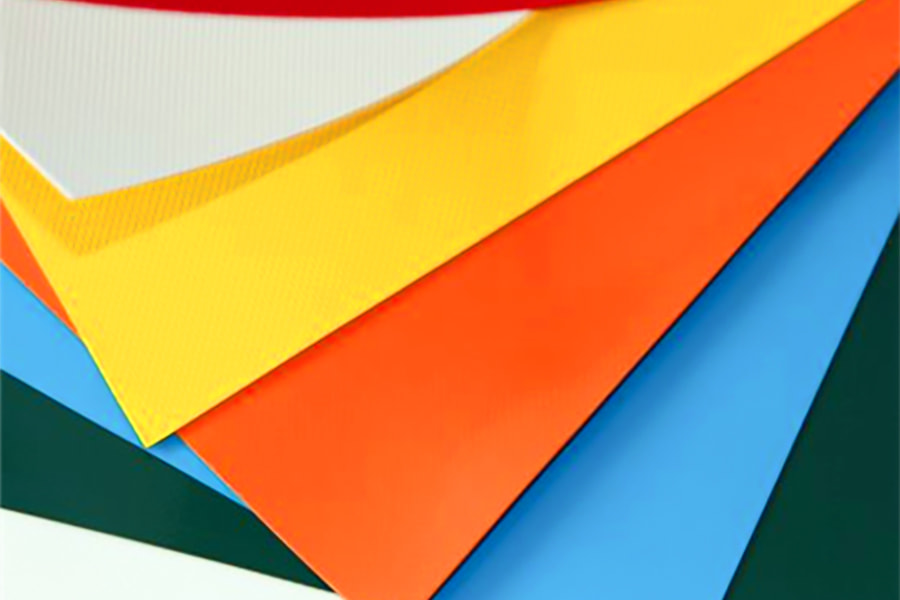
Yes, it can be customized in thickness, coating weight, color, and performance characteristics according to application needs.
5. What makes it cost-effective compared to other coated fabrics?
It offers a balanced combination of durability, performance, and manufacturing efficiency, making it suitable for a wide range of industrial uses without high material cost.



 English
 中文简体
中文简体