What is the difference between industrial fiberglass fabric and standard fiberglass cloth in terms of durability and heat resistance?
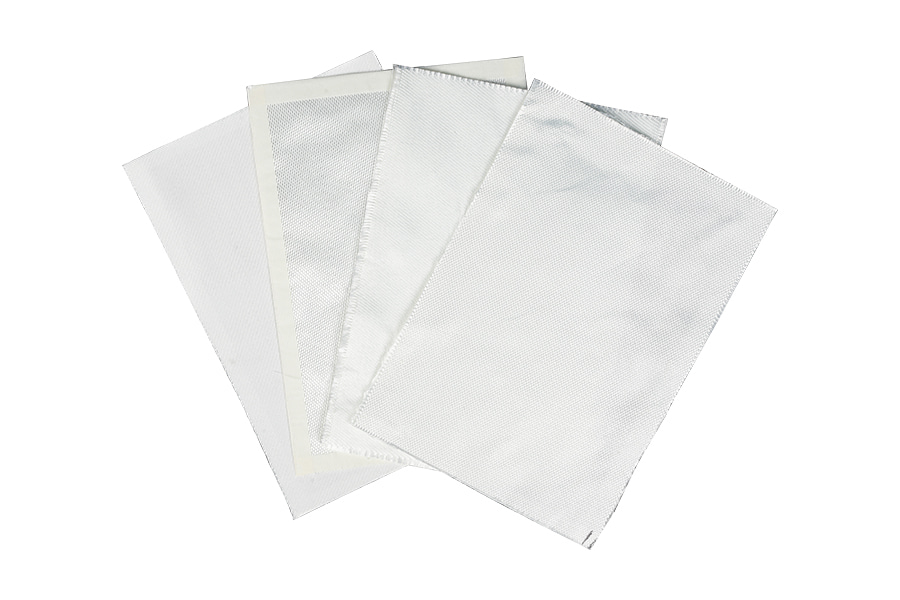
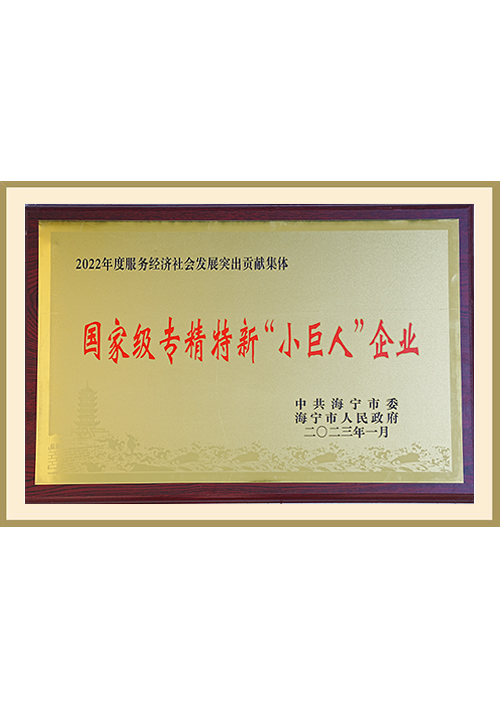
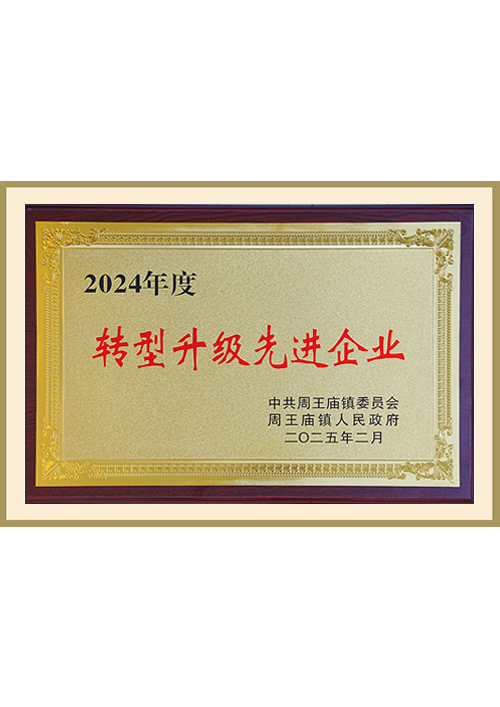
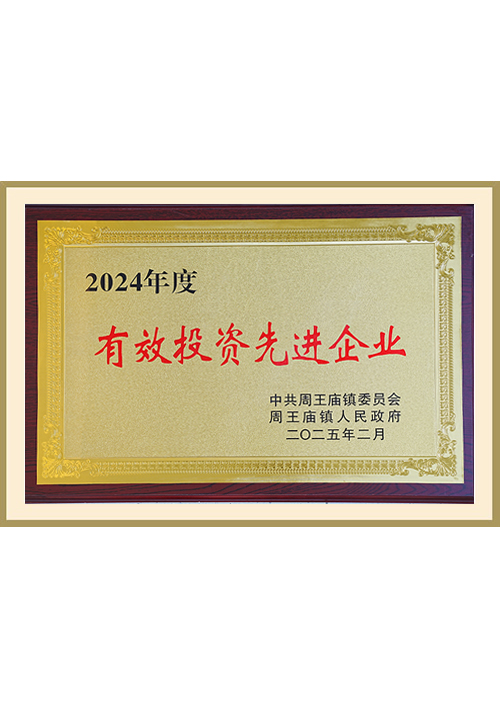
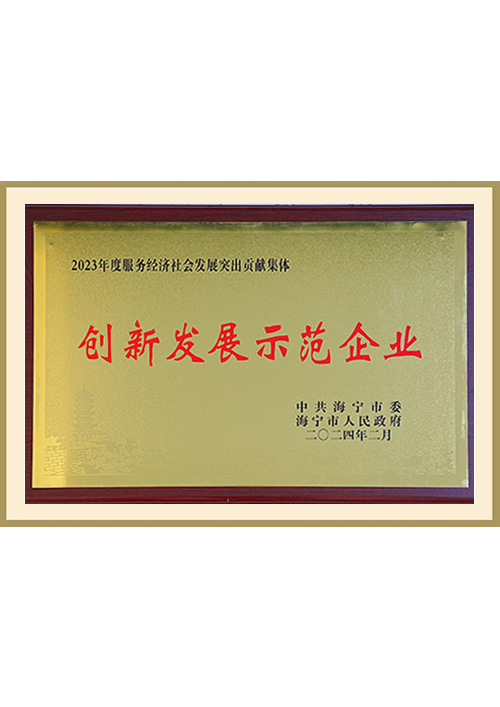
When selecting fiberglass fabric for demanding environments, understanding the performance gap between industrial fiberglass fabric and standard fiberglass cloth is critical. Jiaxing Jiete New Material Co., Ltd., a professional manufacturer established in 2010, specializes in fiberglass fabric products and solutions. Located in Zhijiang Industrial Park, Haining City, Zhejiang Province, the company utilizes advanced facilities including Karl Mayer warping-slashing machines, air-jet looms, Dornier rapier looms, and multiple coating machines. Below we compare industrial fiberglass fabric against standard fiberglass cloth in terms of durability and heat resistance.
1. Key Differences: Industrial Fiberglass Fabric vs. Standard Fiberglass Cloth
The table below outlines the critical parameters that distinguish industrial fiberglass fabric from standard fiberglass cloth for thermal and mechanical performance:
| Parameter |
Standard Fiberglass Cloth |
Industrial Fiberglass Fabric |
| Typical Weight (g/m²) |
60 – 200 g/m² |
300 – 900+ g/m² |
| Thickness |
0.05 mm – 0.30 mm |
0.50 mm – 3.00 mm |
| Tensile Strength |
Low to Moderate |
High to Very High (often 3-5x stronger) |
| Abrasion Resistance |
Poor (fibers break easily under friction) |
Excellent (dense weave + optional coatings) |
| Continuous Heat Resistance (uncoated) |
550°C (1022°F) – same base glass |
550°C (1022°F) – same base glass |
| Thermal Insulation Efficiency (per layer) |
Low (too thin for significant insulation) |
High (thicker, traps more air) |
| Durability Under Repeated Mechanical Stress |
Low (tears and frays quickly) |
High (withstands frequent handling, bending, and vibration) |
| Common Applications |
Decorative wraps, electrical insulation tape, PCB reinforcement, basic filtration |
Welding blankets, furnace curtains, removable insulation pads, pipe and duct wrapping, fire barriers |
| Coating Compatibility |
Light coatings (thin silicone or acrylic) |
Heavy coatings (silicone, PU, vermiculite, PTFE, PVC) |
2. Detailed Comparison: Durability and Heat Resistance
- Heat Resistance – Base Material: Both industrial fiberglass fabric and standard cloth are made from E-glass or C-glass, offering similar continuous heat resistance up to 550°C (1022°F). However, industrial fiberglass fabric maintains structural integrity longer at peak temperatures due to its higher mass and denser weave.
- Heat Resistance – Coated Options: Jiaxing Jiete New Material Co., Ltd. applies vermiculite, silicone, PU, and PTFE coatings to industrial fiberglass fabric, enhancing heat resistance up to 1000°C (short-term) or providing flame repellency. Standard cloth rarely receives such heavy coatings.
- Durability – Mechanical Strength: Industrial fiberglass fabric uses thicker yarns and higher pick counts (weft density), resulting in 3-5x greater tensile and tear strength compared to standard cloth.
- Durability – Abrasion & Wear: Standard fiberglass cloth frays easily at cut edges and cannot withstand sliding abrasion. Industrial fiberglass fabric, especially with silicone or vermiculite coating, resists wear from repeated contact, vibration, and cleaning.
- Durability – Long-Term Thermal Cycling: Industrial fiberglass fabric endures hundreds of heating/cooling cycles without embrittlement, while standard cloth may crack after limited cycles due to low mass and fiber movement.
3. Why Choose Jiaxing Jiete New Material Co., Ltd. for Your Industrial Fiberglass Fabric?
Jiaxing Jiete New Material Co., Ltd. manufactures both standard and industrial fiberglass fabric on advanced Karl Mayer, air-jet, and Dornier rapier looms. Our industrial fiberglass fabric line is engineered for maximum durability and thermal protection. Products include heavy-duty fiberglass fabric, aramid fabric, PTFE architecture membrane, silicone coated fabric, PVC coated fabric, PU coated fabric, and other composite materials. With scientific management and a win-win philosophy since 2010, we deliver custom solutions worldwide. We welcome your specific personality requirements.
Frequently Asked Questions (FAQ)
FAQ 1: Can Jiaxing Jiete New Material Co., Ltd. upgrade standard fiberglass cloth to industrial-grade durability with coatings?
Jiaxing Jiete New Material Co., Ltd. offers coating services (silicone, PU, vermiculite, PTFE) for both standard and industrial substrates. However, for high-abrasion or high-stress applications, we recommend starting with our industrial fiberglass fabric base because coatings alone cannot compensate for low base weight or loose weave. Visit our product page for guidance.
FAQ 2: What is the maximum thickness available for industrial fiberglass fabric from Jiaxing Jiete New Material Co., Ltd.?
Jiaxing Jiete New Material Co., Ltd. produces industrial fiberglass fabric up to 3.0 mm thick and 900 g/m² or more. For extreme insulation, we can laminate multiple layers or combine with vermiculite coating. Contact our engineering team for custom heavy-duty solutions.
FAQ 3: Does industrial fiberglass fabric from Jiaxing Jiete New Material Co., Ltd. meet fire safety standards for welding blankets?
Yes. Jiaxing Jiete New Material Co., Ltd. designs industrial fiberglass fabric to meet ISO, EN, and ASTM fire resistance standards. Our vermiculite-coated and silicone-coated industrial fabrics are widely used for welding blankets, spark curtains, and furnace seals. We provide test reports upon request.
What is the difference between flame retardant (FR) treated fabrics and inherently fire resistant fiberglass fabric?
Understanding the distinction between flame retardant (FR) treated fabrics and inherently fire resistant fiberglass fabric is essential for selecting the right material for high-risk thermal applications. Jiaxing Jiete New Material Co., Ltd., a professional manufacturer established in 2010, specializes in fiberglass fabric products and solutions. Located in Zhijiang Industrial Park, Haining City, Zhejiang Province, the company utilizes advanced facilities including Karl Mayer warping-slashing machines, air-jet looms, Dornier rapier looms, and multiple coating machines. Below we compare these two categories of fire protection materials.
1. Key Differences: FR Treated Fabrics vs. Inherently Fire Resistant Fiberglass Fabric
The table below outlines the critical parameters that distinguish flame retardant treated fabrics from inherently fire resistant fiberglass fabric:
| Parameter |
Flame Retardant (FR) Treated Fabrics |
Inherently Fire Resistant Fiberglass Fabric |
| Base Material |
Cotton, polyester, nylon, or blends (organic fibers) |
Inorganic glass fibers (E-glass, C-glass, S-glass) |
| Source of Fire Resistance |
Chemical additives (halogenated or phosphorus-based) applied after weaving |
Intrinsic property of glass fiber (non-combustible, melting point >1100°C) |
| Behavior Under Flame |
Char or melt; may drip; flame may spread if additive degrades |
Does not burn, melt, or drip; self-extinguishing immediately |
| Continuous Heat Resistance |
Typically <150°C – 200°C (additives degrade at higher temperatures) |
550°C – 800°C (depending on glass type) |
| Durability of Fire Resistance |
Diminishes with washing, abrasion, or chemical exposure (leaching) |
Permanent – never washes out or wears off |
| Tensile Strength (after heating) |
Significant loss above 150°C (fibers char) |
Retains >90% strength up to 550°C |
| Abrasion Resistance |
Varies (can be good for organic fabrics) |
Moderate to high (especially with coatings) |
| Coating Compatibility |
Limited (coatings may interfere with FR chemistry) |
Excellent (silicone, PU, vermiculite, PTFE, PVC all compatible) |
| Typical Applications |
Upholstery, curtains, apparel (single-use or indoor) |
Welding blankets, fire curtains, furnace seals, industrial insulation, marine bulkheads |
| Lifecycle Cost |
Lower upfront but requires replacement after FR degrades |
Higher upfront but permanent solution with decades of service |
2. Detailed Explanation: Why Inherently Fire Resistant Fiberglass Fabric Outperforms FR Treated Fabrics in High-Heat Applications
- Chemistry of Fire Resistance: Inherently fire resistant fiberglass fabric is made from molten glass drawn into fibers. Glass is an inorganic material that simply cannot combust. FR treated fabrics rely on chemical coatings that release flame-quenching gases or form a char layer, but these additives break down above 200°C.
- No Toxic Smoke or Dripping: When exposed to flame, FR treated fabrics can release toxic halogenated gases and molten drips that spread fire. Fiberglass fabric produces no smoke, no toxic off-gassing, and no dripping – critical for enclosed spaces and welding environments.
- Permanence: Jiaxing Jiete New Material Co., Ltd. manufactures inherently fire resistant fiberglass fabric that never loses its fire protection. FR treated fabrics may lose effectiveness after even one industrial wash or after exposure to oils, solvents, or UV light.
- Thermal Barrier Performance: Fiberglass fabric acts as a true thermal barrier, reflecting and absorbing radiant heat. FR treated organic fabrics provide only ignition resistance, not high-temperature insulation.
- Cost Over Time: While inherently fire resistant fiberglass fabric has a higher initial cost, its permanent fire resistance and durability make it far more economical for industrial applications requiring repeated heat exposure or long service life.
3. Why Choose Jiaxing Jiete New Material Co., Ltd. for Inherently Fire Resistant Fiberglass Fabric?
Jiaxing Jiete New Material Co., Ltd. produces premium inherently fire resistant fiberglass fabric on advanced Karl Mayer warping-slashing machines, air-jet looms, and Dornier rapier looms. Our product range includes fiberglass fabric, aramid fabric, PTFE architecture membrane, silicone coated fabric, PVC coated fabric, PU coated fabric, and other composite materials. We offer fire resistant fiberglass fabric in various weights, weaves, and coatings to meet your specific thermal protection needs. Since 2010, scientific management and a win-win philosophy have earned us a worldwide market position.
Frequently Asked Questions (FAQ)
FAQ 1: Can Jiaxing Jiete New Material Co., Ltd. add flame retardant (FR) treatment to organic fabrics, or do you only produce inherently fire resistant fiberglass fabric?
Jiaxing Jiete New Material Co., Ltd. specializes in inherently fire resistant fiberglass fabric, aramid fabric, and coated composites. We do not produce FR treated organic fabrics because their fire resistance degrades over time. For permanent, high-temperature applications, we always recommend our inherently fire resistant fiberglass fabric. Visit our product page for specifications.
FAQ 2: Does inherently fire resistant fiberglass fabric from Jiaxing Jiete New Material Co., Ltd. meet international fire standards?
Yes. Jiaxing Jiete New Material Co., Ltd. tests its inherently fire resistant fiberglass fabric to ASTM E84, EN 13501-1, ISO 1182, and other standards. Our fabric is non-combustible, with zero flame spread and zero smoke development. We provide certification upon request.
FAQ 3: How do I clean inherently fire resistant fiberglass fabric without damaging its fire resistance?
Unlike FR treated fabrics, inherently fire resistant fiberglass fabric from Jiaxing Jiete New Material Co., Ltd. never loses its fire resistance. You can brush off debris or use mild soap and water. Avoid harsh abrasives that might damage glass fibers. For coated versions (silicone, vermiculite), follow our specific cleaning guidelines.



 English
 中文简体
中文简体