What Design Considerations Are Important When Using Silicone Coated Cloth in Insulation or Protective Systems?
Introduction
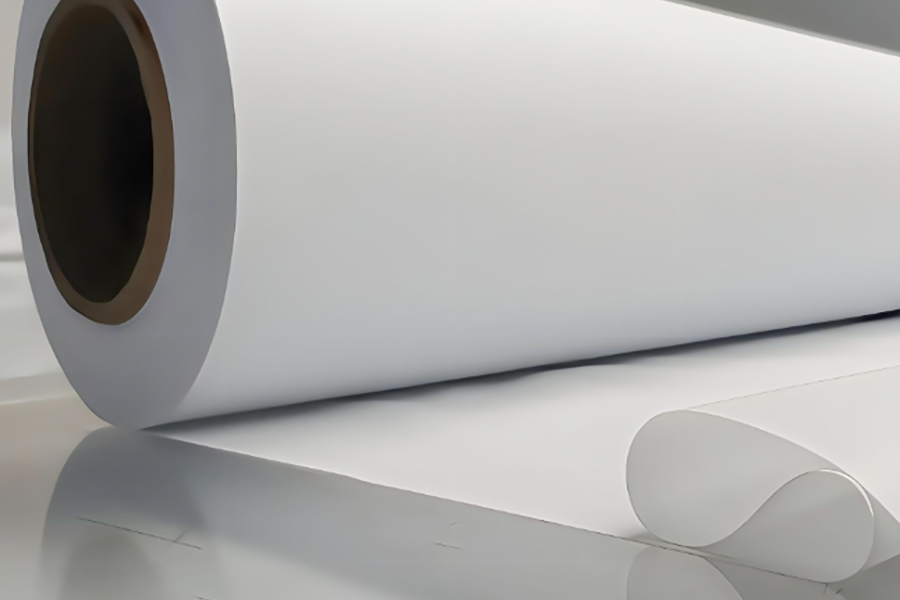
Silicone Coated Cloth is widely used in insulation and protective systems due to its excellent heat resistance, flexibility, weatherability, and durability. It combines the strength of fiberglass fabric with the protective properties of silicone rubber, making it suitable for applications such as insulation blankets, welding curtains, expansion joints, fire barriers, and removable insulation covers.
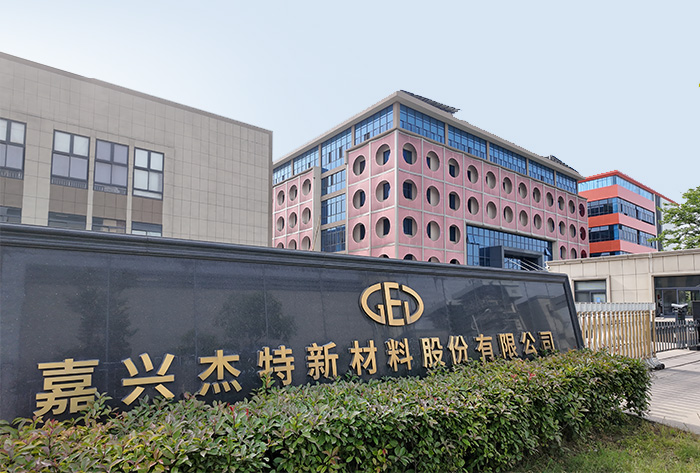
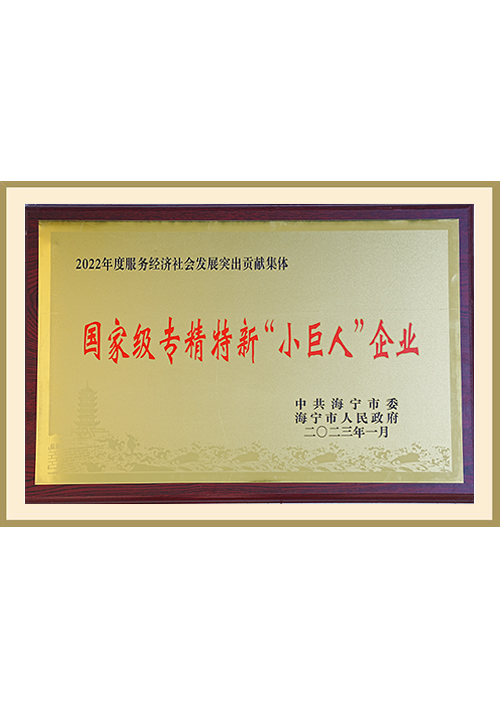
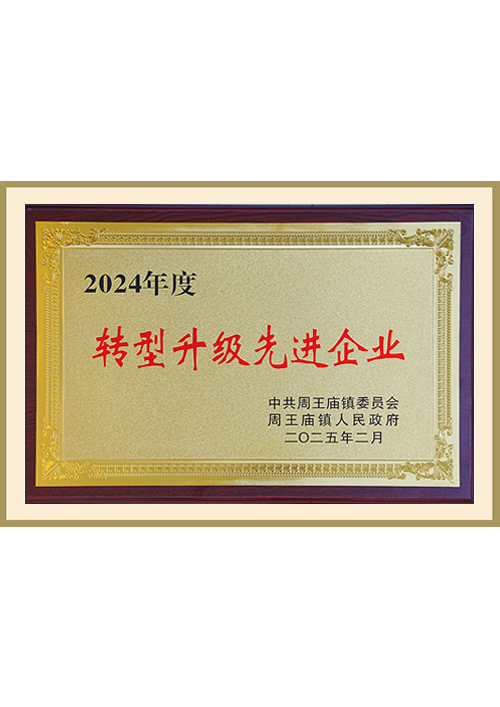
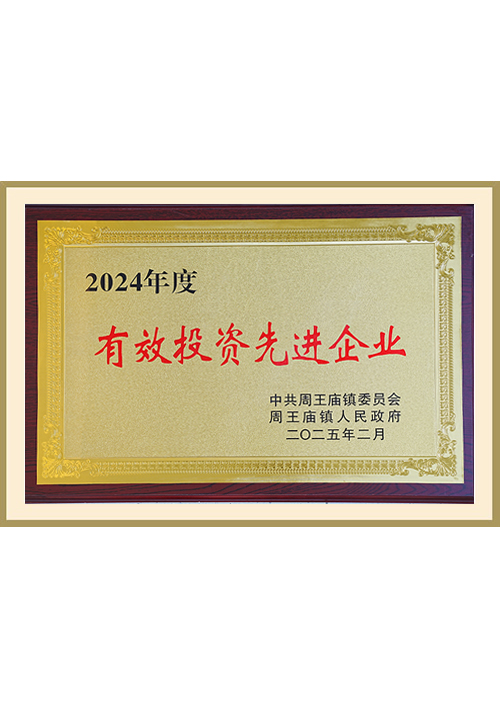
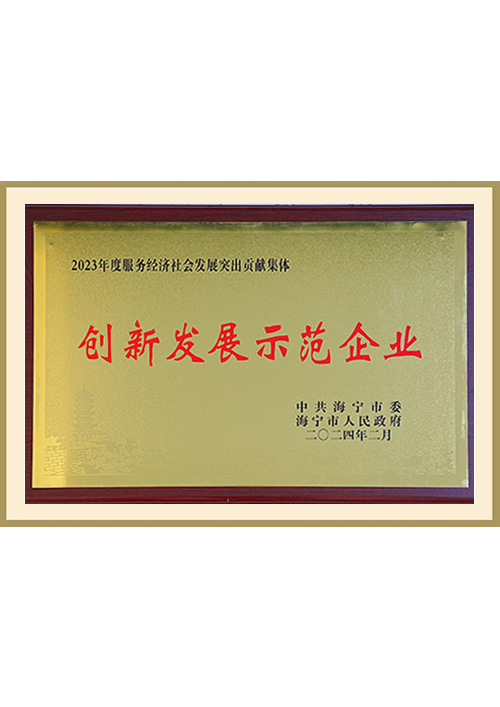
As a professional manufacturer of fiberglass fabric products and solutions established in 2010, our company is located in Zhijiang Industrial Park, Haining City, Zhejiang Province. Our company specializes in fiberglass fabric manufacturing, as well as designing, developing, and manufacturing fiberglass fabric-related products according to customers' personality requirements. Equipped with Karl Mayer warping-slashing machines, air-jet looms, Dornier rapier looms, and multiple coating machines, we are able to provide customized silicone-coated fiberglass fabric solutions for a wide range of industrial insulation and protection applications.
Temperature Resistance Requirements
One of the primary design considerations is the operating temperature of the application. The fiberglass substrate provides excellent thermal stability, while the silicone coating improves resistance to heat, environmental exposure, and mechanical stress.
- Continuous operating temperatures typically range from -50°C to 260°C.
- Short-term exposure temperatures can reach up to 300°C.
- Suitable for insulation jackets, heat shields, and thermal barriers.
- Maintains flexibility under both high and low temperature conditions.
Mechanical Strength and Flexibility
The fabric's mechanical performance should match the physical demands of the application. Factors such as tensile strength, tear resistance, and flexibility directly affect installation efficiency and service life.
- High tensile strength helps resist stretching and deformation.
- Excellent flexibility simplifies installation around complex equipment.
- Enhanced tear resistance improves durability during maintenance operations.
- Available in different fabric weights and thicknesses to meet project requirements.
Chemical and Environmental Resistance
Protective systems are often exposed to harsh environments. Silicone coatings provide additional protection against moisture, chemicals, ozone, and UV radiation.
- Excellent resistance to water and humidity.
- Good performance against oils and many industrial chemicals.
- Strong weather resistance for indoor and outdoor applications.
- Long-term protection against UV degradation.
Fire Safety and Insulation Performance
Fire protection requirements should always be considered when selecting materials for insulation and protective systems.
- Fiberglass fabric provides inherent flame resistance.
- Silicone coating improves thermal insulation performance.
- Suitable for fire curtains, welding blankets, and heat protection systems.
- Can be customized to meet various industrial fire safety standards.
Customization Options
Different industrial applications require unique specifications. With advanced weaving and coating equipment, customized solutions can be developed according to project requirements.
- Customized fabric thickness and weight.
- Single-side or double-side silicone coating.
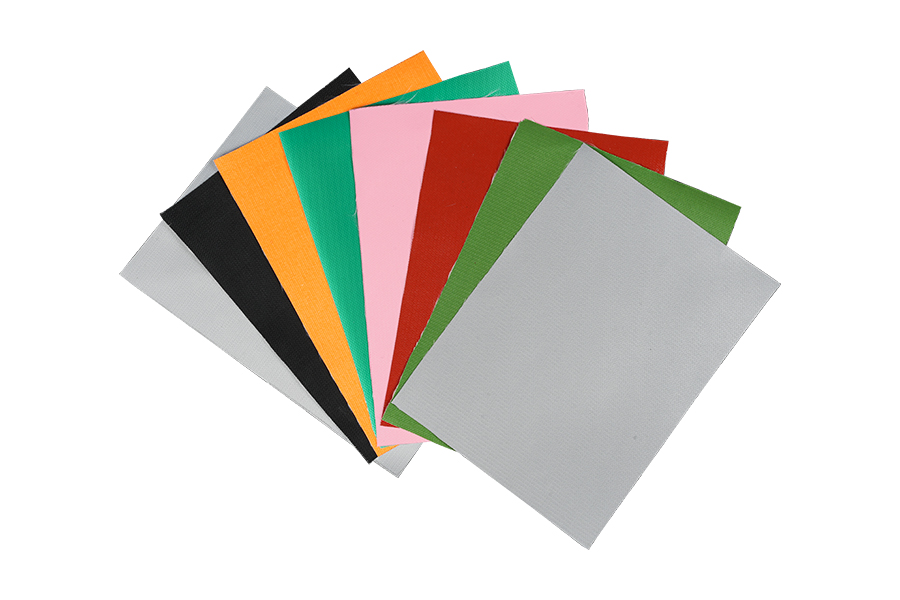
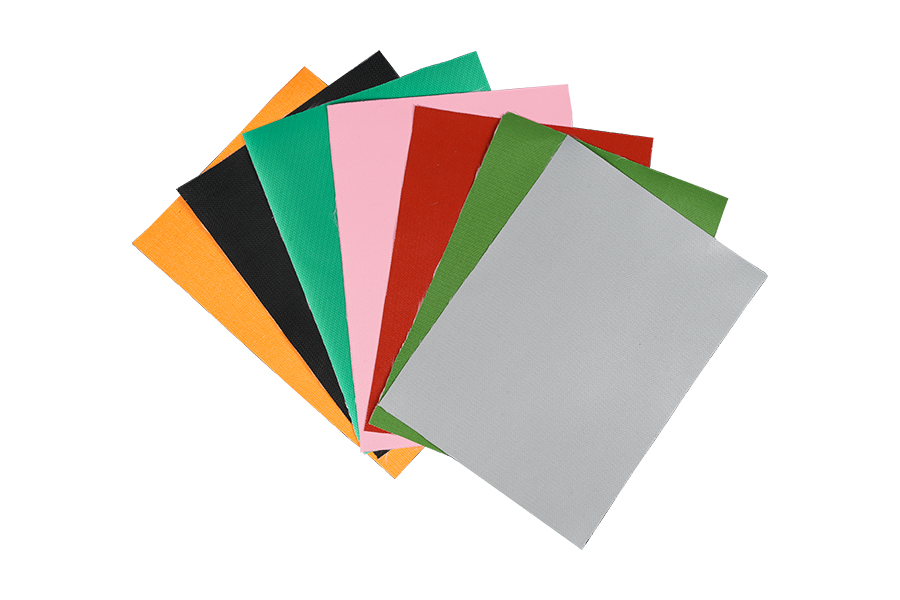
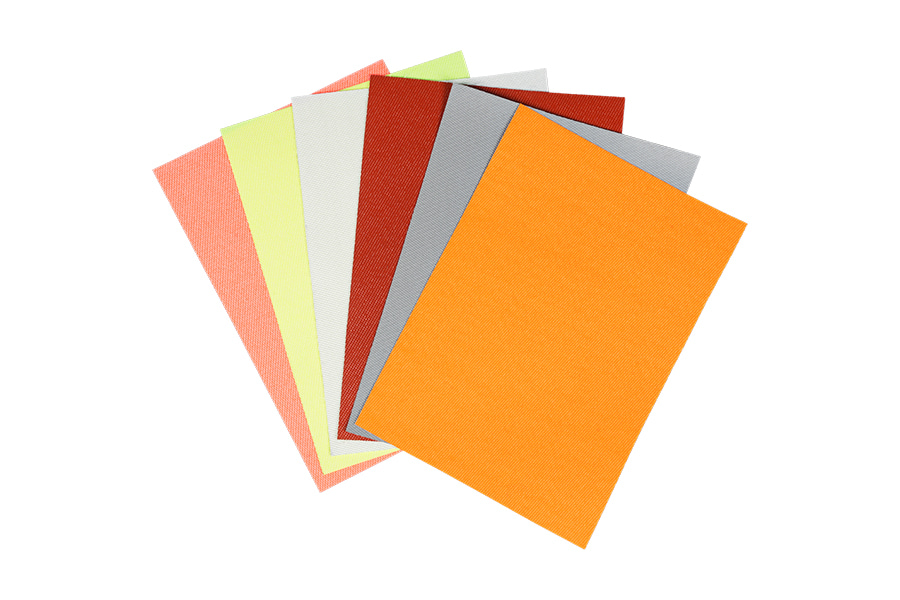
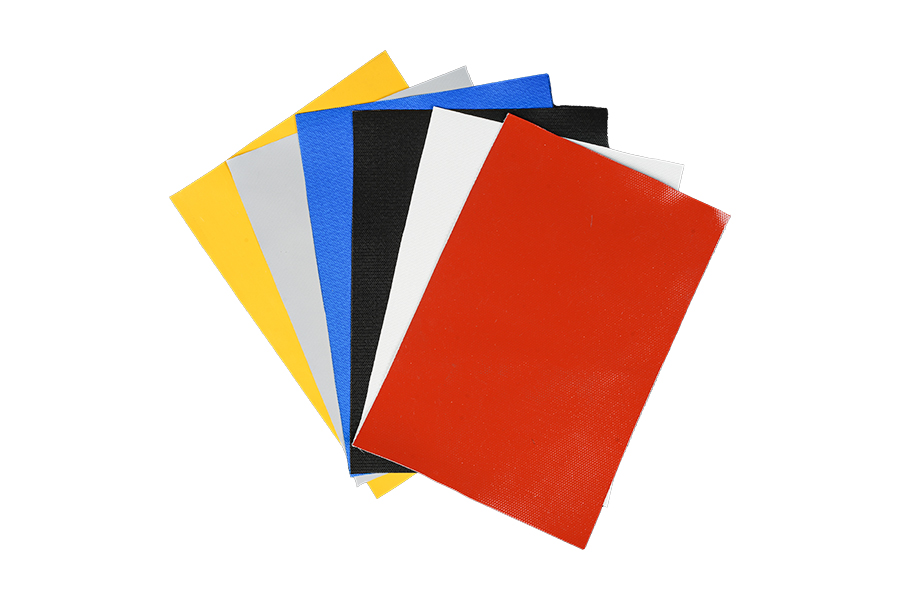
- Various coating colors and surface finishes.
- Enhanced abrasion resistance and weather resistance.
- Specialized performance for insulation, sealing, or fire protection applications.
Performance Comparison
| Property |
Uncoated Fiberglass Fabric |
Silicone Coated Fiberglass Fabric |
| Continuous Temperature Resistance |
450°C - 550°C |
260°C (coated surface) |
| Flexibility |
Moderate |
Excellent |
| Water Resistance |
Limited |
Excellent |
| UV Resistance |
Moderate |
Excellent |
| Chemical Resistance |
Good |
Excellent |
| Abrasion Resistance |
Standard |
Enhanced |
| Service Life |
5 - 10 Years |
10 - 20 Years |
For more information about customized insulation and protection materials, explore our Silicone Coated Fiberglass Fabric solutions.
FAQ
- Q1: How does your company customize Silicone Coated Cloth for insulation systems?
A: Our company, established in 2010 and located in Zhijiang Industrial Park, Haining City, Zhejiang Province, specializes in designing and manufacturing fiberglass fabric products according to customer personality requirements. Using Karl Mayer warping-slashing machines, air-jet looms, Dornier rapier looms, and multiple coating machines, we can customize thickness, coating weight, color, strength, and performance characteristics for specific insulation applications.
- Q2: Is Silicone Coated Fiberglass Fabric suitable for outdoor protective systems?
A: Yes. Silicone-coated fiberglass fabrics provide excellent resistance to UV radiation, moisture, ozone, and weathering, making them suitable for both indoor and outdoor protective systems where long-term durability is required.
- Q3: What industries commonly use Silicone Coated Cloth?
A: Silicone-coated fiberglass fabrics are widely used in power generation, petrochemical processing, metal manufacturing, shipbuilding, aerospace, automotive, and industrial insulation industries. Our company provides customized solutions designed to meet the performance requirements of these demanding applications.



 English
 中文简体
中文简体