2026-11-04
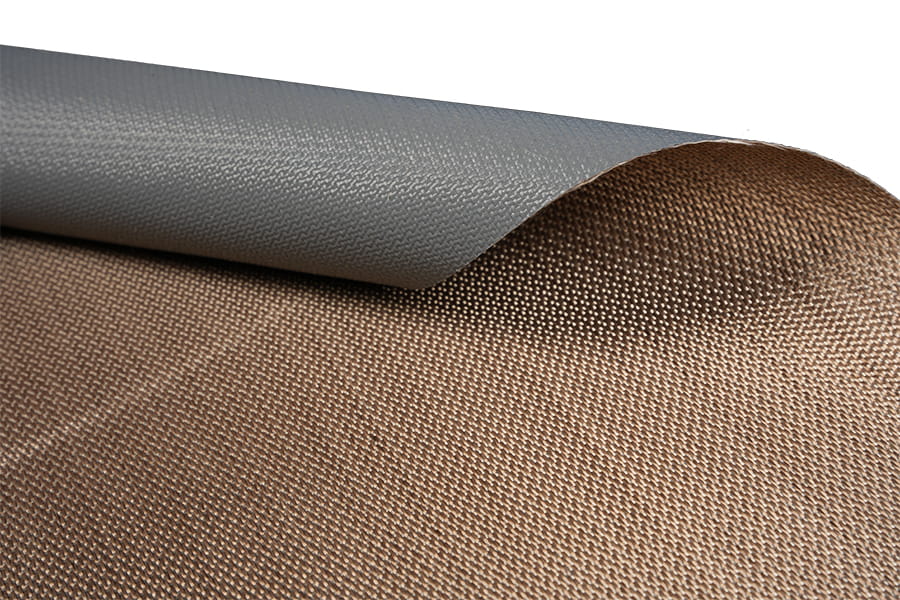
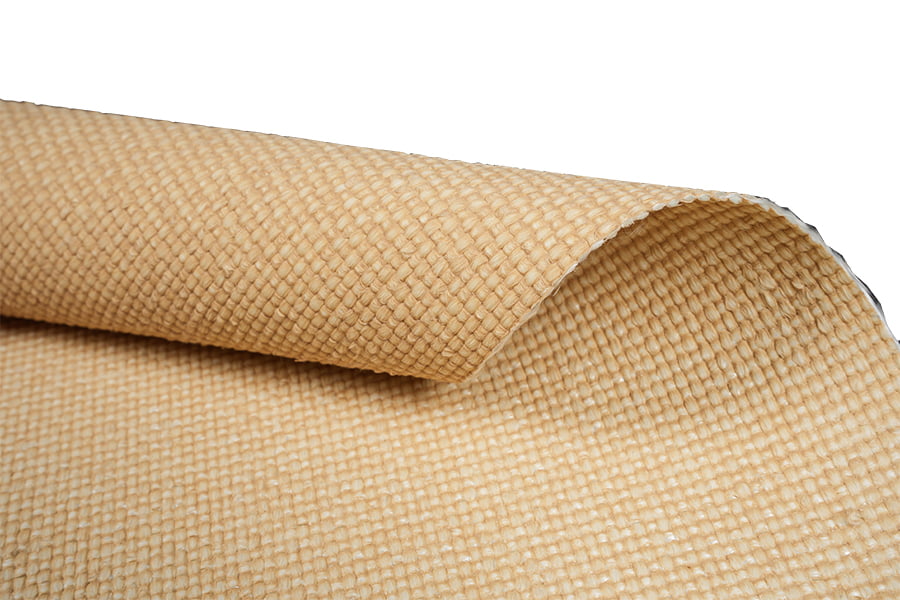
Silicone Coated Glass Cloth is a composite material made from woven glass fiber fabric coated with a layer of silicone rubber, combining the base fabric's heat resistance and mechanical strength with the coating's flexibility and surface protection. Industrial buyers turn to Silicone Coated Glass Cloth specifically because rigid insulation materials cannot match its combination of high-temperature performance and repeated flexing without cracking.
The glass fiber base carries strength and temperature resistance; the silicone coating carries flexibility, surface protection, and chemical resistance — the two layers do different jobs.
Provides tensile strength, dimensional stability, and inherent temperature resistance before any coating is applied.
Improves surface protection, flexibility, water resistance, and chemical resistance beyond bare glass fabric.
Balances heat resistance with flexibility in a way that purely rigid insulation materials cannot match.
Adhesion, thickness, and uniformity of the silicone layer determine how the finished material actually performs.
Removable insulation jackets and equipment covers rely on the material's heat resistance and flexibility for repeated installation and removal. Pipes, valves, flanges, and other equipment use it as outer protection or as a component of flexible insulation systems. Flexible ducts and high-temperature HVAC equipment benefit from the same heat resistance paired with foldability. Welding curtains, heat shields, and spark-resistant barriers use it where fire and heat protection ratings are backed by product test data, and expansion joints rely on it for flexibility under thermal movement.
Relative Importance of Each Property by Application Type
Weighting of flexibility and heat resistance requirements across common high-temperature applications.
Beyond insulation, the material protects equipment and surrounding components as heat shields and covers. Some formulations serve electrical insulation roles, though dielectric strength, temperature rating, and insulation class need confirmation against the specific product rather than assumed. Silicone coatings offer some resistance to moisture, chemicals, oils, and general environmental exposure, but actual chemical resistance varies by formulation and the specific substance involved.
Flexibility by Silicone Coating Thickness Level
Illustrative trend: heavier coating and reinforced constructions trade some flexibility for added surface protection.
Start with glass cloth construction — fabric weight, thickness, weave, and tensile strength set the mechanical baseline. Silicone coating thickness then trades off surface protection, flexibility, durability, and temperature performance against each other, so it needs to match the specific application rather than defaulting to a standard thickness. Match continuous and peak operating temperature, plus thermal cycling exposure, to the product's rated range, and confirm chemical exposure — oils, solvents, acids, alkalis — against the coating's actual tested resistance rather than an assumption.
| Selection Factor | What to Confirm |
| Fabric construction | Weight, weave, thickness, tensile strength |
| Coating thickness | Balance of flexibility, protection, durability |
| Operating temperature | Continuous, peak, and thermal cycling range |
| Chemical exposure | Specific oils, solvents, acids, or alkalis contacted |
| Mechanical needs | Flexibility, tear resistance, abrasion resistance |
A reliable Silicone Coated Glass Cloth supplier should provide yarn and fabric density data, documented coating uniformity and adhesion testing, temperature and tensile performance data, and customization across width, thickness, coating weight, and roll length.
Buyer GuidanceA high temperature rating alone does not confirm adequate strength, flexibility, or coating adhesion — all four need separate evaluation. Coating thickness is easy to overlook but directly affects flexibility and durability. Fabric construction — weight, weave, and thickness — shapes final performance just as much as the coating does. Chemical resistance also varies by silicone formulation, so one product's resistance to a given substance cannot be assumed for another.
It is woven glass fiber fabric coated with a silicone rubber layer, combining the fabric's strength and heat resistance with the coating's flexibility and surface protection.
No. Temperature rating is only one property — tensile strength, flexibility, coating adhesion, and chemical resistance all need separate confirmation for a given application.
Thicker coatings generally improve surface protection and durability but can reduce flexibility, so thickness should match the specific installation and handling requirements.
No. Chemical resistance depends on the specific silicone formulation and the substance involved, so it should be verified against test data rather than assumed.
Recommended Products
Copyright © 2025 Jiaxing Jiete New Material Co., Ltd. All Rights Reserved.
Wholesale Wide Width Fiberglass Cloth Roll Suppliers



 English
 中文简体