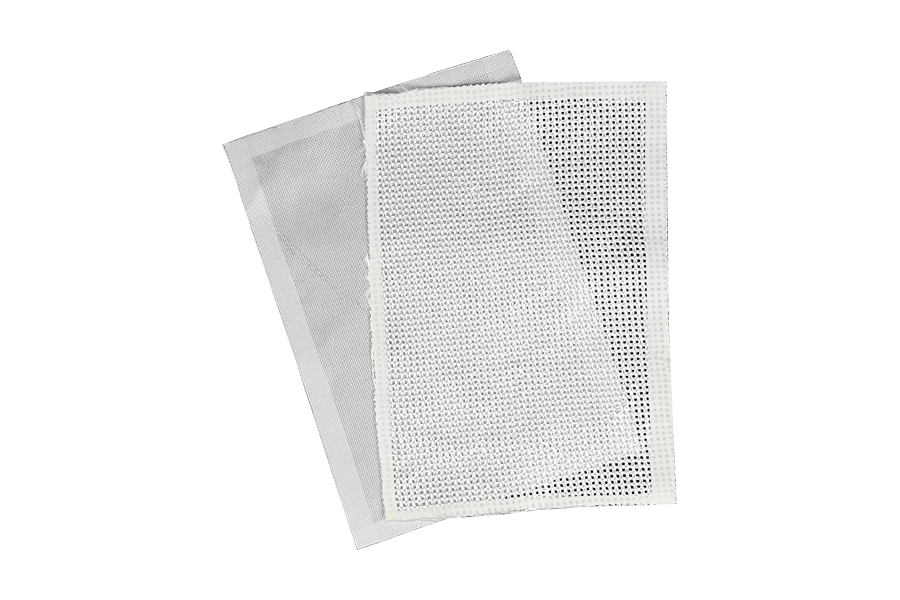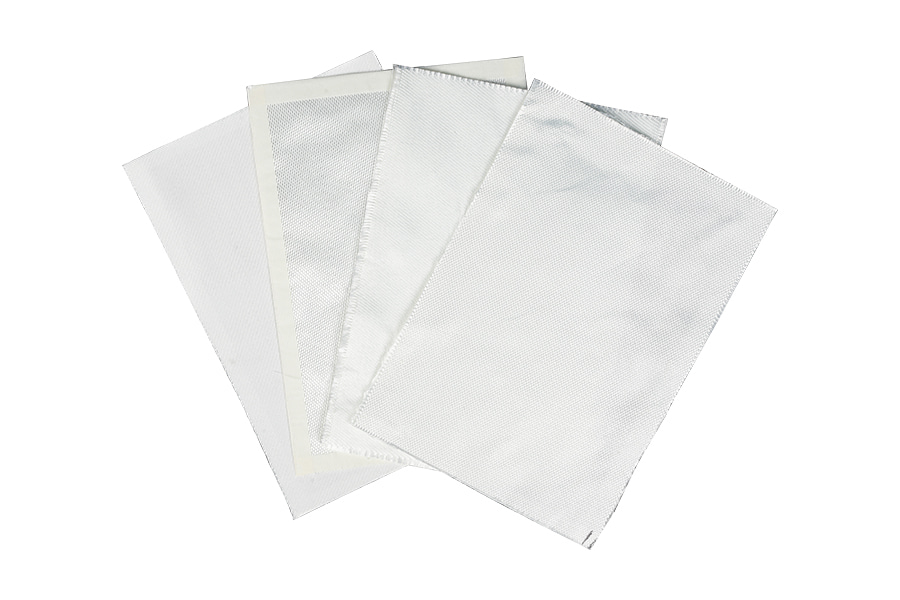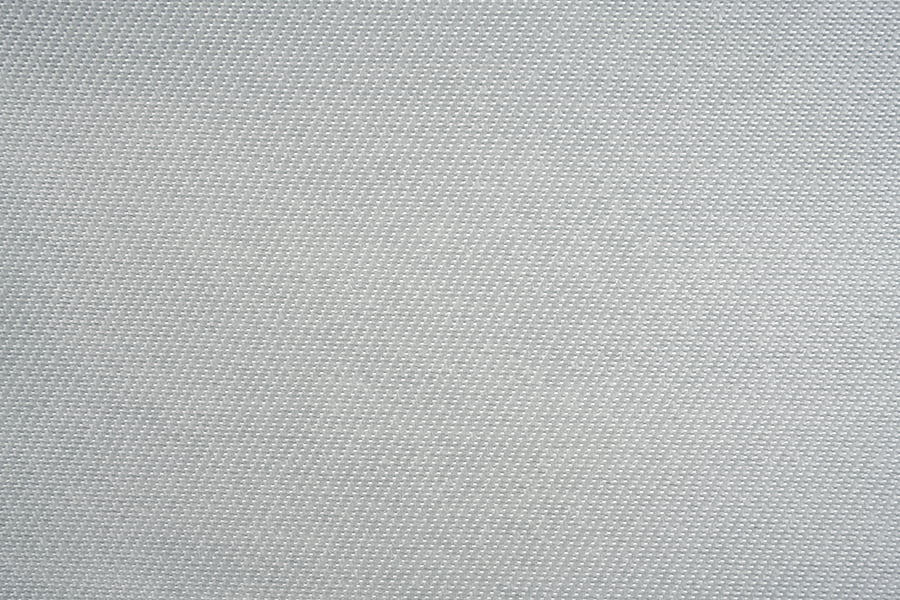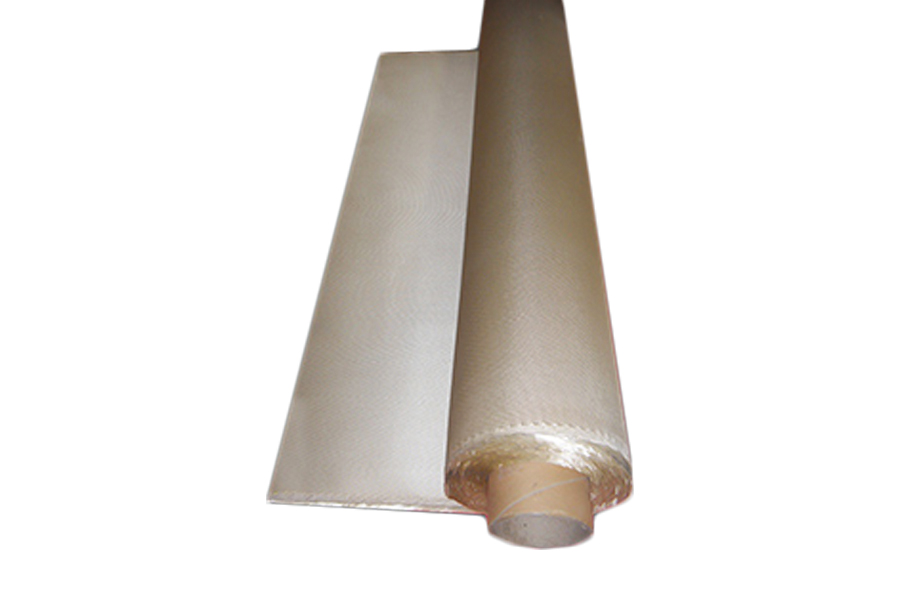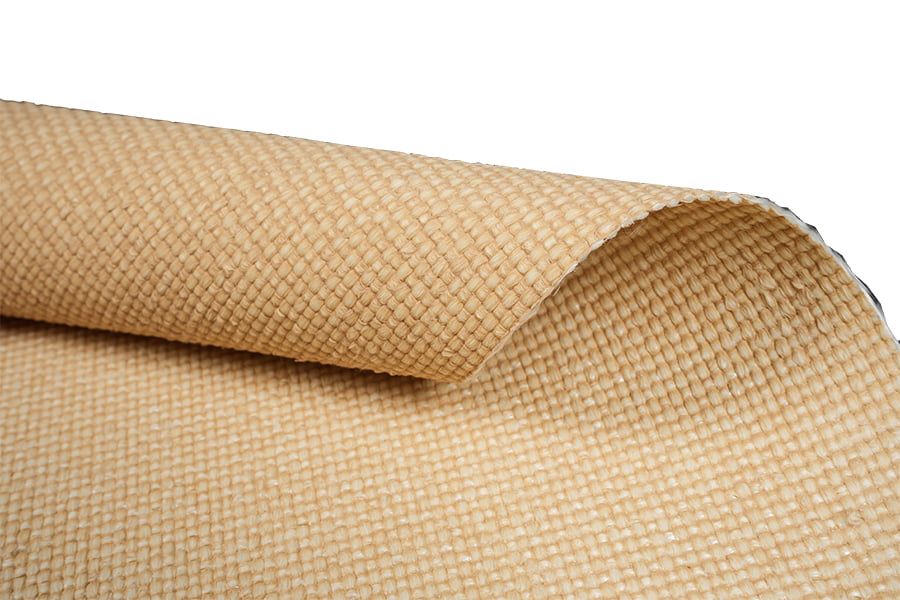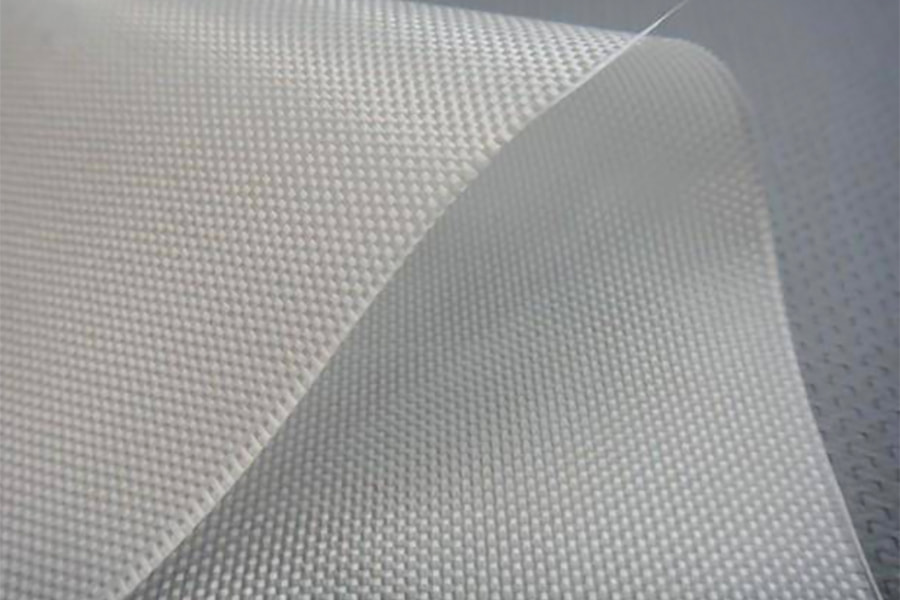
satin weave glass fiber cloth

SWC-8H High Float Structural Fabric

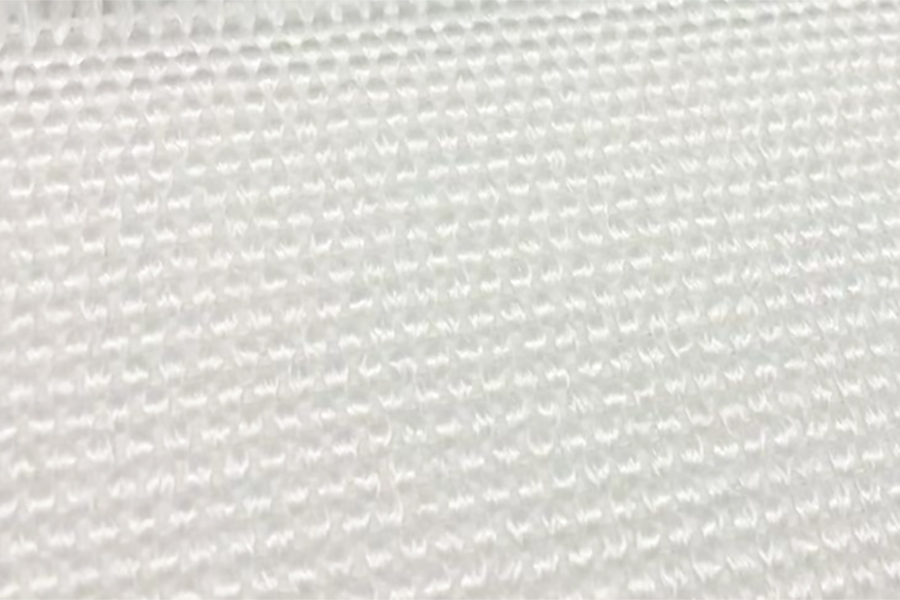
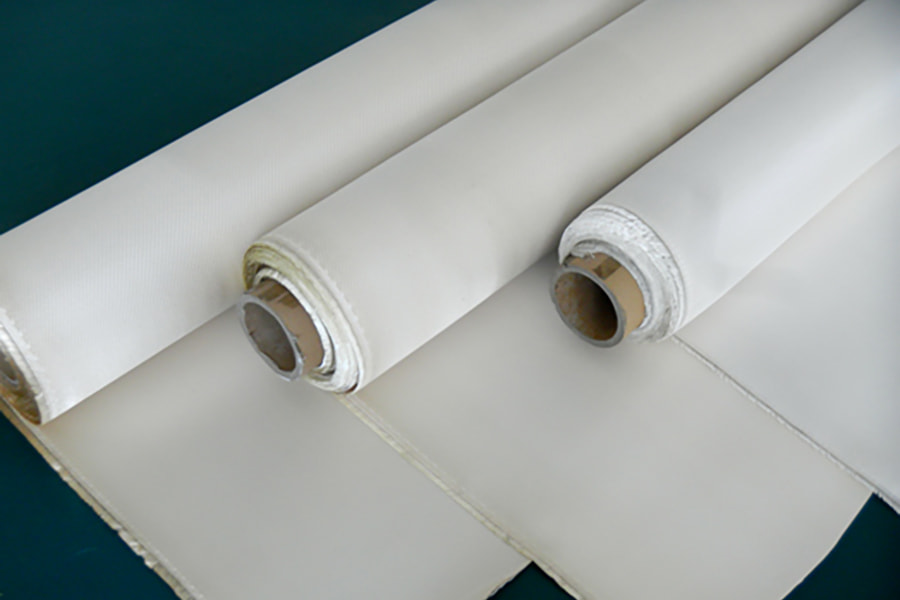
Satin weave glass fiber cloth is specified where laminate surface quality and fiber packing efficiency must be optimized simultaneously. The 8-harness configuration carries warp yarns over seven filling yarns, reducing interlacement density and crimp angle relative to plain and twill constructions. This translates into measurable process and performance gains for composite manufacturers: higher achievable fiber volume fraction, reduced resin demand per unit thickness, and less print-through in gelcoat or painted surfaces. The fabric is produced from continuous E-glass with silane sizing for epoxy, vinylester, and polyester systems. Standard supply covers areal weights from 150 g/m² to 600 g/m², thicknesses from 0.15 mm to 0.55 mm, and roll widths from 1000 mm to 1500 mm. Continuous service temperature is –60°C to +550°C. Custom harness configurations, widths, and sizing systems are available against defined volume commitments.

Benchmark Data
8H Harness
62% Fiber Volume
420 MPa Tensile
26-32 GPa Modulus
550 °C Limit
1500 mm Width

Commercial Value Drivers

Resin Demand Reduction Higher achievable fiber volume lowers resin consumption per unit of laminate thickness, directly reducing material cost at scale.
Finishing Labor Reduction Reduced print-through in gelcoat and paint lowers sanding and rework hours, particularly in visible surface applications.
Ply Efficiency Higher mechanical translation per ply allows thinner laminate schedules for equivalent stiffness, reducing lay-up cycle time.
Batch Repeatability Controlled areal weight tolerance of ±5% and consistent weave geometry support stable resin-to-fiber ratios across production runs.
Process Coverage Compatible with hand lay-up, vacuum infusion, RTM, prepreg, and autoclave processing without sizing change.

Weave Engineering

Float Geometry Long warp floats over seven filling yarns lower interlacement density and crimp angle, reducing stress concentration at crossover points.
Surface Behavior Fewer interlacements produce a flatter surface profile with lower print-through in gelcoat and paint compared with plain and twill constructions.
Drape Response Unbalanced float structure provides high conformability to compound curves and tight radii, though face and back surfaces differ in texture.
Handling Limits Long floats are more susceptible to snagging and yarn pull. Cut edges should be stabilized and lay-up should avoid sharp dragging across tooling.

Mechanical Profile

Tensile Strength 280 to 420 MPa in warp direction, with weft values typically 5 to 10 percent lower depending on float configuration and yarn balance.
Flexural Modulus 26 to 32 GPa in epoxy laminates at 55 percent fiber volume, with higher values achieved in high-float constructions.
Fiber Volume Up to 62 percent in vacuum infusion due to reduced crimp and improved compaction, compared with 55 to 58 percent for plain weave at equal weight.
Fatigue Life Lower crimp reduces stress concentration at crossover points, improving fatigue life in cyclic loading applications such as blade spars and pressure vessels.

Supply Specification

Fiber Type Continuous E-glass
Weave Configuration 8-harness satin, other harness counts on request
Areal Weight 150 to 600 g/m², ±5% tolerance
Thickness 0.15 to 0.55 mm
Tensile Strength 280 to 420 MPa
Flexural Modulus 26 to 32 GPa
Sizing System Silane, epoxy / vinylester / polyester
Service Temperature –60°C to +550°C
Roll Width 1000 / 1270 / 1500 mm
Roll Length 30 / 50 / 100 m

Qualified Application Segments

Aerospace secondary structures Radomes, fairings, wing-to-body fillets, and interior panels where low crimp and consistent surface finish support aerodynamic requirements and weight targets.
Marine hull and deck laminates Hull skins, deck panels, and superstructure laminates where reduced print-through and high fiber volume lower finishing labor and resin consumption.
Wind turbine blade components Spar caps, root sections, and shear webs where fatigue resistance and fiber packing efficiency are primary design drivers.
Motorsport body panels Bodywork, aerodynamic devices, and structural panels where surface quality and stiffness-to-weight ratio determine material selection.
Industrial pressure equipment Pressure vessels, storage tanks, and chemical piping where consistent laminate quality and corrosion resistance are required.
Composite tooling and molds Master models, production molds, and tooling laminates where dimensional stability and surface smoothness affect part quality.

Production Notes

01
Cutting and Edge Stabilization Satin weave is prone to yarn pull at cut edges because of the long float structure. Use sharp blades with a sacrificial backing film, or apply a temporary edge binder before cutting. For production volumes, CNC or water-jet cutting with edge support is recommended.
02
Face and Back Orientation Face and back surfaces differ in texture due to the unbalanced float structure. The face side, which carries the longer floats, typically provides the smoother surface. Confirm the intended face direction before lay-up and document orientation in the laminate schedule so surface finish remains consistent across production batches.
03
Resin Flow Behavior Reduced crimp produces a tighter fabric surface that can slow lateral resin flow in vacuum infusion. Use a flow medium on the top surface and verify fill time on trial panels before production. For thick laminates, debulk every two to three plies to maintain even compaction and avoid resin-rich zones.
04
Storage and Shelf Life Store rolls horizontally at 15 to 30°C and 40 to 60 percent RH. Keep rolls wrapped to protect long floats from dust and mechanical snagging. Shelf life is 36 months in original packaging. Inspect rolls before use for yarn pull or float damage at the outer layers.

Procurement and Engineering FAQ

Satin weave is selected when the application requires a combination of high fiber volume, low crimp, and smooth surface finish. Plain weave offers the highest stability but lower fiber packing and more print-through. Twill weave sits between the two in terms of drape and surface quality. Satin weave provides the best surface finish and highest mechanical translation in a single ply, which is why it is common in aerospace and motorsport laminates where weight and surface quality are both specified.

5-harness satin has a shorter float length, with each warp yarn passing over four filling yarns. 8-harness satin has a longer float, with each warp yarn passing over seven filling yarns. Longer floats reduce crimp further and improve surface smoothness, but also make the fabric more susceptible to yarn pull and handling damage. 5-harness satin is more robust for general handling, while 8-harness satin is used where surface finish and fiber packing are the primary requirements.

Standard MOQ is 300 kg per width and harness configuration. Stock widths of 1000 mm and 1270 mm in 8-harness satin ship from inventory within 5 to 10 business days. Custom widths, harness counts, and sizing systems typically require 3 to 5 weeks depending on order volume. Tooling charges may apply for non-standard configurations.

Yes, but flow behavior differs from open weaves. The tighter surface structure of satin weave can slow lateral resin flow, particularly at higher areal weights. For vacuum infusion, use resin viscosity of 150 to 250 cP at 25°C, apply a flow medium on the top surface, and verify fill time on trial panels. For thick laminates, debulk every two to three plies to maintain even compaction and avoid resin-rich zones.

Each shipment includes a certificate of analysis covering areal weight, thickness, weave configuration, sizing system, and roll length. Lot numbers are recorded for traceability. Additional test data including tensile strength, flexural modulus, and resin compatibility statements can be provided on request for qualified accounts.

Jiaxing Jiete
Est. 2010 · Haining, Zhejiang · Fiberglass Fabric
Fiberglass Fabric Manufacturer
Clarity, strength,
and coating — woven in.

Since 2010 we've woven and coated fiberglass fabric to spec for customers who need both the physics and the finish to hold up.

opaquecoatedbase weavetranslucent
Light transmittance across our fabric & membrane range
About the mill
Zhijiang Industrial Park

Jiaxing Jiete New Material Co., Ltd. is a professional manufacturer of fiberglass fabric, established in 2010 and based in Zhijiang Industrial Park, Haining City, Zhejiang Province — well connected for shipping worldwide.

We are China Satin Weave Glass Fiber Cloth Manufacturers and Custom Satin Weave Glass Fiber Cloth Suppliers. We weave fiberglass fabric and develop custom products to specification, running Karl Mayer warping-slashing lines, air-jet looms, Dornier rapier looms, and multiple coating lines under one roof.

Jiete fiberglass weaving and coating facility
Factory floor
150,000 m²
factory floor area
200+
people on staff
200
pieces of production equipment
Product portfolio
9 material lines
Standard and high-strength weaves, heat-resistant base fabric.
Type-E · base weave
Exceptional tensile strength and impact resistance.
Aramid · high tenacity
Fine, even mesh for agricultural and architectural screening.
Mesh · screening grade
Engineered for extreme or non-standard operating conditions.
Custom · engineered
High translucency, self-cleaning surface, long-span tensile use.
PTFE · tensile grade
Non-stick, chemical resistant across a wide thermal range.
-70°C to +260°C
Flexible, waterproof, with strong high-temperature insulation.
Silicone · flexible
Durable, flame-retardant, and weatherproof for outdoor use.
PVC · flame-retardant
PU, acrylic, and other custom coatings available on request.
PU / acrylic · custom
Built to your drawing, not our catalogue

Send us a requirement outside the standard range and our R&D team will design the weave, finish, and coating around it — from first sample through to production volume.

Since 2010, on a foundation of careful management and steady reinvestment, Jiete has built a position in the global fiberglass fabric trade and long-standing partnerships across it. We'd welcome the chance to host you at the mill.

Recommended LINKS