


 English
 中文简体
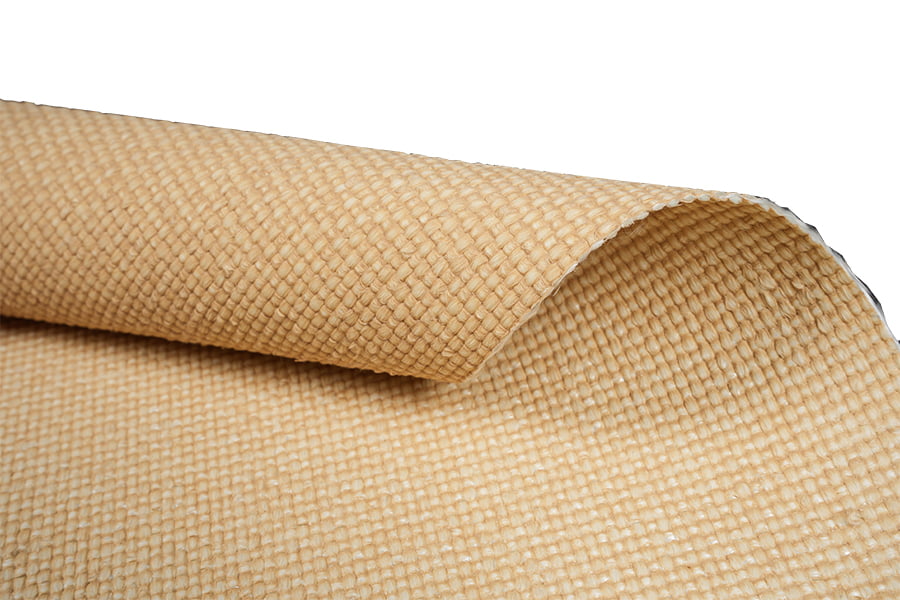
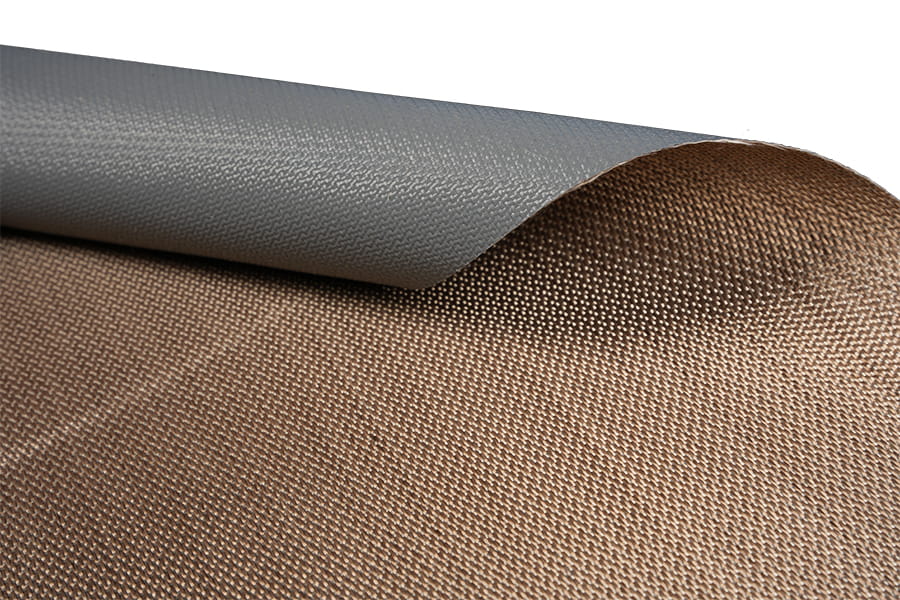

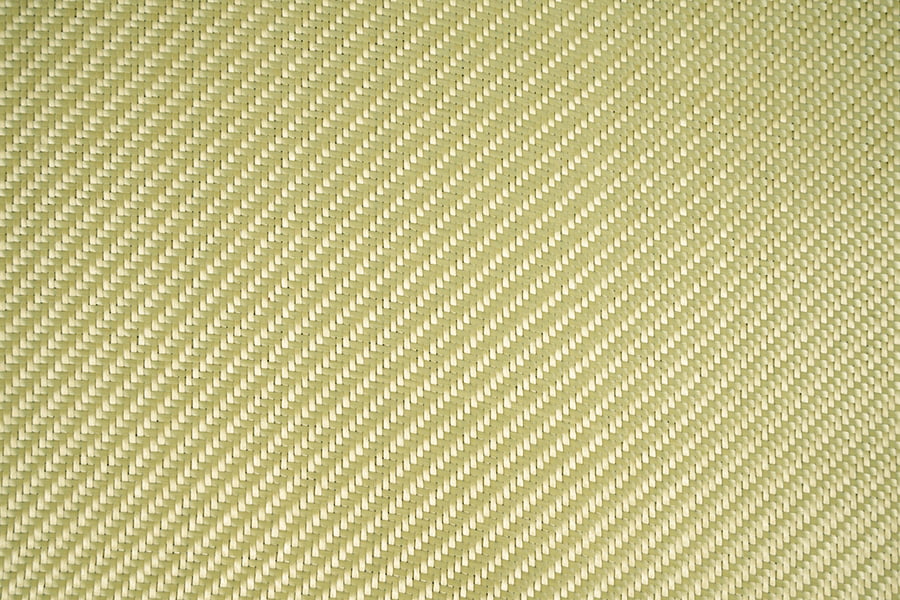
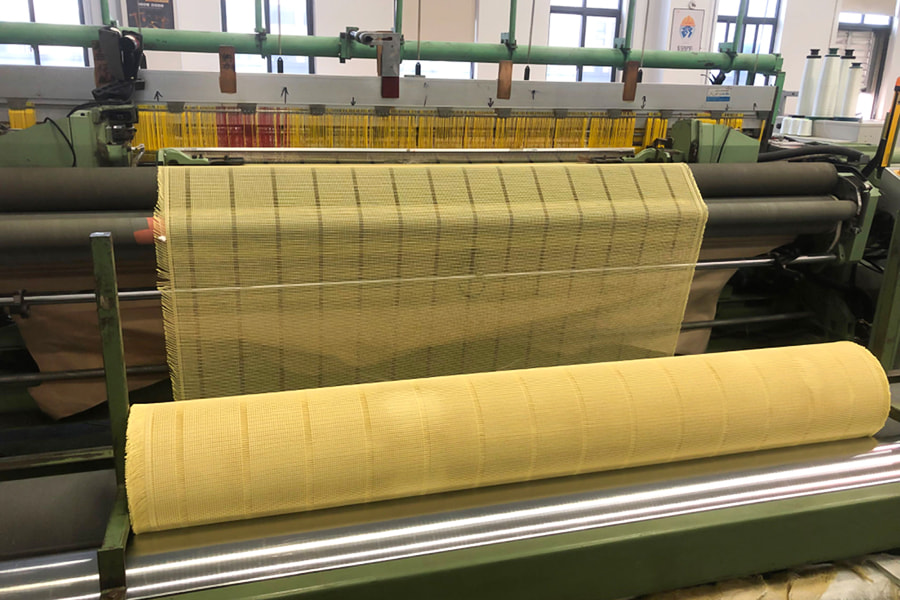

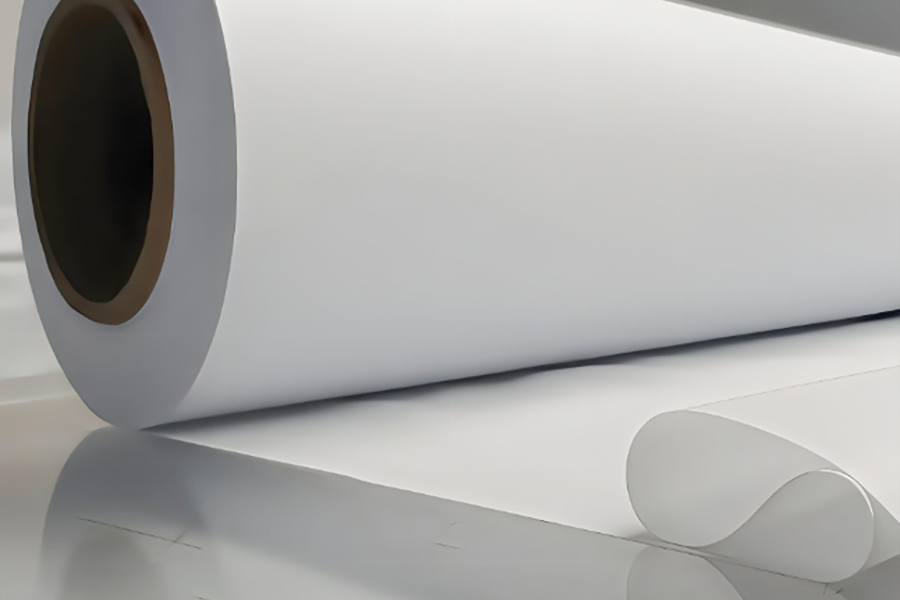
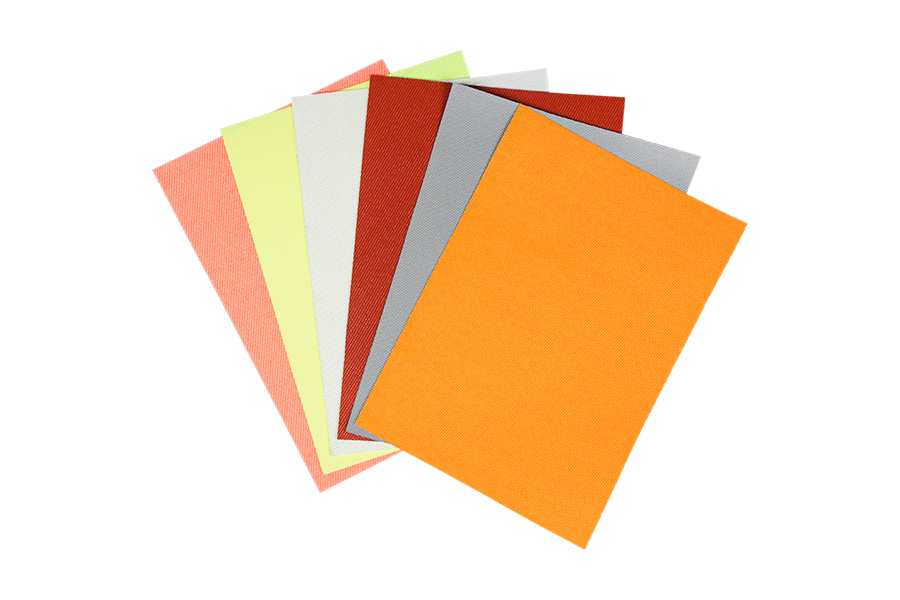
High Tensile Strength Glass Fiber Cloth
Woven glass fiber reinforcement material designed for composite structures requiring tensile load resistance, dimensional stability, and consistent fiber reinforcement. Fabric specifications can be evaluated according to structural design and manufacturing requirements.
Product Introduction
High Tensile Strength Glass Fiber Cloth is a woven reinforcement material manufactured from glass fiber yarns arranged in warp and weft directions. Its textile construction provides tensile reinforcement for composite products that require resistance to pulling forces and structural loads. The mechanical characteristics of the finished fabric depend on fiber composition, yarn specifications, weave pattern, fabric weight, and production parameters.
During composite manufacturing, the cloth can be impregnated with compatible resin systems and incorporated into laminated structures. The resulting reinforcement layer helps distribute tensile loads throughout the composite component. Fabric orientation, layer arrangement, and resin impregnation are important factors in determining the mechanical behavior of the finished product.
For B2B manufacturers, the material can be considered for FRP panels, industrial equipment components, transportation parts, construction reinforcement, and other engineered composite products. Buyers can evaluate tensile requirements, fabric density, weave construction, and resin compatibility when selecting specifications for production applications.
Core Advantages
Tensile Load Reinforcement
Continuous glass fiber yarns provide reinforcement along the fabric directions. This structure helps composite manufacturers incorporate tensile reinforcement into components designed to withstand mechanical loading.
Two-Directional Fiber Arrangement
The woven construction distributes reinforcement through warp and weft yarn systems. The directional properties can be considered when designing laminate structures for different load conditions.
Composite Manufacturing Compatibility
The fabric can be incorporated into compatible resin-based composite processes. Material selection can be coordinated with resin chemistry, impregnation requirements, and curing conditions.
Flexible Structural Design
Different fabric weights, yarn arrangements, and weave constructions can influence reinforcement distribution. These options allow engineers to evaluate material configurations according to component design.
Dimensional Reinforcement
The woven textile structure provides a defined arrangement of reinforcing yarns during composite lay-up. Fabric stability and dimensional behavior depend on the selected construction and processing conditions.
Industrial Batch Procurement
Roll-based material supply supports industrial storage, cutting, and composite production planning. Approved specifications can also serve as references for subsequent purchasing requirements.
Product Features
Glass Fiber Yarn Construction
The fabric consists of glass fiber yarns arranged into a woven structure. Fiber type and yarn specifications influence the tensile behavior, fabric density, and mechanical characteristics of the reinforcement material.
Reinforcement in Fabric Directions
Warp and weft yarns contribute to the fabric's directional tensile properties. Actual tensile strength should be established through testing of the specified fabric rather than inferred from the product name alone.
Textile Structure Options
Plain weave, twill weave, and other available constructions can be evaluated according to handling requirements, fabric stability, and composite processing methods. The available options depend on the manufacturer's production range.
GSM Specification
Fabric weight affects reinforcement content, material handling, and the number of layers required in composite fabrication. Buyers should select GSM according to the intended laminate design and mechanical requirements.
Fiber Sizing and Resin Interaction
Glass fiber sizing and surface treatment influence the interaction between reinforcing fibers and resin systems. Compatibility should be assessed according to the selected matrix material and manufacturing process.
Resin Impregnation
The cloth can be incorporated into compatible resin-based laminating processes. Resin viscosity, fabric construction, impregnation method, and curing conditions all affect the finished composite structure.
Fabric Width and Roll Specifications
Width, roll length, and dimensional tolerances are important procurement parameters. The actual available specifications should be confirmed according to manufacturing capabilities and order requirements.
Applications
Structural FRP Components
Used as reinforcement in fiberglass-reinforced plastic components where tensile load distribution is an important design consideration. Typical manufacturing products include composite panels, profiles, and structural parts.
Construction Reinforcement
Can be incorporated into selected composite reinforcement systems and engineered building components. Material selection should follow project-specific structural requirements and applicable engineering specifications.
Machinery and Equipment Components
Suitable for evaluating reinforcement requirements in composite equipment housings, covers, panels, and fabricated components exposed to mechanical loads during operation.
Transportation Composite Parts
Can be used in selected fiberglass composite parts for transportation equipment, including panels, enclosures, and molded structures where reinforcement orientation and weight requirements are considered.
Marine Composite Fabrication
Used in compatible fiberglass boat structures, hull components, and marine equipment parts. Fabric weight, resin compatibility, and laminate construction should match the intended service conditions.
OEM Composite Manufacturing
Composite product manufacturers can evaluate the material for recurring production orders, molded components, and customer-specific reinforcement requirements. Fabric specifications should be coordinated with the final product design.
Manufacturing and Supply Capabilities
The manufacturing and supply requirements for tensile reinforcement fabric involve fiber yarn selection, weaving construction, fabric inspection, specification management, and packaging. Each stage should be coordinated with the technical requirements of the target composite application.
Yarn and Material Selection
Glass fiber yarn specifications should be selected according to the required fabric construction and mechanical performance targets. Fiber type, yarn arrangement, and material consistency are important starting points for production planning.
Weaving Configuration
Warp and weft arrangements determine the fabric structure and directional reinforcement characteristics. Weave pattern, fabric density, and construction details should be confirmed before production.
Specification-Based Production
Fabric weight, width, weave construction, and other available parameters can be assessed against purchasing requirements. Non-standard specifications require a manufacturing feasibility review.
Fabric Quality Inspection
Inspection may cover fabric weight, width, yarn arrangement, weave consistency, surface condition, and visible defects. Tensile testing can be included when the applicable test method and acceptance criteria have been agreed upon.
Roll Packaging and Delivery Preparation
Roll dimensions, protective packaging, product identification, and shipment arrangements can be coordinated according to order requirements. Packaging details should be confirmed before dispatch.
Repeat Order Specification Management
Approved samples, product specifications, and inspection requirements can be used as references for subsequent purchasing. Consistent documentation helps coordinate recurring orders and reduce specification discrepancies.
B2B Buyer Considerations
Define the required tensile strength and test direction for the fabric. Buyers should distinguish between the tensile properties of the dry textile and those of the finished resin-based composite laminate.
Specify the required weave pattern, yarn type, GSM, fabric width, and roll dimensions. These parameters influence material selection, production compatibility, and purchasing costs.
Provide the intended resin type and processing method. Sizing compatibility and impregnation behavior should be evaluated before approving the material for regular production.
Agree on inspection items, tensile test methods, sampling procedures, and acceptance criteria. Where mechanical performance is critical, testing documentation should be reviewed before bulk order approval.
Minimum order quantity and lead time depend on fabric specifications, material availability, production scheduling, and order volume. Buyers should confirm these conditions during quotation and order negotiation.
Frequently Asked Questions
What makes glass fiber cloth suitable for tensile reinforcement?
Glass fiber yarns provide reinforcement through their fiber composition and continuous filament structure. When woven into fabric, the yarns form reinforcement directions that can transfer tensile loads within a compatible composite matrix. Actual tensile performance depends on fiber type, yarn configuration, weave construction, fabric weight, and resin processing conditions.
How is the tensile strength of glass fiber cloth measured?
Tensile strength is generally evaluated by applying a controlled pulling force to a fabric specimen until failure. Testing can be conducted separately in the warp and weft directions because the two directions may have different mechanical properties. Buyers should specify the applicable test standard, specimen dimensions, testing conditions, and reporting requirements when requesting tensile data.
What factors affect the tensile performance of woven glass fiber fabric?
Important factors include glass fiber type, yarn linear density, yarn arrangement, weave structure, fabric density, and manufacturing consistency. In composite applications, resin compatibility, fiber volume fraction, fiber orientation, impregnation quality, and curing conditions also influence the mechanical performance of the finished laminate.
Should buyers choose plain weave or twill weave for tensile reinforcement?
Plain weave provides a regular interlaced structure and is commonly evaluated where fabric stability and handling are important. Twill weave has a different yarn interlacing pattern and may provide different drapability and forming characteristics. Neither construction automatically guarantees higher tensile strength. Selection should be based on test data, component geometry, and the intended composite process.
Can high tensile strength glass fiber cloth be used with epoxy and polyester resin?
The fabric may be suitable for compatible epoxy or polyester resin systems, provided that the glass fiber sizing and surface treatment support the required resin interaction. Buyers should confirm the specific resin formulation, impregnation method, and curing conditions with the material supplier before production use.
Can fabric weight, width, and weave specifications be adjusted?
Available specification adjustments depend on the manufacturer's yarn sourcing, weaving equipment, and production capabilities. Potential requirements include GSM, fabric width, weave pattern, and yarn configuration. Buyers should provide a technical specification sheet or target parameters for a feasibility assessment and quotation.
What information should be included in a bulk purchase inquiry?
A detailed inquiry should include the intended application, required tensile properties, warp and weft specifications, GSM, weave pattern, fabric width, resin system, roll length, and estimated order quantity. Inspection requirements, packaging preferences, and destination market information can also help the supplier prepare a more accurate quotation.
How can buyers maintain consistent fabric specifications across repeat orders?
Buyers should establish an approved product specification covering yarn type, fabric weight, weave structure, width, dimensional tolerances, and applicable inspection criteria. Retaining approved samples and production records can provide a reference for subsequent orders. Any changes to raw materials or manufacturing specifications should be reviewed before production.