

 English
 中文简体
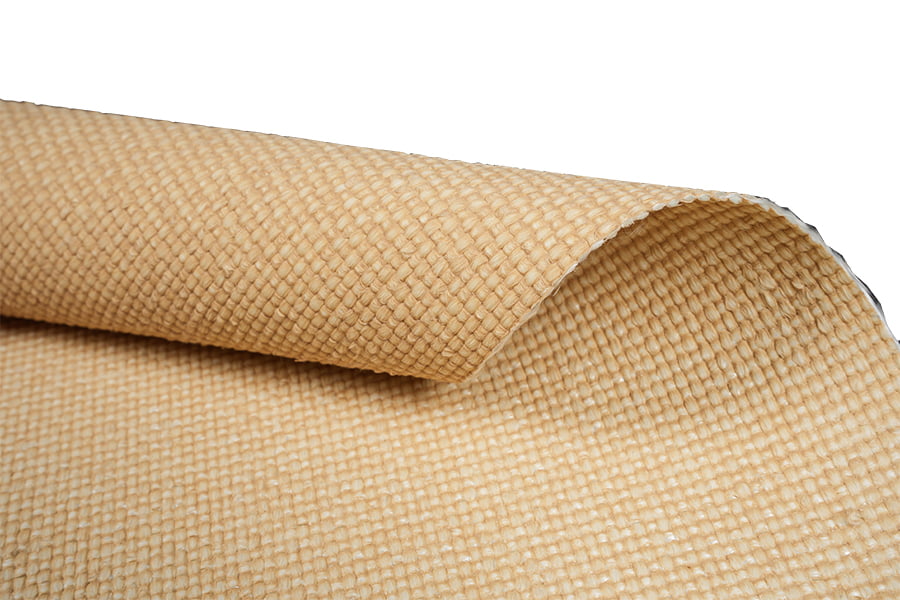
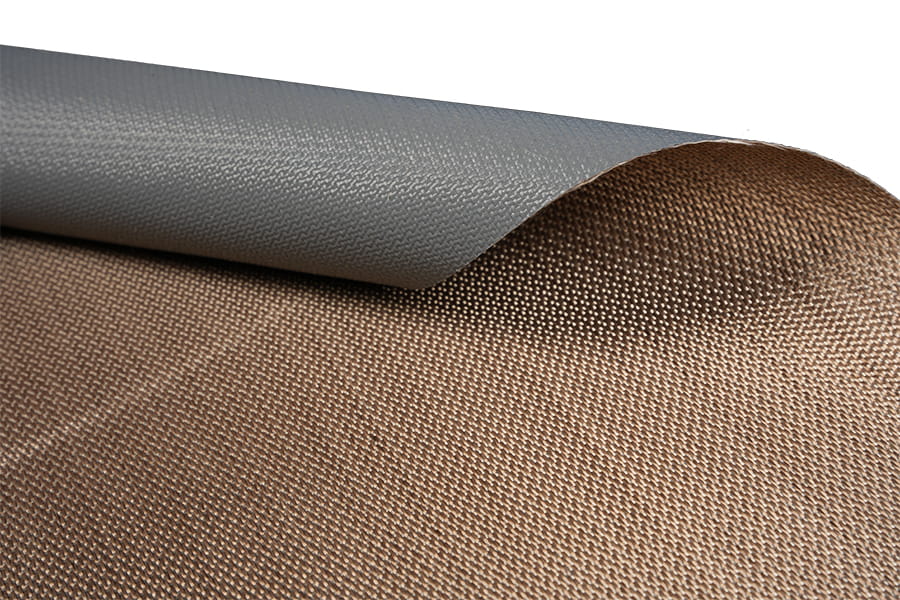
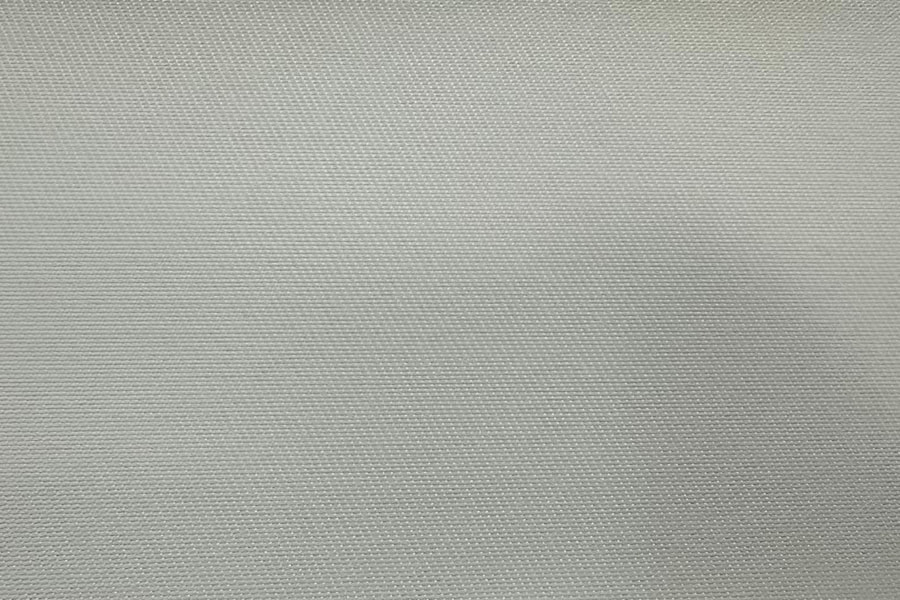
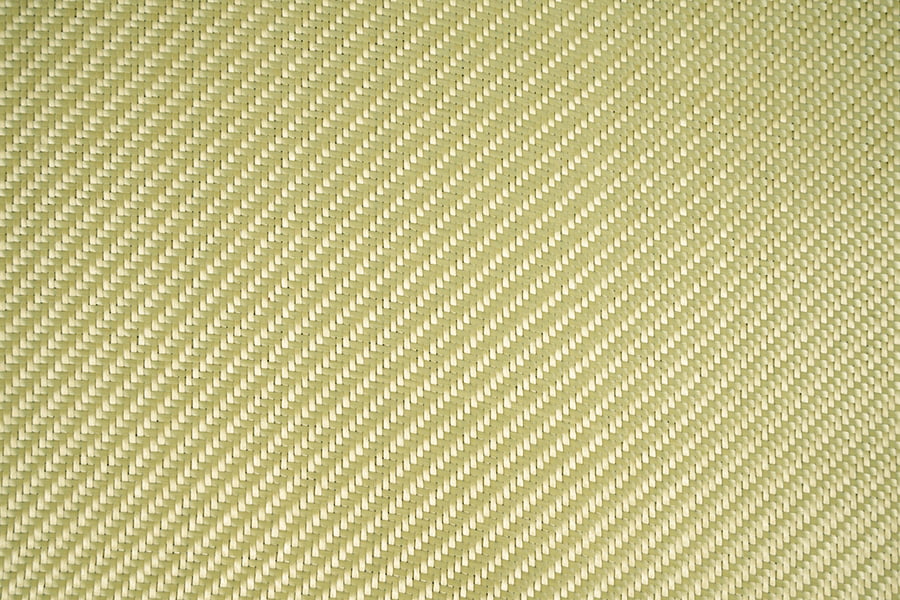
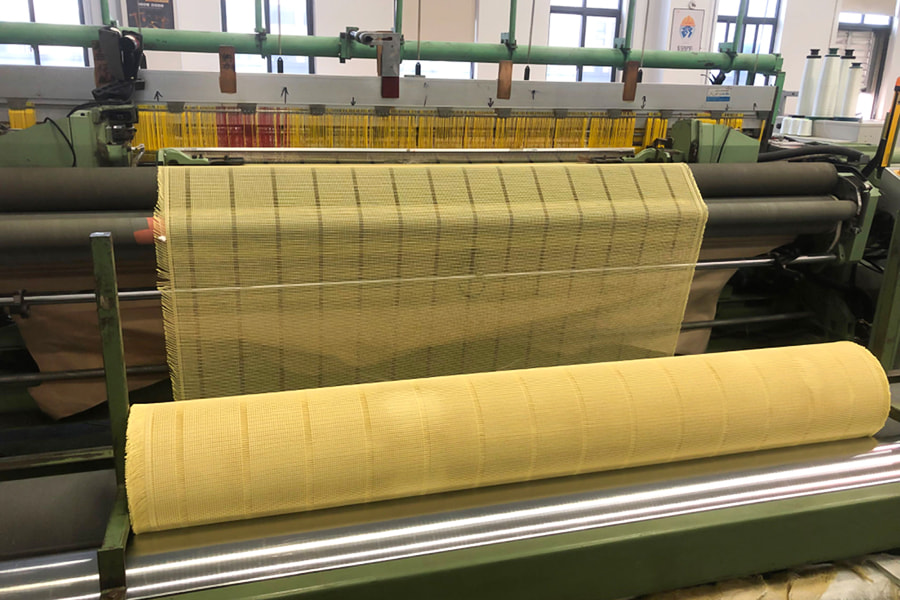
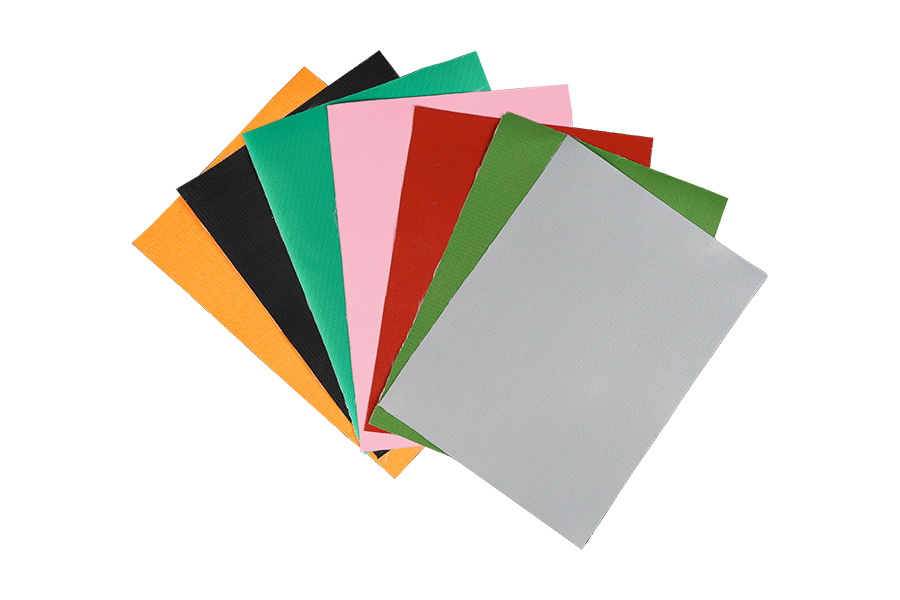
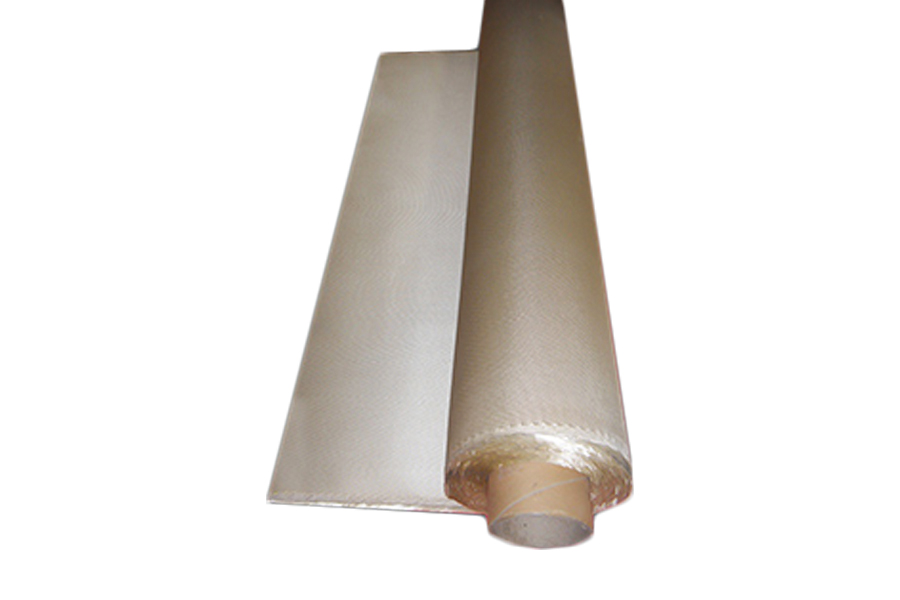
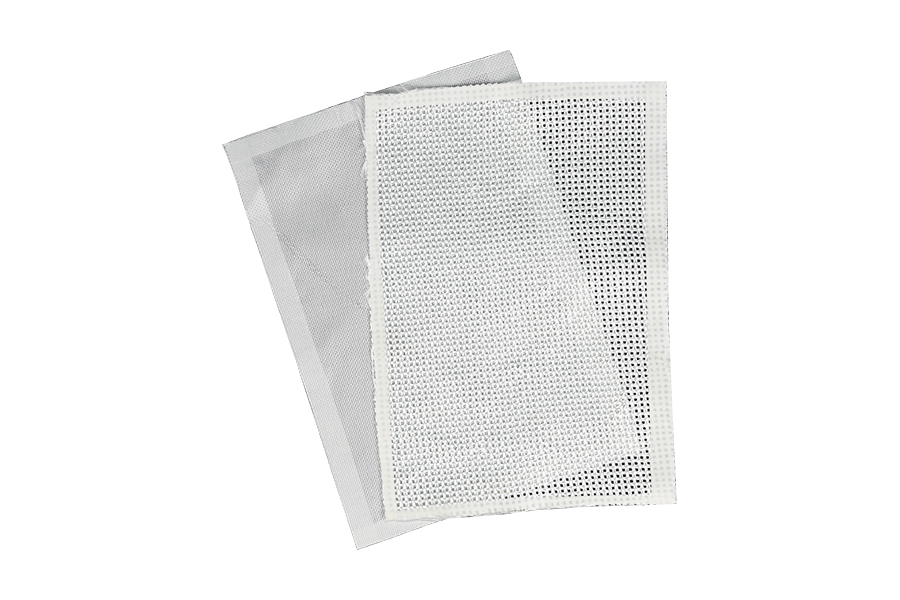
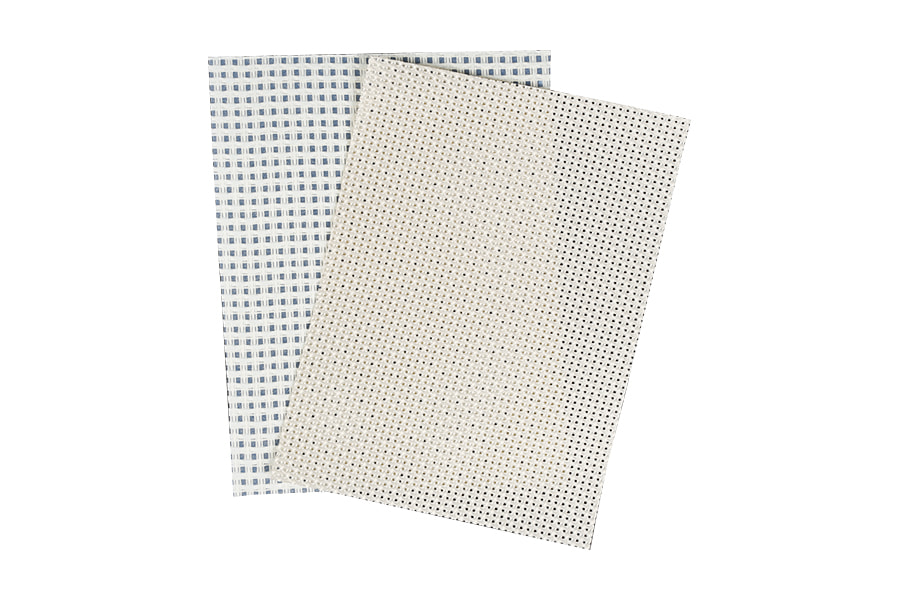

High Areal Weight Glass Fiber Cloth
High Areal Weight Glass Fiber Cloth is a glass fiber reinforcement textile designed for composite structures that require a substantial amount of reinforcement material per unit area. Its fabric weight, yarn arrangement, thickness and fiber orientation influence laminate build-up, resin demand and the mechanical characteristics of the finished component. Product selection should be based on the intended composite process and structural requirements rather than fabric weight alone.
Fabric Weight and Composite Build-Up
Areal weight refers to the mass of fabric over a defined surface area and is commonly expressed in grams per square meter (g/m² or GSM). A higher areal weight means that more reinforcement material is present in each unit of fabric area. In composite manufacturing, this affects the amount of glass fiber introduced in each layer and contributes to the overall laminate design.
High areal weight glass fiber cloth can be supplied in different constructions, including woven fabrics and stitched reinforcement structures, depending on the product specification. Woven options use interlaced warp and weft yarns, while stitched structures can arrange reinforcement fibers in selected directions without conventional interlacing. The appropriate construction depends on load direction, forming requirements, resin system and production method.
For industrial buyers, the specification should identify the required fiber type, target GSM, fabric width, thickness, construction and surface treatment. These details help determine whether the material is suitable for the intended production line and finished composite component.
Core Advantages
Fabric characteristics should be evaluated as part of the complete composite system, including resin, tooling and curing conditions.
Greater Fiber Content per Layer
A higher areal weight introduces more glass fiber into a given surface area, supporting laminate designs that require substantial reinforcement in each layer.
Laminate Thickness Planning
Fabric weight and construction provide useful inputs when calculating the number of reinforcement layers and the target thickness of a composite laminate.
Directional Reinforcement Options
Different woven or stitched arrangements allow designers to select fiber orientations according to the load paths of the finished component.
Adaptation to Industrial Processes
Fabric construction and sizing can be evaluated for processes such as hand lay-up, vacuum infusion or other compatible composite manufacturing methods.
Material Specification Control
Defined GSM, width, construction and tolerance requirements help buyers establish incoming inspection criteria for repeat orders.
Application-Based Configuration
Fiber type, yarn size, weave pattern and surface treatment can be assessed together to match the intended composite design.
Construction Variables That Define the Fabric
High areal weight is one specification within a broader fabric design. Two fabrics with similar GSM values may behave differently during handling, impregnation and curing because their yarn systems, weave patterns and fiber orientations are not necessarily the same.
E-glass and other specified glass fiber types can be considered according to the required electrical, thermal, chemical or mechanical characteristics. The fiber grade should be confirmed against the application requirements.
Yarn size, roving arrangement and filament characteristics influence fabric density, surface profile, handling behavior and reinforcement distribution.
Plain, twill and other woven constructions provide different levels of stability, drape and surface characteristics. The selected pattern should suit the geometry and forming requirements of the component.
Multiaxial or other stitched structures can place reinforcement fibers in specified directions. Stitching material and stitch density should be included in the product specification.
The sizing or surface treatment affects fiber handling and the interface between glass reinforcement and resin. Compatibility should be checked with the selected epoxy, polyester, vinyl ester or other resin system.
Fabric width, roll length, thickness, GSM tolerance and packaging requirements should be defined before production to support downstream processing and material planning.
Applications of High Areal Weight Glass Fiber Cloth
High areal weight reinforcement is considered in composite projects where the laminate design calls for a relatively large quantity of glass fiber per layer. The final suitability depends on structural calculations, part geometry, resin selection and the production process.
Used as reinforcement in selected hull, deck, bulkhead and other fiberglass composite components where the laminate schedule specifies heavier reinforcement layers.
Can be evaluated for structural composite parts that require defined fiber orientations and controlled reinforcement distribution.
Applicable to selected composite housings, panels, covers and equipment structures designed around glass fiber reinforcement.
Used in specified composite body panels, structural covers and other molded components for transportation equipment.
Can be considered for fiberglass-reinforced profiles, panels and other composite products where the reinforcement design requires a higher fabric mass.
Manufacturing and Supply Capabilities
For repeat industrial orders, product consistency depends on controlling the material inputs and verifying the finished fabric against agreed specifications. The following checkpoints can be used when establishing a supply specification.
Confirm glass fiber type, yarn or roving specification, sizing requirements and intended resin compatibility.
Define target GSM, construction, fiber orientation, width and other dimensional requirements.
Agree on inspection methods and acceptance tolerances for areal weight, width, appearance and relevant physical properties.
Confirm roll dimensions, protective packaging, labeling and shipment documentation according to the purchase order.
Information B2B Buyers Should Confirm
When sourcing high areal weight glass fiber cloth, buyers should provide more than a target GSM value. A complete technical brief helps suppliers assess the requested construction and identify potential differences between the specified material and the intended production process.
For composite applications, resin uptake and impregnation behavior are important considerations. A heavier or denser fabric may require adjustments to resin quantity, wet-out time, vacuum conditions or handling procedures. These factors should be evaluated through the actual production process rather than assumed from areal weight alone.
Buyers developing a new component should also provide drawings, laminate schedules or sample materials when available. These references can help align the fabric specification with the part's geometry, reinforcement direction and manufacturing method.
Recommended RFQ Details
- Required areal weight and acceptable tolerance
- Glass fiber type and yarn or roving specification
- Woven, unidirectional or multiaxial construction
- Warp and weft or directional fiber requirements
- Fabric width, roll length and thickness requirements
- Resin type and sizing compatibility
- Intended process, such as lay-up or infusion
- Required inspection records and test methods
- Order quantity, packaging and delivery destination
Frequently Asked Questions
These answers address common technical and purchasing questions about heavier glass fiber reinforcement fabrics.
What does high areal weight mean in glass fiber cloth?
High areal weight means that the fabric has a relatively large mass per unit area, usually measured in grams per square meter (GSM). It indicates the amount of fabric material in a defined area, but it does not independently establish tensile strength, stiffness or finished laminate performance.
Does higher GSM always mean higher tensile strength?
No. Tensile performance also depends on glass fiber type, yarn properties, fiber orientation, weave or stitching structure, and test direction. Resin impregnation and curing conditions further influence the properties of the finished composite.
What is the difference between heavy woven cloth and stitched glass fiber fabric?
Woven cloth uses interlaced warp and weft yarns, while stitched reinforcement fabrics hold laid fibers in selected orientations with stitching yarn. Their drape, fiber alignment, handling and impregnation characteristics differ, so the selection should reflect the component design and composite process.
Which resin systems can be used with high areal weight glass fiber cloth?
Depending on the fiber sizing and product specification, glass fiber reinforcement may be designed for epoxy, polyester, vinyl ester or other resin systems. Compatibility should be confirmed for the exact fabric and resin combination before production.
Can high areal weight glass fiber cloth be used for vacuum infusion?
Some woven and stitched glass fiber reinforcements are suitable for vacuum infusion. However, fabric permeability, thickness, fiber architecture, resin viscosity and the required flow distance affect infusion performance. A process trial or supplier technical assessment is recommended.
What specifications should be included in a purchase order?
A purchase order should state the target GSM and tolerance, glass fiber type, fabric construction, width, roll length, thickness where applicable, sizing or resin compatibility, inspection requirements and packaging details. Sample approval and agreed test methods can also help maintain consistency between shipments.
Can the fabric be supplied in different widths or constructions?
Available widths and constructions depend on the supplier's production equipment and material range. Buyers should provide the required dimensions, fiber orientation and fabric structure for confirmation before placing a bulk order.