

 English
 中文简体
中文简体
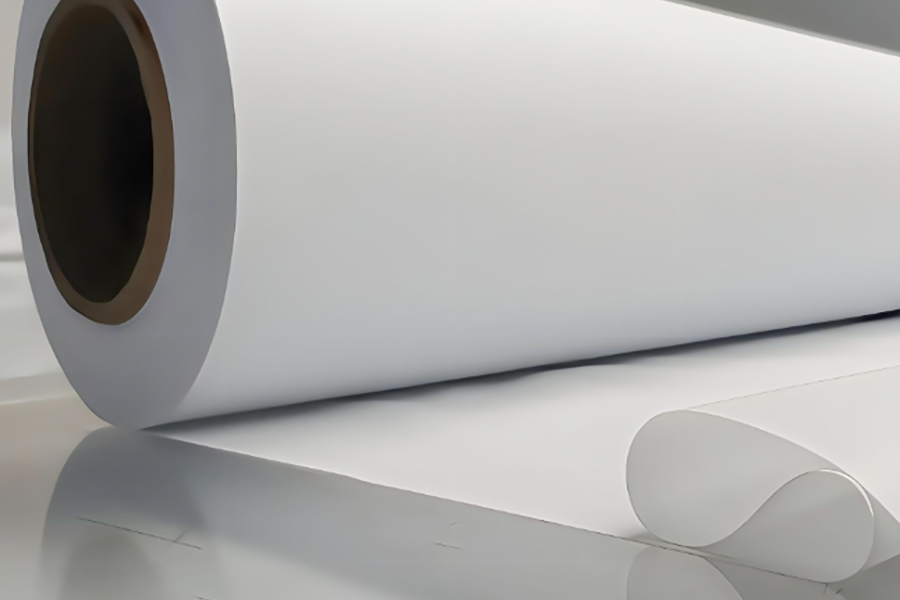
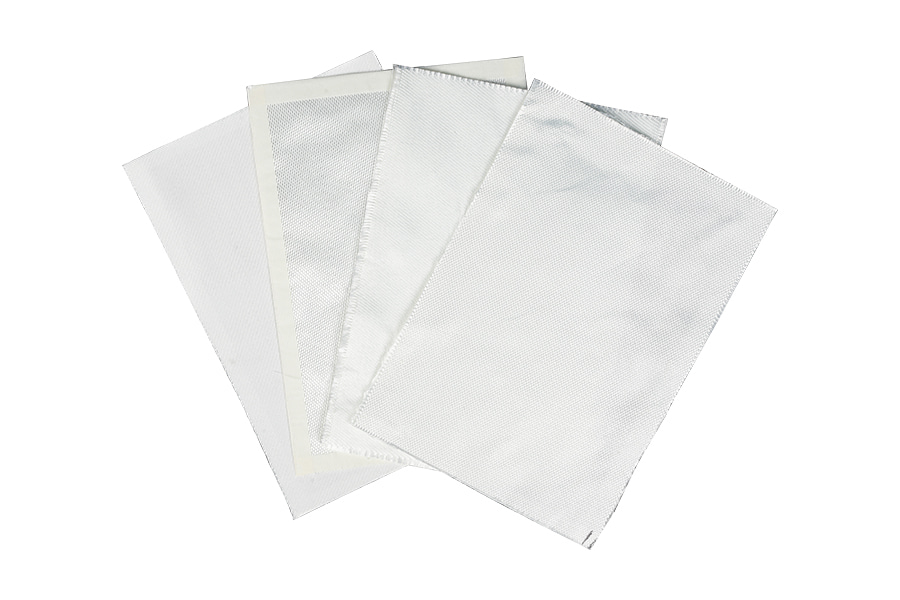
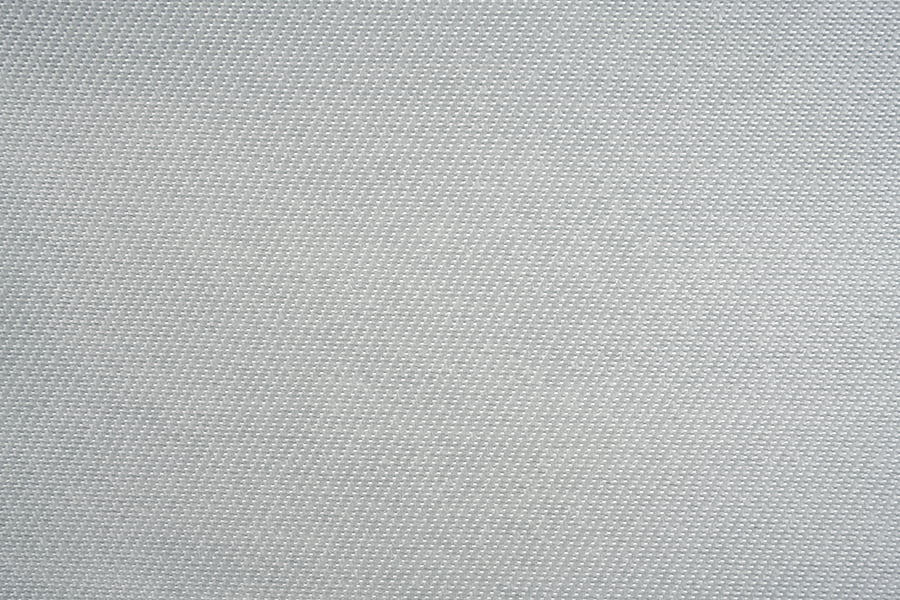
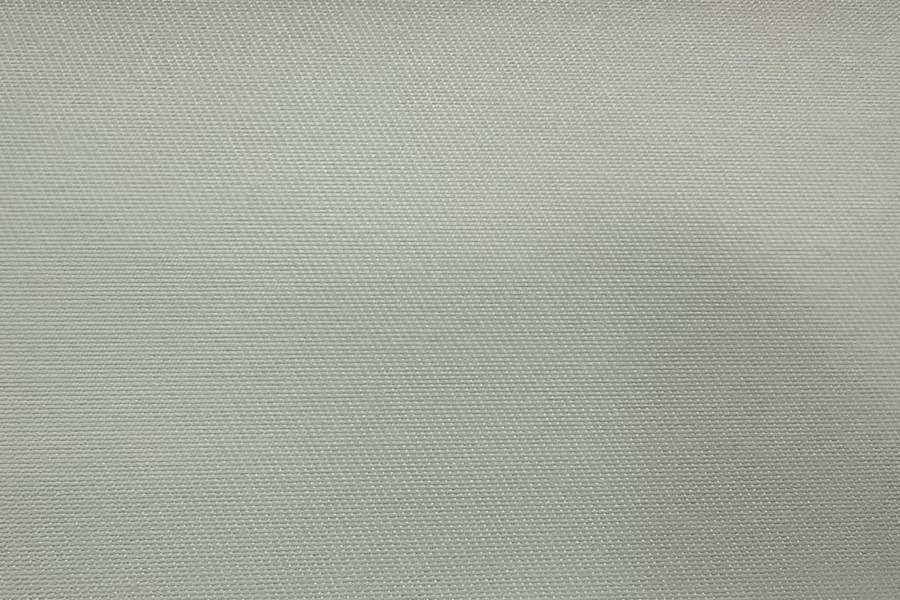
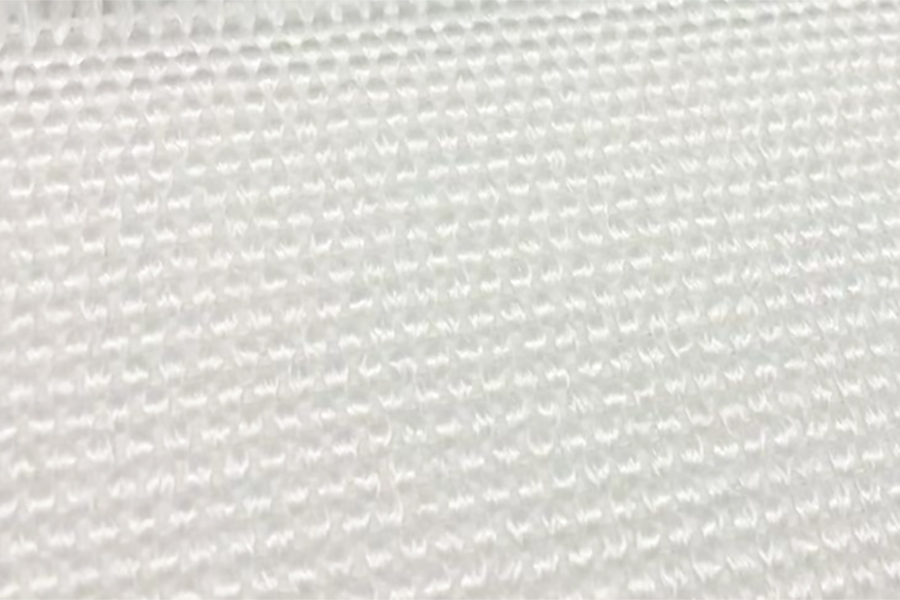
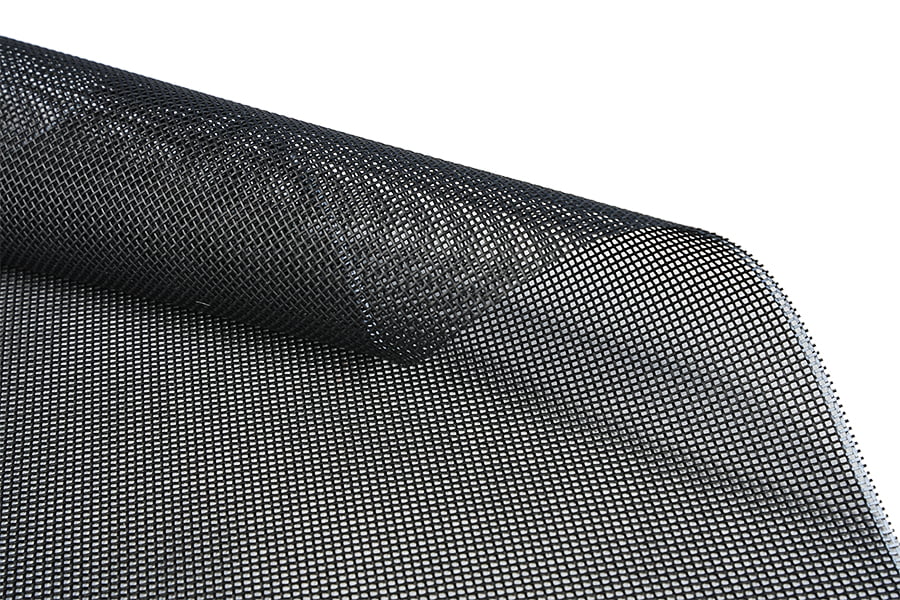
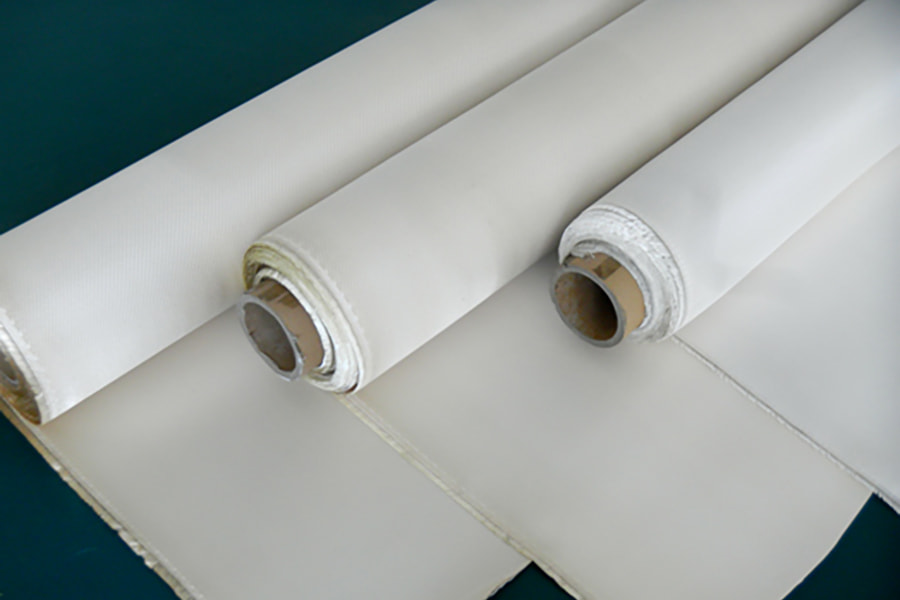
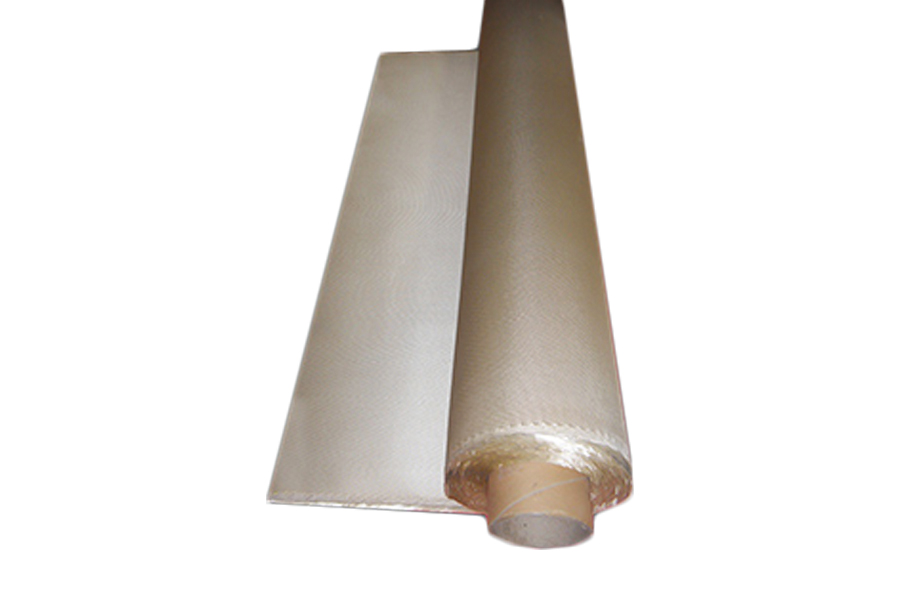
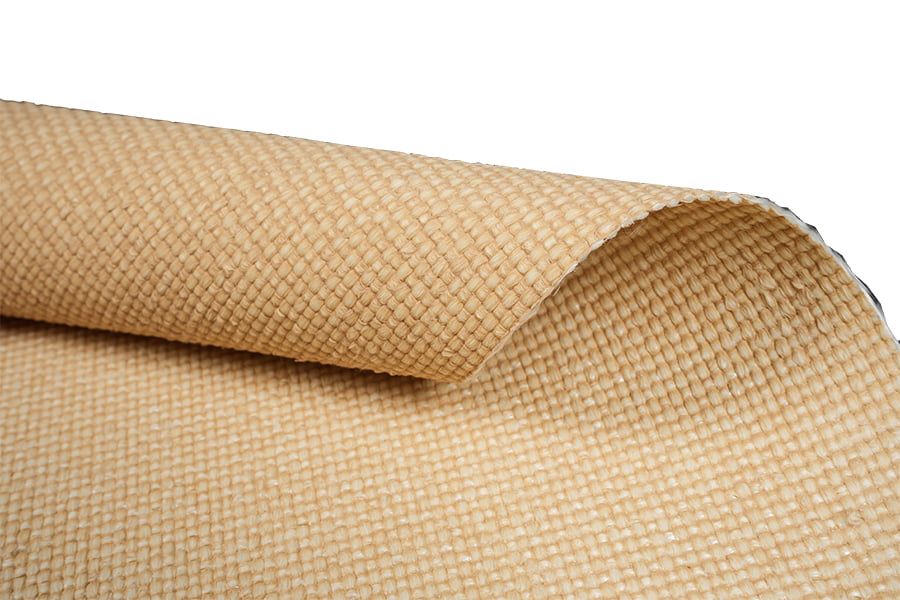
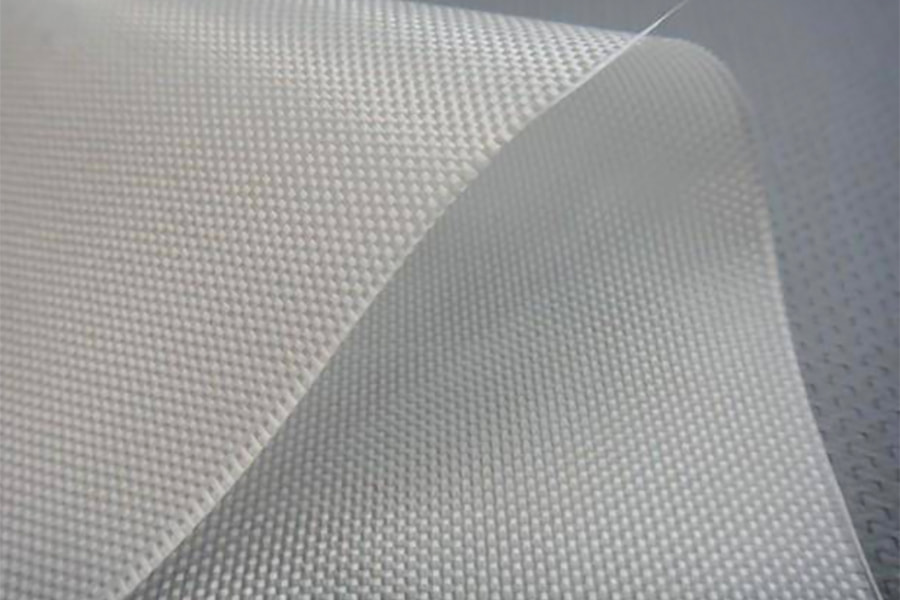
heavyweight glass fiber cloth
Fewer Lay-up Cycles
High areal weight per ply reduces the total number of layers required to reach a target laminate thickness. This translates directly into reduced cutting, kitting, and lay-up labor per part, and supports tighter production schedules in large structural fabrication.
Thick Section Buildup
Heavyweight fabric supports rapid buildup of thick laminate sections without excessive ply stacking. This improves ply-to-ply alignment and reduces the risk of resin-rich zones between layers in thick laminates.
Impact and Wear Resistance
High fiber mass per unit area improves impact energy absorption and wear resistance in the finished laminate, making the fabric suitable for structural panels, protective housings, and wear-facing surfaces.
Cost Efficiency at Scale
Fewer plies per part and reduced lay-up labor lower production cost per unit thickness. The fabric is optimized for cost-sensitive structural applications where thickness control is not the primary design driver.
Supply Specification
Qualified Application Segments
Production Notes
Heavyweight fabric resists edge fraying but requires heavy-duty shears or CNC cutting systems. Water-jet cutting is preferred for production volumes to control edge deformation.
Low drapeability compared with lighter fabrics. For compound curves, use bias orientation or narrower ply widths to reduce bridging. Plan ply geometry to suit the part shape before cutting.
Resin flow through heavyweight fabric is slower than lighter weight constructions. For vacuum infusion, use low-viscosity resin (100 to 200 cP) and debulk every two plies to control bulk factor.
Store rolls horizontally at 15 to 30°C and 40 to 60 percent RH. Keep rolls wrapped to protect the fabric from moisture and contamination. Shelf life is 36 months in original packaging.
Procurement and Engineering FAQ
Heavyweight cloth delivers higher absolute tensile and flexural strength per ply than standard weight cloth due to the higher fiber mass per unit area. However, properties per unit weight are comparable. The primary advantage of heavyweight cloth is fewer plies required for a given laminate thickness, which reduces labor and ply-to-ply alignment risk. Standard weight cloth is preferred where drapeability or surface finish is the priority.
Yes, but resin flow management is critical. Heavyweight fabric has lower permeability than lighter weight cloth, so use low-viscosity resin (100 to 200 cP at 25°C), apply a flow medium on the top surface, and verify fill time on trial panels before production. For thick laminates, debulk every two plies to maintain even compaction.
Standard MOQ is 500 kg per width and weight specification. Stock widths of 1000 mm and 1270 mm in the 600 to 900 g/m² range ship from inventory within 5 to 10 business days. Heavier weights and custom widths typically require 3 to 5 weeks depending on order volume.
Yes. Heavyweight cloth is commonly used in hand lay-up where thick sections are built up. The fabric wets out more slowly than lighter weight cloth, so use a grooved roller to remove trapped air and ensure complete resin penetration. Apply resin in multiple passes to avoid dry spots in thick sections.
Each shipment includes a certificate of analysis covering areal weight, thickness, weave configuration, sizing system, and roll length. Lot numbers are recorded for traceability. Additional test data including tensile strength, flexural modulus, and resin compatibility statements can be provided on request for qualified accounts.