


 English
 中文简体
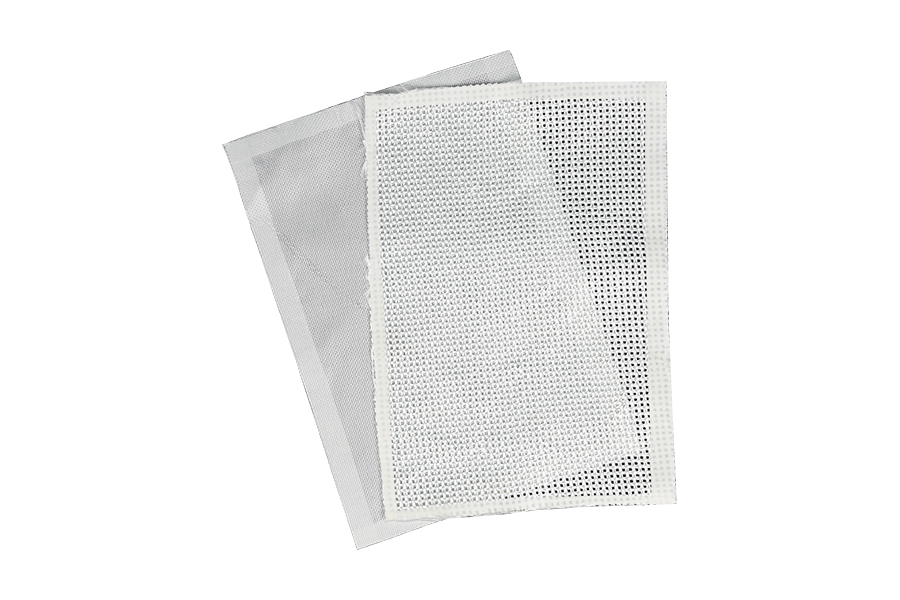

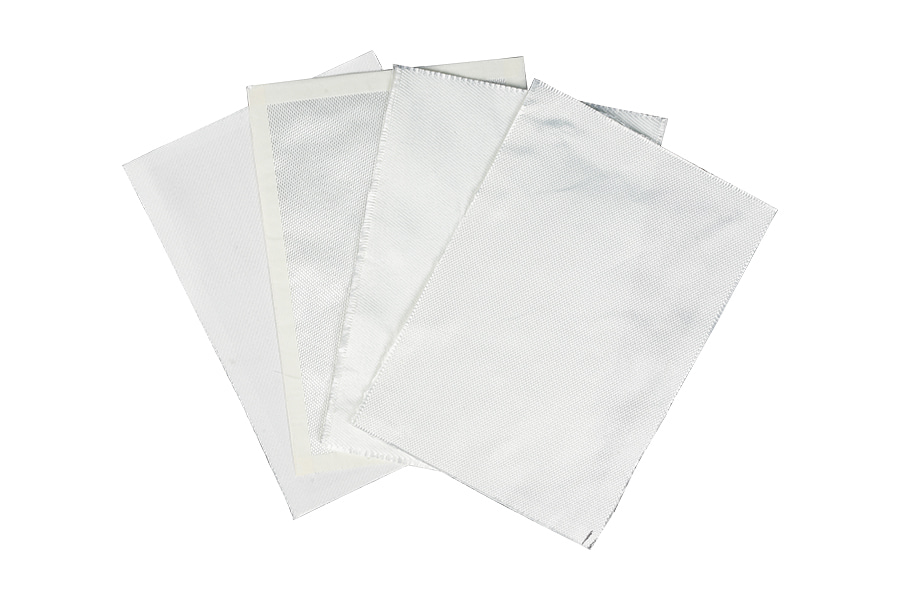


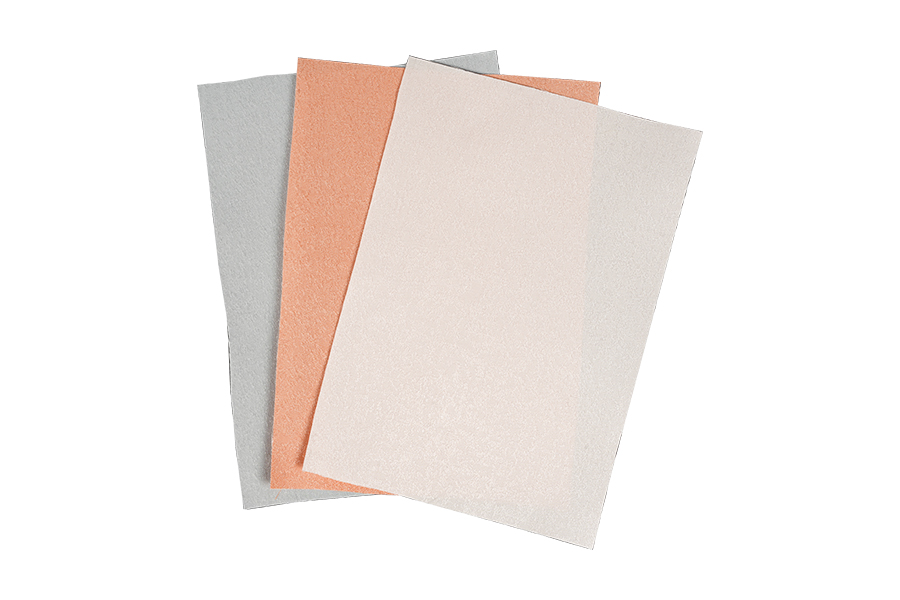
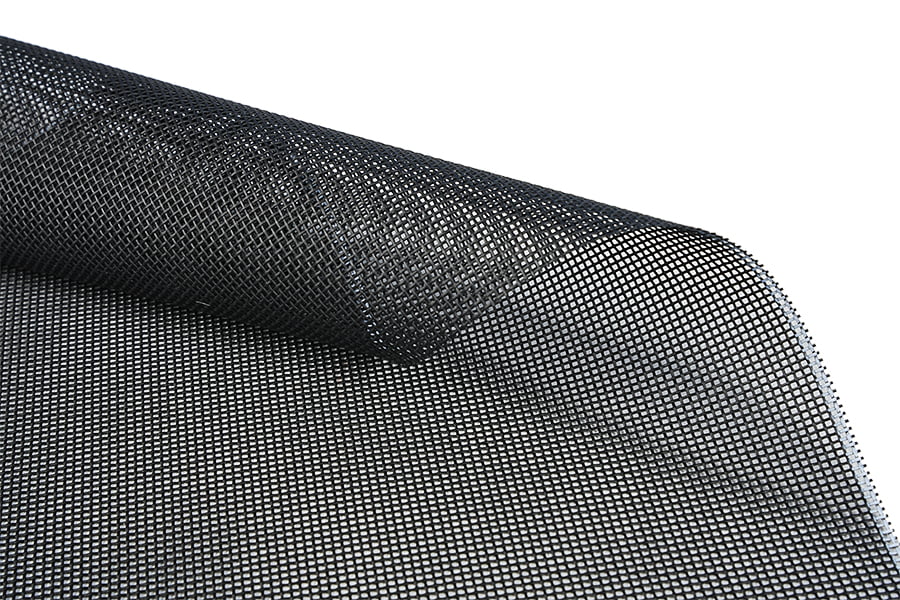
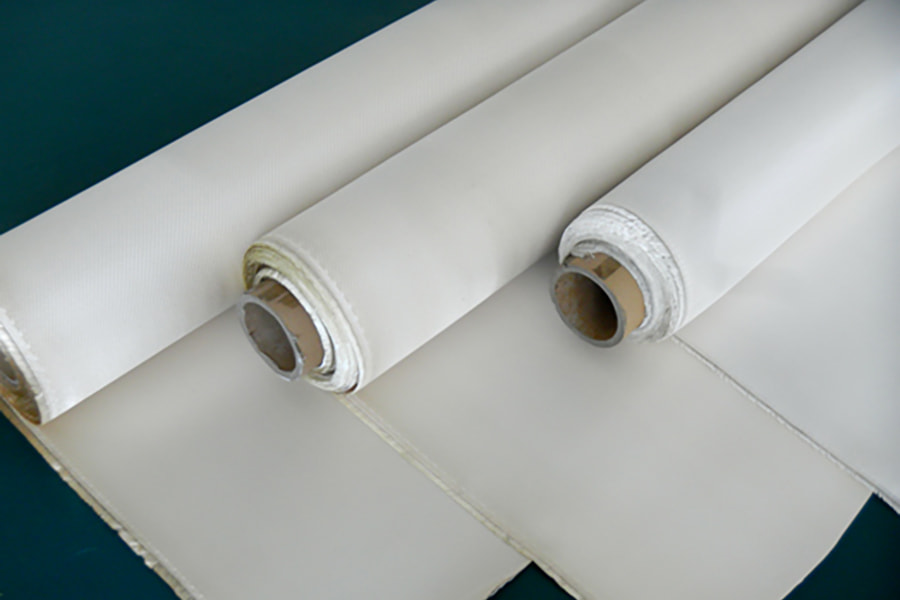
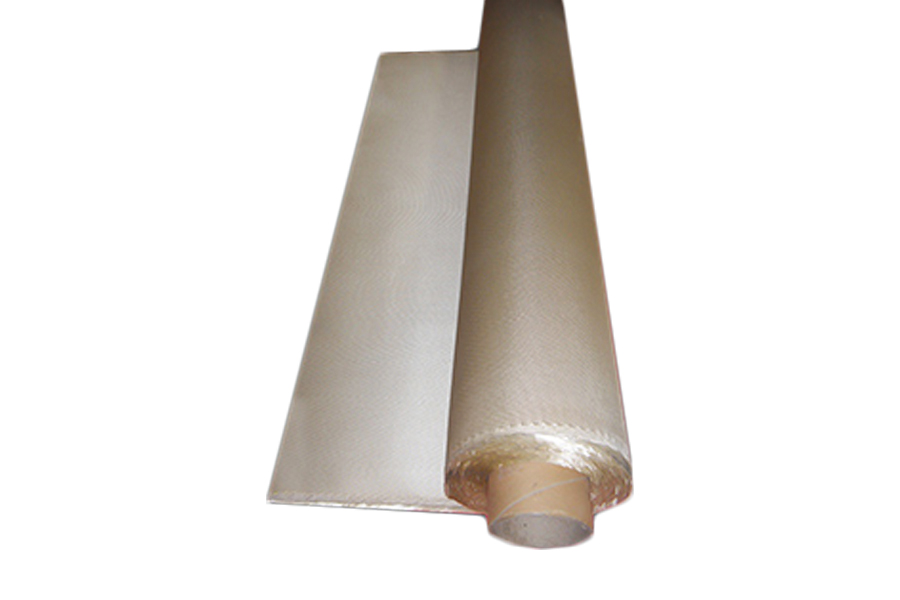
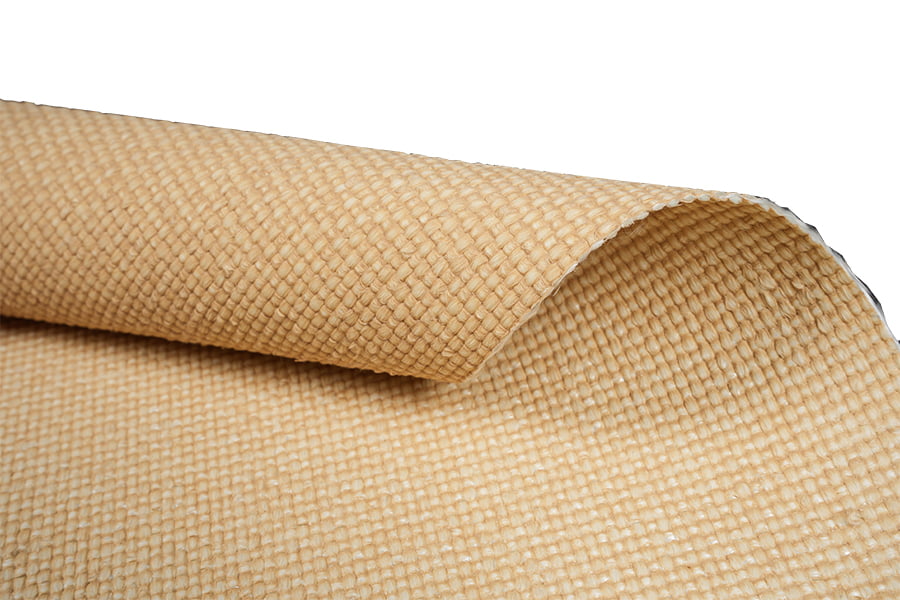
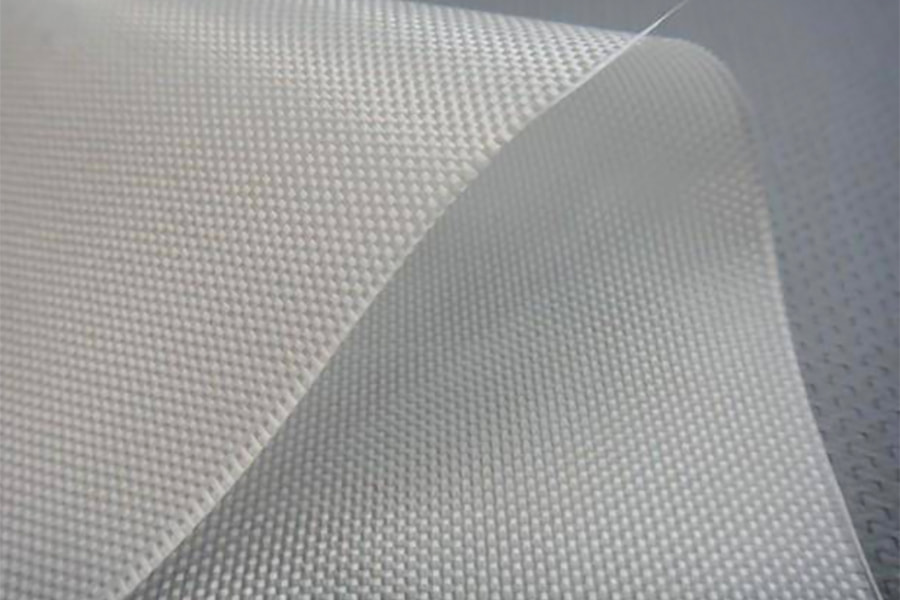
Wide Width Glass Fiber Cloth
Wide-format woven fiberglass reinforcement fabric for large-area composite manufacturing, industrial fabrication, and structural reinforcement applications.
Product Introduction
Wide Width Glass Fiber Cloth is a woven reinforcement fabric manufactured from continuous glass fiber yarns, with a wider fabric construction designed to cover larger surface areas during composite manufacturing and industrial reinforcement processes. Compared with conventional-width fiberglass fabrics, its expanded width can reduce the number of fabric joints, minimize overlapping operations, and improve material coverage across large components.
The cloth is suitable for applications involving composite laminating, resin reinforcement, industrial insulation, and large-area structural fabrication, depending on its weave pattern, yarn specifications, fabric weight, and surface treatment. It can be incorporated into fiberglass-reinforced plastic (FRP) products and other composite structures where consistent fiber distribution and dimensional coverage are required.
For industrial buyers, wide width glass fiber cloth provides flexibility in material planning for large molds, panels, tanks, equipment housings, and continuous production processes. Fabric width, weight, weave construction, and roll specifications can be evaluated according to the processing equipment and end-product requirements.
Core Advantages
Reduced Fabric Joint Requirements
The wider fabric format allows larger sections to be covered with fewer individual fabric pieces. This can reduce overlapping work, simplify material placement, and support more consistent reinforcement layouts in large composite structures.
Adaptability to Different Composite Processes
Depending on fabric construction and surface treatment, the material can be selected for resin impregnation, hand lay-up, and other compatible fiberglass composite manufacturing processes.
Flexible Fabric Specifications
Fabric width, weight, weave pattern, and yarn configuration can be considered according to the requirements of different industrial applications. This gives manufacturers greater flexibility when selecting reinforcement materials for specific products.
Consistent Reinforcement Distribution
The woven glass fiber structure provides reinforcement in two fabric directions. The actual mechanical characteristics depend on yarn type, weave density, fabric weight, and processing conditions.
Material Planning for Large Components
Wide-format rolls can help reduce the number of material transitions when manufacturing large panels, tanks, equipment covers, and other composite products.
Bulk Supply Coordination
For industrial procurement, roll dimensions, packaging specifications, and production requirements can be discussed before order confirmation to support material planning and repeat purchasing.
Product Features
Wide Fabric Construction
The fabric is produced in a wider format than conventional fiberglass cloth. The available maximum width and dimensional tolerances need to be confirmed according to the manufacturer's production specifications.
Woven Glass Fiber Structure
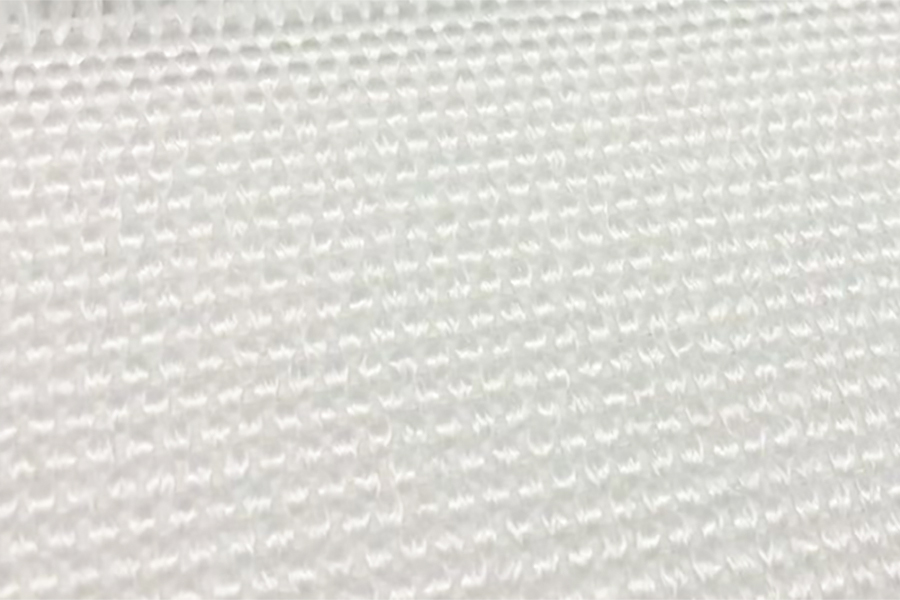
Continuous glass fiber yarns are interlaced to form a stable textile structure. The weave construction influences fabric handling, resin penetration, and reinforcement characteristics.
Multiple Weave Options
Plain weave, twill weave, or other available constructions may be selected according to the required flexibility, surface appearance, and composite processing method. Actual availability should be confirmed.
Adjustable Fabric Weight
Fabric weight is an important selection parameter affecting reinforcement content, handling characteristics, and the number of fabric layers required in a composite structure. Available GSM specifications require confirmation.
Glass Fiber Yarn Configuration
Yarn type and arrangement influence tensile behavior, fabric density, and compatibility with different resin systems. Specific yarn specifications should be selected according to application requirements.
Resin Compatibility
The cloth can be used with compatible resin systems in fiberglass composite manufacturing. Resin selection and surface treatment should be evaluated together to achieve the required impregnation and bonding behavior.
Roll-Based Packaging
The material can be supplied in roll form for storage, transportation, and industrial processing. Roll length, core diameter, protective packaging, and labeling can be discussed according to order requirements.
Applications
Large FRP Panels and Composite Sheets
Wide width glass fiber cloth can be used as reinforcement in the production of fiberglass panels, composite sheets, and large flat components. Its wider format can reduce fabric joints during lay-up operations.
Fiberglass Tanks and Chemical Equipment
In FRP tank manufacturing and industrial equipment fabrication, the cloth can be incorporated into laminate structures to provide fiber reinforcement. Fabric selection depends on the resin system, chemical environment, and structural design.
Marine Composite Manufacturing
The material can be considered for fiberglass boat components, hull sections, interior structures, and other marine composite parts. Weave construction and fabric weight should match the required laminate design.
Industrial Equipment Enclosures
Large composite equipment housings, protective covers, and structural panels may use wide fiberglass reinforcement to simplify material placement across larger surfaces.
Wind Energy Composite Components
Depending on the required fabric specifications and engineering design, glass fiber cloth may be incorporated into selected composite components used in wind energy equipment manufacturing.
Continuous Composite Production
Manufacturers producing repeated or large-format composite components can evaluate wide-width rolls for material handling and production-line integration, subject to equipment compatibility.
Manufacturing and Supply Capabilities
Wide width glass fiber cloth production involves several interconnected manufacturing considerations, including glass fiber yarn preparation, weaving, fabric inspection, finishing where applicable, and roll packaging.
Fabric Width Configuration
The required fabric width should be determined according to the dimensions of the finished composite component, available processing equipment, and material handling conditions. Maximum production width and width tolerance should be confirmed before ordering.
Weaving Process
The weaving construction determines how warp and weft yarns are arranged. Plain weave, twill weave, and other available structures can be evaluated based on fabric stability, flexibility, and composite processing requirements.
Material Specification Adjustment
Buyers can discuss requirements for fabric weight, yarn type, weave construction, and surface treatment. The available adjustment range depends on actual manufacturing capabilities and production specifications.
Production Inspection
Relevant inspection items may include fabric width, roll length, surface condition, visible defects, fabric weight, and construction consistency. Specific inspection standards and acceptance criteria should be agreed upon before mass production.
Roll Packaging and Order Preparation
Packaging arrangements can be determined according to roll dimensions, transportation methods, storage conditions, and export requirements. Batch identification and product labeling can also be discussed.
Repeat Order Management
For recurring procurement, maintaining consistent fabric specifications and documenting approved samples can help reduce specification deviations between production batches.
B2B Buyer Considerations
Fabric Width and Processing Equipment Compatibility
Buyers should confirm the actual fabric width required by their molds, cutting tables, laminating equipment, or production lines. Maximum roll width, usable width, and dimensional tolerance are important purchasing details.
Fabric Weight and Weave Selection
GSM and weave pattern influence reinforcement distribution, handling, and resin impregnation. Buyers should provide the intended application and laminate requirements when requesting product recommendations.
Resin System and Surface Treatment
Different resin systems may require different glass fiber sizing or surface treatments. Compatibility should be evaluated before placing bulk orders, particularly for specialized composite manufacturing.
Sample Evaluation and Quality Inspection
Before mass purchasing, buyers can discuss sample availability and confirm fabric construction, weight, width, surface condition, and processing behavior. Inspection requirements should be defined in advance.
MOQ, Lead Time, and Export Packaging
Minimum order quantity, production lead time, roll dimensions, and export packaging depend on the selected specifications and order volume. These details should be confirmed during quotation and order planning.
Frequently Asked Questions
Find practical information about fabric specifications, material compatibility, production arrangements, and industrial procurement.
What is the difference between wide width glass fiber cloth and standard fiberglass cloth?
The main difference is the fabric width. Wide width glass fiber cloth covers a larger surface area per roll, which can reduce the number of fabric joints and overlapping sections during composite lay-up. This can simplify material placement when manufacturing large panels, tanks, and other composite structures. The actual benefits depend on component dimensions and production methods.
How should I select the appropriate fabric width?
Fabric width should be selected according to the dimensions of the finished component, mold size, cutting equipment, and material handling conditions. Buyers should also consider edge trimming, overlap requirements, and the usable width after processing. Confirming maximum available width and dimensional tolerance with the manufacturer is important before ordering.
What fabric weight and weave patterns are available?
Available specifications depend on the manufacturer's production range. Common selection factors include fabric weight in GSM, yarn configuration, and weave construction, such as plain or twill weave. Buyers should provide their reinforcement requirements and composite manufacturing process to identify suitable specifications.
Can wide width glass fiber cloth be used with different resin systems?
The cloth can be used with compatible resin systems in fiberglass composite manufacturing. However, resin compatibility depends on the glass fiber sizing, surface treatment, and resin chemistry. Buyers should confirm the resin type and processing conditions before selecting a fabric specification.
Can the fabric width, weight, or weave structure be customized?
Fabric specifications may be adjustable depending on the manufacturer's weaving equipment and production capabilities. Customization requirements can include fabric width, weight, yarn configuration, and weave pattern. Buyers should provide target specifications and estimated order quantities for a feasibility assessment.
How can buyers evaluate the fabric before placing a bulk order?
Buyers should evaluate fabric width, GSM, weave consistency, surface condition, roll dimensions, and compatibility with their intended resin system. Sample testing under actual production conditions can help verify material handling, impregnation behavior, and laminate performance before approving mass production.
What factors affect the production lead time?
Lead time depends on fabric width, weight, weave construction, yarn availability, finishing requirements, order quantity, and production scheduling. Non-standard specifications may require additional preparation or production adjustments. Buyers should confirm the delivery schedule when finalizing the technical specification and purchase order.
How should wide width glass fiber cloth be packaged for export?
The cloth is generally prepared in roll form, with protective packaging selected according to roll dimensions, transportation conditions, and storage requirements. Buyers should confirm roll length, core diameter, outer protection, moisture protection requirements, and labeling information before shipment.