


 English
 中文简体
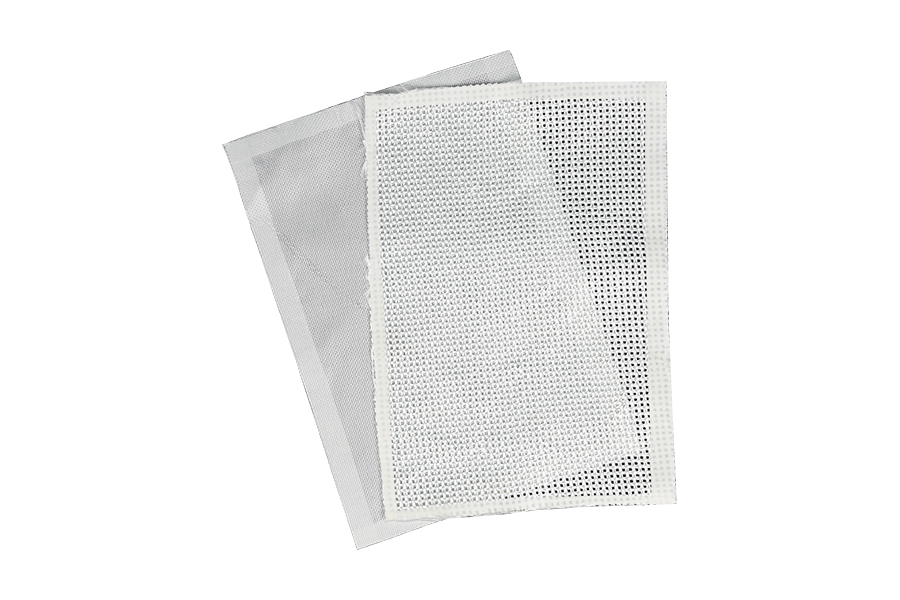
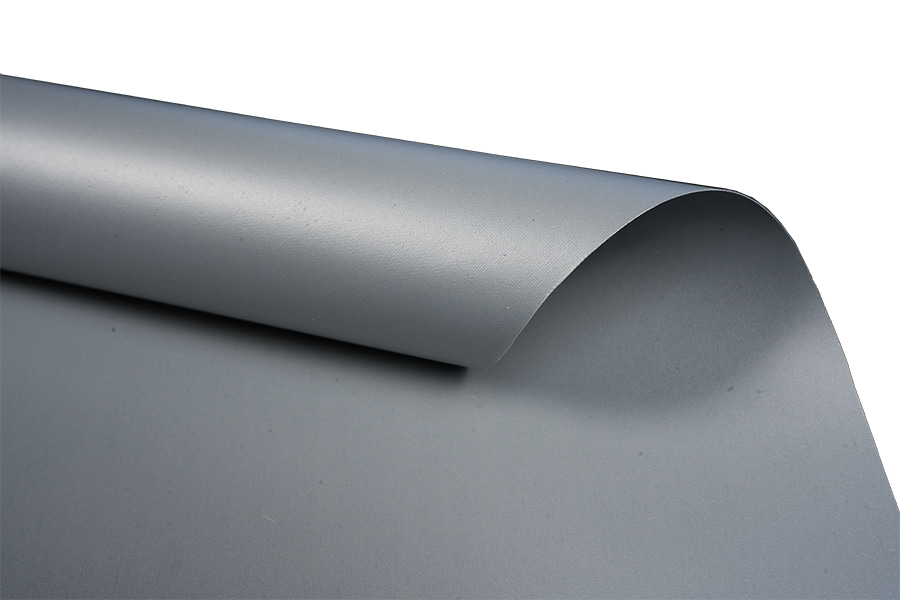
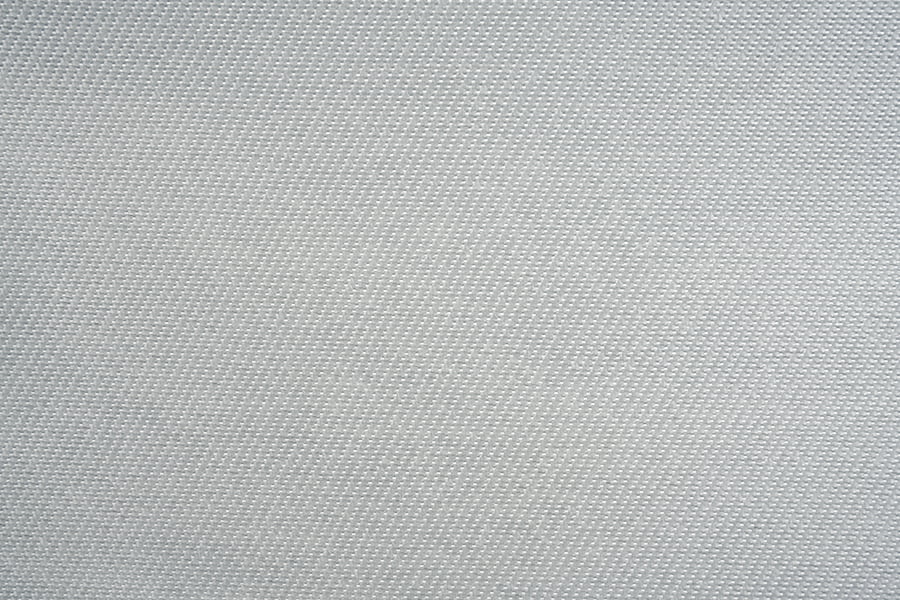
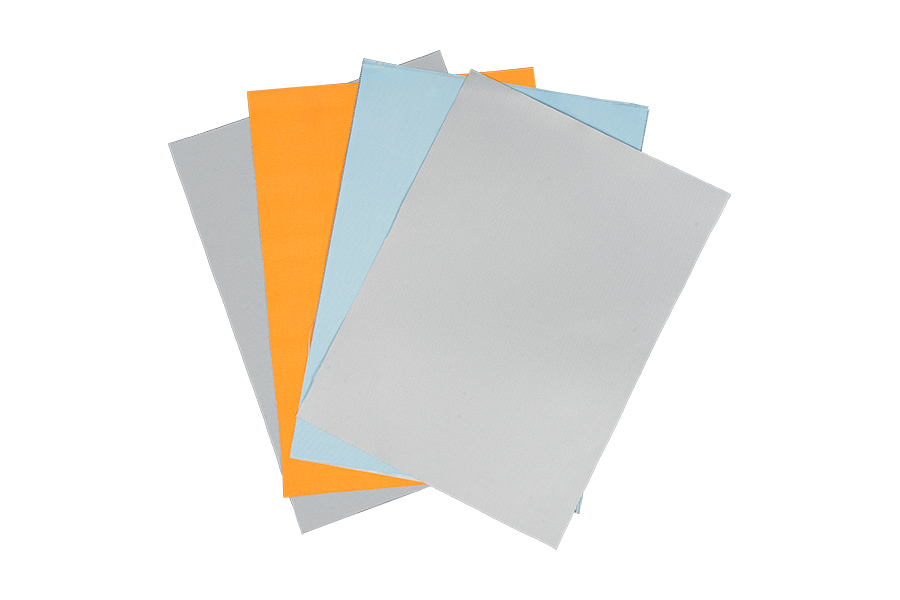
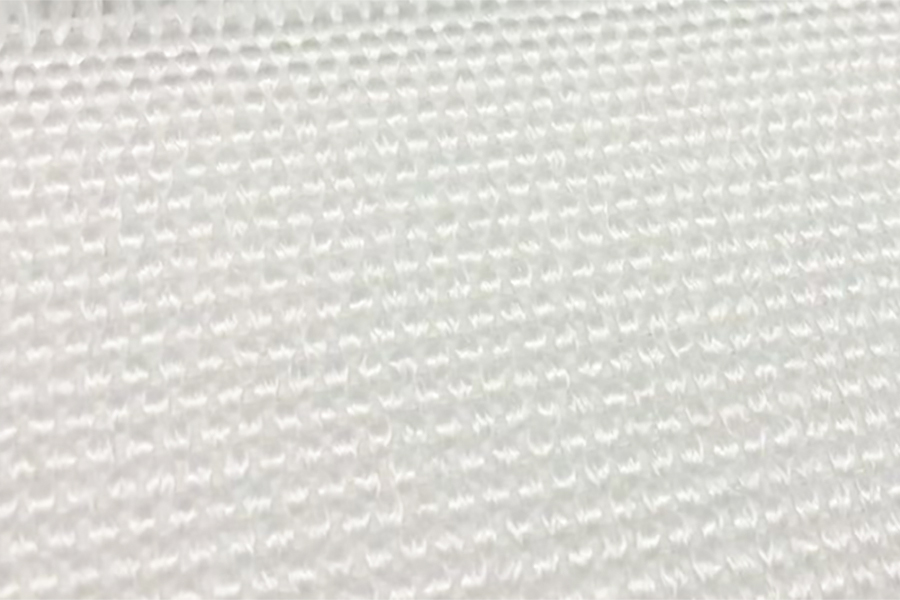
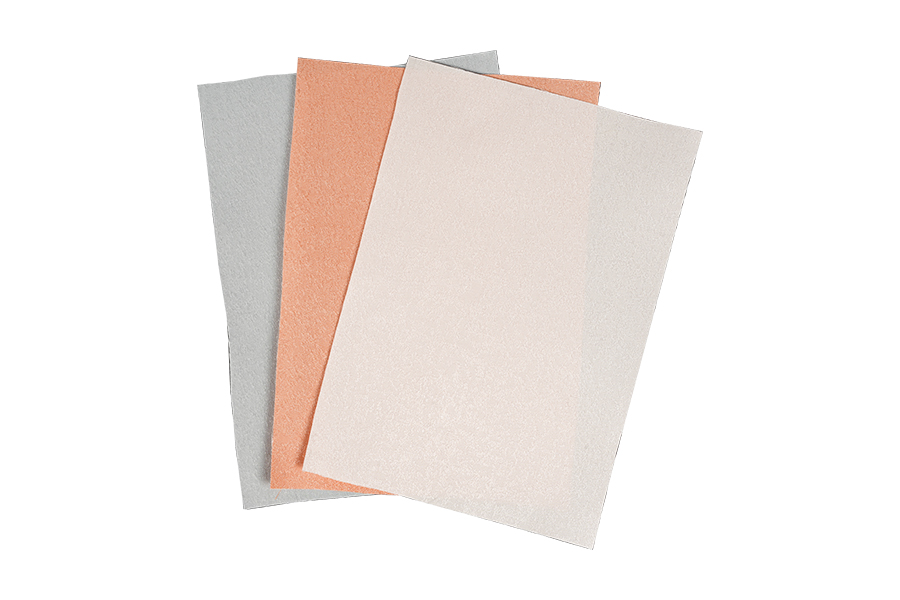
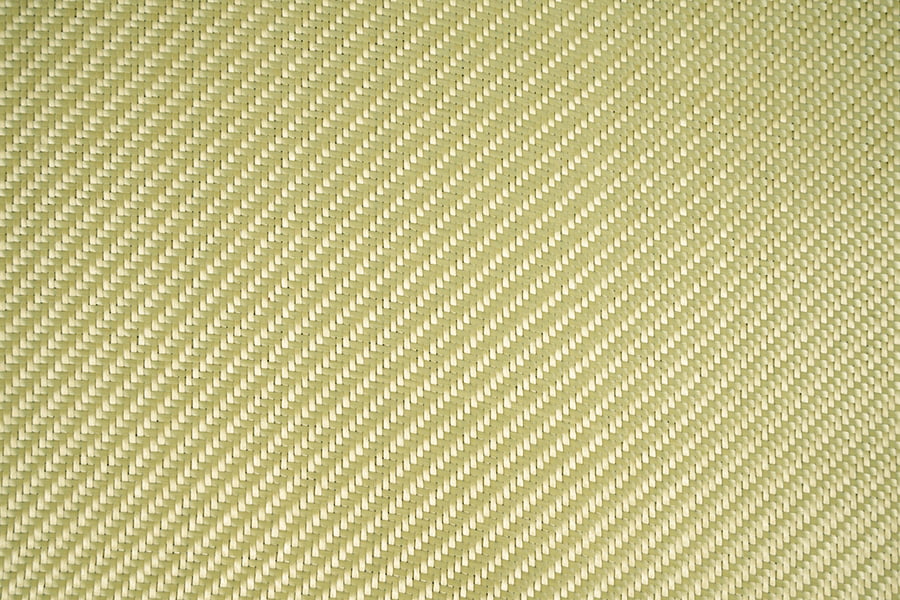
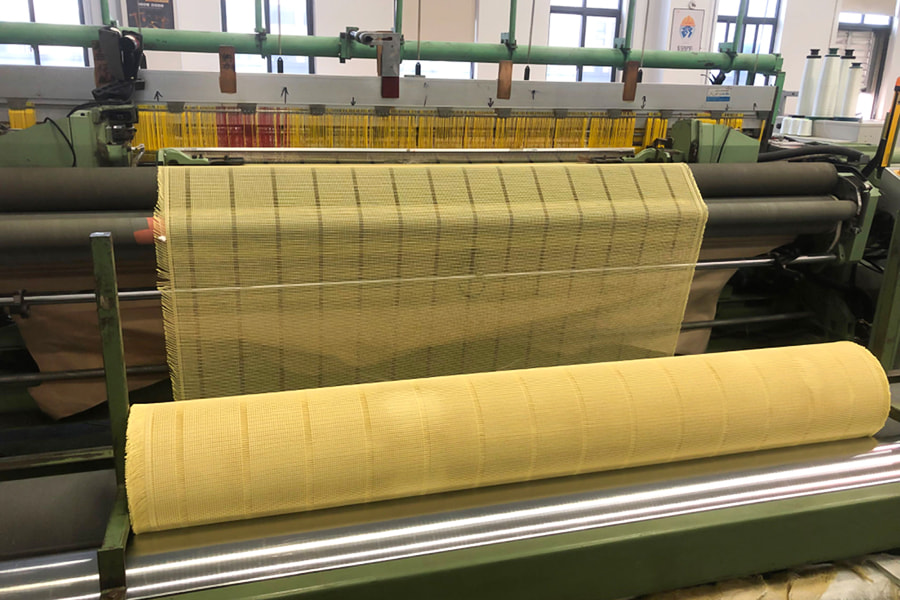
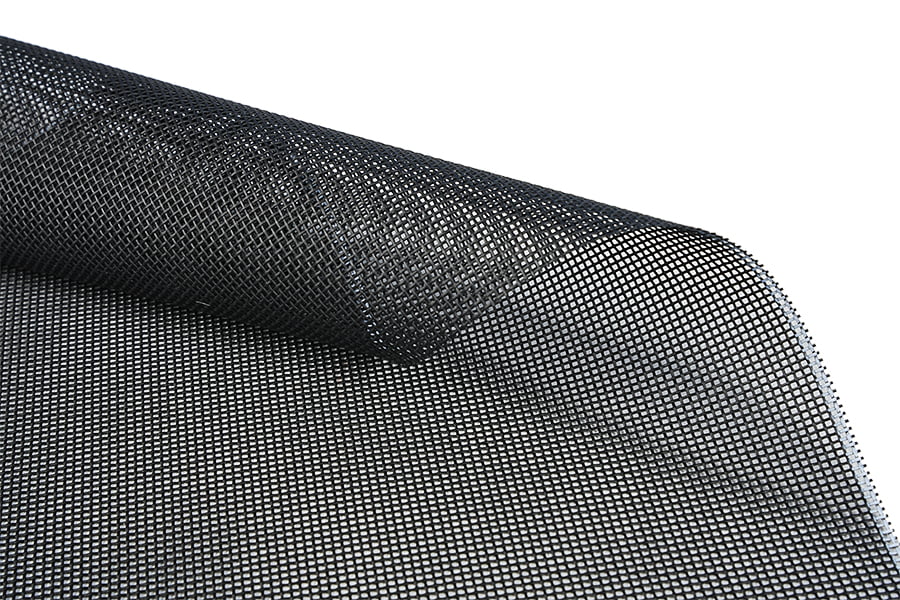
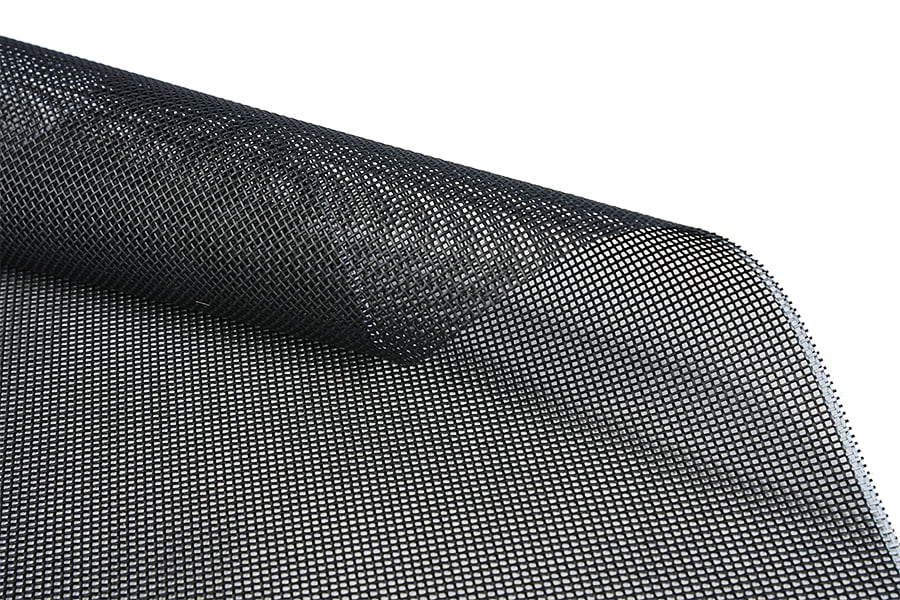
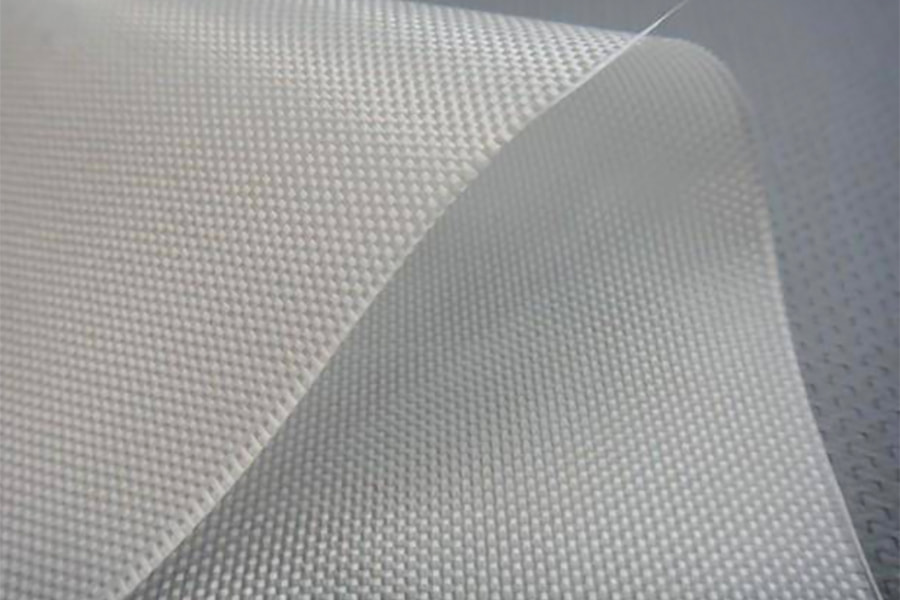

Fiberglass Base Cloth for Acrylic Coating
Fiberglass Base Cloth for Acrylic Coating is a woven glass fiber substrate used to manufacture acrylic-coated fabrics and reinforced composite materials. The base cloth provides dimensional support and tensile reinforcement, while the acrylic coating forms the outer layer required for the finished material's surface appearance, flexibility, weather resistance, or other application-specific properties.
The interaction between the fabric construction and coating formulation affects coating penetration, surface coverage, adhesion, flexibility, and finished thickness. Yarn arrangement, weave pattern, fabric weight, thickness, and surface treatment should therefore be considered during material selection. For manufacturers processing acrylic-coated fiberglass fabrics, the base cloth must also be compatible with coating equipment, drying conditions, and subsequent converting operations.
Different specifications can be evaluated according to the intended product structure, coating method, and operating environment. Buyers should define both the substrate requirements and finished-fabric performance targets before confirming a material specification.
The woven glass fiber base cloth reinforces the coated fabric. Coating properties are determined by the selected acrylic formulation and processing conditions.
What Determines the Suitability of Fiberglass Base Cloth?
Base cloth selection should start with the physical structure required by the finished coated material. The following fabric characteristics influence processing behavior and the performance of the final construction.
Yarn Arrangement
Warp and weft yarn density affect fabric stability, surface regularity, and reinforcement distribution. Consistent yarn positioning helps maintain predictable coating conditions.
Fabric Weight
Base cloth weight contributes to the finished fabric's reinforcement level and overall construction. It should be selected alongside coating add-on and target thickness.
Weave Density
The spacing between yarns influences coating penetration, fabric openness, and the balance between surface coverage and reinforcement.
Surface Compatibility
Glass fiber sizing and surface condition can influence the interaction between the substrate and acrylic coating. Compatibility should be confirmed through testing.
Woven Structures for Acrylic Coated Fiberglass Fabrics
Different weave constructions provide different combinations of fabric stability, flexibility, and surface characteristics. The appropriate structure depends on coating equipment, finished material requirements, and the way the coated fabric will be handled or installed.
Plain weave is frequently considered where a regular interlacing pattern is required. Other constructions can be evaluated when specific flexibility, texture, or mechanical behavior is needed. Actual suitability should be established through coating trials rather than determined by weave name alone.
Plain Weave
Warp and weft yarns interlace alternately, forming a regular structure. This construction can support consistent fabric handling and coating-line tension control.
Twill Weave
The interlacing pattern creates diagonal lines across the fabric surface. It can be assessed where a different balance of drape and handling characteristics is required.
Open Woven Construction
Greater spacing between yarns changes the available openings for coating penetration. Coating viscosity and application settings must be matched to the fabric geometry.
Denser Woven Construction
A closer yarn arrangement changes the exposed substrate area and the coating interface. It can be evaluated for coated fabrics requiring a more compact reinforcement structure.
Interaction Between Fiberglass Cloth and Acrylic Coating
Acrylic coating performance depends on the formulation, substrate surface, application method, and drying or curing conditions. The base cloth should be evaluated for coating wetting, penetration, adhesion, and dimensional behavior throughout the production process.
Wetting and Penetration
The coating must spread across the fabric and interact with the yarn structure at the intended application level. Fabric openings, yarn arrangement, and coating viscosity affect penetration and coating distribution.
Adhesion and Surface Treatment
Glass fiber sizing and surface condition influence the coating interface. The compatibility of the sizing with the acrylic formulation should be verified to reduce the risk of poor bonding or coating separation.
Drying and Dimensional Control
Drying conditions affect film formation and moisture removal. Fabric tension and temperature control should be managed to limit unwanted dimensional changes during processing.
Finished Surface Formation
Coating thickness, number of application passes, and formulation characteristics influence the finished surface. Inspection should cover coating continuity and appearance across the fabric width.
Not every fiberglass sizing is compatible with every acrylic coating formulation. A trial using the intended coating chemistry and production conditions is recommended before establishing a large-volume supply specification.
From Fiberglass Base Cloth to Acrylic Coated Fabric
The coating manufacturer controls the finished fabric through a sequence of substrate preparation, coating application, drying, and inspection operations. Base cloth consistency provides a stable starting point for these processes.
Fabric Inspection
Check fabric weight, width, weave regularity, roll condition, and visible defects before coating.
Surface Preparation
Review cleanliness and sizing compatibility. Apply any required preparation according to the coating process.
Acrylic Application
Apply the acrylic formulation using the selected coating method and target coating add-on.
Drying and Inspection
Control the drying profile and inspect the finished fabric for coating coverage, dimensions, and appearance.
Key Quality Indicators for Acrylic Coated Fiberglass Fabric
Quality requirements should be defined according to the final application. Testing the base cloth alone does not establish the performance of the finished acrylic-coated fabric.
Evaluate warp and weft tensile strength of the substrate and, where required, the finished coated material.
Assess bonding between the acrylic layer and fiberglass substrate using an agreed test method.
Inspect for uneven application, exposed yarns, pinholes, surface defects, and variations across the roll.
Measure width and length changes after processing or under specified environmental conditions.
Record substrate thickness and total coated-fabric thickness or weight according to the agreed specification.
Check bending, folding, winding, or converting behavior where these operations are relevant to the finished product.
Applications of Acrylic Coated Fiberglass Base Cloth
Acrylic-coated fiberglass fabrics are used in different industrial and construction-related products. The actual application range depends on the coating formulation, fabric construction, and required environmental performance.
Reinforced Coated Fabric Products
The fiberglass base cloth acts as the reinforcement layer in coated fabric constructions. It supports the finished material while the acrylic coating provides the required surface characteristics.
Protective Fabric Materials
Used in selected fabric products requiring a reinforced substrate and an acrylic-coated surface.
Architectural and Construction Fabrics
Can be considered for coated fabric components where dimensional support and specified surface properties are required.
Industrial Covering Materials
Applied in selected covering and protective fabric constructions subject to the coating system's environmental suitability.
Composite and Laminated Components
May be incorporated into specialty coated or laminated structures where glass fiber reinforcement is specified.
Specifications to Confirm with a Fiberglass Base Cloth Supplier
Clear technical information helps align the substrate with the acrylic coating process and the finished product's performance requirements. Buyers can use the following list when preparing an inquiry or comparing material samples.
Glass fiber type and yarn construction
Weave pattern and mesh density
Fabric weight and thickness
Warp and weft yarn density
Fabric width and roll length
Sizing or surface treatment requirements
Coating formulation and application method
Drying temperature and processing conditions
Finished fabric thickness and coating add-on
Mechanical testing and dimensional tolerances
Roll packaging and batch identification
Order quantity and delivery schedule
What B2B Buyers Should Review Before Bulk Purchasing
For recurring production, purchasing decisions should consider more than the nominal fabric weight or weave. A stable supply specification helps reduce material variation and supports repeatable coating operations.
Specification consistency
Confirm agreed tolerances for fabric weight, width, thickness, and construction across production batches.
Sample and process validation
Test samples with the actual acrylic formulation and coating equipment before approving regular supply.
Customization feasibility
Discuss required fabric dimensions, weave structures, yarn arrangements, and surface treatment with the supplier.
Production and delivery planning
Review available production capacity, lead times, roll packaging, inspection records, and repeat-order arrangements.
Fiberglass Base Cloth for Acrylic Coating FAQ
What is fiberglass base cloth for acrylic coating?
It is a woven glass fiber fabric used as the reinforcement substrate for acrylic-coated materials. The cloth provides structural support, while the acrylic layer supplies the surface properties required by the finished product.
Which weave pattern is suitable for acrylic coating?
Plain weave, twill weave, and other woven constructions can be evaluated. Selection depends on fabric stability, coating penetration, flexibility, surface requirements, and the production method. Coating trials help determine the suitable construction.
Does fiberglass base cloth need special sizing for acrylic coating?
Sizing compatibility should be checked against the specific acrylic formulation. Different sizing chemistries can affect wetting and adhesion. A sample coating test is recommended to confirm the substrate's suitability.
How does fabric weight affect the finished coated material?
Fabric weight contributes to the reinforcement level and base thickness. It also affects the overall construction after coating. The final specification should account for coating add-on, target thickness, flexibility, and mechanical requirements.
What quality tests are relevant to acrylic coated fiberglass fabric?
Common evaluation items include tensile strength, coating adhesion, coating uniformity, finished thickness, fabric weight, dimensional stability, and flexibility. Additional tests should be selected according to the end-use environment and customer specification.
Can fiberglass base cloth be supplied in customized specifications?
Customized fabric specifications can be assessed according to the supplier's weaving and finishing capabilities. Buyers should provide the required weave, fabric weight, width, thickness, yarn arrangement, and coating process information for technical review.