


 English
 中文简体
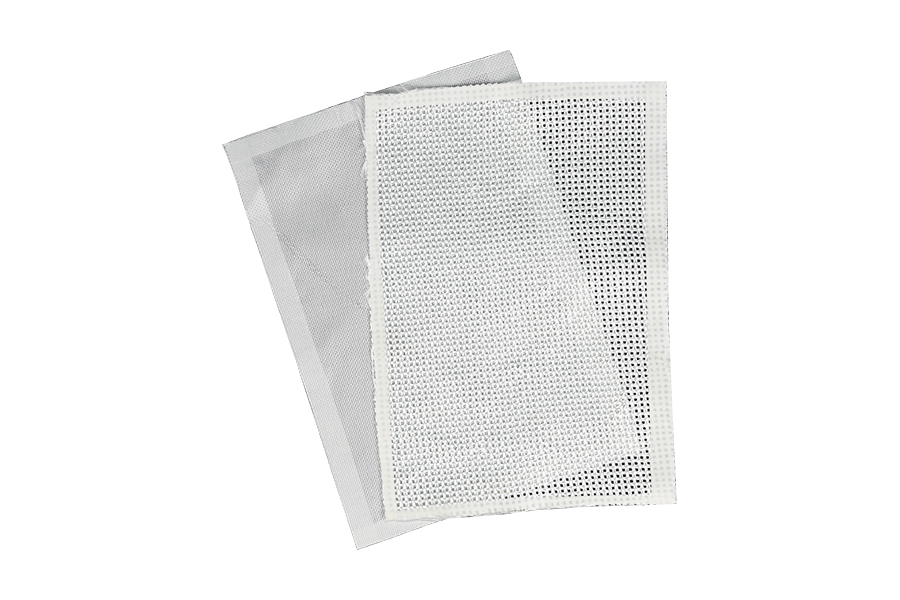
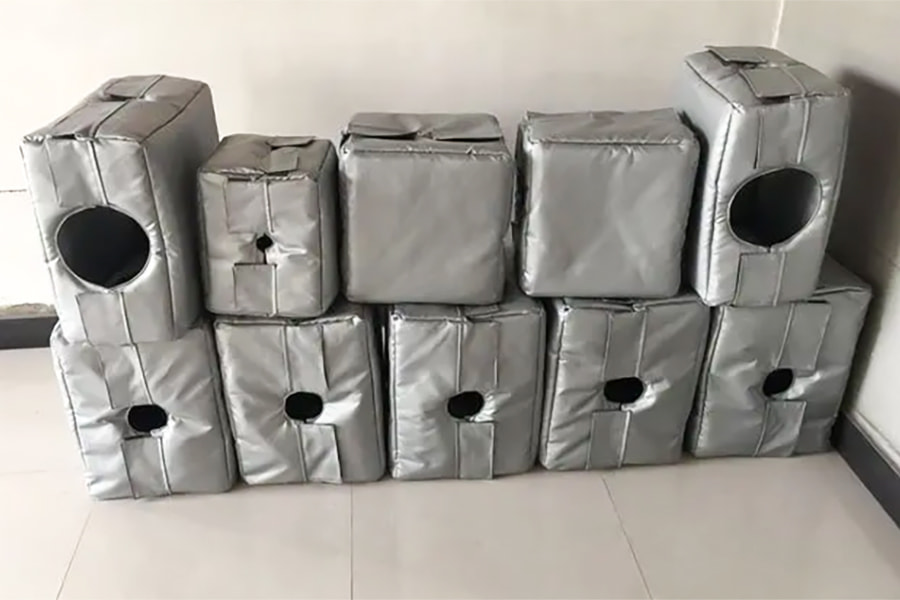
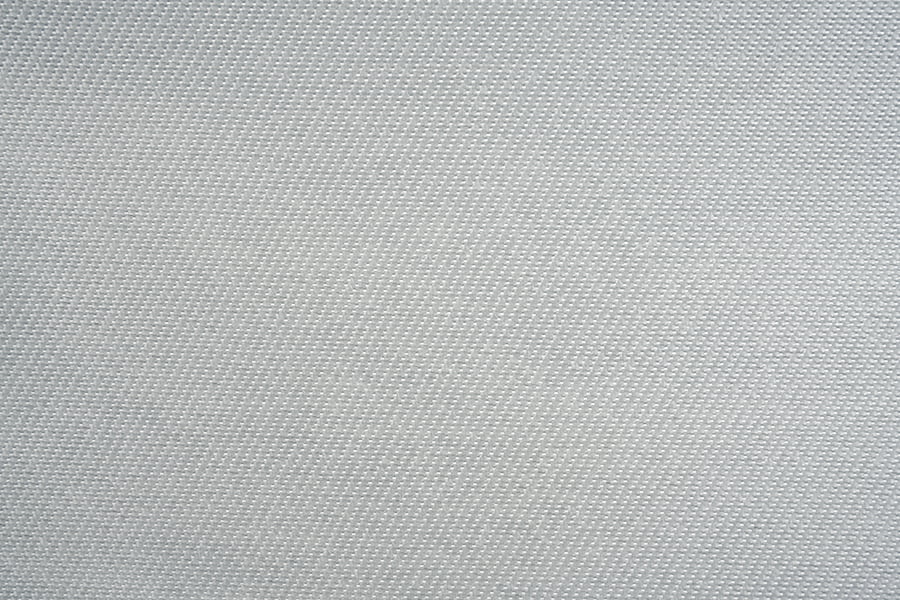
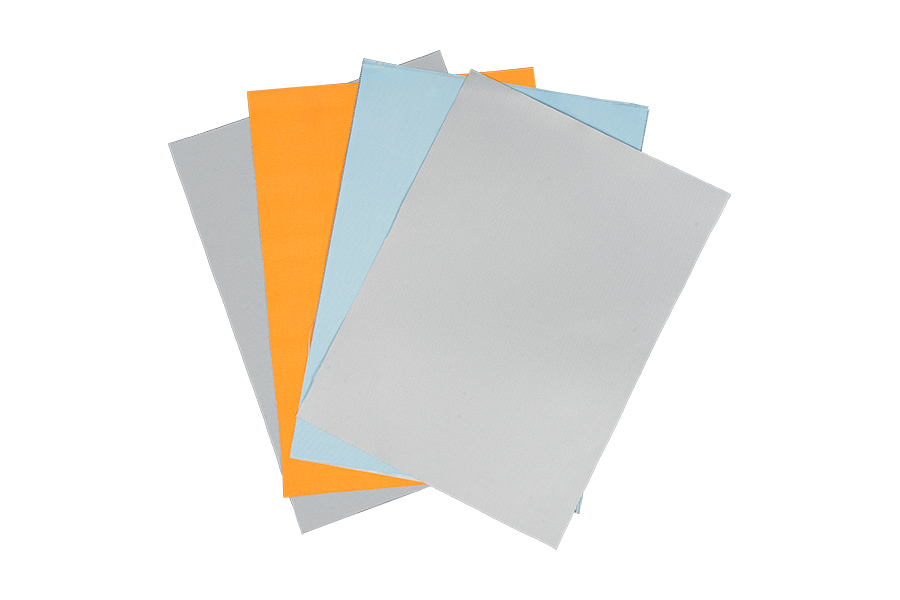
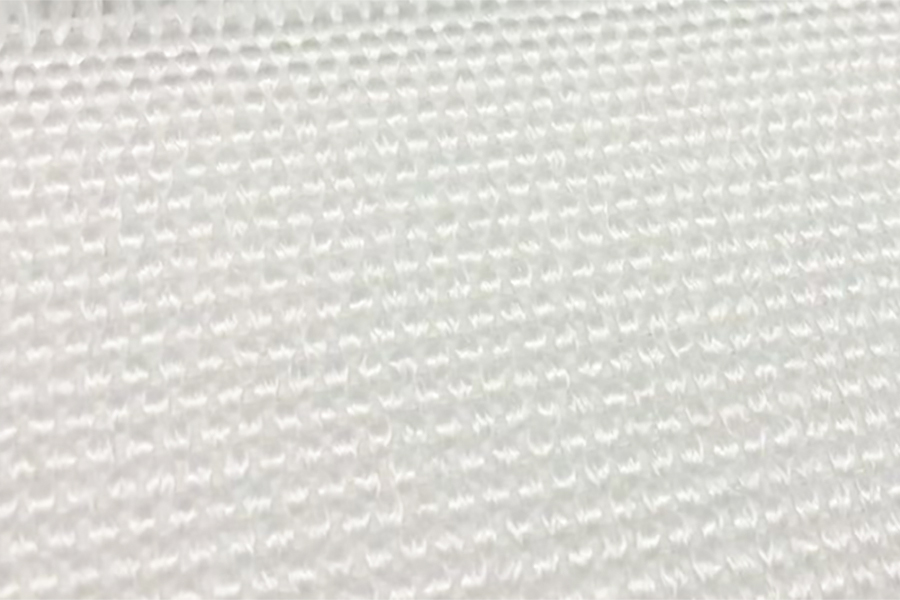
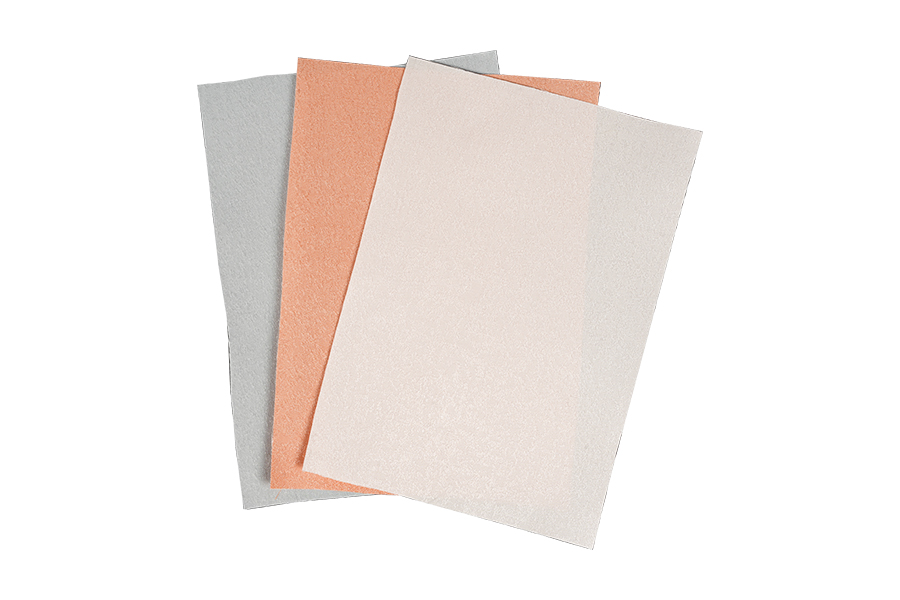
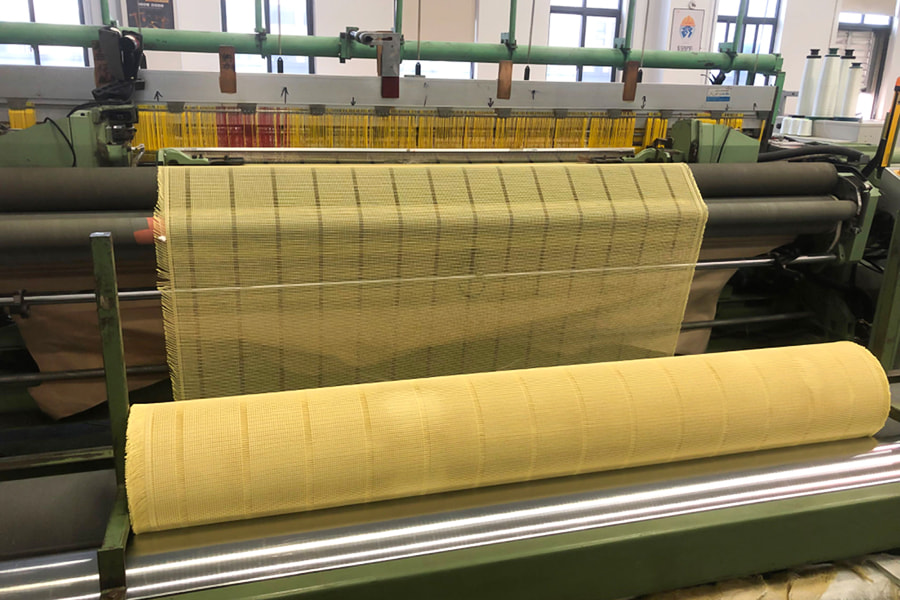
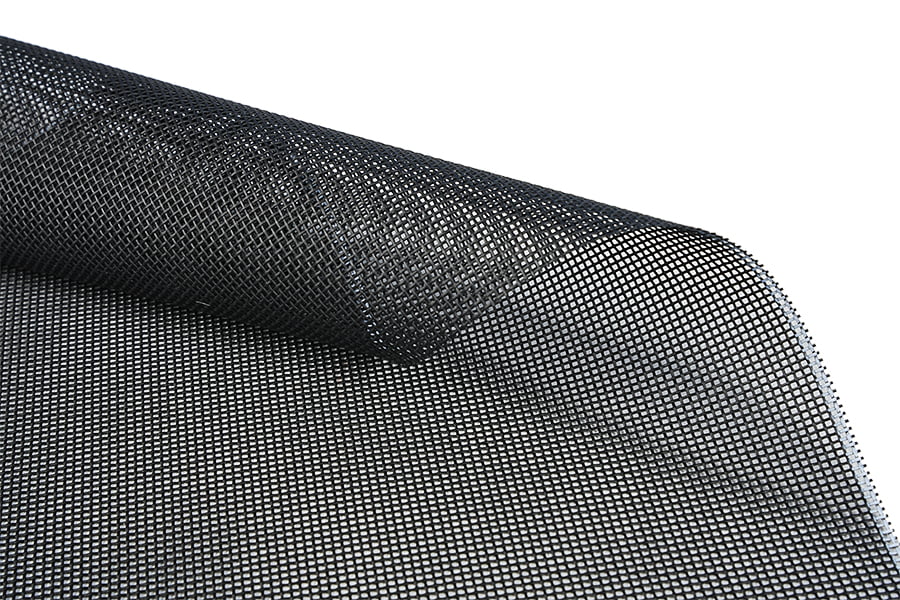
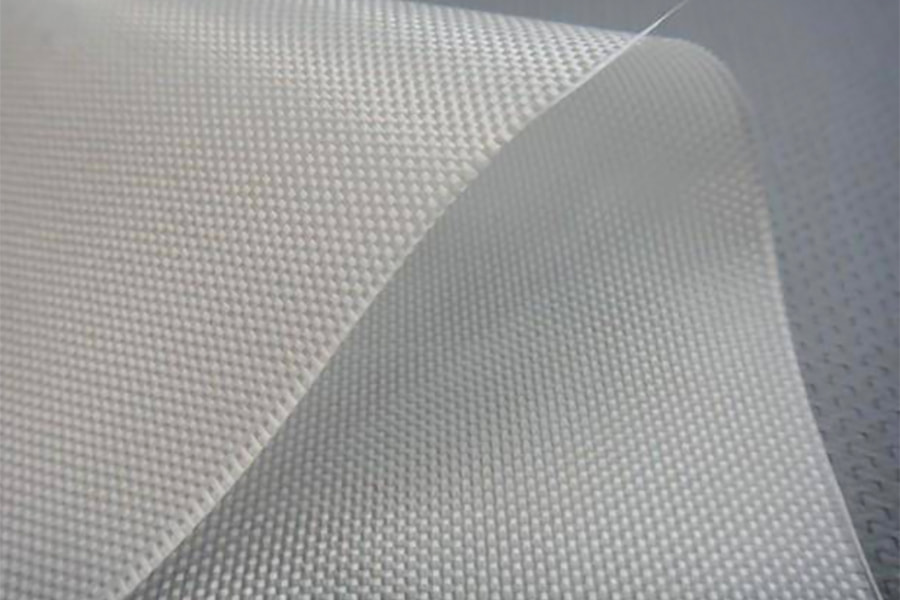

Fiberglass Cloth for Composite Lamination
Fiberglass Cloth for Composite Lamination is a woven glass fiber reinforcement material used to build layered composite structures with resin systems. During lamination, the fabric is arranged in one or more layers and combined with resin to form a consolidated material after curing. The resulting composite structure uses glass fiber reinforcement to support mechanical loads, while the resin matrix binds the layers together and transfers stress throughout the laminate.
Fabric selection affects reinforcement distribution, laminate thickness, layer arrangement and the handling characteristics of the production process. Weave pattern, yarn construction, areal weight, fabric thickness and surface sizing should be considered according to the component design and resin system. Different combinations can be evaluated for flat laminates, molded composite parts, industrial panels and other reinforced structures.
How Fiberglass Cloth Builds a Composite Laminate
Composite lamination involves arranging reinforcement layers and combining them with a resin matrix. The number of fabric plies, fiber orientation, resin content and curing conditions collectively determine the structure and properties of the finished laminate.
Schematic representation only. Actual laminate construction may use different layer counts, orientations, resin distributions and surface configurations.
Fabric Selection According to Laminate Requirements
Different composite components require different reinforcement arrangements. Fabric specifications should be selected according to the intended load direction, component geometry, target thickness and manufacturing process.
Weave Pattern
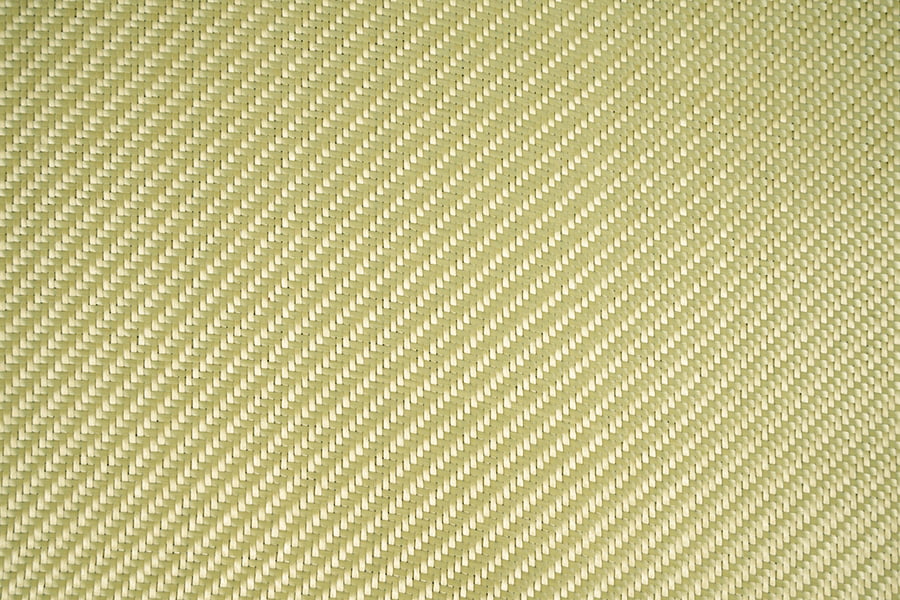
Plain, twill and other available woven structures provide different yarn interlacing arrangements. The weave influences fabric stability, draping behavior and the distribution of reinforcement within the laminate.
Fabric Areal Weight
GSM determines the mass of glass fiber reinforcement per unit area. It affects the reinforcement loading of each ply and should be considered when calculating the required laminate thickness and resin quantity.
Fiber Orientation
Fabric orientation and ply arrangement influence directional reinforcement. Multiple layers may be arranged at different angles to address the expected load directions of the finished component.
Fabric Thickness
Thickness affects the contribution of each ply to the overall laminate structure. It should be evaluated together with fabric weight, resin content and the intended consolidation conditions.
Surface Sizing
The sizing system influences compatibility between glass fiber surfaces and the resin matrix. Selection should account for resin chemistry, curing conditions and the intended composite application.
Woven Structures for Different Lamination Processes
The weave pattern determines how warp and weft yarns intersect across the fabric. This arrangement affects fabric stability during cutting and placement, as well as its behavior when formed over a mold or consolidated into a laminate.
For composite manufacturers, the choice between weave structures should be based on the component geometry, reinforcement direction and processing requirements. The selected construction should also be compatible with the resin application method and the required finished surface.
Composite Lamination Methods Using Fiberglass Cloth
Woven fiberglass cloth can be incorporated into different composite manufacturing routes. The process determines how reinforcement is placed, how resin is introduced and how the laminate is consolidated.
Fabric plies are placed in a mold and resin is applied manually or with suitable tools.
Fabric handling, cutting stability, wetting and layer positioning are important.
Vacuum pressure is used to consolidate the laminate and help manage excess air and resin.
Fabric architecture, resin flow and the complete consumables setup should be considered.
Resin is drawn through dry fabric layers under vacuum within a sealed mold system.
Permeability, layer arrangement and resin flow behavior are key process considerations.
Resin-impregnated reinforcement is laid up and processed under specified temperature and pressure conditions.
Fabric sizing, resin compatibility, tack and prepreg processing requirements must be confirmed.
Reinforcement and resin are consolidated in a mold under controlled process conditions.
Fabric formability, ply placement and the target component geometry should be evaluated.
Resin Compatibility in Composite Lamination
Fiberglass cloth functions as the reinforcement phase, while the resin matrix binds the fabric layers and forms the continuous phase of the composite. The resin system should be selected according to the mechanical, thermal, chemical and environmental requirements of the finished product.
Epoxy Resin
Used in composite applications where the specified mechanical properties, adhesion characteristics and processing requirements call for an epoxy-based matrix.
Polyester Resin
Commonly used in various molded and laminated FRP products. Fabric treatment and processing parameters should match the selected polyester formulation.
Vinyl Ester Resin
Applied in selected composite structures requiring a vinyl ester matrix. Resin formulation and the glass fiber sizing system should be assessed together.
Resin compatibility and finished composite performance depend on the complete material system and processing conditions. The listed resin families are examples, not a guarantee that one fabric specification is suitable for every formulation.
Applications of Fiberglass Cloth in Composite Lamination
After lamination and curing, fiberglass cloth becomes part of a consolidated composite structure. Its use depends on the component design, required reinforcement level and the performance of the complete laminate.
FRP Panels and Sheets
Layered glass fiber reinforcement for flat or shaped composite panels used in industrial equipment, enclosures and protective structures.
Composite Molded Parts
Woven reinforcement used in molded components where fabric placement and ply arrangement are defined by the mold and part design.
Marine Composite Structures
Fiberglass-reinforced laminates for selected hull sections, interior components and other marine composite parts.
Transportation Components
Layered reinforcement in selected vehicle and transportation parts designed around specific structural requirements.
Industrial Equipment Components
Composite covers, housings, support parts and other fabricated structures made with resin-bound glass fiber reinforcement.
Electrical and Insulating Laminates
Selected laminated insulation components where the complete glass-resin system meets the specified electrical and thermal requirements.
Factors Affecting Composite Laminate Quality
Finished laminate performance cannot be determined by the reinforcement fabric alone. Fabric characteristics, resin formulation, layer design and processing conditions all contribute to the final result.
Layer Alignment
Fabric orientation and ply positioning should follow the laminate design to achieve the intended reinforcement directions.
Resin Distribution
Resin should be distributed appropriately throughout the reinforcement to reduce dry areas and unwanted resin-rich regions.
Void Management
Air entrapment and void formation should be controlled through suitable material preparation and consolidation methods.
Curing Control
Temperature, pressure and curing time should follow the resin manufacturer's requirements and the approved production procedure.
Dimensional Stability
Laminate thickness, flatness and dimensional tolerances should be checked against the component drawing or technical specification.
Interlaminar Bonding
The interaction between adjacent reinforcement layers and the resin matrix should be evaluated for the intended structural requirements.
Specify the Right Fiberglass Cloth for Your Lamination Project
For repeat production, fabric specifications should be connected to the actual laminate design. Sharing technical drawings, sample materials or existing production specifications can help suppliers assess material requirements more accurately.
Glass type and yarn specification.
Weave pattern and reinforcement arrangement.
GSM, thickness, width and tolerances.
Resin type and relevant curing conditions.
Number of plies, fiber orientation and target thickness.
Hand lay-up, infusion, prepreg or molding process.
Mechanical, thermal, electrical or environmental criteria.
Order volume, roll dimensions, packaging and delivery schedule.
For a new laminate design, a trial using the intended resin and representative processing conditions is recommended before confirming the material for regular production.
Fiberglass Cloth for Composite Lamination FAQ
Common questions about reinforcement selection, laminate construction and manufacturing considerations.
What is fiberglass cloth used for in composite lamination?
Fiberglass cloth acts as the reinforcement layer in resin-based composite structures. Multiple fabric plies can be arranged in a defined sequence and combined with resin to produce consolidated laminates after curing.
How many layers of fiberglass cloth are needed for a laminate?
The required number of layers depends on the target laminate thickness, reinforcement weight, fiber orientation, resin content and mechanical design requirements. It should be determined through structural design and process validation rather than a fixed layer count.
Can plain weave and twill weave fiberglass cloth both be used for lamination?
Yes. Both constructions can be used in composite lamination when their fabric characteristics and surface sizing are compatible with the selected resin and production method. Their handling and draping characteristics differ.
Does fiberglass cloth orientation affect composite performance?
Yes. The orientation of reinforcement plies influences the directional distribution of glass fibers within the laminate. Different layer angles can be used to address different load directions according to the component design.
Which resin systems are used with fiberglass cloth for lamination?
Epoxy, polyester and vinyl ester resins are used in various composite lamination processes. The correct combination depends on resin chemistry, fabric sizing, curing conditions and the performance requirements of the finished component.
What causes air bubbles or voids in fiberglass laminates?
Potential causes include trapped air during lay-up, insufficient consolidation, unsuitable resin viscosity, poor wetting and inadequate process control. Fabric architecture and laminate thickness may also affect resin flow and air removal.
Can fiberglass cloth be used in vacuum infusion?
Woven fiberglass cloth can be used in vacuum infusion when its permeability, construction and sizing are suitable for the selected resin and process conditions. The complete lay-up arrangement should be evaluated to support consistent resin flow.
What is the difference between resin impregnation and composite lamination?
Resin impregnation describes the process of introducing resin into the reinforcement fabric. Composite lamination focuses on arranging and consolidating one or more reinforcement layers into a finished laminate. Impregnation can be one stage within a lamination process.
What should buyers provide when requesting fiberglass cloth for lamination?
Buyers should provide the required weave, GSM, thickness, width, sizing, resin type, lamination method, target laminate thickness and end-use performance requirements. Drawings or samples can help clarify the material specification.