

 English
 中文简体
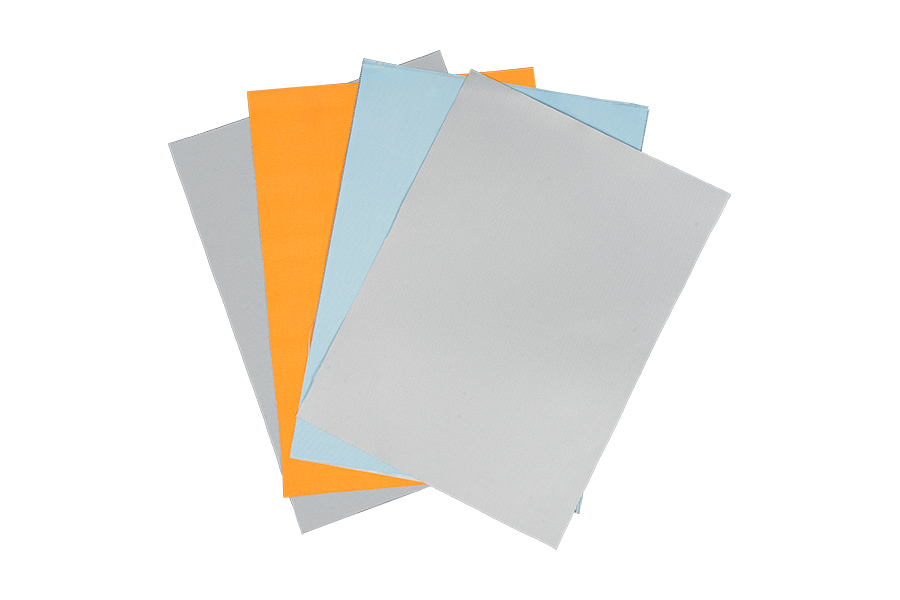
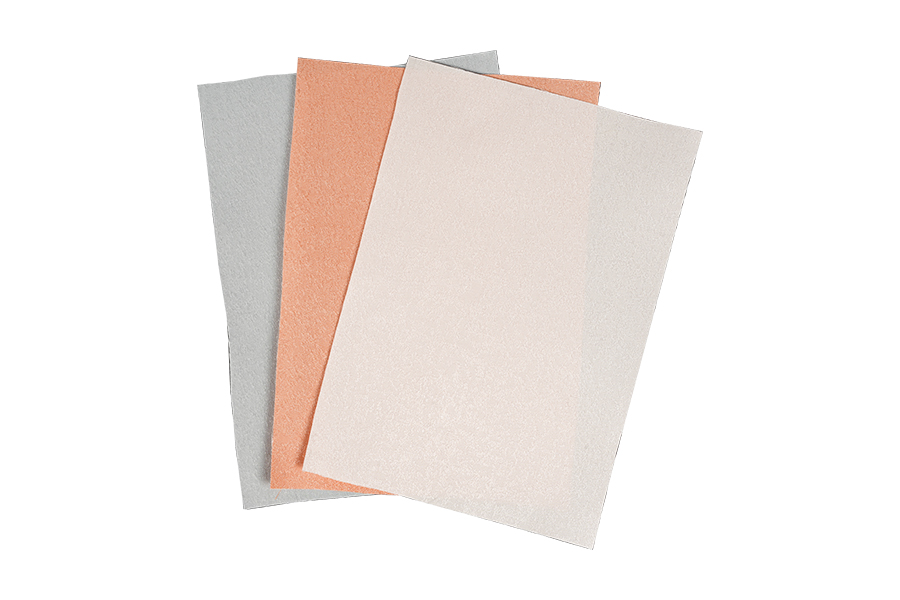
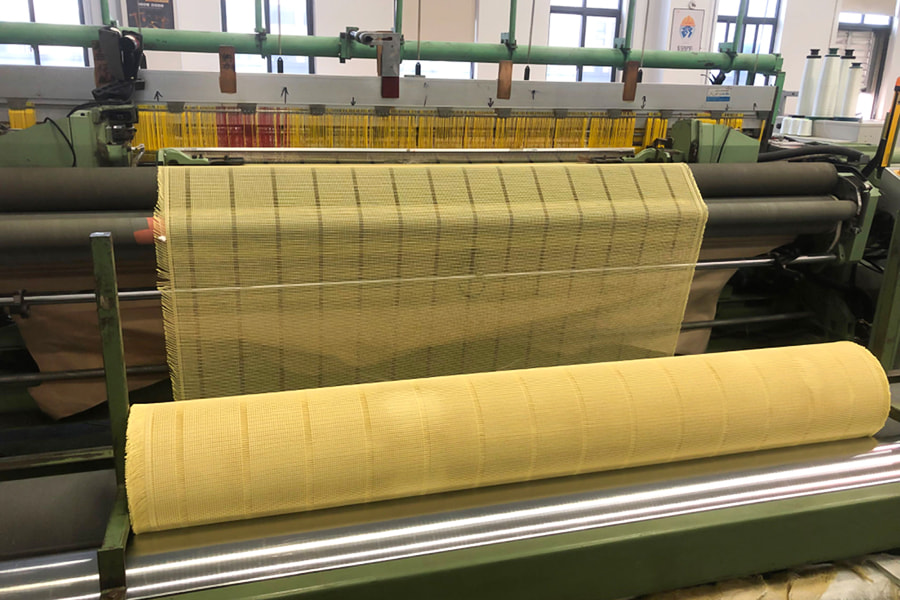
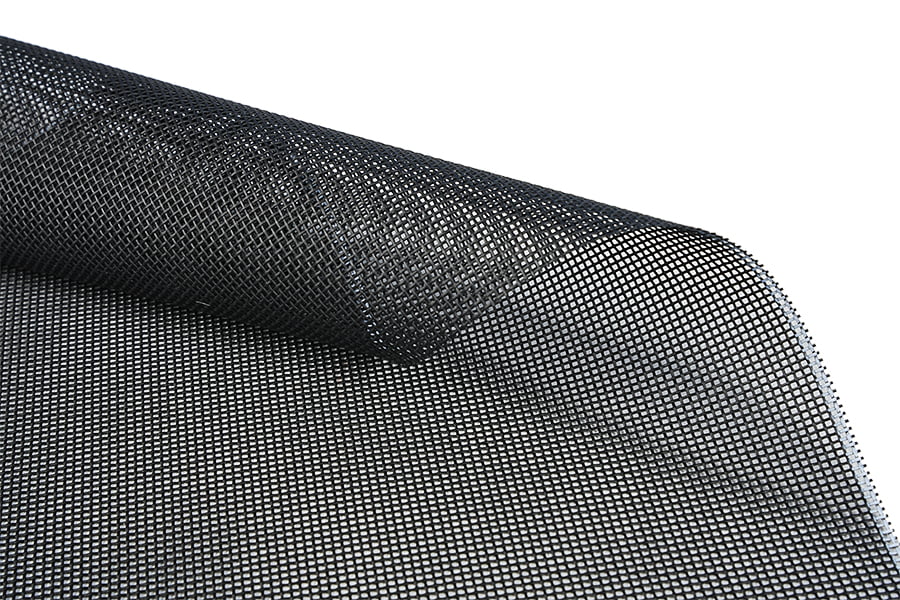
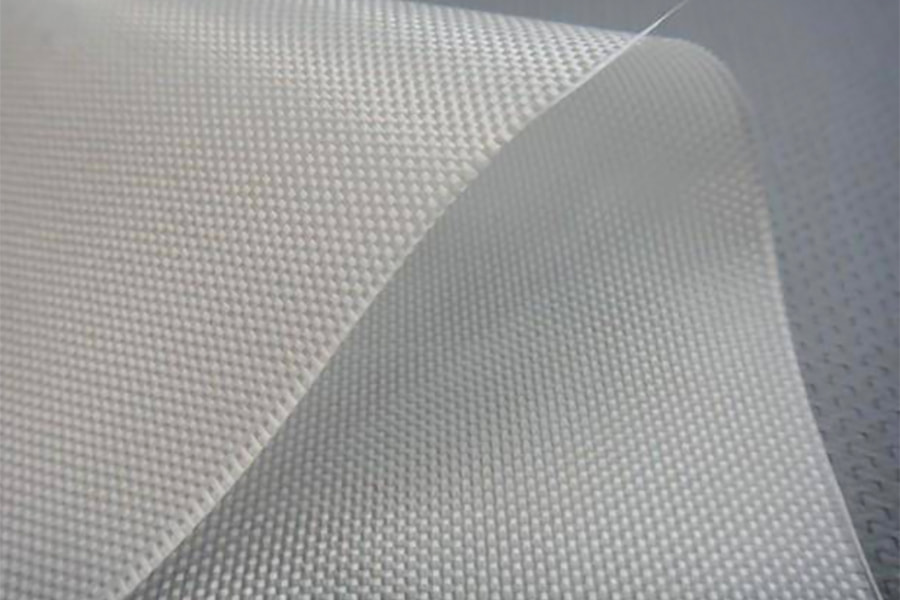

Fiberglass Cloth for Phenolic Resin Laminates
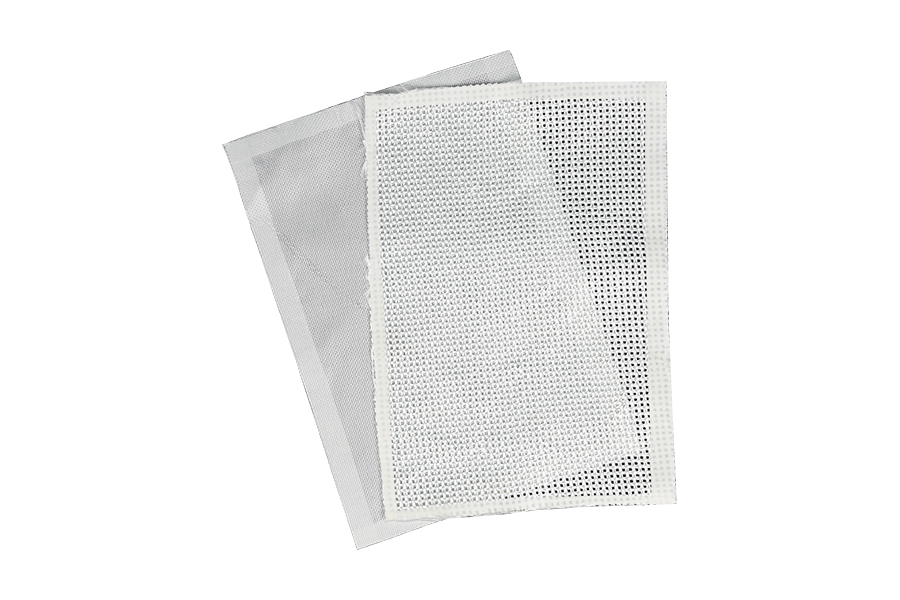
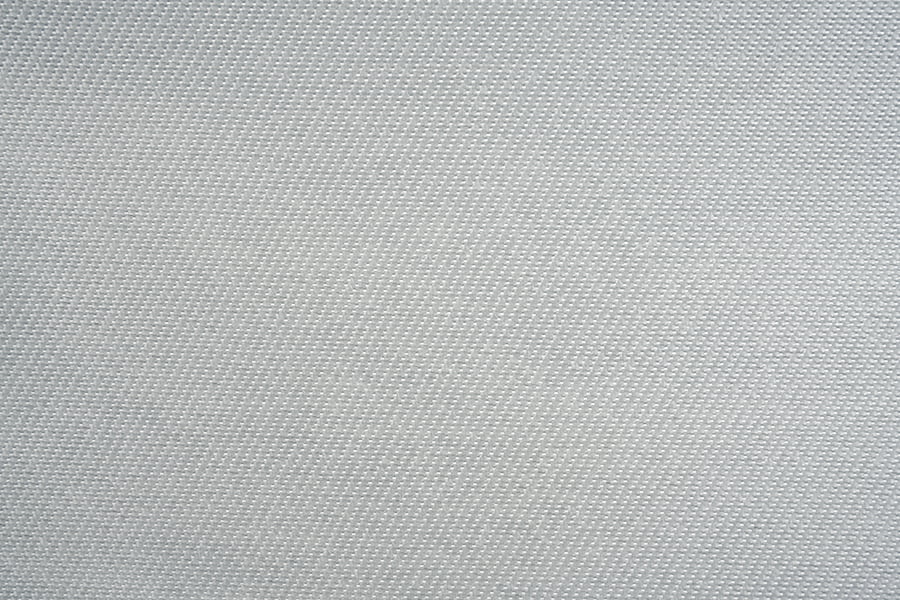
Fiberglass Cloth for Phenolic Resin Laminates is used as a reinforcement material in composite structures manufactured with phenolic resin systems. During laminate production, the glass fabric is impregnated with resin, arranged in the required layer sequence and consolidated under controlled heat and pressure. The resulting material combines the dimensional structure of woven glass reinforcement with the characteristics of a cured phenolic matrix.
Fabric selection directly affects resin uptake, laminate thickness, reinforcement distribution and processing consistency. Weave pattern, yarn construction, areal weight, sizing treatment and fabric surface condition should therefore be evaluated together with the phenolic resin formulation and curing process. The required specification also depends on the finished laminate's electrical, thermal, mechanical and dimensional requirements.
Role of Fiberglass Cloth in Phenolic Laminates
Phenolic laminates are composite materials formed by combining a phenolic resin matrix with reinforcing substrates. Fiberglass cloth provides a continuous woven structure that helps maintain reinforcement alignment throughout the laminate. After resin impregnation and curing, the glass fibers and resin form an integrated composite material.
Compared with unreinforced resin materials, glass-reinforced phenolic laminates can be engineered to provide a combination of mechanical strength, dimensional stability and thermal performance. Their actual properties depend on the glass fabric specification, resin chemistry, resin content, laminate construction and manufacturing conditions.
For manufacturers developing phenolic laminate products, the fabric should be selected according to the intended service environment and finished-part requirements rather than by fabric weight alone.
How Glass Fabric and Phenolic Resin Work Together
The laminate is a combined material system. Reinforcement architecture, resin distribution and curing conditions determine how the individual layers perform as a consolidated structure.
Layered Composite Design
Multiple fabric plies can be arranged to meet the required laminate thickness and reinforcement distribution. Resin must penetrate the fabric and bond the adjacent layers during consolidation.
Actual layer count, fabric orientation and resin content should be established through the laminate design and production specification.
Phenolic Resin Properties in Fiberglass Laminates
Phenolic resin is a thermosetting polymer commonly selected for applications requiring specific thermal, fire-related or electrical performance. Its behavior during impregnation and curing must be matched to the selected glass fabric.
Thermal Performance
Phenolic resin systems are used in applications involving elevated temperatures. Thermal behavior of the finished laminate depends on resin formulation, curing and the complete composite construction.
Fire and Smoke Characteristics
Phenolic systems can be formulated for fire-related performance requirements. Fire behavior, smoke generation and applicable classifications must be verified through testing of the finished laminate.
Electrical Insulation
Selected phenolic glass laminates are used in electrical insulation components. Electrical properties depend on resin chemistry, moisture condition, fabric construction and laminate processing.
Mechanical Reinforcement
Woven glass fibers provide reinforcement in defined warp and weft directions. The final strength and stiffness depend on fabric orientation, layer arrangement and resin bonding.
Fiberglass Cloth Specifications for Phenolic Systems
Fabric parameters should be selected according to the impregnation method, laminate design and required finished properties.
Phenolic Resin Impregnation and Fabric Preparation
Impregnation is a key stage in the production of fiberglass-reinforced phenolic laminates. Resin must penetrate the fabric structure and distribute consistently across the reinforcement area. The required resin content and impregnation conditions depend on the fabric construction and the intended laminate design.
Phenolic resin formulations can have specific viscosity, solvent and curing characteristics. These factors need to be considered when establishing the impregnation process, drying or advancement conditions and subsequent lamination parameters.
Fabric Inspection
Check roll condition, fabric construction, dimensions and surface cleanliness before processing.
Resin Preparation
Prepare the phenolic resin system according to the specified formulation and processing requirements.
Fabric Impregnation
Pass the fabric through the impregnation system to achieve the required resin distribution and pickup.
Controlled Drying or Advancement
Apply the specified processing conditions to remove or control volatile components and prepare the impregnated material for further lamination.
Layer Arrangement and Consolidation
Stack the prepared material according to the laminate design, then apply the specified heat and pressure for curing.
Finishing and Inspection
Inspect the cured laminate for thickness, surface condition, dimensional accuracy and required performance properties.
Choosing a Suitable Weave Structure
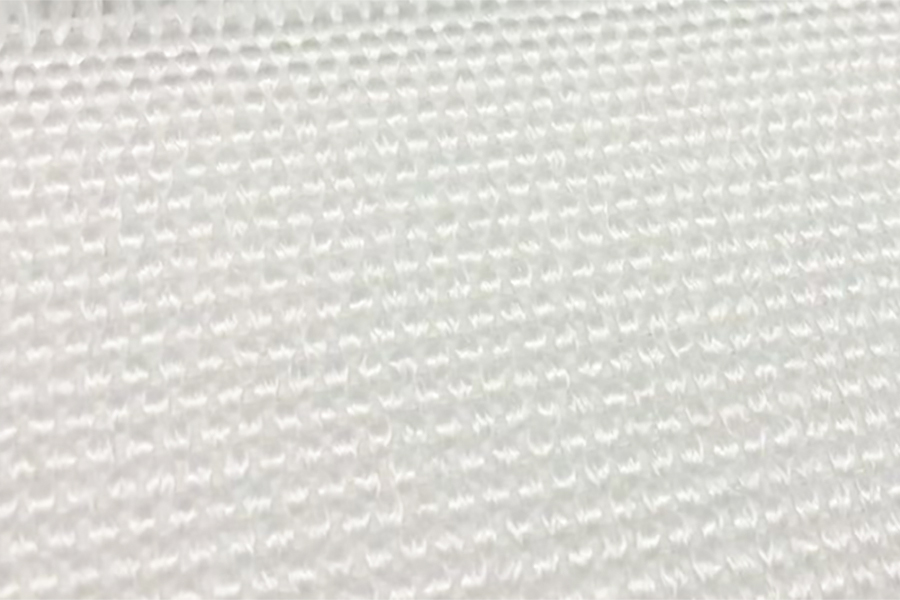
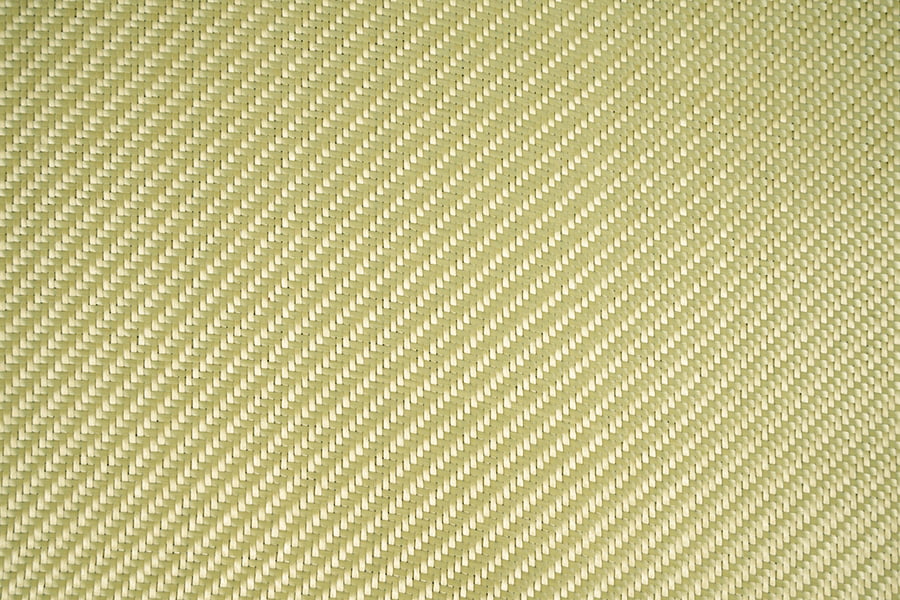
Weave selection influences yarn positioning, fabric handling, resin penetration and reinforcement orientation. The most appropriate construction depends on the laminate design and production method.
Applications of Phenolic Fiberglass Laminates
Glass-reinforced phenolic laminates are used in selected industrial applications where the combined characteristics of the reinforcement and resin matrix meet the component requirements.
Electrical Insulation Components
Insulating plates, support components and selected electrical equipment parts manufactured from glass-reinforced phenolic laminates.
Industrial Thermal Components
Selected panels, barriers and components designed for industrial environments involving thermal exposure.
Fire-Related Composite Products
Composite panels and components developed for applications with defined fire performance requirements, subject to product testing and applicable standards.
Industrial Equipment Parts
Structural and functional laminate components used in selected machinery, equipment and industrial assemblies.
Protective Panels and Barriers
Panels and protective components designed according to the mechanical, thermal and environmental conditions of the application.
Custom Laminated Components
Specialized composite parts manufactured to specified dimensions, layer arrangements and performance requirements.
Factors Affecting Finished Laminate Performance
Finished properties are determined by the complete material and production system. Fabric selection is one part of the overall laminate engineering process.
Resin Content and Distribution
Uneven resin pickup or incomplete penetration may result in inconsistent laminate structure and localized defects.
Fabric Layer Alignment
Warp and weft orientation affects the directional reinforcement characteristics of the finished laminate.
Interlayer Bonding
Proper resin distribution and consolidation help establish bonding between adjacent impregnated fabric layers.
Curing Conditions
Temperature, pressure and curing time must be matched to the resin formulation and laminate thickness.
Moisture and Storage
Storage conditions for fabric and impregnated material should be controlled according to the material supplier's recommendations.
Finished Laminate Inspection
Thickness, flatness, surface condition and application-specific test results should be assessed against the agreed specification.
Fiberglass Cloth Inspection Before Lamination
Incoming fabric inspection helps maintain consistency before resin impregnation. Inspection criteria should be agreed between the fabric supplier and laminate manufacturer.
Information Required for Fiberglass Cloth Procurement
For repeat production, buyers should provide a defined technical specification rather than relying only on a general fabric description. This helps align fabric construction with the resin impregnation line and finished laminate requirements.
Glass fiber type, yarn specification and weave construction.
Areal weight, thickness, width and dimensional tolerances.
Phenolic resin type, formulation and processing characteristics.
Target resin pickup, wet-out behavior and material handling conditions.
Layer count, fabric orientation and finished thickness.
Mechanical, thermal, electrical or fire-related test requirements.
Trial quantity, regular order volume, roll length and packaging method.
Batch identification, inspection records and agreed acceptance criteria.
Fiberglass Cloth for Phenolic Resin Laminates FAQ
Common technical questions about glass fabric selection, phenolic resin impregnation and laminate manufacturing.
What is fiberglass cloth for phenolic resin laminates?
It is woven glass fiber fabric used as reinforcement in composite laminates manufactured with phenolic resin. The cloth is impregnated with resin and consolidated with other layers through a controlled curing process.
Why is fiberglass cloth used with phenolic resin?
Fiberglass cloth provides a continuous reinforcement structure that contributes to the mechanical and dimensional characteristics of the laminate. The phenolic resin bonds the fibers and forms the cured matrix.
Which weave is suitable for phenolic resin laminates?
Plain weave and twill weave are possible options, depending on the required fabric structure, resin penetration, laminate thickness and processing method. The selection should be confirmed through material trials and technical specifications.
Can E-glass fiberglass cloth be used with phenolic resin?
E-glass fabric can be considered for phenolic laminate reinforcement, provided that its sizing treatment is compatible with the selected resin formulation and processing conditions. Final suitability should be verified through impregnation and laminate testing.
How does fabric weight affect phenolic laminate production?
Areal weight determines the amount of glass reinforcement introduced per unit area. It influences resin pickup, layer buildup and laminate design, so it should be selected together with the required finished thickness and performance.
What should be considered when selecting fiberglass cloth sizing?
The sizing should support interaction between the glass fiber surface and the phenolic resin system. Resin chemistry, impregnation conditions and curing requirements all need to be considered when evaluating compatibility.
What causes dry spots in phenolic fiberglass laminates?
Possible causes include insufficient resin pickup, unsuitable resin viscosity, poor fabric wet-out, uneven impregnation or inadequate consolidation. Fabric construction and process parameters should be reviewed together to identify the cause.
Does phenolic resin automatically make a laminate fireproof?
No. Although phenolic resin systems are used in products designed for fire-related performance, the finished laminate must be tested against the applicable fire, smoke and other performance standards. Results depend on the complete material formulation and product construction.
What information should buyers provide when requesting a quotation?
Provide the required glass type, weave, GSM, thickness, width, sizing requirements, resin system, intended impregnation process and finished laminate specifications. Sample material or a technical data sheet can help clarify the required construction.