

 English
 中文简体
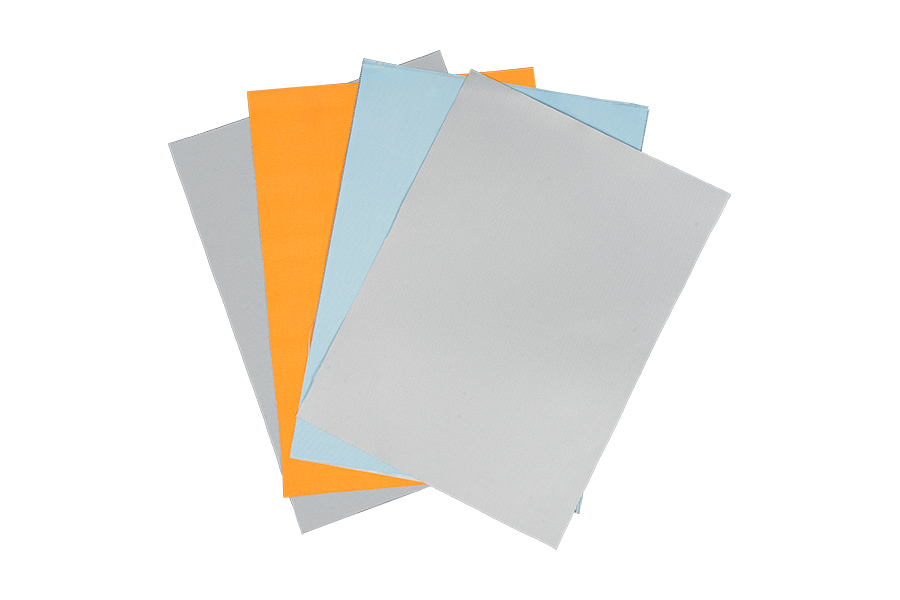
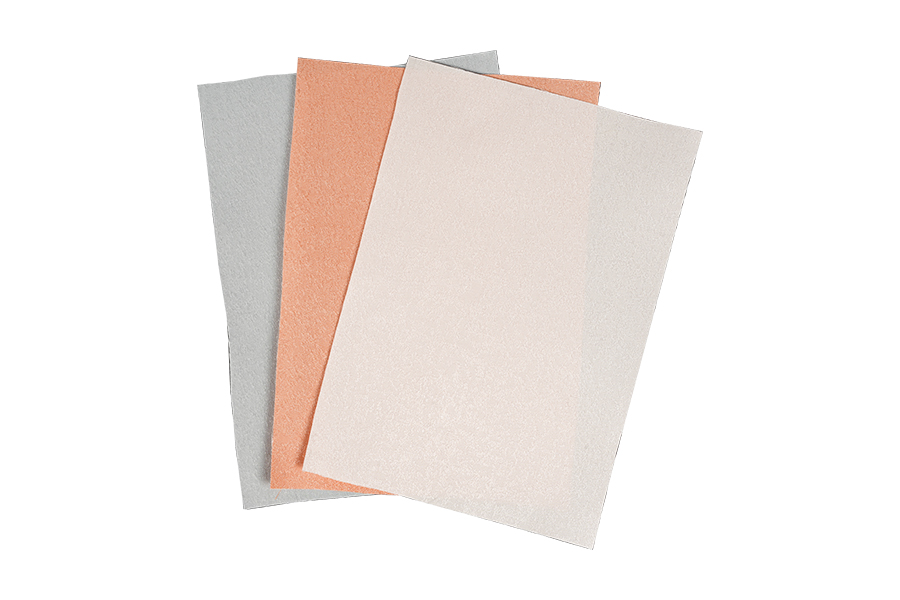
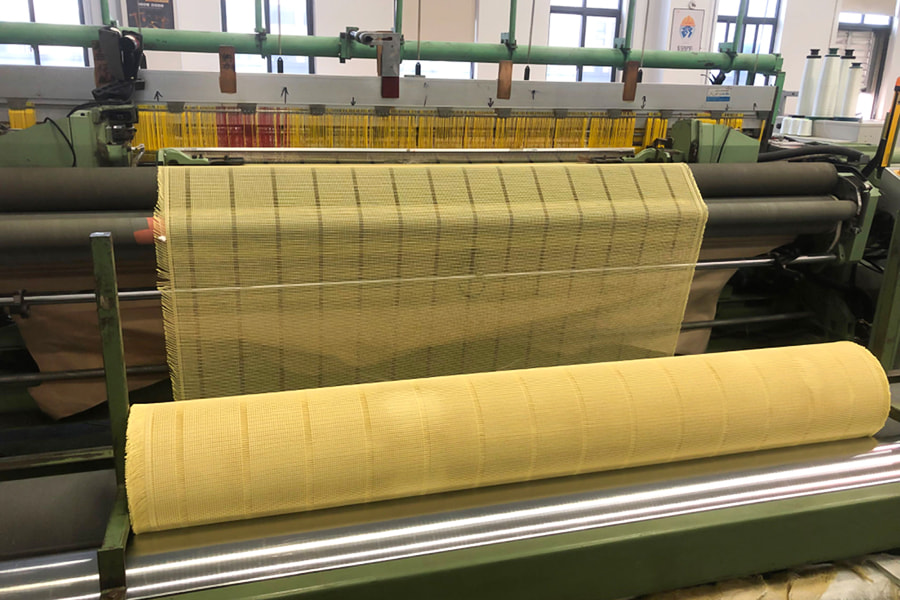
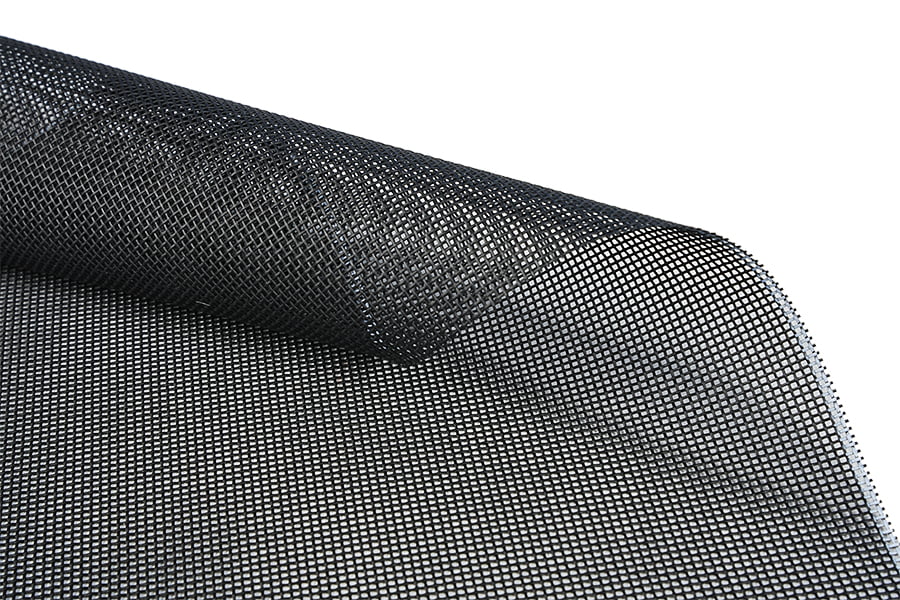
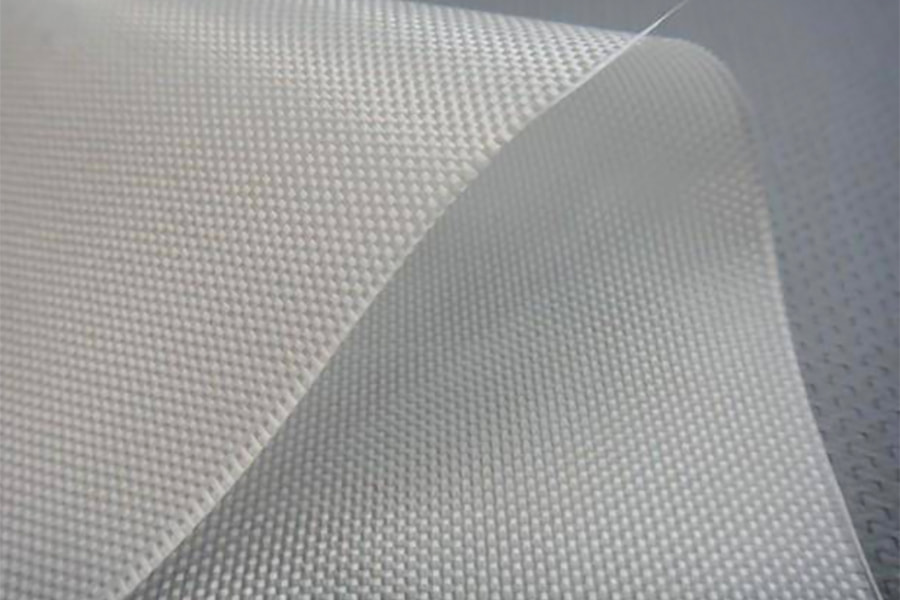

Fiberglass Cloth for Epoxy Laminates
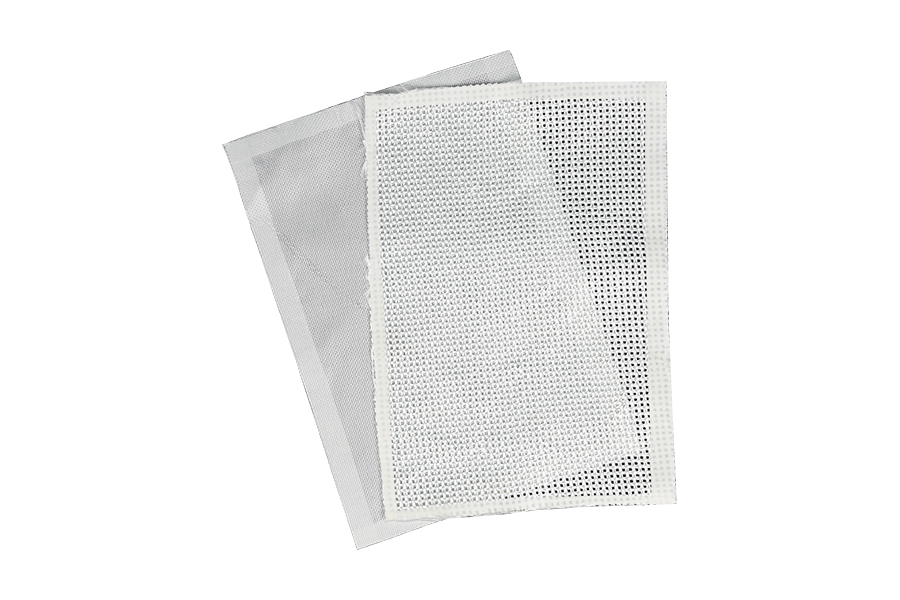
Fiberglass Cloth for Epoxy Laminates is a woven reinforcement material designed for incorporation into epoxy-based composite and laminated structures. During the manufacturing process, the fabric is impregnated with epoxy resin, arranged in one or more layers, and consolidated through controlled pressure and curing. The resulting composite material is used in applications requiring a combination of structural reinforcement, dimensional stability and electrical insulation.
Fabric selection depends on the intended laminate design, resin formulation, processing method and finished-product requirements. Parameters such as glass fiber type, yarn arrangement, weave pattern, areal weight, thickness, surface treatment and fabric width all influence how the reinforcement interacts with the resin system. For industrial buyers, selecting a suitable fabric specification is an important part of maintaining consistent laminate production.
How Fiberglass Cloth Works in Epoxy Laminates
Epoxy laminates are composite materials formed by combining reinforcement layers with an epoxy resin matrix. Fiberglass cloth provides the textile reinforcement, while the resin surrounds the fibers and binds the layers together during curing. This combination produces a consolidated structure with characteristics determined by the reinforcement, resin system and manufacturing conditions.
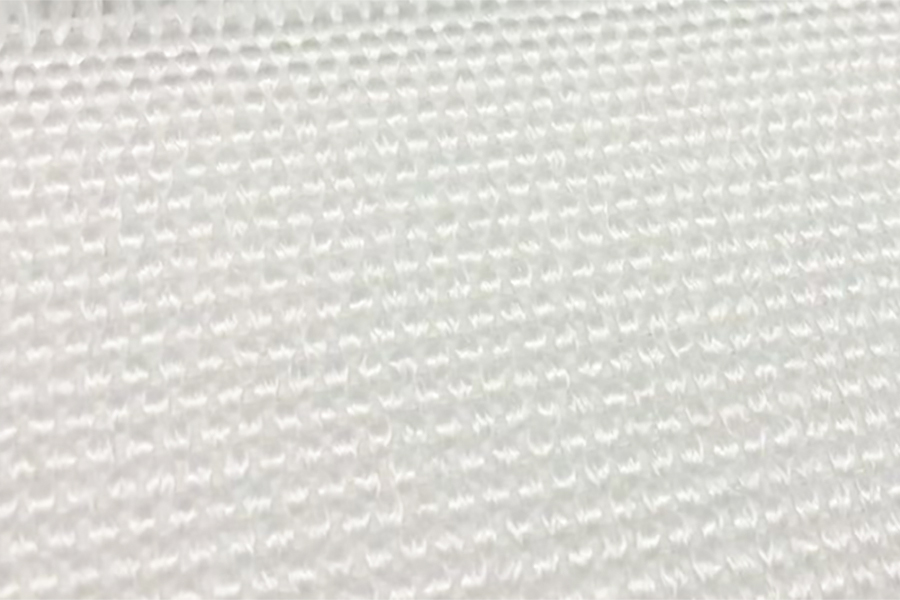
Woven fiberglass fabric contains warp and weft yarns arranged in an interlaced structure. The distribution of these yarns helps provide reinforcement in two principal directions. Different fabric constructions can be selected according to the required laminate thickness, reinforcement distribution, surface characteristics and processing conditions.
During resin impregnation, fabric permeability, yarn spacing and surface sizing affect resin penetration and wet-out. Uniform fabric construction can help reduce material variation during production. However, the final mechanical, thermal and electrical properties depend on the complete composite system rather than the fiberglass cloth alone.
Core Advantages of Fiberglass Reinforcement
Fiberglass cloth contributes to the structural characteristics and manufacturing consistency of epoxy-based laminates when matched with a suitable resin system and processing method.
Structural Reinforcement
Glass fiber yarns form a reinforcing framework within the cured epoxy matrix, supporting the mechanical structure of the finished laminate.
Two-Directional Fabric Arrangement
Woven constructions distribute yarns along warp and weft directions, allowing reinforcement to be incorporated into laminate designs with defined orientations.
Resin Integration
Appropriate fabric construction and surface sizing support interaction with compatible epoxy formulations during impregnation and curing.
Flexible Laminate Design
Fabric weight, thickness and layer orientation can be selected according to the structural and dimensional requirements of the finished composite.
Specification-Based Production
Defined material parameters provide a basis for incoming inspection, batch comparison and repeatable purchasing requirements.
Fabric Properties and Selection Parameters
Several fabric parameters should be evaluated together rather than considered independently. Their combination determines whether a specific fiberglass cloth is suitable for the intended epoxy lamination process.
Choosing a Suitable Weave for Epoxy Lamination
The weave pattern affects yarn crimp, fabric surface profile and the way the reinforcement behaves during handling and resin impregnation. The appropriate construction depends on the geometry of the finished component and the requirements of the lamination process.
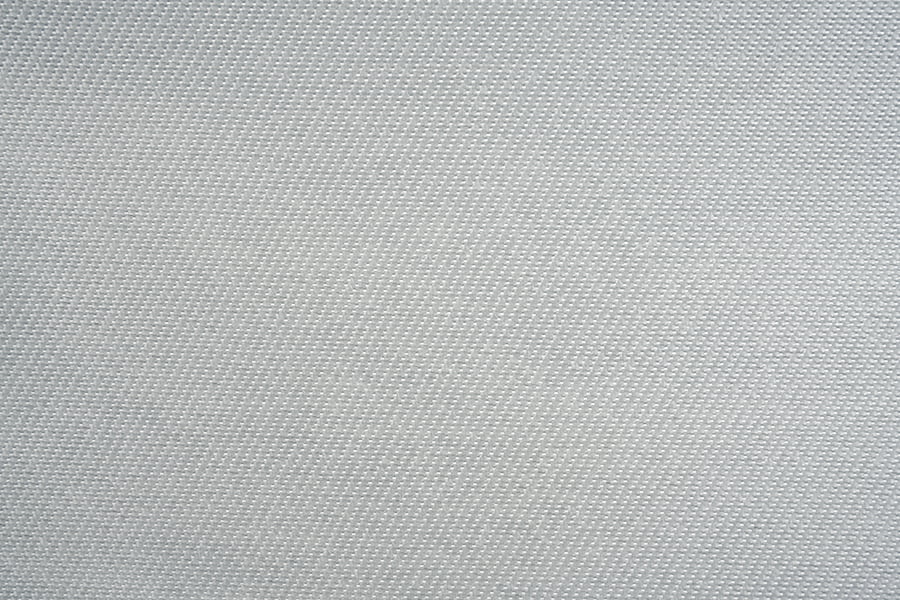
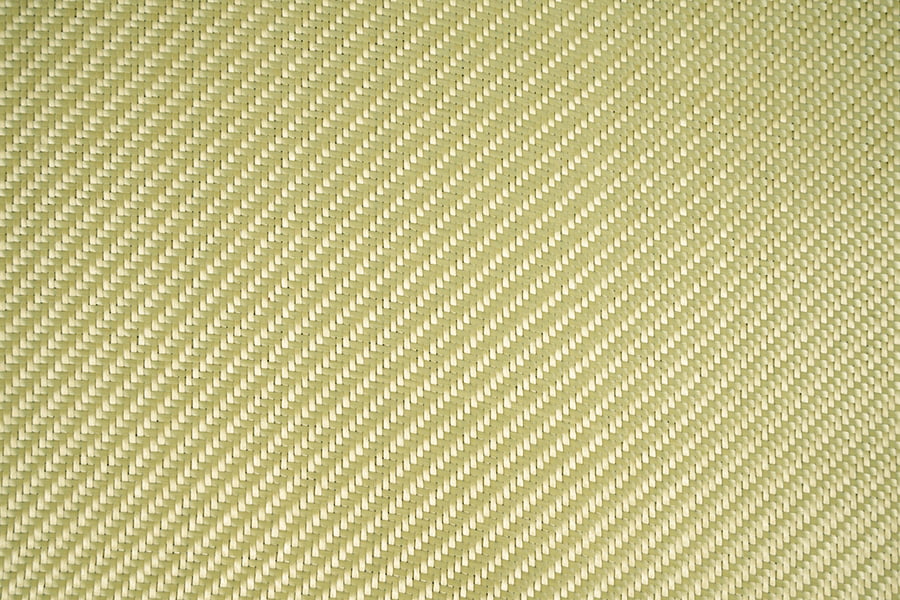
Plain weave has a regular over-and-under yarn arrangement and is commonly used where a balanced woven structure is required. Twill weave uses a different interlacing sequence that produces a diagonal surface pattern. Other constructions may be considered for specialized composite designs.
Weave selection should be evaluated alongside fabric weight, thickness, resin viscosity, impregnation equipment and laminate lay-up. A fabric pattern should not be selected based on appearance alone.
Plain Weave
Regular interlacing of warp and weft yarns. Suitable for applications requiring a conventional woven reinforcement structure.
Twill Weave
Diagonal interlacing pattern with a different yarn arrangement and surface profile compared with plain weave.
Specialized Construction
Other woven structures can be evaluated according to reinforcement distribution and specific composite manufacturing requirements.
Applications of Fiberglass Cloth for Epoxy Laminates
Epoxy-based fiberglass laminates are used across multiple industrial sectors. The actual suitability of a fabric depends on the resin system, laminate construction and performance requirements of the finished component.
Electrical Insulation Laminates
Used in selected epoxy-based insulating sheets, panels and structural components where glass fiber reinforcement is part of the material design.
Electronic Substrate Materials
Used in the manufacture of glass-reinforced epoxy laminate substrates and related electronic material structures.
Reinforced Industrial Panels
Can be incorporated into composite panels and components designed for industrial equipment and machinery applications.
Epoxy Composite Components
Serves as a textile reinforcement in selected molded, laminated and fabricated epoxy composite products.
Structural Composite Products
May be used in engineered epoxy composite components where the specified reinforcement structure meets the design requirements.
Considerations During Epoxy Laminate Manufacturing
Fabric characteristics and process conditions work together throughout the production cycle. Evaluating each stage helps buyers and laminate manufacturers establish suitable material specifications.
Fabric Preparation
Check roll condition, fabric dimensions, surface cleanliness and material identification before processing.
Resin Impregnation
Evaluate resin wet-out, penetration and compatibility between the epoxy formulation and fabric sizing.
Layer Arrangement
Arrange the impregnated reinforcement according to the required thickness, orientation and laminate structure.
Pressing and Curing
Apply the specified pressure and curing conditions to consolidate the resin and reinforcement layers.
Finished Laminate Inspection
Assess the finished laminate against the applicable dimensional, mechanical, electrical or other product requirements.
Quality Control and B2B Supply Requirements
For industrial procurement, fiberglass cloth should be evaluated against an agreed technical specification rather than a general product description. Consistency in fabric weight, thickness, weave formation and roll dimensions helps reduce variation during downstream processing.
Inspection procedures can be established according to the buyer's quality requirements. Depending on the product specification, relevant checks may include visual inspection, areal weight measurement, width measurement, thickness measurement, weave appearance and packaging condition.
For repeat orders, buyers should maintain approved samples or specification records and define acceptable tolerances. Any changes in yarn, sizing, weave construction or other material parameters should be reviewed before being introduced into an established production process.
Inspection Reference
- Fabric appearance and weaving uniformity
- Areal weight and dimensional tolerance
- Fabric thickness and width consistency
- Surface condition and visible defects
- Roll winding and edge condition
- Packaging and batch identification
- Compliance with agreed specifications
Information Buyers Should Confirm Before Ordering
Providing detailed technical information helps suppliers evaluate the required fabric construction and determine whether it matches the intended epoxy lamination process.
Glass fiber type and yarn specification
Weave pattern and fabric structure
Target GSM and acceptable tolerance
Fabric thickness, width and roll length
Epoxy resin formulation and sizing requirements
Impregnation method and lamination conditions
Inspection standards and acceptance criteria
Order quantity, packaging and delivery requirements
Frequently Asked Questions
Answers to common technical and purchasing questions about fiberglass reinforcement for epoxy laminate production.
What is fiberglass cloth for epoxy laminates?
It is a woven glass fiber fabric used as reinforcement in epoxy-based laminated composites. The fabric is impregnated with epoxy resin and consolidated through a lamination and curing process to form a reinforced structure.
What types of glass fiber are used in epoxy laminate fabrics?
E-glass is commonly used in many epoxy laminate applications. Other glass fiber types may be considered for specialized requirements. The appropriate material depends on the intended application and the technical specification of the finished laminate.
How does fiberglass cloth affect epoxy laminate properties?
The fabric contributes to reinforcement distribution, structural stability and the overall composition of the laminate. Its influence depends on fiber type, weave, areal weight, layer orientation and interaction with the epoxy resin. Final properties are determined by the complete composite system and processing conditions.
Which weave patterns can be used for epoxy laminates?
Plain weave and twill weave are two common woven constructions. Other fabric structures may also be used depending on the design requirements. Buyers should confirm the required weave with the laminate manufacturer before ordering.
Why is resin compatibility important when selecting fiberglass cloth?
Resin compatibility influences how effectively the epoxy system wets and penetrates the glass fiber fabric. Surface sizing, resin viscosity and impregnation conditions should be considered together to support the required manufacturing process.
What is the relationship between GSM and laminate thickness?
GSM describes the mass of fabric per unit area, while fabric thickness measures its physical thickness. Both are influenced by yarn specifications and weave construction. The finished laminate thickness also depends on resin content, the number of reinforcement layers and consolidation conditions.
Can fiberglass cloth be supplied in different widths and weights?
Available widths and areal weights depend on the supplier's production range. Buyers should provide target dimensions, GSM values and tolerances so that the required fabric configuration can be evaluated.
What information is needed to request a quotation?
A quotation request should include glass fiber type, weave pattern, GSM, thickness, width, sizing requirements, roll length, order quantity and intended epoxy application. Relevant technical drawings or existing fabric specifications can also help clarify the requirements.
Can the same fiberglass cloth be used with different epoxy resin systems?
Not necessarily. Different epoxy formulations may have different viscosity, curing behavior and compatibility requirements. The fabric sizing and impregnation characteristics should be evaluated against the specific resin system before production use.