

 English
 中文简体
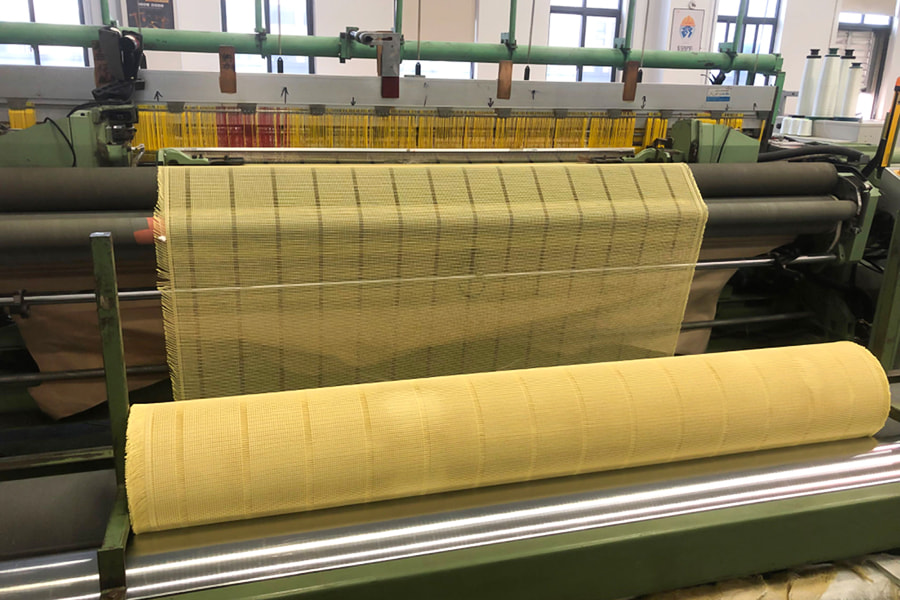
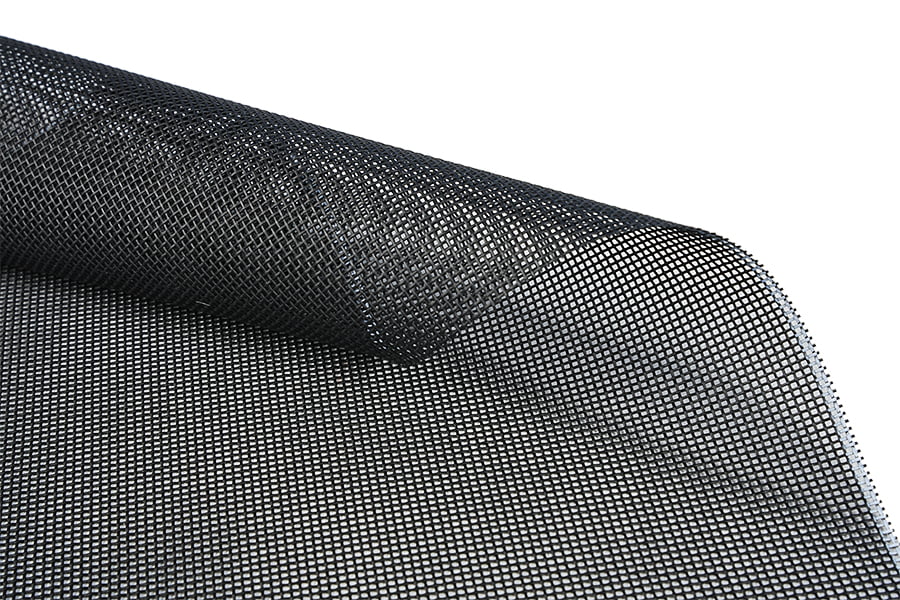
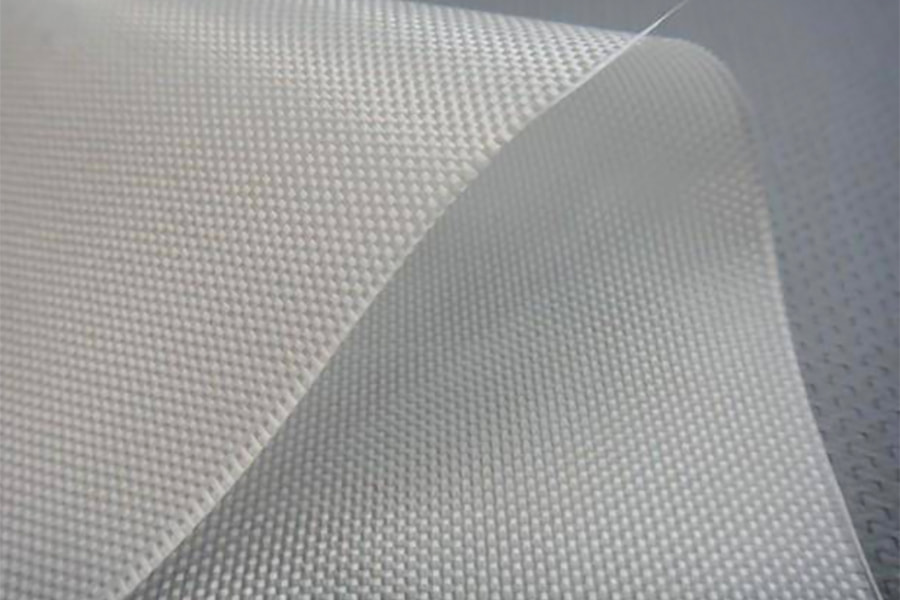

Fiberglass Cloth for Electrical Laminates
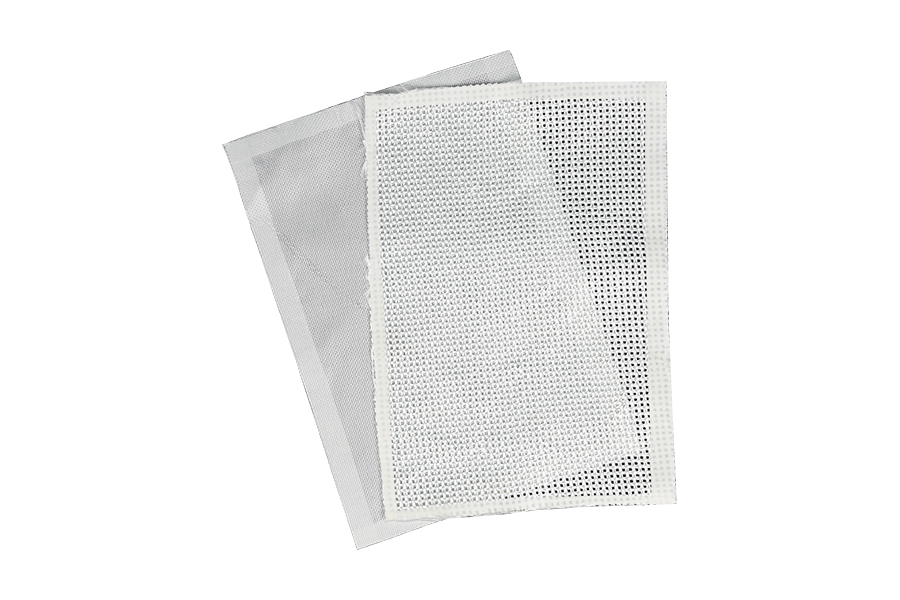
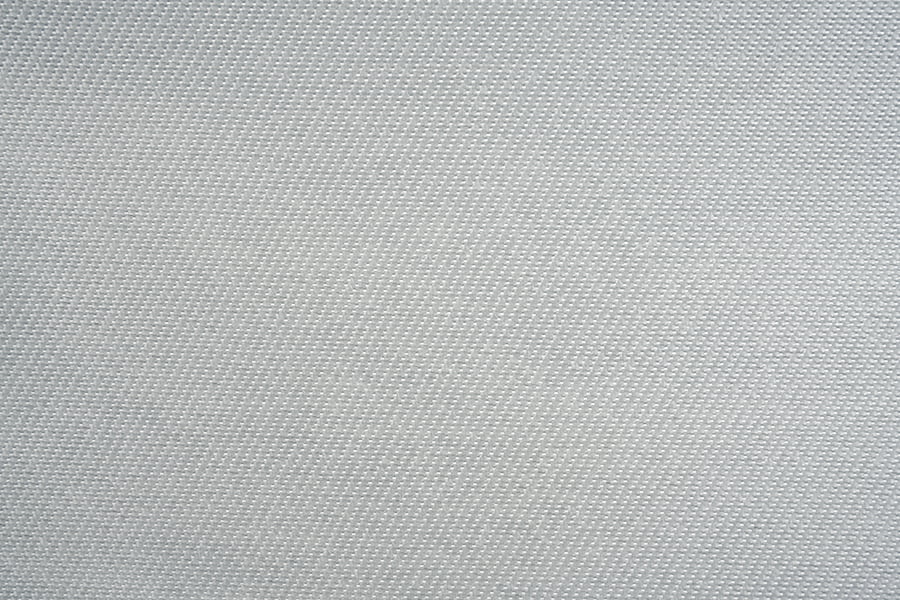
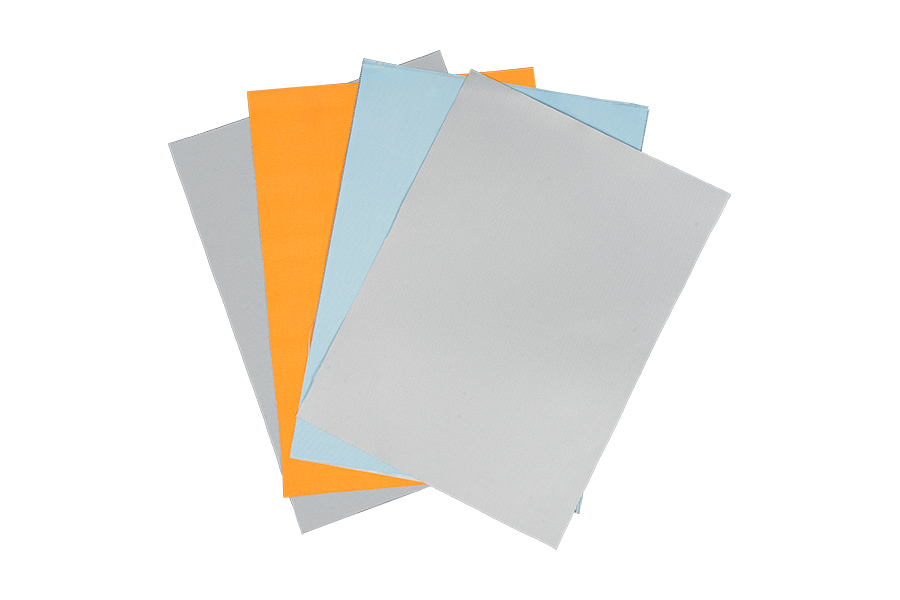
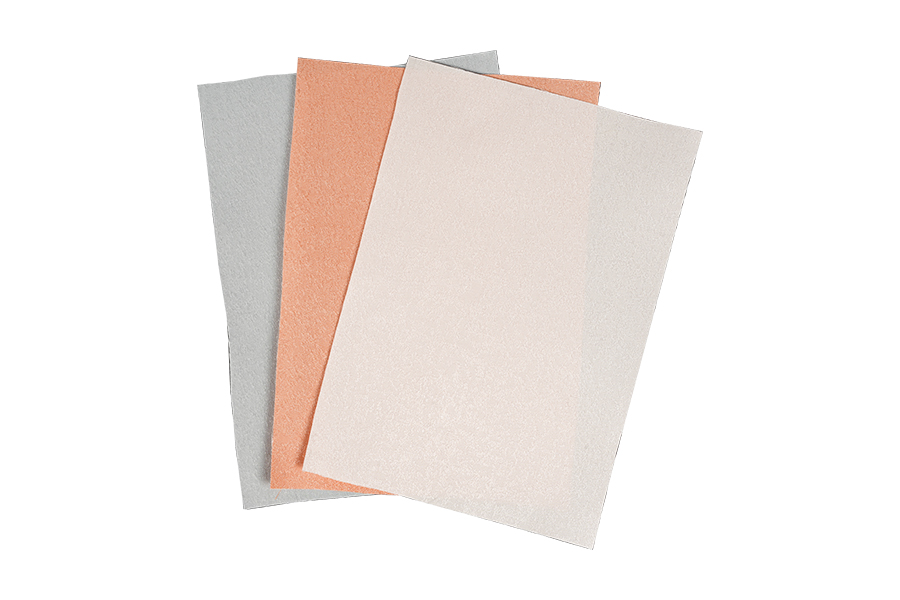
Fiberglass Cloth for Electrical Laminates is a woven glass fiber reinforcement material used in the production of rigid electrical insulation sheets, panels and composite components. It is incorporated into resin-based laminate structures to provide a reinforcing framework that supports the mechanical integrity and dimensional characteristics of the finished material.
During lamination, the fabric is impregnated with a compatible resin system and consolidated under specified processing conditions. The resulting electrical laminate may be used in insulating barriers, equipment components, support plates and other applications where electrical insulation and structural reinforcement are required. Fabric selection depends on the intended insulation system, resin chemistry, laminate construction and finished-product specifications.
Reinforcement for Electrical Insulation Materials
Electrical laminates are manufactured by combining reinforcing materials with insulating resin systems. Fiberglass cloth serves as the internal reinforcement, while the resin matrix binds the fabric layers into a consolidated structure. This construction allows manufacturers to develop rigid insulating materials with defined thickness, mechanical strength and electrical characteristics.
The glass fabric specification influences the distribution of reinforcement throughout the laminate. Yarn arrangement, weave construction, fabric weight and thickness affect the material's physical structure and its behavior during resin impregnation. Consistency in these parameters is important when producing insulation boards and components to controlled dimensions.
For electrical applications, the fabric must be evaluated as part of the complete insulation system. Finished-material properties depend on glass fiber characteristics, resin formulation, resin content, curing conditions, moisture exposure and laminate design. The cloth itself should therefore be selected according to the technical requirements of the finished electrical component.
Evaluate fiberglass cloth together with the intended resin system and finished insulation requirements. Fabric specifications alone cannot establish the dielectric performance of a completed electrical laminate.
What Fiberglass Cloth Contributes to Electrical Laminates
The reinforcement fabric contributes to the physical structure of the laminate. Its role should be considered alongside resin selection, layer configuration and the electrical requirements of the finished material.
Mechanical Reinforcement
Glass fiber yarns form a reinforcing framework within the resin matrix, helping the laminate maintain its designed structural characteristics.
Dimensional Support
The woven structure helps control reinforcement distribution and contributes to the dimensional behavior of the consolidated laminate.
Insulation Material Construction
Fiberglass fabric is incorporated into insulating composite systems where glass reinforcement and a compatible resin matrix are required.
Layered Material Design
Multiple fabric layers can be arranged to achieve specified laminate thicknesses and reinforcement configurations.
Process Compatibility
Suitable fabric construction and surface sizing support the interaction between reinforcement and the selected resin during impregnation.
Specification Control
Defined fabric parameters provide a basis for incoming material inspection and consistency checks across production batches.
Important Fabric Parameters for Electrical Applications
Electrical laminate manufacturers should define the fabric specification according to their insulation material design and production equipment. The following parameters are commonly considered during technical evaluation and purchasing.
Glass Fiber Composition
E-glass is commonly used in many electrical reinforcement fabrics. The required glass type and yarn characteristics should be confirmed against the insulation system's technical requirements.
Weave Construction
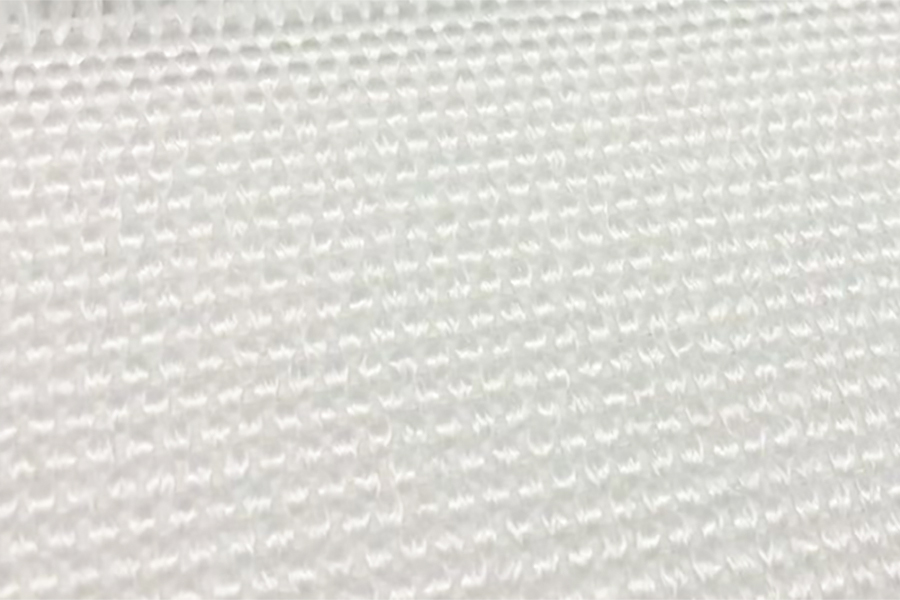
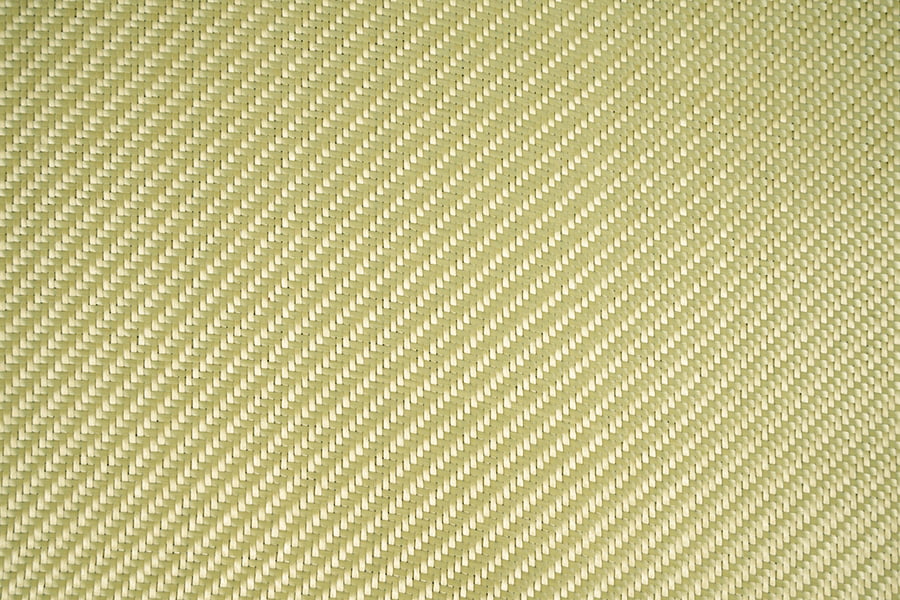
Plain weave and other woven structures can be evaluated according to fabric stability, reinforcement distribution, resin penetration and the intended laminate construction.
Areal Weight
Measured in grams per square meter, GSM indicates the fabric mass per unit area. The target value and tolerance should be specified to control reinforcement loading.
Fabric Thickness
Thickness is influenced by yarn size, weave density and fabric construction. It should be evaluated in relation to the required laminate thickness and layer arrangement.
Surface Sizing
Sizing affects the interface between glass fibers and resin. Its compatibility with the selected resin chemistry is important for impregnation and bonding behavior.
Fabric Width and Roll Format
Width, roll length, winding condition and packaging should match the requirements of the customer's material handling and lamination equipment.
Fabric Selection and Resin Compatibility
The performance of an electrical laminate is determined by the complete material system. Fiberglass cloth provides reinforcement, but the resin matrix is responsible for binding the layers and contributes significantly to the finished material's dielectric and thermal characteristics.
Different resin systems have different viscosity, curing behavior and processing requirements. The fabric's surface sizing and construction should be evaluated for compatibility with the selected formulation. Inadequate resin wet-out or unsuitable processing conditions can affect laminate uniformity and may introduce defects into the finished material.
For electrical insulation applications, buyers should also identify relevant requirements for dielectric strength, insulation resistance, moisture resistance, temperature exposure and mechanical loading. These properties should be assessed through appropriate testing of the finished laminate rather than inferred from the fabric specification alone.
Selection Factors
Confirm compatibility between the sizing system and resin formulation.
Consider resin viscosity, penetration and processing method.
Define the finished laminate's applicable insulation performance criteria.
Identify temperature, humidity and service conditions.
Applications of Fiberglass Cloth for Electrical Laminates
Glass fiber reinforced electrical laminates are used in different insulation structures and equipment components. The appropriate fabric and resin combination depends on the design and applicable performance standards.
Electrical Insulation Boards
Used as reinforcement in rigid insulating boards and panels designed for electrical equipment and industrial insulation assemblies.
Transformer Insulation Components
Can be incorporated into specified rigid insulating components used in transformer assemblies, subject to the required electrical, thermal and mechanical properties.
Switchgear Insulation Parts
Used in selected insulating panels, barriers and support components within switchgear and electrical distribution equipment.
Motor and Generator Insulation
May be used in specified rigid composite insulation parts for motors and generators where the finished material meets the design requirements.
Electrical Support Structures
Incorporated into selected support plates, insulating spacers and structural components that require a reinforced resin-based material.
Industrial Insulating Laminates
Used in engineered laminate products developed for specific industrial electrical insulation and structural applications.
From Fabric Preparation to Finished Insulation Laminate
Material consistency at each stage contributes to the control of the finished laminate. The exact process parameters depend on the resin system, equipment and product specification.
Incoming Fabric Inspection
Review fabric identification, roll condition, weave appearance, dimensions and agreed material parameters.
Resin Impregnation
Introduce the selected resin system into the fabric and evaluate wet-out and impregnation consistency.
Layer Assembly
Arrange the reinforced layers according to the specified laminate thickness and structural configuration.
Consolidation and Curing
Apply the defined pressure and temperature cycle to consolidate the layers and cure the resin matrix.
Finished Material Evaluation
Inspect the laminate against applicable dimensional, mechanical, electrical and visual acceptance criteria.
Material Consistency and Inspection Requirements
For electrical laminate manufacturers, stable fabric characteristics help establish repeatable production conditions. Variations in fabric weight, thickness, width or weave formation may affect reinforcement distribution and resin consumption.
Inspection requirements should be agreed before regular supply begins. Depending on the material specification, incoming inspection may include dimensional checks, areal weight measurement, thickness measurement, visual examination and roll condition assessment.
For ongoing orders, approved specifications and retained reference samples can help maintain consistency between batches. Changes to glass yarn, sizing, weave construction or other material parameters should be reviewed before implementation in an established production process.
Inspection Items
Technical Information for Purchasing and Custom Requirements
For an accurate quotation and material evaluation, buyers should provide the intended application and relevant technical specifications. This information helps determine whether the fabric construction is compatible with the customer's production process.
Product Specification
- Glass fiber type and yarn details
- Weave pattern and fabric construction
- Target GSM and tolerance range
- Fabric thickness and dimensional tolerance
- Required width and roll length
- Surface sizing and resin compatibility
Order and Application Details
- Intended electrical insulation application
- Resin system and lamination process
- Finished laminate requirements
- Inspection and acceptance criteria
- Estimated order quantity and purchasing frequency
- Packaging, labeling and delivery requirements
Frequently Asked Questions
Common questions about fiberglass cloth selection, electrical laminate production and material procurement.
What is fiberglass cloth for electrical laminates?
It is a woven glass fiber reinforcement material used in resin-based electrical insulation laminates. The fabric is impregnated with a compatible resin system and consolidated into a rigid composite structure.
What role does fiberglass cloth play in electrical insulation materials?
Fiberglass cloth provides reinforcement within the laminate structure. It contributes to the physical integrity and dimensional characteristics of the composite, while the complete insulation performance depends on the glass fiber, resin system, laminate design and processing conditions.
Which glass fiber type is commonly used for electrical laminates?
E-glass is commonly used in many electrical reinforcement fabrics. The appropriate glass fiber type should be selected according to the finished laminate's mechanical, electrical and thermal requirements.
Does fiberglass cloth determine the dielectric strength of an electrical laminate?
No. Dielectric strength is a property of the finished insulation system. It depends on resin formulation, glass reinforcement, resin content, laminate thickness, curing conditions, moisture exposure and material defects. Testing should be performed on the finished laminate according to the applicable standard.
Why is resin compatibility important when selecting electrical fiberglass cloth?
The resin must wet and penetrate the fabric appropriately during impregnation. Surface sizing and fabric construction influence the interaction between the glass reinforcement and resin. Compatibility should be evaluated using the actual resin formulation and production process.
What weave patterns are available for electrical laminate reinforcement?
Plain weave and other woven constructions may be considered depending on the laminate design. Selection should account for yarn arrangement, fabric stability, resin penetration and the required finished material characteristics.
What fabric specifications should buyers provide?
Buyers should provide glass fiber type, weave pattern, GSM, thickness, width, sizing requirements, dimensional tolerances and roll configuration. Information about the resin system and intended electrical application is also useful.
Can fiberglass cloth be customized for different electrical laminate designs?
Fabric configurations may be evaluated according to available production capabilities and the customer's technical requirements. Buyers should provide the target weight, width, weave, sizing and other relevant parameters for feasibility confirmation.
What quality checks are relevant for fiberglass cloth used in electrical laminates?
Typical checks include visual appearance, weave uniformity, areal weight, thickness, width, roll condition and packaging. Additional requirements should be established according to the approved material specification.