

 English
 中文简体
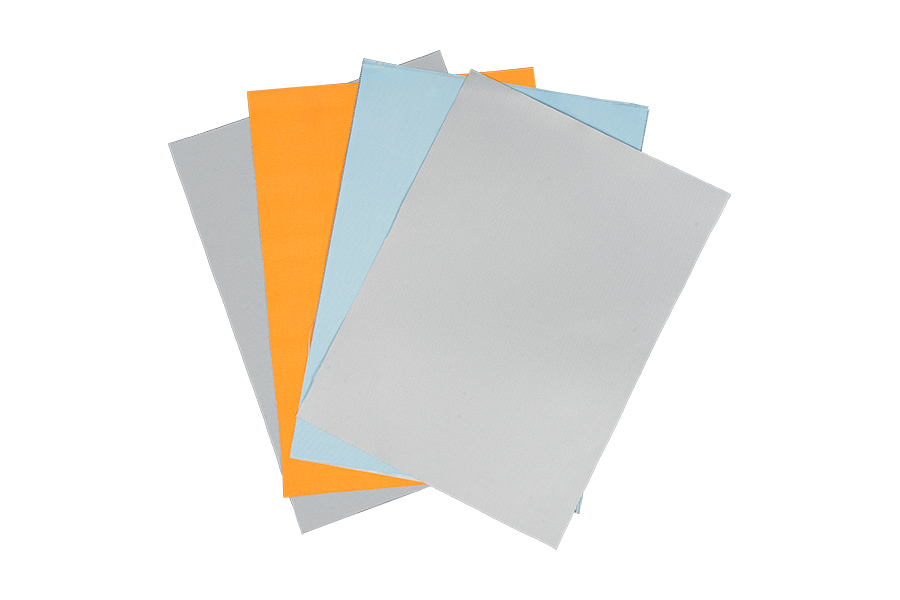
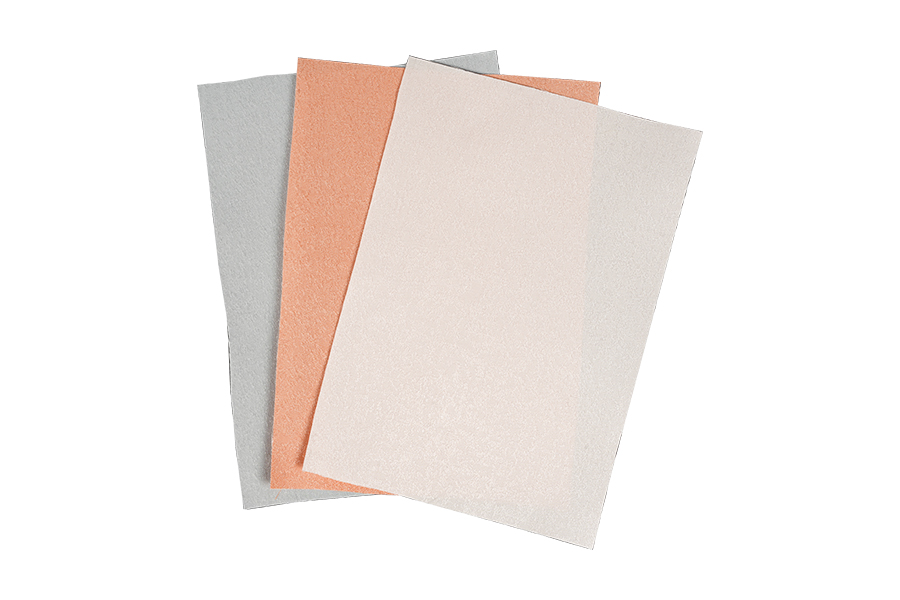
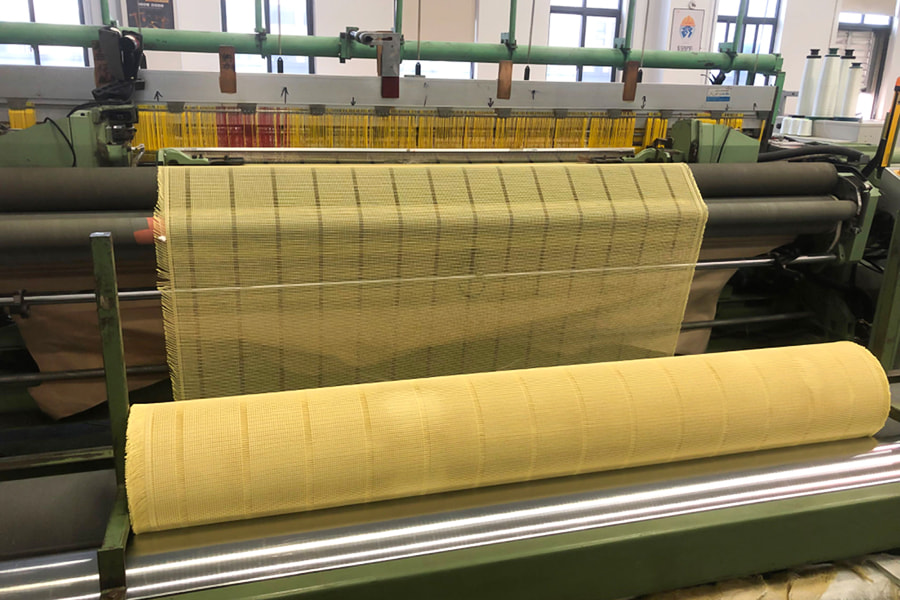
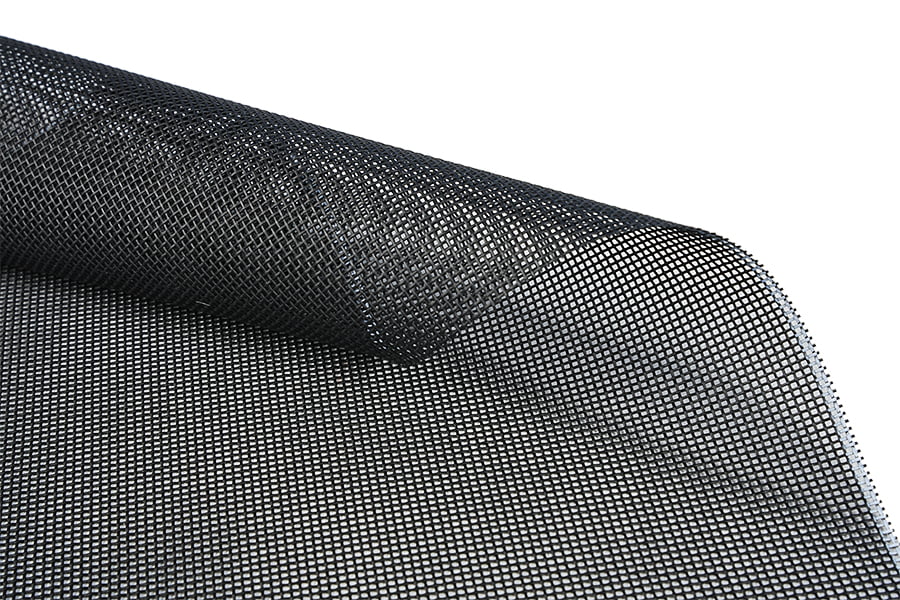
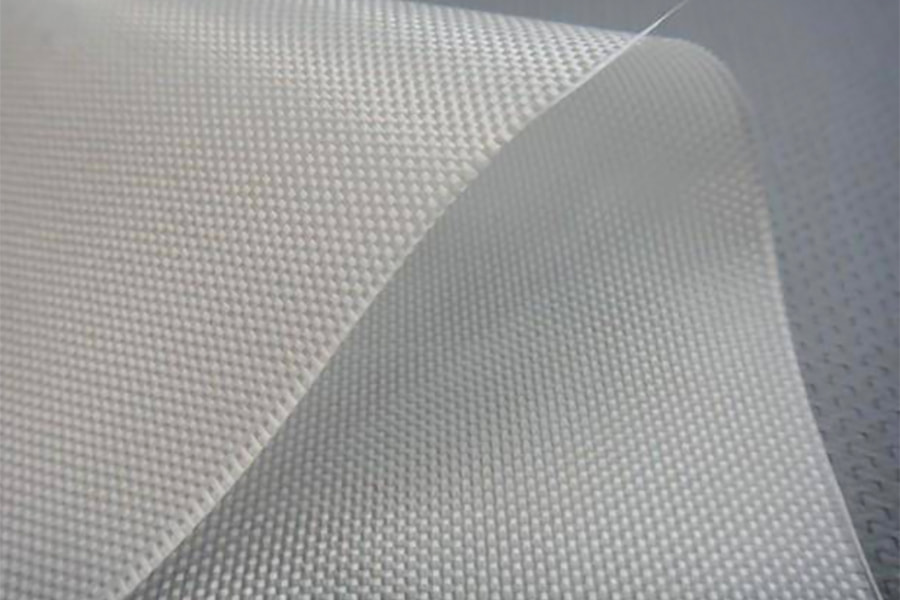

Fiberglass Cloth for Printed Circuit Board Laminates
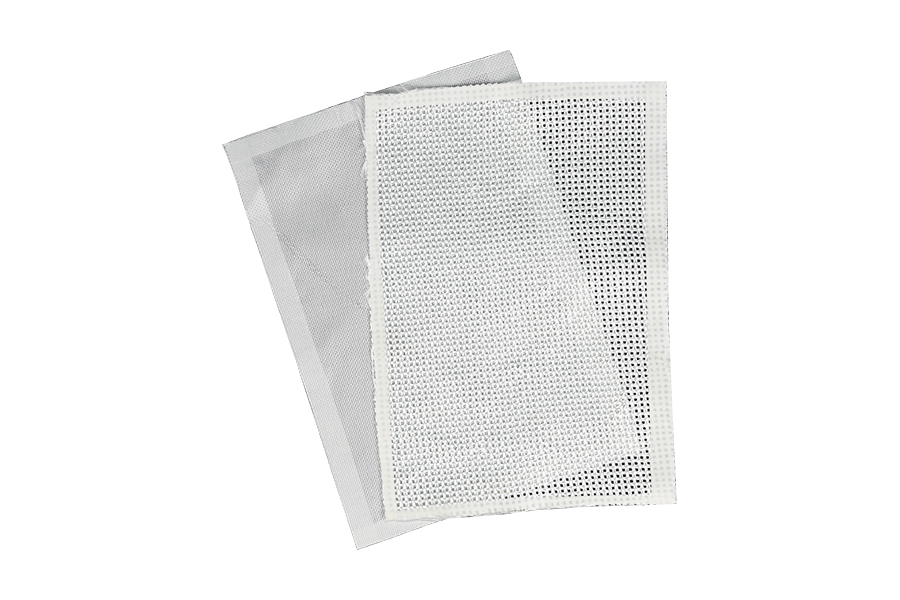
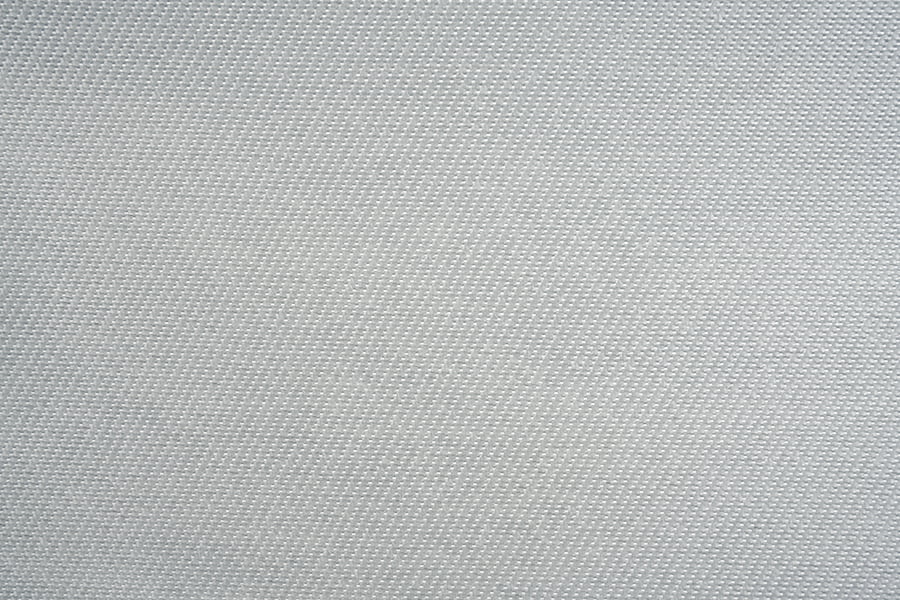
Fiberglass Cloth for Printed Circuit Board Laminates is a woven glass fiber reinforcement used in the production of glass-reinforced epoxy laminates for printed circuit boards. During laminate manufacturing, the fabric is impregnated with a formulated resin system, dried or advanced to produce prepreg, and subsequently consolidated with copper foil or other laminate layers under controlled heat and pressure.
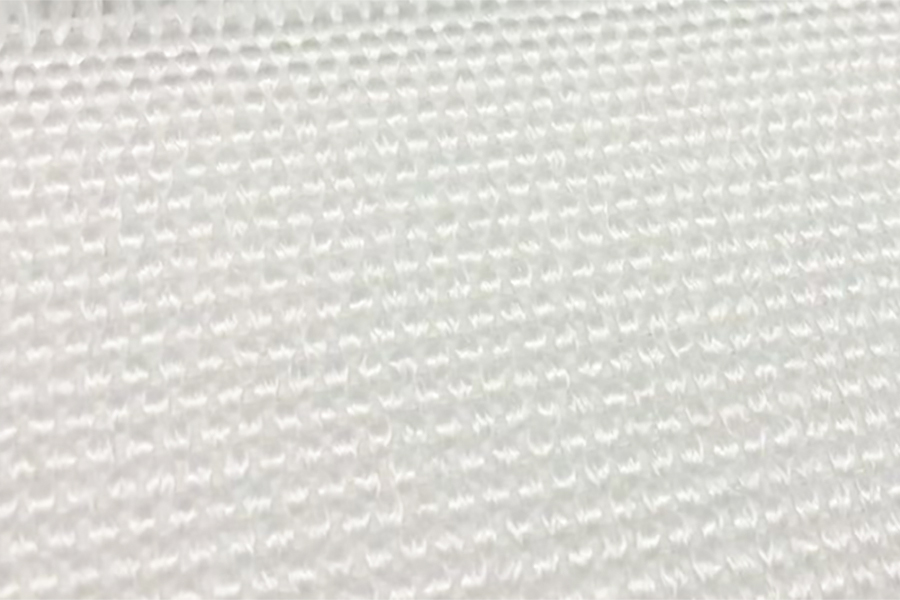
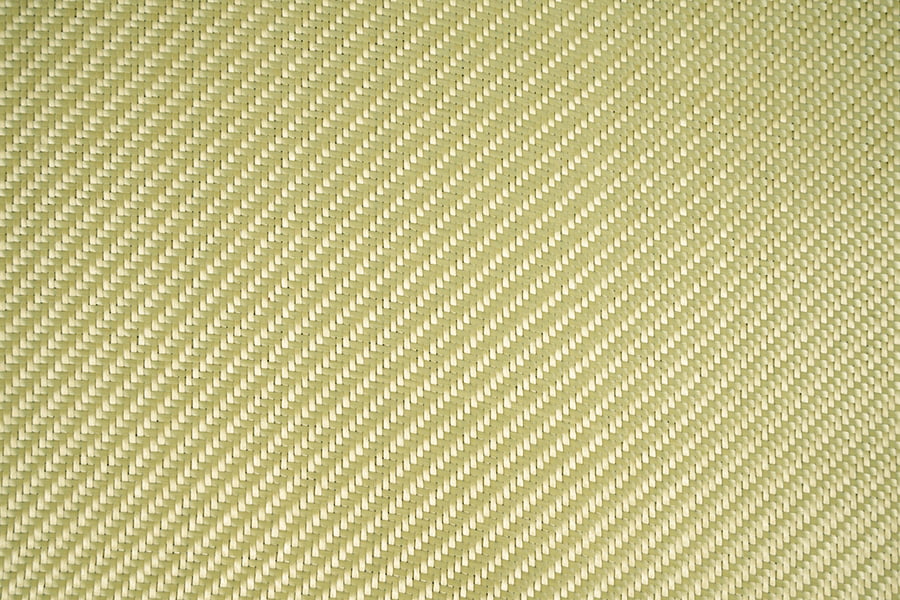
The fabric structure contributes to the mechanical stability, thickness consistency and dimensional behavior of the finished laminate. Its weave construction, yarn specification, areal weight, thickness, dielectric characteristics and surface treatment must be evaluated in relation to the resin system and PCB design requirements. For laminate manufacturers, consistent fabric construction and reliable batch control are important for maintaining repeatable prepreg and laminate production.
What Is Fiberglass Cloth Used in PCB Laminates?
Printed circuit board laminates are composite materials that use reinforcing fabric and a thermosetting resin matrix. Fiberglass cloth is one of the main reinforcement materials in glass-reinforced epoxy laminates. It provides a woven glass structure that is integrated into the cured resin matrix during the pressing process.
In conventional FR-4 production, glass fabric is impregnated with epoxy resin to form prepreg. Multiple prepreg layers may then be combined with copper foil and consolidated to create copper-clad laminate. The resulting laminate is processed further to manufacture printed circuit boards.
The fabric itself does not determine the complete electrical performance of the PCB substrate. Dielectric constant, dissipation factor, thermal behavior and other finished-laminate properties depend on the combined effects of glass composition, fabric construction, resin formulation, resin content and manufacturing conditions.
How Fiberglass Cloth Fits into PCB Laminate Construction
Glass fabric becomes part of a layered composite structure after resin impregnation and lamination. In copper-clad laminate production, the reinforced resin layers are consolidated with copper foil according to the required substrate design.
Reinforcement Within the Resin Matrix
The glass fabric maintains a continuous woven reinforcement network. After impregnation and curing, the epoxy matrix surrounds the glass yarns and bonds the composite layers together.
Fabric construction and resin formulation should be evaluated together to meet the required laminate thickness, electrical characteristics and processing conditions.
Actual PCB laminate structures vary by layer count, copper configuration, prepreg type and product design. The diagram is a simplified material illustration.
Functions of Fiberglass Cloth in PCB Substrates
Fabric selection influences the physical structure of the laminate and contributes to several important substrate characteristics.
Mechanical Reinforcement
The woven glass yarn structure reinforces the cured resin matrix and contributes to the mechanical strength and rigidity of the laminate.
Dimensional Stability
Glass reinforcement helps control dimensional changes in the composite substrate. The actual expansion behavior depends on fabric orientation, glass content and resin characteristics.
Thickness Control
Fabric thickness and areal weight contribute to prepreg and laminate thickness design, together with resin content and the number of reinforcement layers.
Electrical Insulation Structure
Glass fabric is incorporated into insulating resin systems used in PCB substrates. Finished dielectric properties are determined by the complete laminate formulation and construction.
Thermal Behavior
The glass reinforcement and resin matrix work together to influence the laminate's thermal expansion and dimensional response during PCB processing and service.
Layer Integration
When properly impregnated, the fabric becomes integrated with the resin matrix and supports bonding within the consolidated laminate structure.
Fiberglass Cloth Parameters for PCB Laminate Manufacturing
PCB laminate manufacturers generally select glass fabric according to defined material specifications. The following parameters should be considered as part of the complete prepreg and laminate design.
Fiberglass Cloth and Resin Systems for PCB Laminates
Epoxy resin is widely used in glass-reinforced PCB laminate systems, including conventional FR-4 materials. The selected fabric must allow consistent resin impregnation and provide suitable interfacial compatibility with the resin formulation.
Resin chemistry, viscosity, curing behavior and target resin content all affect the impregnation process. Glass fiber sizing also plays a role in the interaction between the fabric surface and the resin matrix. For this reason, fabric selection should be confirmed against the actual resin system rather than based on a general claim of universal compatibility.
Specialized PCB laminate systems may use different resin chemistries to meet particular electrical, thermal or processing requirements. These systems require their own fabric and sizing compatibility evaluation.
Check whether the resin can penetrate the fabric structure consistently.
Confirm that the glass surface treatment is suitable for the resin chemistry.
Evaluate resin pickup and distribution according to the prepreg specification.
Verify that fabric and resin work within the specified pressing and curing process.
From Fiberglass Cloth to Printed Circuit Board Laminate
Fiberglass fabric passes through several material preparation and laminate manufacturing stages before it becomes part of a finished PCB substrate.
Incoming Fabric Inspection
Check fabric style, areal weight, width, thickness, yarn distribution and roll condition.
Resin Impregnation
Impregnate the fabric with the selected resin system and control resin distribution.
Prepreg Preparation
Apply controlled drying or advancement conditions to prepare the material for subsequent lamination.
Layer Stacking
Arrange prepreg layers and copper foil according to the required laminate construction.
Pressing and Curing
Apply the specified temperature and pressure cycle to consolidate the layers and cure the resin.
Laminate Inspection
Check finished thickness, surface condition, dimensional properties and specified electrical or thermal performance.
Factors Affecting PCB Laminate Performance
Fiberglass cloth is one component of a multi-material system. Finished laminate performance depends on the interaction between reinforcement, resin formulation and processing conditions.
Dielectric Properties
Dielectric constant and dissipation factor depend on glass composition, resin chemistry, resin content, frequency and test conditions.
Thermal Expansion
Glass reinforcement contributes to the laminate's dimensional response under temperature changes. Fabric orientation and resin characteristics are also relevant.
Moisture Behavior
Moisture absorption is influenced by the resin system, glass-resin interface, laminate construction and environmental exposure.
Mechanical Strength
Fabric weight, yarn structure, resin bonding and laminate orientation contribute to mechanical properties in different directions.
Thickness Uniformity
Fabric thickness, resin content, layer count and press conditions affect the dimensional consistency of the laminate.
Drilling and Machining
Glass fabric construction and cured laminate properties influence drilling behavior, tool wear and hole-wall quality during PCB fabrication.
Fabric Quality Checks for PCB Laminate Applications
Incoming fabric inspection supports stable prepreg production and helps reduce material variation. Inspection methods and acceptance limits should follow the buyer's technical specification.
PCB Products Using Glass-Reinforced Laminates
Fiberglass-reinforced epoxy laminates are used across different printed circuit board categories. The exact fabric and resin combination varies with electrical, thermal and structural requirements.
FR-4 Printed Circuit Boards
Glass-reinforced epoxy substrates used in a wide range of general electronic products and multilayer PCB designs.
Multilayer PCB Laminates
Prepreg and core materials used in multilayer board construction with defined dielectric and dimensional requirements.
High-Frequency Circuit Materials
Specialized laminate systems where fabric construction and resin formulation are selected according to frequency-dependent electrical requirements.
Industrial Control Boards
Printed circuit board substrates used in industrial control equipment and electronic assemblies.
Automotive Electronics
Glass-reinforced laminate materials used in selected automotive electronic circuit applications, subject to product qualification.
Communication Equipment
PCB laminate systems used in communication devices and network equipment, according to their electrical and reliability specifications.
What PCB Laminate Manufacturers Should Specify
For stable production and repeat purchasing, buyers should provide both the fabric specification and the target laminate requirements. This makes it easier to assess material suitability and establish consistent acceptance criteria.
Glass type, fabric style, weave construction and yarn specification.
Areal weight, thickness, width and specified tolerances.
Sizing type and compatibility with the intended resin chemistry.
Epoxy formulation and any specialized resin requirements.
Resin content, thickness, flow and advancement requirements.
Dielectric, thermal, mechanical and moisture-related requirements.
Roll width, roll length, packaging and material handling requirements.
Inspection criteria, batch traceability and agreed test documentation.
Fiberglass Cloth for Printed Circuit Board Laminates FAQ
Common questions about glass fabric selection, PCB prepreg production and laminate performance.
What is fiberglass cloth used for in printed circuit board laminates?
Fiberglass cloth is used as the woven reinforcement in glass-reinforced PCB laminates. It is impregnated with resin to form prepreg and then consolidated into a laminate structure, often together with copper foil.
Why is fiberglass cloth used in FR-4 laminates?
Fiberglass cloth provides reinforcement within the epoxy resin matrix and contributes to the mechanical strength and dimensional stability of FR-4 laminates. The finished electrical and thermal properties depend on the complete laminate system.
Is E-glass commonly used for PCB laminate reinforcement?
E-glass is widely used in conventional glass-reinforced PCB laminate systems. Other glass compositions may be considered for specialized applications where different electrical or thermal characteristics are required.
Does fiberglass cloth determine the dielectric constant of a PCB laminate?
No. Dielectric constant is a property of the complete laminate system. It depends on glass composition, fabric construction, resin chemistry, resin content, frequency and test conditions.
How does fiberglass cloth affect PCB laminate thickness?
Fabric areal weight and thickness contribute to the reinforcement layer dimensions. Final laminate thickness also depends on resin content, the number of prepreg layers, copper foil and pressing conditions.
Why is sizing important for fiberglass cloth used in PCB laminates?
Sizing affects the interaction between the glass fiber surface and the resin system. A suitable treatment helps support wetting and interfacial bonding during prepreg and laminate production.
Can the same fiberglass cloth be used for all PCB resin systems?
Not necessarily. Different resin formulations may require different glass fiber surface treatments and fabric specifications. Compatibility should be confirmed through material evaluation and production trials.
What is the difference between PCB fiberglass cloth and PCB prepreg?
Fiberglass cloth is the dry woven reinforcement material. PCB prepreg is the semi-finished material produced after the fabric has been impregnated with resin and processed to a controlled advancement state.
What fabric information should buyers provide when requesting a quotation?
Buyers should specify glass type, fabric style, areal weight, thickness, weave, width, sizing requirements and intended resin system. Target prepreg and finished laminate requirements are also useful for material evaluation.