

 English
 中文简体
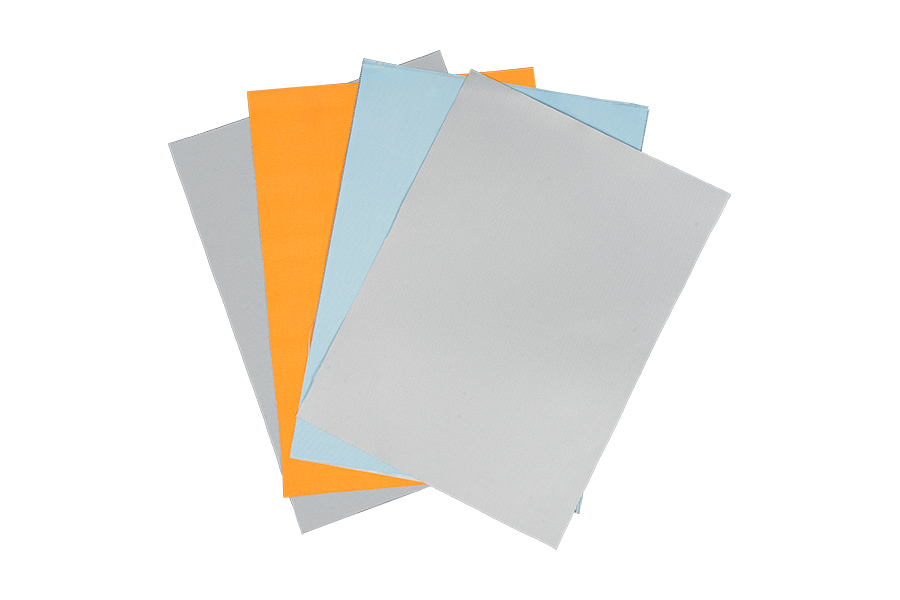
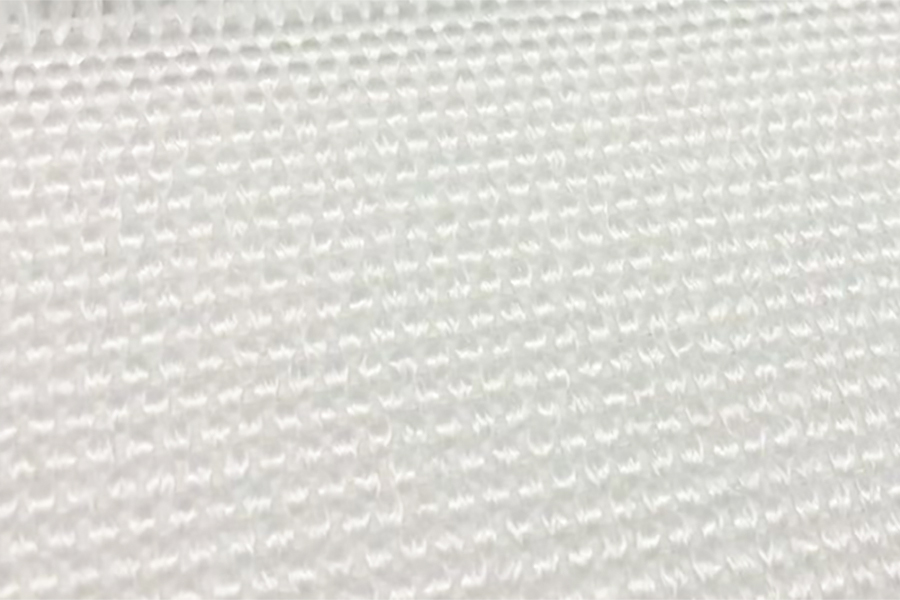
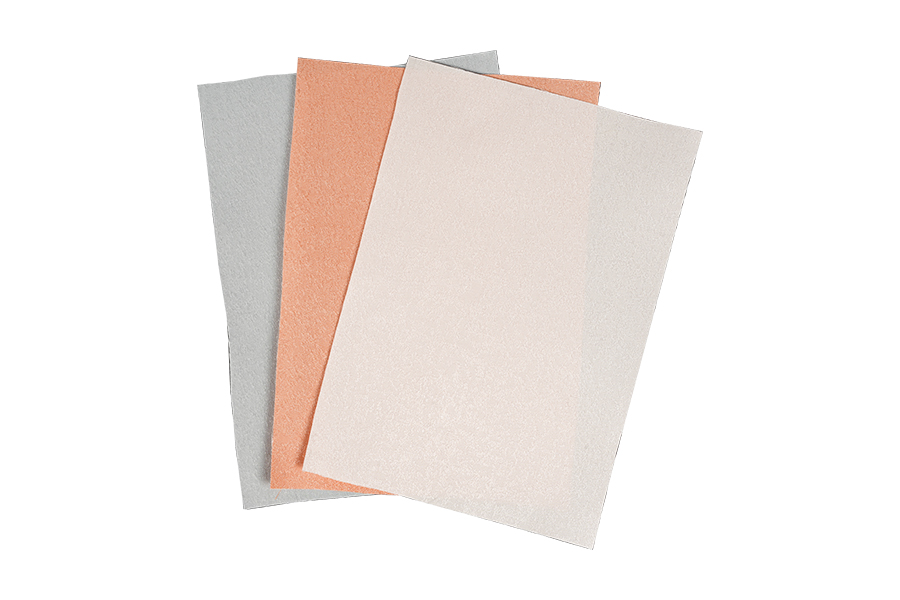
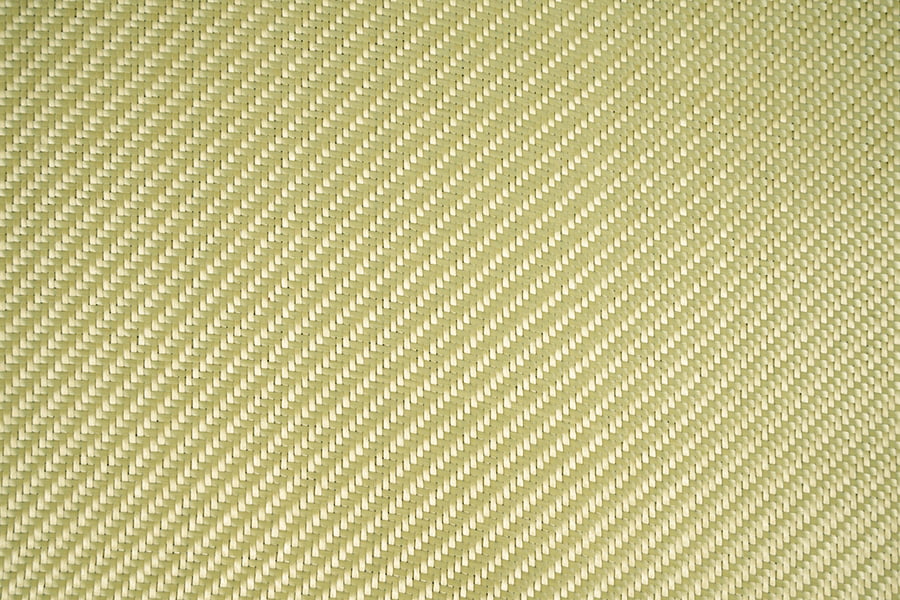

Fiberglass Cloth for Pultruded Profiles
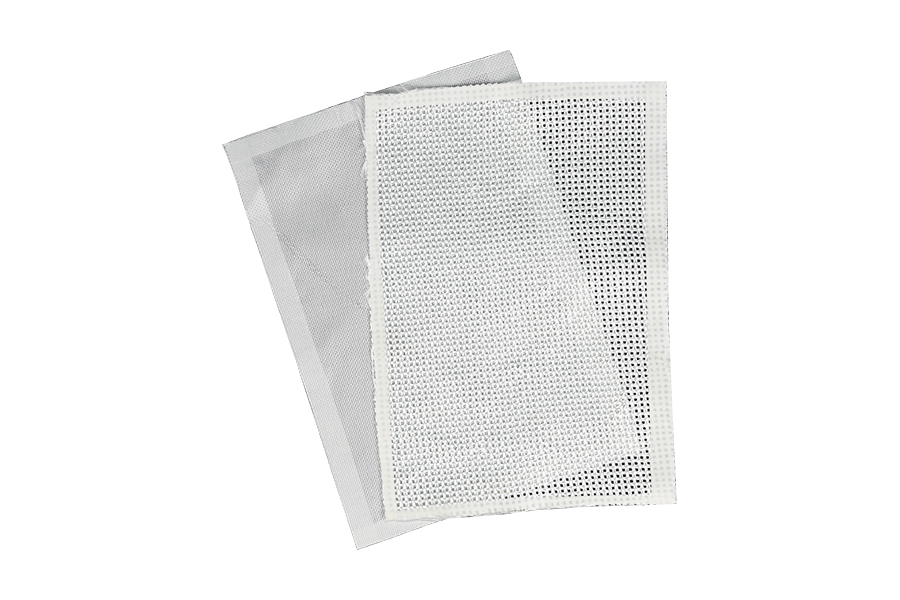
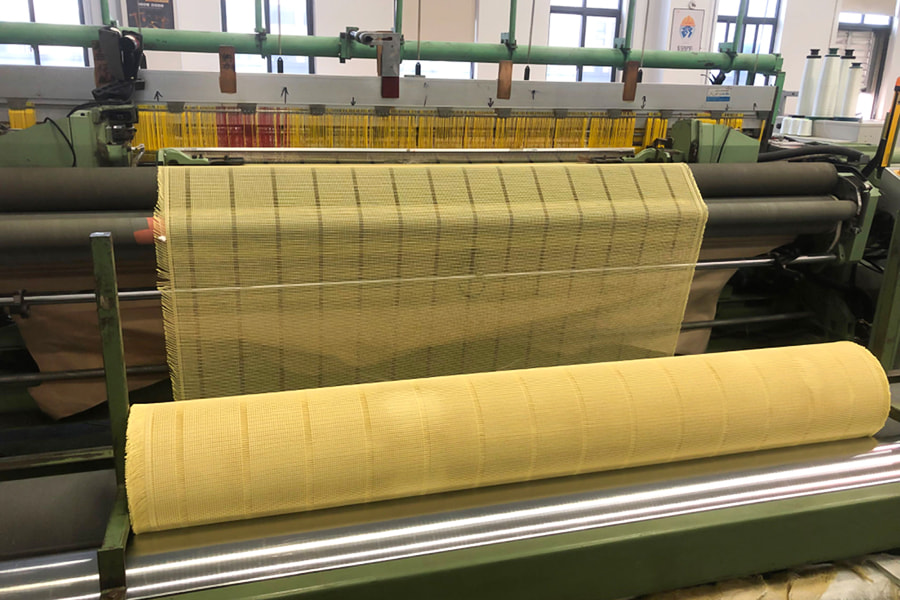
Fiberglass Cloth for Pultruded Profiles is a woven reinforcement material used in the production of selected fiber-reinforced polymer (FRP) profiles. In a pultrusion line, reinforcement materials are continuously fed through a resin impregnation system and then pulled through a heated forming die. The resin cures inside the die, producing a continuous composite profile with a defined cross-sectional shape.
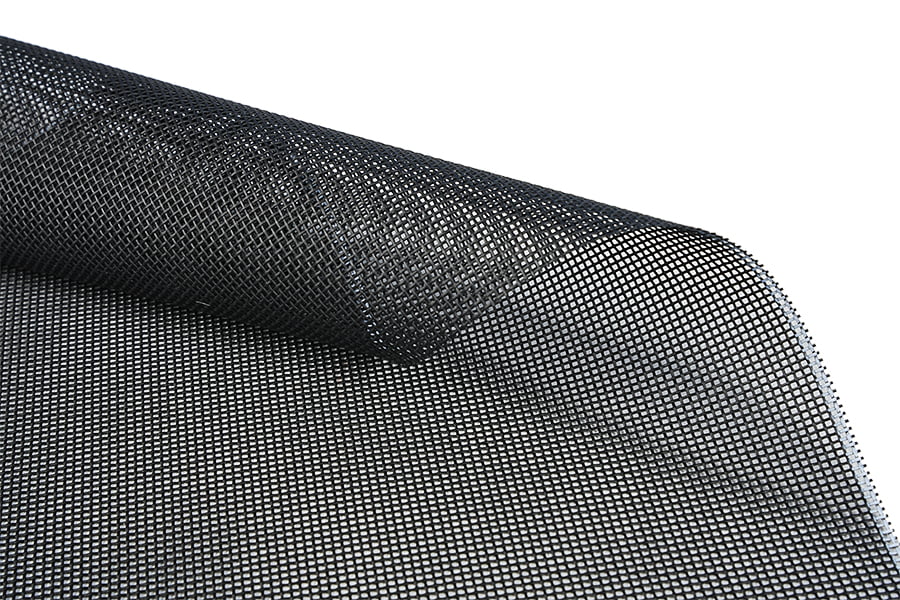
Woven fiberglass cloth can be incorporated into the reinforcement arrangement to provide transverse fiber distribution, surface reinforcement or additional structural support, depending on the profile design. Its weave pattern, areal weight, thickness, width and handling characteristics should be matched to the die geometry, resin system and production requirements. Material selection is therefore closely related to profile dimensions, reinforcement architecture and the stability of continuous manufacturing.
How Fiberglass Cloth Is Used in Pultruded Profile Production
Pultrusion is a continuous manufacturing process in which reinforcement materials are drawn through a resin system and a heated forming die. The reinforcement arrangement is designed around the required profile geometry and structural performance.
Reinforcement Feeding
Fiberglass rovings, woven cloth and other specified reinforcement materials are supplied continuously to the production line.
Resin Impregnation
Reinforcement materials pass through the resin system, allowing the matrix to wet the fibers before entering the forming die.
Die Forming
The impregnated reinforcement is guided into a heated die that establishes the required profile cross-section.
Thermal Curing
The resin cures under controlled temperature conditions as the reinforcement moves through the die.
Pulling and Cutting
The cured profile exits the die and is continuously pulled before being cut to the specified production length.
The Role of Woven Cloth in Pultruded FRP Profiles
Pultruded profiles commonly combine different reinforcement forms. Continuous rovings provide the primary longitudinal reinforcement, while woven fabrics and other materials can be incorporated to address additional reinforcement and surface requirements.
Longitudinal Reinforcement
Continuous fiberglass rovings are commonly used to provide reinforcement along the pulling direction. Their quantity and arrangement are determined by the profile design and required mechanical properties.
Woven Fiberglass Cloth
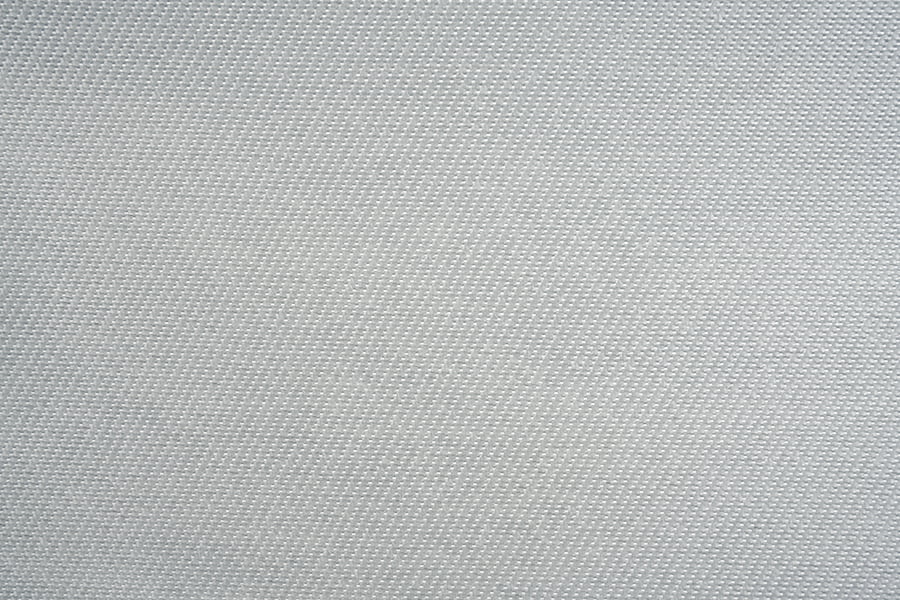
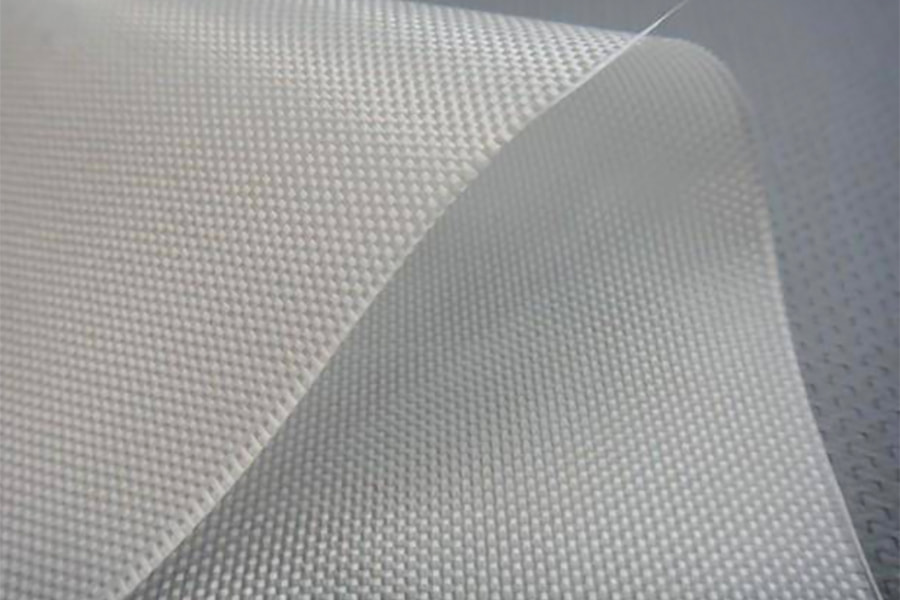
Woven cloth introduces an organized warp-and-weft reinforcement structure. Depending on its position and construction, it can contribute to transverse reinforcement, local structural support and surface reinforcement.
Surface Veil and Additional Layers
Surface veils or other reinforcement materials may be included when the profile specification requires particular surface characteristics, resin distribution or additional structural functions.
Not every pultruded profile requires woven fiberglass cloth. The reinforcement package should be developed according to the cross-section, load direction, wall thickness, die design and production method.
Fiberglass Cloth Specifications for Pultrusion
Fabric construction influences how the material feeds into the production line, follows the profile geometry and integrates with other reinforcement components. Several parameters should be reviewed before selecting a suitable fabric specification.
Plain weave, twill weave or other available woven constructions.
Influences fabric stability, handling and yarn distribution.
Fabric mass per square meter, expressed in GSM.
Affects reinforcement content and the overall material package.
Thickness of the woven reinforcement under the specified test conditions.
Needs to be considered in relation to die clearance and profile wall design.
Available roll width and the required cutting dimensions.
Should correspond to the reinforcement layout and feeding arrangement.
Warp and weft yarn types, linear density and fabric construction.
Influences reinforcement distribution and material handling.
Glass fiber surface treatment designed for the selected resin system.
Influences fiber-resin interaction and composite interface performance.
Choosing a Weave Pattern for Profile Reinforcement
Weave selection should reflect the geometry and reinforcement arrangement of the pultruded product. Fabric stability during continuous feeding and compatibility with the resin system are important considerations.
Plain Weave Fiberglass Cloth
Warp and weft yarns interlace alternately, creating a regular woven structure. This construction can be evaluated for profile reinforcement layouts requiring consistent fabric handling and a balanced yarn arrangement.
Twill Weave Fiberglass Cloth
Yarns interlace in a staggered sequence, forming a diagonal pattern. Depending on the construction, twill fabrics may offer different draping and handling characteristics when used in selected profile geometries.
Customized Woven Construction
Other woven configurations can be considered according to the reinforcement arrangement, profile cross-section and technical requirements. The feasibility of continuous feeding should be evaluated during material trials.
Matching Fiberglass Cloth with Pultrusion Resins
The resin system determines the matrix properties and influences the processing conditions inside the pultrusion die. Fiberglass cloth sizing should be compatible with the selected resin chemistry and curing system.
Polyester Resin
Used in many general-purpose FRP pultrusion applications. The fabric sizing and resin formulation should be evaluated together to support suitable wetting and bonding.
Vinyl Ester Resin
Selected for applications where the required chemical and mechanical properties call for a vinyl ester matrix. Processing and curing parameters must be established for the complete material system.
Epoxy Resin
Used in selected pultrusion systems requiring an epoxy-based matrix. Fabric treatment, resin viscosity and die curing conditions should be verified for the intended production line.
Resin suitability depends on the formulation, catalyst or curing agent, glass fiber sizing and processing parameters. Compatibility should be confirmed through technical evaluation and production trials.
Typical Pultruded Profiles Using Fiberglass Reinforcement
Different profile shapes require different reinforcement layouts. Woven fiberglass cloth may be incorporated where the structural design calls for additional transverse or surface reinforcement.
FRP Flat Profiles
Flat strips and panels used in equipment structures, protective components and fabricated assemblies.
FRP Angle Profiles
Angle-shaped sections for support structures, frames and connecting components.
FRP Channel Profiles
Channel sections used in structural frameworks, platforms and industrial assemblies.
FRP I-Beam Profiles
Structural sections designed for applications requiring defined load-bearing characteristics.
FRP Tubes and Rods
Hollow or solid pultruded sections used in support members, equipment parts and structural components.
Custom Cross-Sections
Special profile geometries developed around application-specific drawings and reinforcement requirements.
Material Requirements for Stable Pultrusion Operations
Unlike discontinuous molding processes, pultrusion relies on continuous reinforcement feeding and a stable pulling cycle. Fabric characteristics can affect the consistency of material delivery and the finished profile.
Continuous Feeding Behavior
Fabric rolls should unwind and feed consistently without excessive edge damage, folds or interruptions. Roll condition, width consistency and winding quality are relevant to production setup.
Resin Wetting and Flow
Fabric construction and sizing influence how resin interacts with the reinforcement. The selected material should work with the impregnation arrangement and resin flow conditions used on the production line.
Die Entry and Profile Forming
The reinforcement package must enter the forming die in the intended position. Fabric thickness, width, flexibility and layer arrangement should be considered alongside the die design.
Batch-to-Batch Consistency
Stable fabric weight, construction and dimensional characteristics support repeatable reinforcement arrangements and help reduce material variation during continuous production.
Applications of Fiberglass-Reinforced Pultruded Profiles
Pultruded FRP profiles are used in industries where corrosion resistance, electrical insulation, dimensional consistency or a specific strength-to-weight balance is required by the application design.
Electrical Infrastructure
Support members, cable management structures and selected insulating components.
Industrial Platforms
Structural sections for walkways, platforms, handrails and equipment access systems.
Chemical Processing Facilities
Selected FRP structures and components used in environments requiring corrosion-resistant materials.
Construction and Building Systems
Reinforced sections for frames, supports and other engineered building components.
Transportation Equipment
Selected structural and functional components for transportation-related equipment.
Water and Wastewater Facilities
FRP structural components used in selected water treatment and wastewater infrastructure projects.
Quality Factors for Fiberglass Cloth Used in Pultrusion
Material inspection should focus on the characteristics that influence continuous feeding, reinforcement placement and compatibility with the resin system.
Check areal weight consistency against the agreed material specification.
Verify dimensional characteristics for the required reinforcement layout.
Inspect yarn distribution, weave regularity and visible fabric defects.
Check fabric edges for damage that may interfere with continuous feeding.
Review roll alignment, winding condition and packaging protection.
Confirm sizing requirements and compatibility with the selected resin system.
Information to Prepare Before Purchasing Fiberglass Cloth
For pultrusion manufacturers, fabric selection should be based on the actual production line and profile design rather than fabric specifications alone.
Profile drawing, cross-section and wall dimensions.
Weave, GSM, thickness, width and yarn construction.
Roving quantity, fabric position and additional reinforcement layers.
Polyester, vinyl ester, epoxy or other specified resin system.
Line speed, impregnation method and die temperature range.
Mechanical, electrical, thermal and environmental criteria.
Roll length, core dimensions, packaging and storage conditions.
Trial quantity, regular consumption and delivery schedule.
When changing fabric construction or sizing, conduct a controlled trial on the intended pultrusion line. Review feeding stability, resin wet-out, die behavior and finished profile properties before approving the material for repeat orders.
Fiberglass Cloth for Pultruded Profiles FAQ
Technical information for buyers and manufacturers evaluating woven fiberglass reinforcement for pultrusion.
What is fiberglass cloth used for in pultruded profiles?
Woven fiberglass cloth can be incorporated into the reinforcement package of selected pultruded profiles. Depending on the design, it can contribute transverse reinforcement, local structural support or surface reinforcement alongside continuous glass fiber rovings.
Is fiberglass cloth the main reinforcement in pultrusion?
Not usually. Continuous fiberglass rovings commonly provide the primary longitudinal reinforcement in pultruded profiles. Woven cloth is generally used as part of a combined reinforcement arrangement when the profile design requires additional reinforcement directions or surface coverage.
Can plain weave fiberglass cloth be used for pultrusion?
Plain weave cloth can be evaluated for pultrusion when its construction, width, thickness and sizing are suitable for the profile design and production line. Feeding behavior and compatibility with the resin system should be verified through trials.
What is the difference between fiberglass roving and fiberglass cloth?
Fiberglass roving consists of continuous glass fiber strands commonly used for longitudinal reinforcement. Fiberglass cloth is made by weaving yarns in warp and weft directions, providing a structured fabric reinforcement that can contribute additional directional support.
Which resin systems can be used with fiberglass cloth for pultrusion?
Polyester, vinyl ester and epoxy resin systems are used in different pultrusion applications. The fabric sizing must be compatible with the selected resin formulation and curing conditions.
How does fabric width affect pultrusion production?
Fabric width should correspond to the reinforcement layout and profile cross-section. Incorrect width may cause feeding difficulties, unwanted folds or inconsistent material positioning. The required dimensions should be confirmed using the actual die and reinforcement arrangement.
Does fiberglass cloth improve the transverse properties of pultruded profiles?
Woven cloth introduces fibers in both warp and weft directions, which may contribute to transverse reinforcement depending on its placement and orientation. The actual effect depends on the complete reinforcement package, resin matrix and profile design.
What should be checked when changing fiberglass cloth suppliers?
Compare weave construction, areal weight, thickness, width, yarn specifications, sizing and roll condition. A production trial should also evaluate feeding stability, resin wet-out, die operation and finished profile consistency.
Can fiberglass cloth specifications be customized for pultrusion?
Fabric specifications can be discussed according to the required weave, weight, width, thickness and resin compatibility. The final specification should be confirmed against the production line, profile geometry and reinforcement design.