


 English
 中文简体
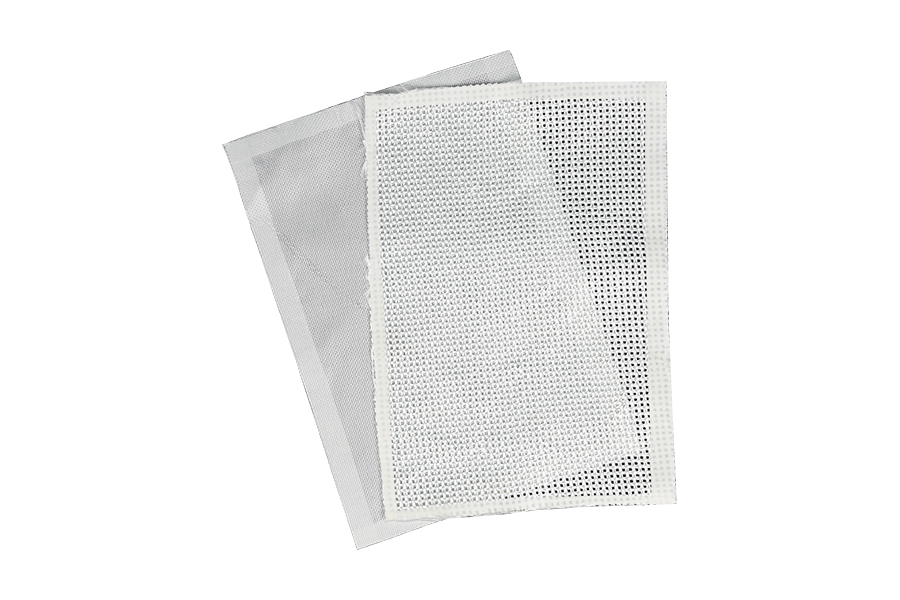
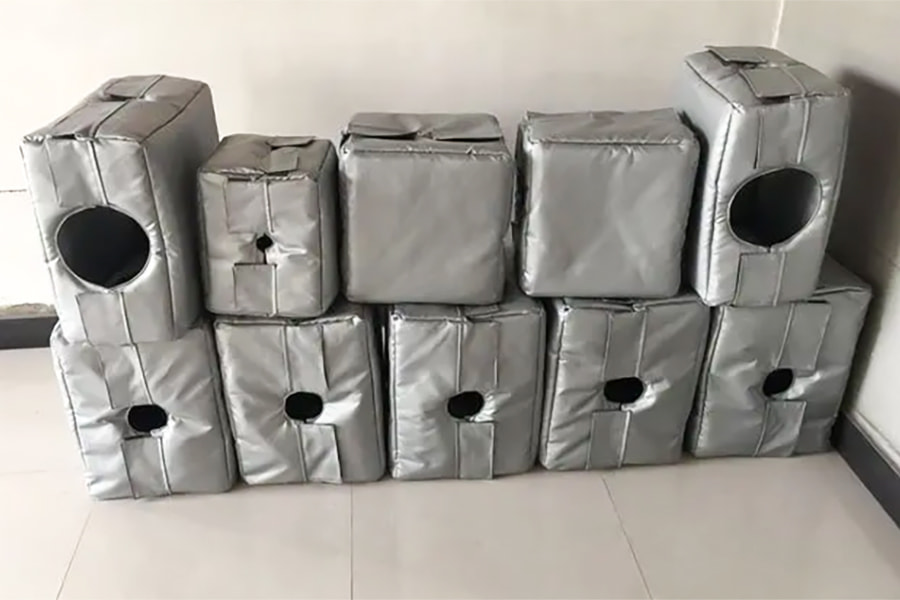
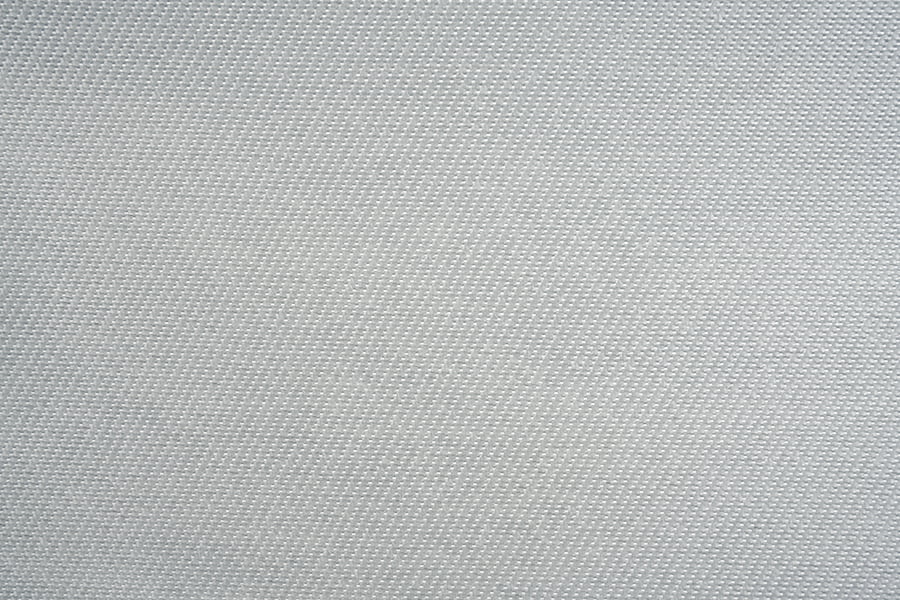
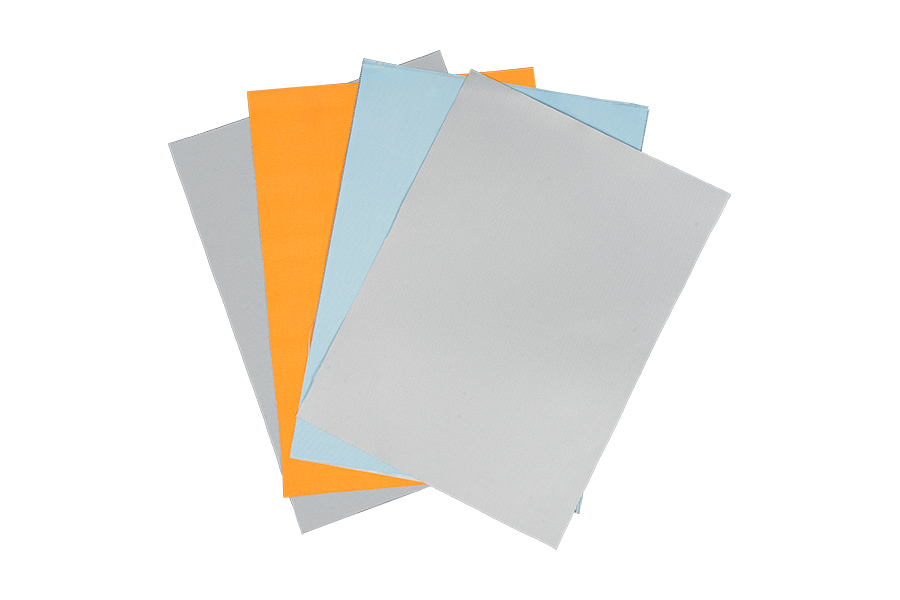
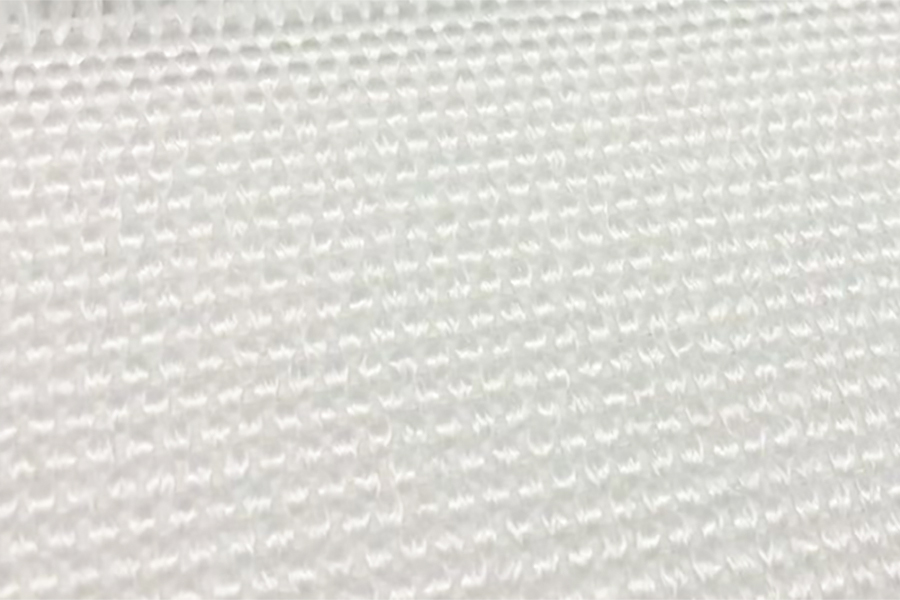
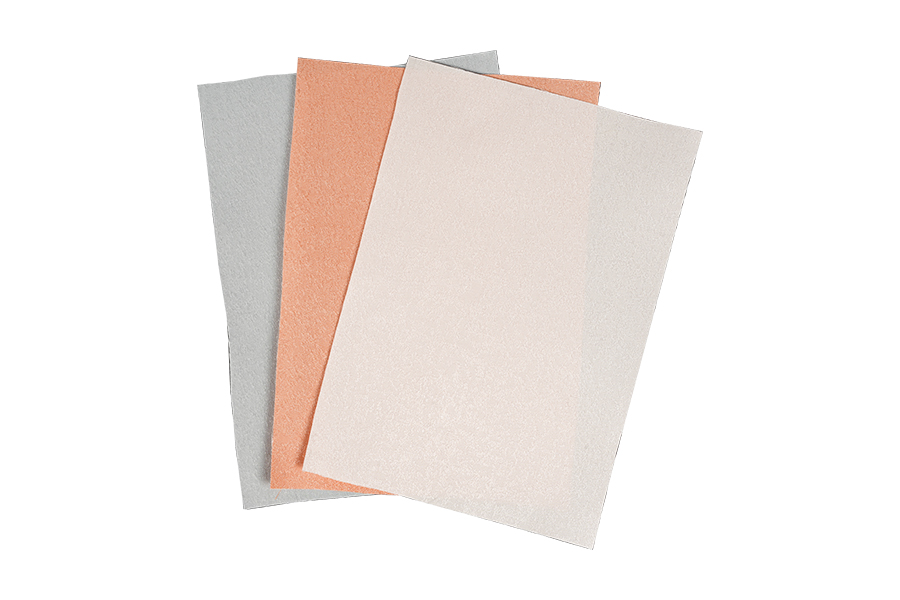
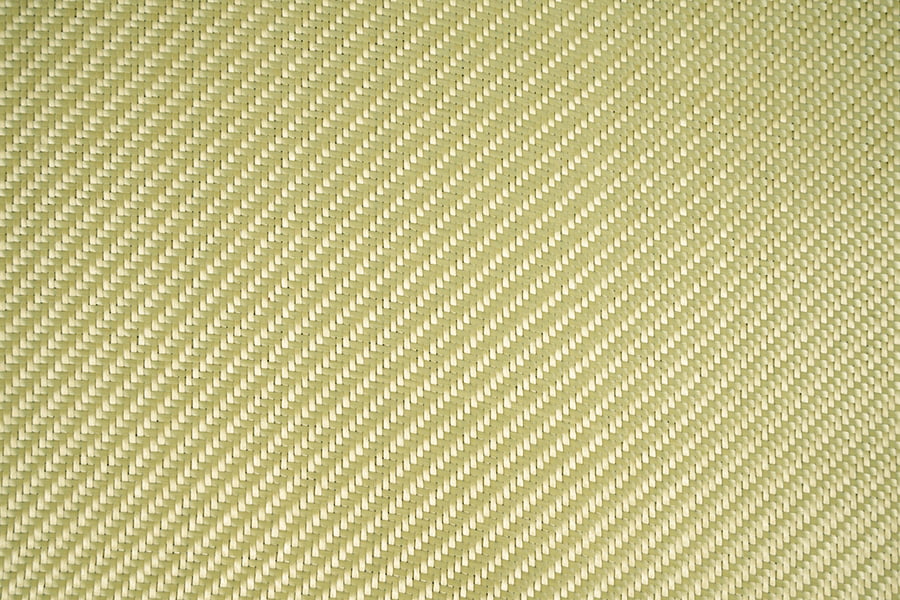
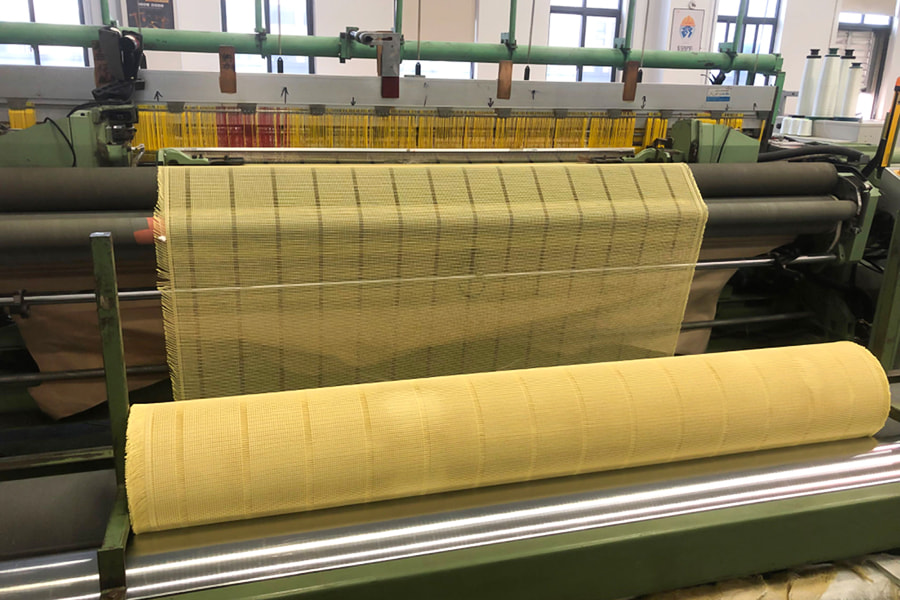
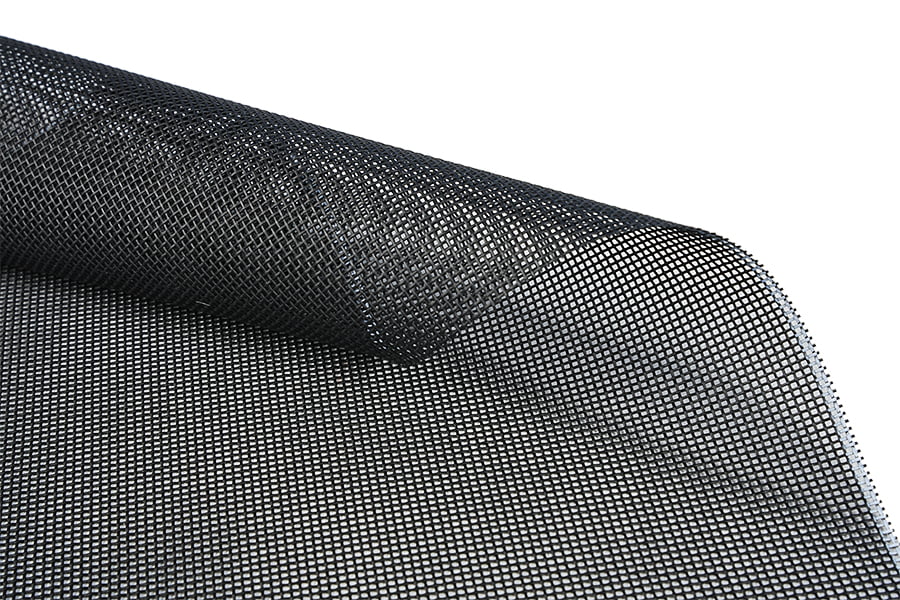
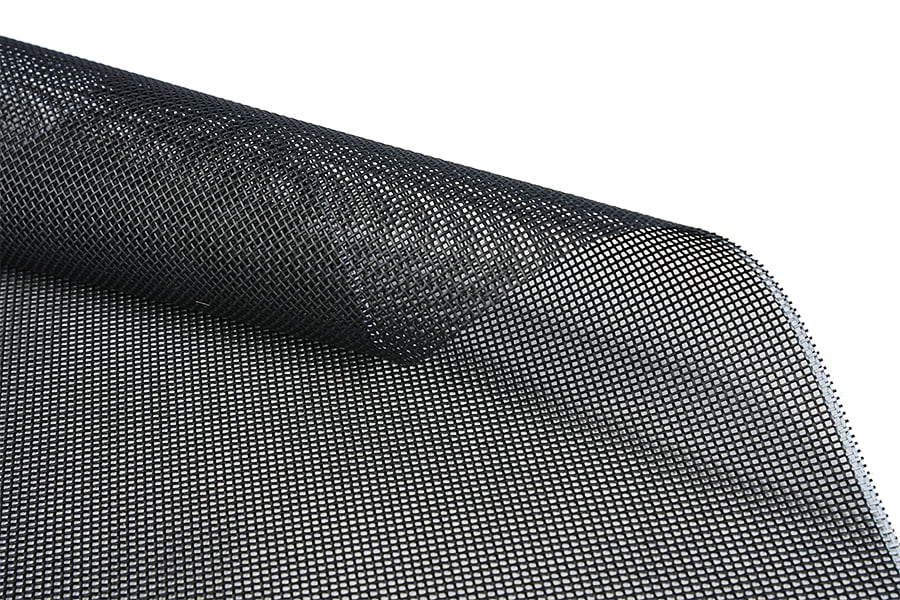
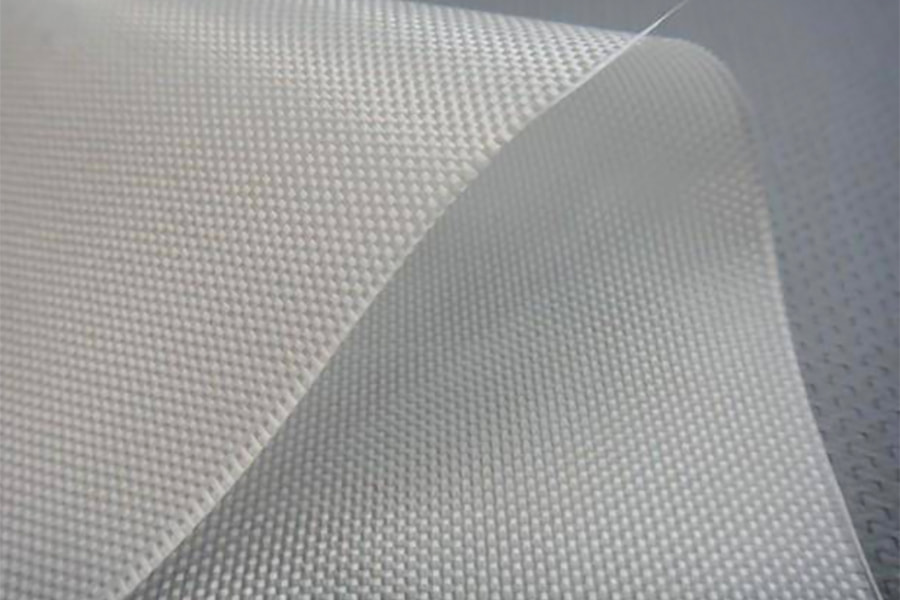

Fiberglass Cloth for Resin Impregnation
Fiberglass Cloth for Resin Impregnation is a woven reinforcement material designed for integration with liquid or formulated resin systems during composite manufacturing. The fabric structure provides a supporting framework for resin penetration, distribution and consolidation, allowing manufacturers to produce reinforced sheets, panels, laminates and other composite components.
Its suitability for impregnation depends on several interacting factors, including yarn construction, weave density, fabric weight, thickness and surface sizing. These characteristics influence how resin enters the fabric structure and how the reinforcement behaves during subsequent processing. Selecting the appropriate cloth requires consideration of the resin chemistry, impregnation method, curing process and physical requirements of the finished composite.
A Reinforcement Fabric for Resin-Based Composite Production
In composite manufacturing, fiberglass cloth is combined with resin to form a reinforced material in which the fibers provide structural support and the cured resin binds the reinforcement into a unified structure. Before curing, the resin must penetrate the fabric sufficiently to establish contact with the glass fiber yarns and fill the intended reinforcement structure.
Fabric construction plays an important role in this process. Yarn spacing, weave pattern and fabric thickness influence the available pathways for resin flow. Surface sizing also affects the interaction between the glass fiber surface and the resin formulation. These factors should be evaluated together rather than treating resin impregnation as a property determined by fabric weight alone.
Different production methods may require different fabric characteristics. Wet lay-up, resin bath impregnation, prepreg production and other resin application processes have distinct requirements for resin viscosity, penetration, fabric handling and processing control. The selected fiberglass cloth should therefore correspond to the actual production method and the intended composite structure.
How Fabric Characteristics Affect Resin Penetration
Resin impregnation is influenced by both the reinforcement architecture and the processing conditions. Understanding these factors helps composite manufacturers select a fabric that works with their existing production system.
Determines the spacing between yarns and affects the pathways available for resin movement through the fabric.
Influences the distance resin must penetrate and should be considered when evaluating impregnation uniformity.
Affects the amount of reinforcement per unit area and the resin quantity required for the target composite construction.
Influences wetting and interfacial compatibility between the glass fiber surface and the selected resin chemistry.
Changes the internal fabric geometry and may influence resin access to individual yarn bundles.
Matching Fiberglass Cloth with the Intended Resin System
Resin compatibility is a central consideration when selecting fiberglass cloth for impregnation. The resin formulation determines important processing characteristics, including viscosity, working time, wetting behavior and curing response. The glass fabric must be suitable for the conditions under which the resin is applied and consolidated.
Epoxy, polyester and vinyl ester resins are used in different composite manufacturing applications. Their chemical characteristics and processing requirements are not identical. A compatible sizing system should be selected based on the specific resin formulation rather than assuming that one fabric treatment is suitable for every resin family.
For production validation, manufacturers should assess resin penetration, fabric handling, air release, resin distribution and the appearance of cured samples. The final evaluation should also consider the mechanical, thermal and environmental requirements of the finished composite.
Evaluate sizing compatibility, resin viscosity, impregnation conditions and curing requirements.
Confirm that the fabric treatment and resin formulation are suitable for the intended processing method.
Check fiber-resin compatibility and processing conditions for the intended composite application.
Typical Resin Impregnation Workflow
The following stages illustrate a general resin impregnation route. Actual equipment, operating parameters and process sequences vary according to the composite manufacturing method.
Fabric Preparation
Check roll condition, fabric dimensions and surface appearance before processing. Prepare the material for the selected impregnation method.
Resin Preparation
Prepare the resin formulation according to its specified mixing, viscosity and working-time requirements.
Fabric Impregnation
Apply resin to the fabric and control penetration, resin distribution and the removal of entrapped air as required by the process.
Layer Formation
Arrange impregnated fabric layers or reinforcement plies according to the intended component design.
Curing and Inspection
Complete the specified curing process and evaluate the resulting composite for surface condition, dimensions and required performance.
Where Resin-Impregnated Fiberglass Cloth Is Used
After impregnation and curing, fiberglass reinforcement becomes part of a resin-based composite structure. The following application areas represent common types of composite products where woven glass fiber reinforcement may be considered.
Industrial Composite Panels
Reinforced panels and sheets manufactured through resin impregnation and consolidation for industrial structures and equipment.
FRP Components
Glass fiber reinforced polymer components used in selected structural, protective and equipment-related applications.
Composite Laminates
Layered composite materials produced by combining impregnated fabric with other reinforcement or resin-based layers.
Electrical Insulation Materials
Selected insulating laminates and components where the complete material system meets the required electrical specifications.
Transportation Composites
Reinforced composite parts used in selected vehicle, marine and transportation structures, subject to design and material requirements.
Industrial Molded Products
Resin-based molded parts manufactured using woven fiberglass reinforcement for defined mechanical and structural functions.
Quality Factors Before and During Resin Impregnation
Fabric consistency is important for manufacturers seeking repeatable resin impregnation results. Variations in weave density, thickness, weight or surface treatment may change resin penetration and the amount of resin retained in the reinforcement.
Before production, buyers and material suppliers should establish an agreed specification covering the fabric construction and relevant inspection methods. Where the material is used in a continuous production process, incoming inspection and batch traceability can support the identification of material variations.
Check weave consistency, broken yarns, visible contamination and surface defects.
Measure areal weight and fabric thickness against the agreed specification.
Confirm the specified sizing or treatment and its suitability for the intended resin.
Evaluate wet-out, resin distribution and cured sample condition under representative process conditions.
Information to Include in a Fiberglass Cloth Inquiry
Providing detailed technical information helps suppliers evaluate material suitability and prepare a quotation based on the actual production requirements.
Weave type, yarn specification and required fabric structure.
Target GSM, thickness, width and allowable dimensional tolerances.
Resin family, formulation requirements and relevant processing conditions.
Wet lay-up, resin bath, prepreg production or another specified process.
Target laminate thickness, resin content, mechanical requirements and applicable performance criteria.
Order quantity, roll format, packaging, inspection documentation and delivery schedule.
Provide a sample of the existing fabric or a technical specification whenever possible. The target resin system and impregnation method should also be included to support a more accurate material assessment.
Fiberglass Cloth for Resin Impregnation FAQ
Technical information about fabric selection, resin compatibility and composite manufacturing.
What is fiberglass cloth for resin impregnation?
It is a woven glass fiber reinforcement fabric used in resin-based composite production. Resin penetrates the fabric structure and, after curing, binds the glass fiber reinforcement into a consolidated composite material.
Which resin systems can be used with fiberglass cloth?
Epoxy, polyester and vinyl ester resins are used in different fiberglass composite applications. The appropriate fabric sizing and construction must be evaluated for compatibility with the specific resin formulation.
Does fabric weight affect resin impregnation?
Yes. Areal weight influences the quantity of glass reinforcement per unit area and can affect resin demand and penetration conditions. However, impregnation also depends on weave density, thickness, yarn construction, resin viscosity and the processing method.
What is the difference between plain weave and twill weave fiberglass cloth?
Plain weave uses an alternating over-and-under yarn pattern, while twill weave has a staggered interlacing structure. Their handling, draping and reinforcement characteristics differ, so selection should be based on the composite design and production process.
Why is surface sizing important for resin impregnation?
Surface sizing influences the interaction between glass fibers and resin. A suitable sizing system supports compatibility at the fiber-resin interface. Its suitability should be confirmed with the intended resin chemistry and processing conditions.
What causes uneven resin impregnation in fiberglass fabric?
Possible factors include unsuitable resin viscosity, insufficient wetting, fabric construction, incompatible sizing, trapped air and inconsistent process conditions. A production trial can help identify the factors affecting impregnation uniformity.
Can fiberglass cloth be used for prepreg manufacturing?
Woven fiberglass cloth can be used as reinforcement in prepreg production when its construction, sizing and other material characteristics are compatible with the resin formulation and prepreg process. Specific requirements should be confirmed before material selection.
What specifications should be confirmed before purchasing?
Important specifications include glass fiber type, weave pattern, GSM, thickness, width, sizing, dimensional tolerances and roll configuration. Buyers should also provide the resin type and intended impregnation method.
Can fiberglass cloth specifications be customized?
Different fabric weights, widths, weave constructions and surface treatments may be evaluated according to manufacturing capabilities. The required specifications and resin application details should be provided for feasibility confirmation.