


 English
 中文简体
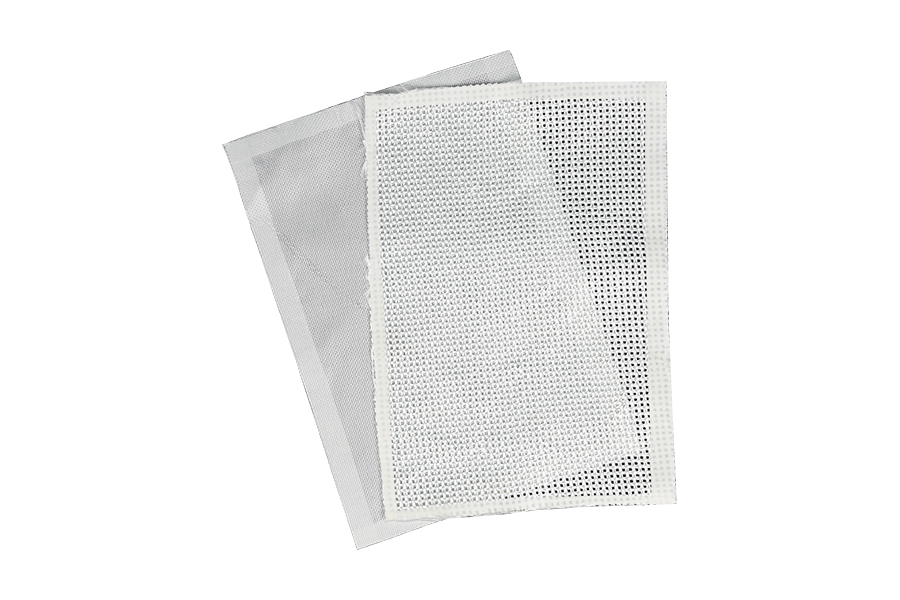

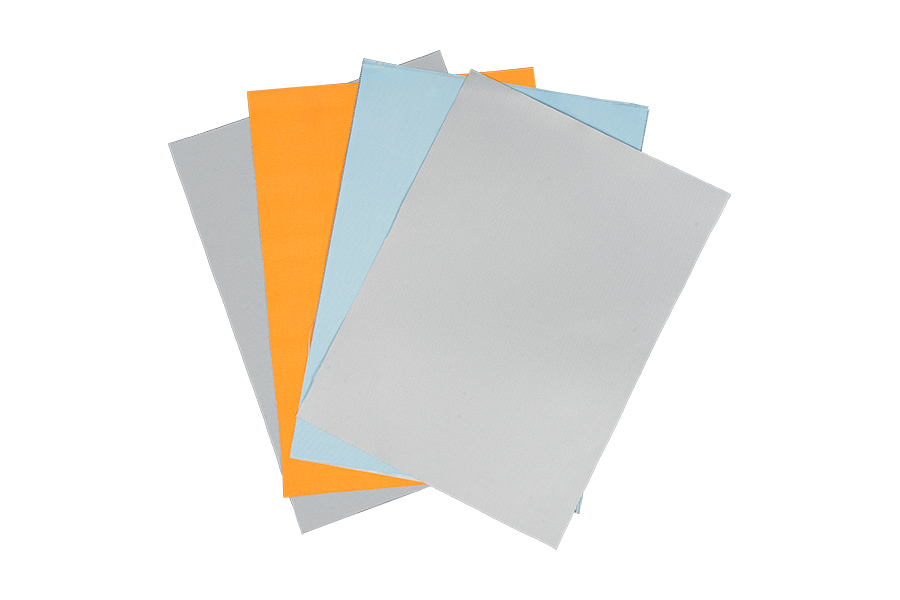
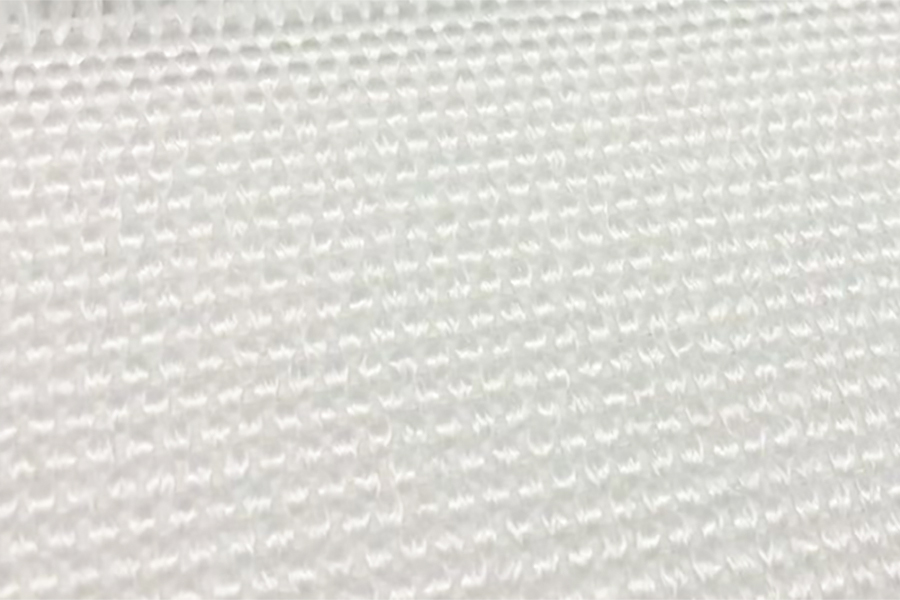
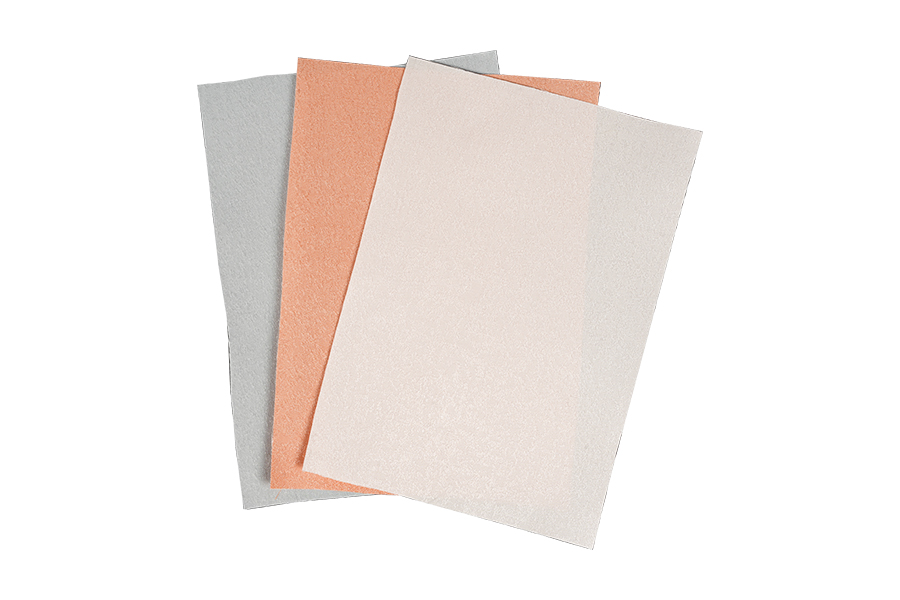
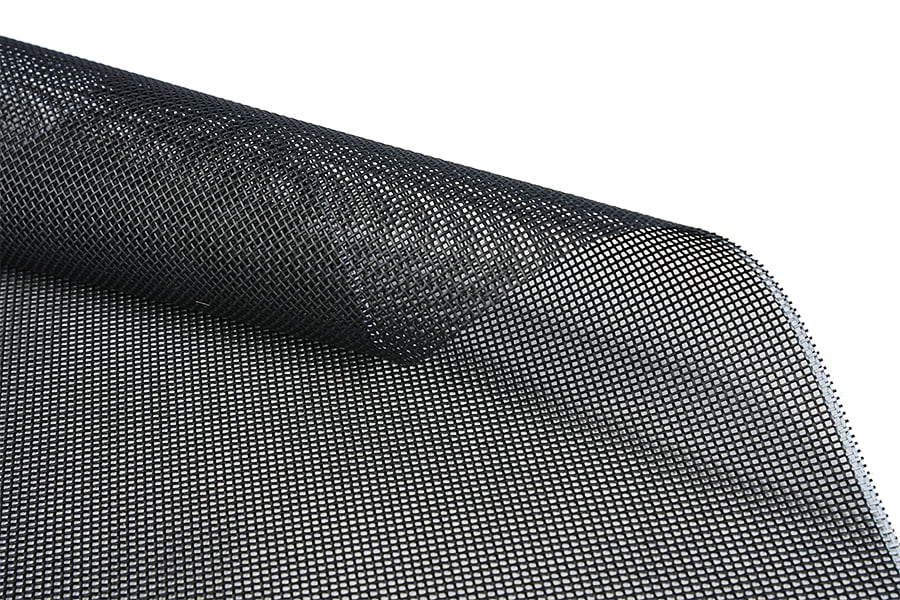
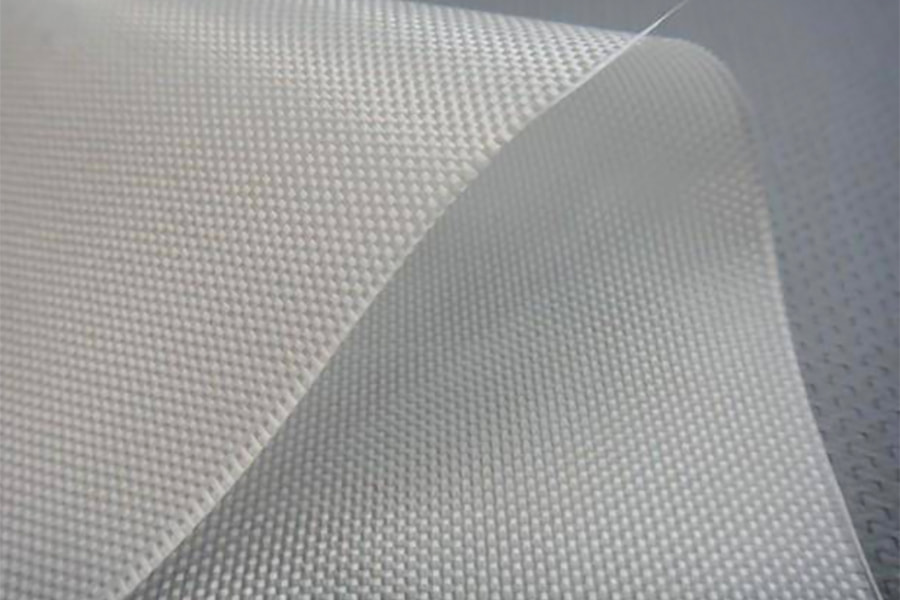

Fiberglass Cloth for Epoxy Resin Prepreg
Fiberglass Cloth for Epoxy Resin Prepreg is a woven reinforcement material used in the manufacture of glass fiber epoxy prepregs. During production, the fabric is impregnated with a controlled amount of epoxy resin and processed to a specified advancement state. The resulting semi-finished material combines glass fiber reinforcement with a partially cured resin system, allowing it to be stored, handled, cut and laminated before final curing.
Fabric construction has a direct influence on resin uptake, impregnation uniformity, prepreg thickness and reinforcement distribution. Glass type, yarn arrangement, weave pattern, areal weight, surface treatment and fabric width should be matched with the epoxy formulation and prepreg manufacturing process. These factors are particularly important for manufacturers managing repeatable resin content, material handling and finished composite performance.
What Is Fiberglass Cloth for Epoxy Prepreg?
Epoxy prepreg is a semi-finished composite material in which reinforcement has already been impregnated with resin. For glass fiber epoxy prepreg, woven fiberglass cloth provides the continuous reinforcement architecture, while the epoxy resin forms the matrix that bonds the fibers during final consolidation and curing.
Unlike dry fiberglass fabric supplied for direct use in wet lay-up, prepreg fabric contains a controlled resin quantity and has undergone a defined resin advancement process. It is designed to retain suitable handling characteristics before final curing. Depending on the resin formulation, prepreg may require refrigerated or otherwise controlled storage to maintain its processing life.
For production buyers, the key considerations include fabric consistency, resin compatibility, resin content, volatile content, tack, drape, out-time and curing requirements. The material specification should be developed around the intended manufacturing process and final composite component.
Structure of Glass Fiber Epoxy Prepreg
A prepreg combines a woven reinforcement substrate with an epoxy resin system. The resin is distributed through the fabric structure and advanced to a controlled state before the material is supplied for composite manufacturing.
Glass Fabric Function
The woven fabric maintains the reinforcement arrangement and contributes to directional mechanical properties. Fabric weight, yarn density and weave construction determine the amount and distribution of glass reinforcement.
Epoxy Resin Function
The resin wets and surrounds the glass yarns, holds the fabric structure together and forms the matrix after final curing. Its formulation determines important processing and end-use characteristics.
Fiberglass cloth is the reinforcement substrate. Epoxy prepreg is the combined semi-finished material containing both the fabric and the controlled resin system.
How Fiberglass Cloth Is Converted into Epoxy Prepreg
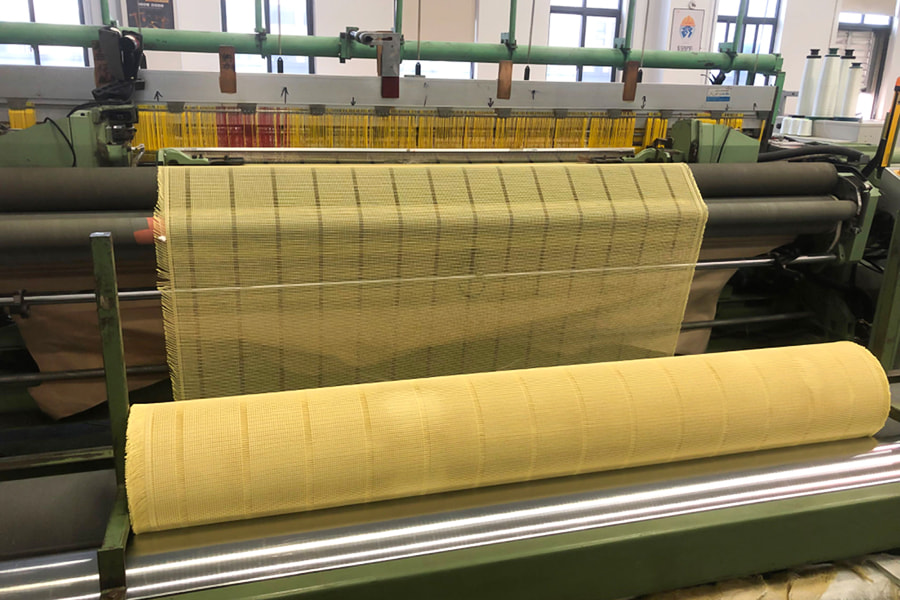
Prepreg production requires control over fabric feeding, resin application, impregnation, resin advancement and material storage. The specific production route depends on the resin chemistry and the required prepreg characteristics.
Fabric Preparation
Inspect fabric rolls for weave consistency, width, surface condition and other agreed incoming specifications.
Epoxy Resin Preparation
Prepare the resin formulation and control its processing characteristics according to the selected prepreg system.
Resin Application
Apply epoxy resin to the fiberglass fabric through the specified impregnation method, such as a compatible film or solution-based process.
Impregnation Control
Establish consistent resin distribution through the fabric and control resin content, wet-out and material thickness.
Resin Advancement
Process the impregnated fabric under controlled conditions to achieve the required degree of advancement while retaining its intended handling properties.
Cooling, Cutting and Packaging
Prepare the prepreg in the required roll or sheet format and package it according to its storage and handling requirements.
Key Characteristics of Fiberglass Epoxy Prepreg
Prepreg performance is influenced by both the glass fabric and the resin system. Buyers should evaluate the combined material rather than treating fabric specifications and prepreg specifications as interchangeable.
Controlled Resin Content
Resin content is specified according to the laminate design and processing method. Consistent resin distribution helps maintain repeatable prepreg construction.
Degree of Advancement
The resin is partially advanced to a defined state before final curing. Advancement affects tack, flow, storage stability and subsequent processing behavior.
Fabric Reinforcement Stability
The woven structure provides continuous reinforcement in the warp and weft directions and helps maintain fiber alignment during lay-up.
Handling and Drape
Prepreg handling characteristics depend on fabric flexibility, resin formulation, advancement level and material temperature.
Laminate Consolidation
Resin flow and curing behavior affect how prepreg layers consolidate and bond during the final manufacturing cycle.
Storage Stability
Storage life and out-time depend on resin chemistry and the specified storage conditions. These limits should be defined by the prepreg supplier.
Fiberglass Cloth Parameters for Epoxy Prepreg Production
The reinforcement fabric must meet the requirements of the prepreg line and the target composite design. The following parameters are commonly reviewed during material selection.
Confirm the specified glass type and its suitability for the intended mechanical, thermal or electrical application.
Evaluate fabric stability, yarn crimp, resin penetration and the required reinforcement architecture.
Used to calculate reinforcement content and establish the target prepreg and laminate construction.
Affects fabric handling, resin uptake and the thickness buildup of the finished laminate.
Influences fabric openness, reinforcement distribution and impregnation behavior.
The surface treatment should be evaluated with the epoxy chemistry and the intended impregnation and curing process.
Determines material utilization, cutting layout and compatibility with the prepreg production equipment.
Critical Prepreg Properties to Monitor
Once fiberglass cloth has been impregnated, additional material properties become important for storage, lay-up and final curing. These should be specified and inspected at the prepreg stage.
Woven Fiberglass Cloth Options for Epoxy Prepreg
Different fabric constructions can be evaluated according to the required composite architecture, handling characteristics and resin impregnation process.
Plain Weave
Warp and weft yarns alternate regularly, creating a balanced woven structure. It can be considered for prepreg products requiring a stable fabric construction.
Regular interlacing patternTwill Weave
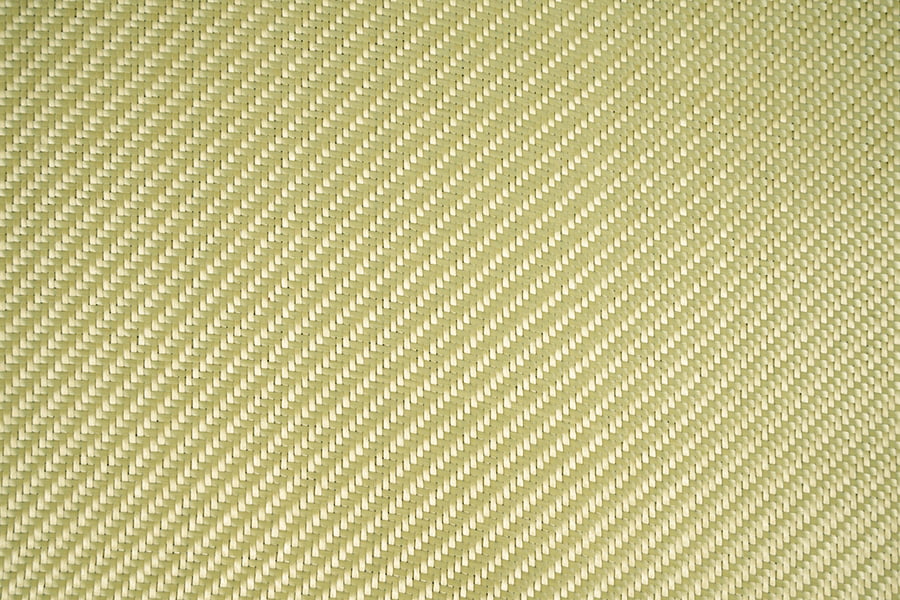
The diagonal interlacing pattern offers different drape and handling characteristics compared with plain weave. Suitability depends on the component geometry and prepreg process.
Diagonal surface patternCustomized Woven Construction
Other yarn arrangements and fabric specifications can be assessed when a project requires a defined reinforcement weight, thickness or directional structure.
Specification-based selectionApplications of Fiberglass Epoxy Prepreg
Glass fiber epoxy prepregs are used in composite manufacturing processes where controlled reinforcement and resin distribution are required. The actual application depends on the prepreg formulation and verified finished-part properties.
Electrical Insulation Laminates
Glass-reinforced epoxy sheets and insulation components used in electrical equipment and related assemblies.
Printed Circuit Board Materials
Selected glass fabric epoxy prepregs used as dielectric reinforcement in multilayer PCB laminate production.
Industrial Composite Panels
Flat or shaped composite panels manufactured through controlled lay-up and curing processes.
Transportation Components
Selected structural and interior composite parts for transportation systems, subject to application-specific qualification.
Equipment and Machinery Parts
Composite components requiring specified mechanical properties, dimensional control and repeatable laminate construction.
Specialized Laminated Products
Custom composite products developed around defined thickness, reinforcement orientation and curing requirements.
Storage, Lay-Up and Final Curing Considerations
Epoxy prepreg requires more controlled handling than dry reinforcement fabric. Its resin advancement state changes over time and is affected by temperature and storage conditions.
Storage Before Use
Follow the prepreg supplier's specified storage temperature, packaging requirements and shelf-life limits. Refrigerated storage may be required for certain resin systems.
Material Conditioning
When removing prepreg from controlled storage, follow the recommended conditioning procedure to reduce the risk of condensation and moisture-related processing issues.
Cutting and Lay-Up
Control material orientation, ply sequence and handling time. Avoid contamination, unnecessary stretching and damage to the reinforcement structure.
Vacuum and Consolidation
Apply the specified vacuum and consolidation procedure where required by the manufacturing process. The objective is to achieve the designed layer contact and reduce trapped air.
Final Curing
Use the curing temperature, pressure and time defined for the epoxy prepreg system. Do not assume that different resin formulations share the same cure cycle.
Finished Part Verification
Evaluate laminate thickness, void content, surface condition, dimensional accuracy and application-specific mechanical or electrical properties.
What Buyers Should Confirm Before Ordering
For industrial buyers and prepreg manufacturers, a complete technical brief helps avoid mismatches between the supplied fiberglass cloth and the target epoxy prepreg process.
Glass type, yarn specification, weave, GSM and fabric thickness.
Sizing type and compatibility with the selected epoxy resin.
Epoxy chemistry, curing agent and any specified additives.
Resin content, volatile content, advancement, flow and thickness.
Impregnation route, lay-up method and final curing conditions.
Mechanical, electrical, thermal and environmental performance criteria.
Roll width, roll length, sheet dimensions and packaging requirements.
Inspection records, traceability, sample approval and repeat-order controls.
Before mass production, evaluate the selected fiberglass cloth with the actual epoxy formulation and prepreg line. Confirm impregnation quality, resin advancement, storage behavior and cured laminate performance through an agreed testing procedure.
Fiberglass Cloth for Epoxy Resin Prepreg FAQ
Answers to common questions about reinforcement fabric selection and epoxy prepreg manufacturing.
What is fiberglass cloth for epoxy resin prepreg?
It is woven glass fiber fabric used as the reinforcement substrate in epoxy prepreg production. The fabric is impregnated with epoxy resin and advanced to a controlled state before final composite lay-up and curing.
What is the difference between dry fiberglass cloth and epoxy prepreg?
Dry fiberglass cloth is supplied without the prepreg resin system. Epoxy prepreg contains a controlled amount of resin that has been partially advanced, making it a semi-finished composite material requiring specified storage and handling.
Which fiberglass weave is suitable for epoxy prepreg?
Plain weave and twill weave are possible options. Selection depends on fabric stability, resin impregnation, drape, reinforcement orientation and the intended composite component.
Can E-glass cloth be used for epoxy prepreg?
E-glass fabric is commonly considered for epoxy composite reinforcement. Its sizing treatment, yarn construction and fabric specification should be checked for compatibility with the selected epoxy formulation and processing route.
Why is resin content important in epoxy prepreg?
Resin content affects the ratio between reinforcement and matrix in the prepreg. It influences laminate construction, resin flow, consolidation and the properties of the cured composite.
What does resin advancement mean in prepreg production?
Resin advancement refers to the controlled partial progression of the curing reaction before final laminate curing. It helps establish the required handling, flow and processing characteristics of the prepreg.
Does epoxy prepreg require refrigerated storage?
Storage requirements depend on the epoxy formulation and its reaction rate. Some systems require refrigerated or frozen storage, while others have different controlled storage conditions. Always follow the supplier's stated shelf life and out-time limits.
What causes voids in fiberglass epoxy prepreg laminates?
Potential causes include trapped air, excessive or insufficient resin flow, moisture, volatile components, poor consolidation and unsuitable curing conditions. The prepreg material and downstream process should be reviewed together.
Can fiberglass cloth specifications be customized for prepreg production?
Fabric specifications can be evaluated according to the required glass type, weave, areal weight, thickness, width and sizing treatment. Final suitability should be confirmed through trials with the target resin and production equipment.
What information is needed to select fiberglass cloth for epoxy prepreg?
Important details include the epoxy resin system, impregnation method, target resin content, required advancement state, fabric weight, weave, sizing, prepreg dimensions and finished composite performance requirements.