


 English
 中文简体
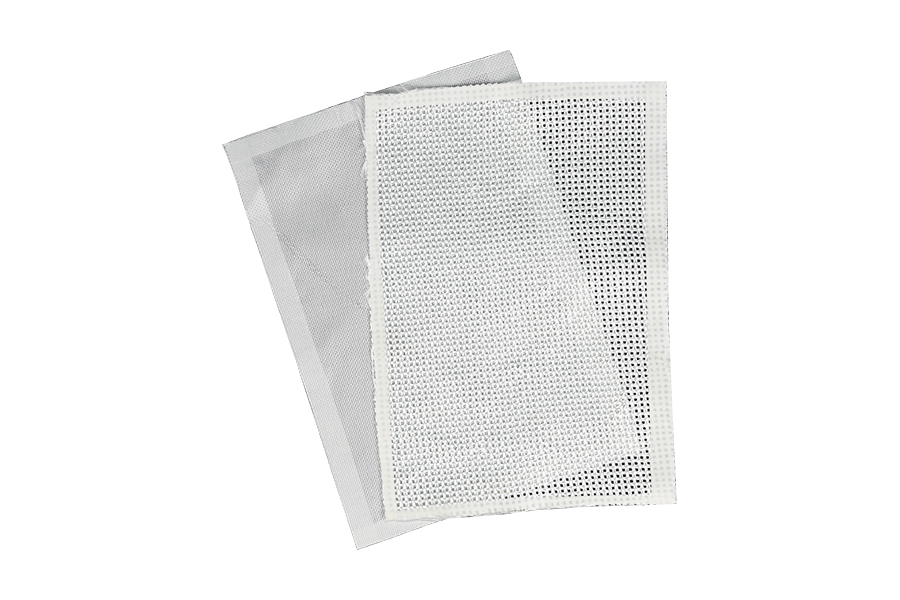
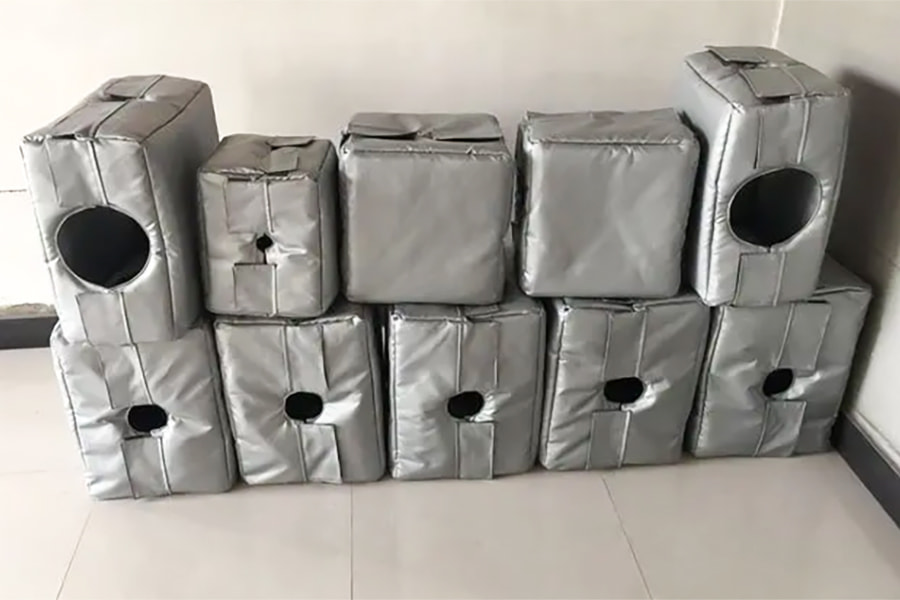
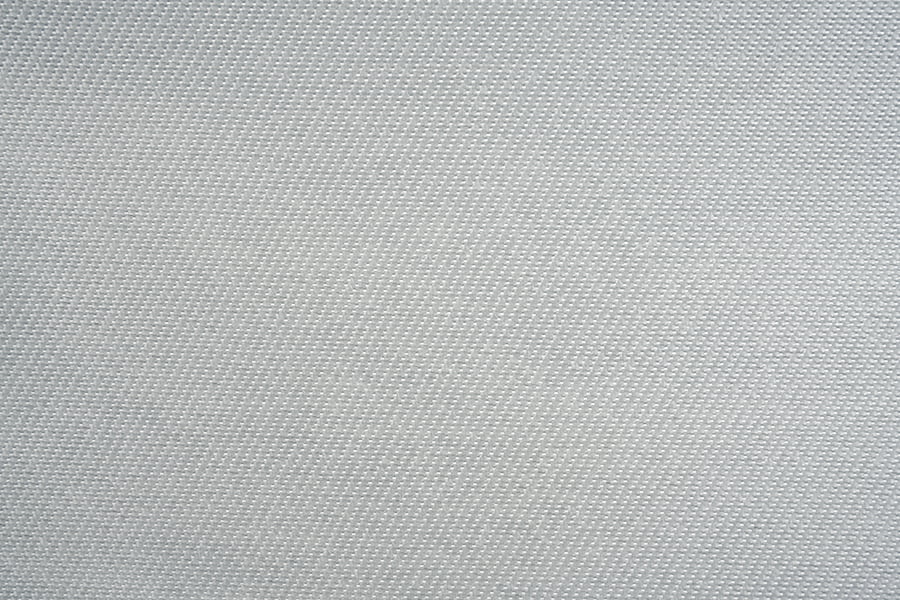
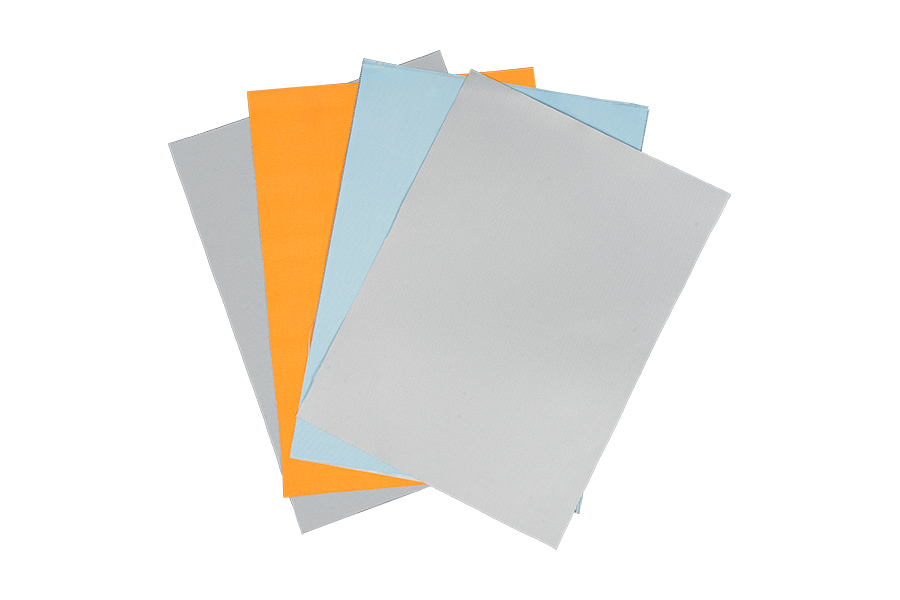
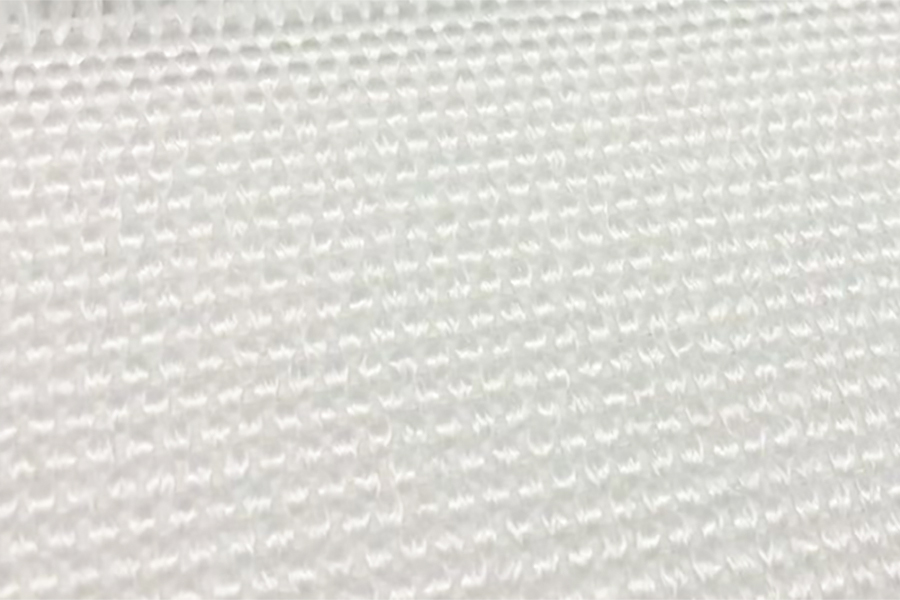
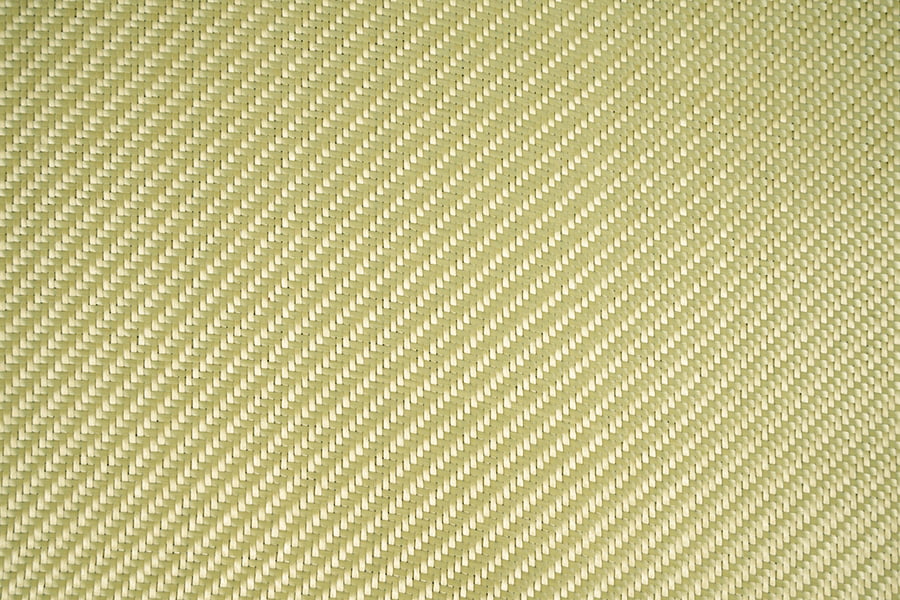
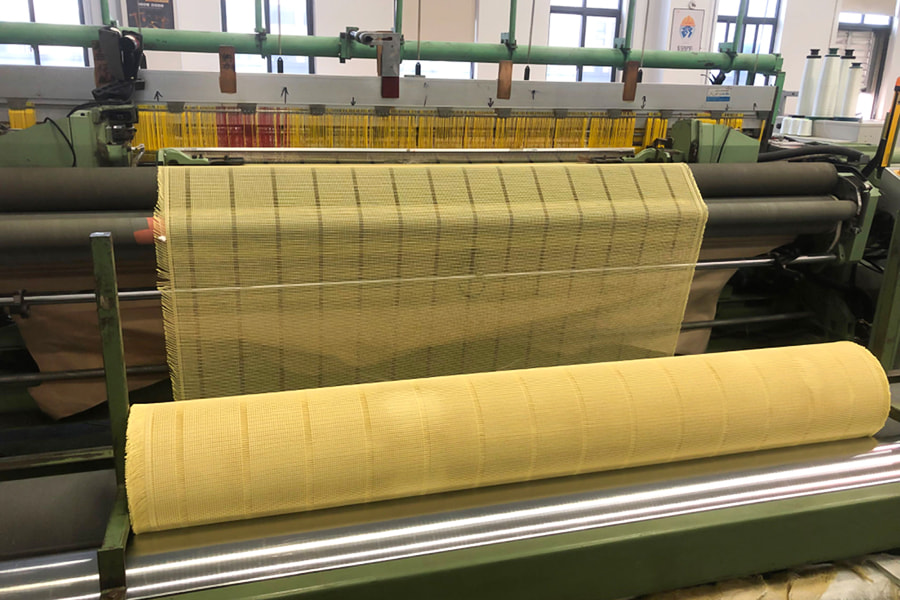
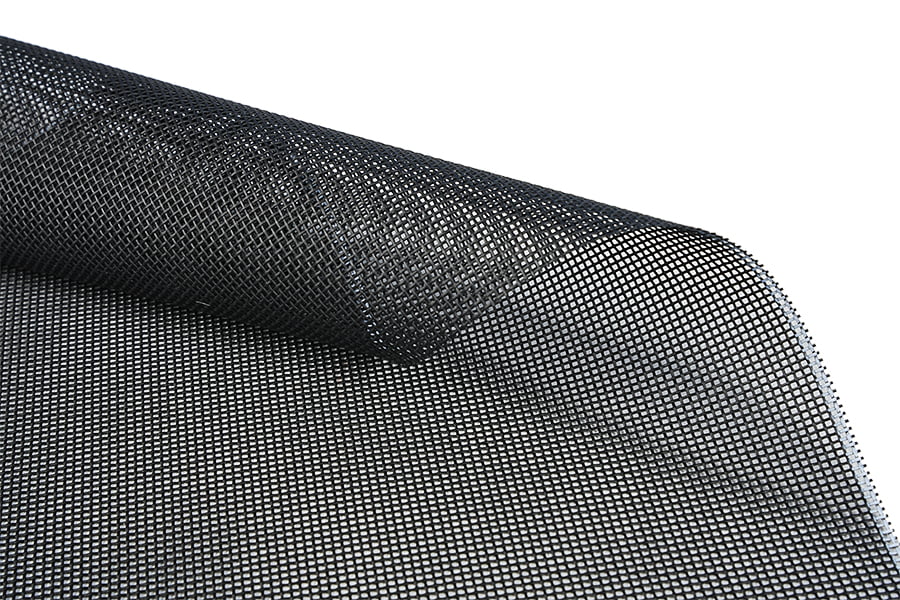
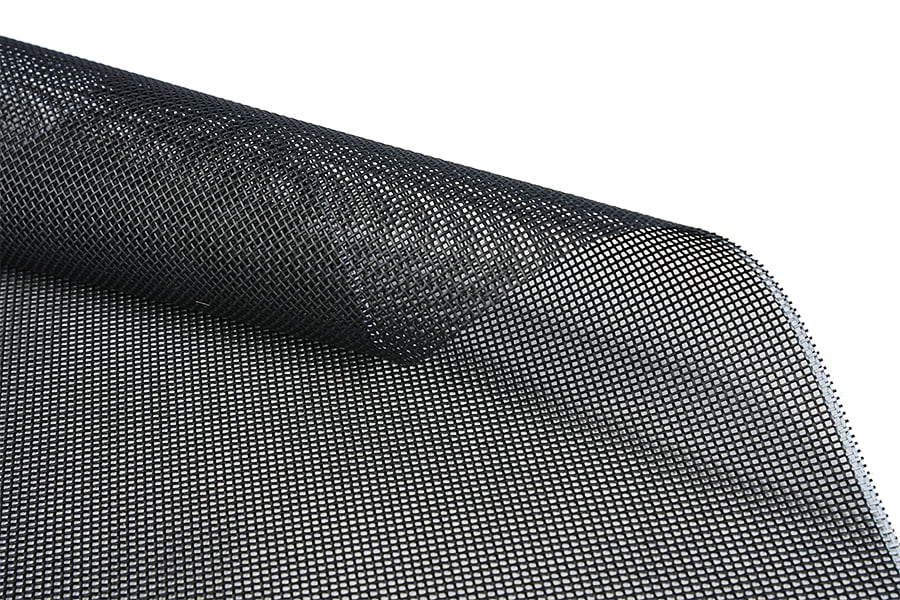
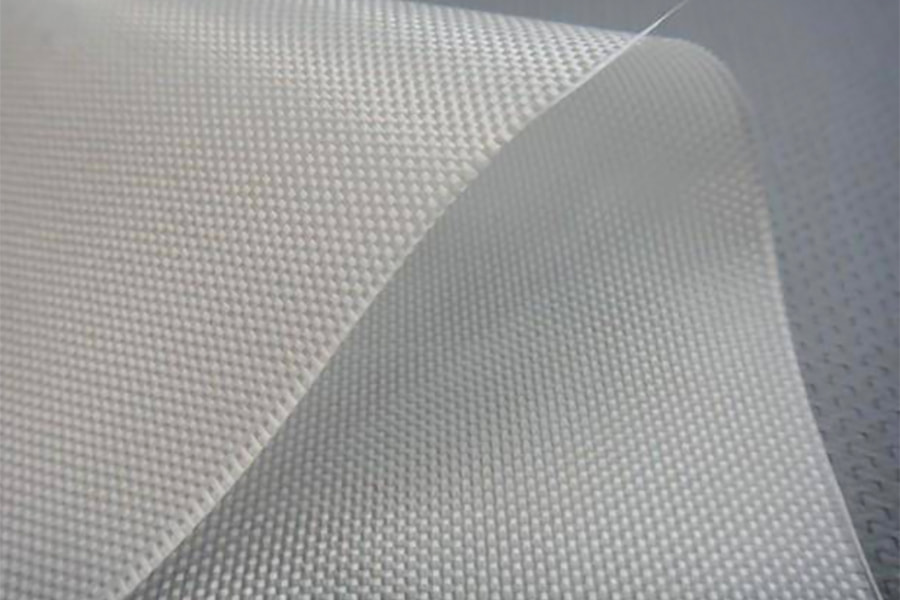

Fiberglass Cloth for Composite Sheet Molding
Fiberglass Cloth for Composite Sheet Molding is a woven glass fiber reinforcement material that can be evaluated for selected sheet molding compound (SMC) and compression-molded composite applications. In SMC production, glass reinforcement is combined with a resin-based compound to create a moldable sheet material. The prepared compound is then placed into a heated mold and compressed to form components with defined dimensions and surface characteristics.
When woven fiberglass cloth is incorporated into an SMC-related material system, its construction, areal weight, thickness, sizing and compatibility with the resin formulation need to be considered. The reinforcement arrangement must also suit the compound preparation method, material flow and final part geometry. Actual suitability depends on the SMC formulation and production equipment, since conventional SMC commonly uses chopped glass fiber reinforcement rather than woven cloth.
Understanding Fiberglass Reinforcement in Sheet Molding
Sheet molding compound is a ready-to-mold composite material generally produced from a resin paste, chopped glass fiber reinforcement, fillers and selected additives. The mixture is deposited onto a carrier film, covered with another film and processed into a sheet form. After a controlled maturation period, the compound can be cut and charged into a compression mold.
Woven fiberglass cloth is not the standard reinforcement format for every SMC formulation. It may be considered in specialized sheet-based or hybrid composite constructions where continuous woven reinforcement is required. Before selecting the cloth, manufacturers should confirm whether the intended process is conventional chopped-fiber SMC, a woven-reinforcement sheet system or another compression-molding configuration.
Components of a Sheet Molding Compound System
An SMC formulation combines several material components. Each one contributes to the processing behavior and properties of the molded part.
Glass Fiber Reinforcement
Provides the reinforcing phase within the composite. Conventional SMC commonly uses chopped glass fiber strands, while woven cloth may be evaluated for specialized reinforcement configurations.
Resin Matrix
Forms the continuous polymer phase, binds the reinforcement and supports the transfer of loads through the finished composite.
Mineral Fillers
Used in many SMC formulations to adjust material cost, dimensional behavior, surface characteristics and other formulation properties.
Additives and Thickening Agents
Selected additives support compound processing, maturation, release behavior, pigment dispersion and other formulation requirements.
Carrier Films
Support the handling and transport of the uncured compound during sheet formation, storage and maturation.
From Reinforcement to Molded Composite Sheet
SMC manufacturing involves compound preparation, sheet formation and maturation before the material enters the compression molding stage. The exact process varies with formulation and reinforcement type.
Resin Paste Preparation
Resin, fillers, pigments and other formulation components are mixed according to the required compound specification.
Reinforcement Introduction
Glass fiber reinforcement is introduced into the compound. Conventional SMC lines typically use chopped strands, while specialized constructions may require other reinforcement formats.
Sheet Formation
The compound is distributed between carrier films to produce a continuous sheet with controlled material distribution.
Maturation and Thickening
The sheet is stored under controlled conditions to allow the compound to develop the required handling and molding characteristics.
Compression Molding
A measured charge is placed into a heated mold and compressed. Material flow and curing produce the final molded component.
Trimming and Inspection
The molded part is removed, trimmed and inspected against the dimensional, surface and performance requirements.
Fiberglass Cloth Parameters for Specialized Sheet Molding
When a project requires woven reinforcement rather than conventional chopped strands, the fabric specification must be matched to the sheet preparation and molding process.
Fabric selection should consider how the reinforcement will be incorporated into the compound, whether it can follow the intended part geometry and how it affects resin distribution and material flow during molding.
Weave Construction
Plain weave, twill weave or other woven structures should be selected according to reinforcement layout and forming requirements.
Areal Weight
GSM affects the amount of reinforcement introduced into the material system and should be considered in formulation calculations.
Thickness and Width
Fabric dimensions influence sheet construction, material placement and the final component thickness design.
Warp and Weft Construction
Yarn specifications and density influence the distribution of woven reinforcement within the composite.
Glass Fiber Sizing
The sizing system should be compatible with the selected resin formulation and the intended curing conditions.
Fabric Stability
Cutting, positioning, folding and handling characteristics should be evaluated for the selected sheet and molding process.
Chopped Fibers and Woven Fiberglass Cloth
The reinforcement format is a fundamental distinction between conventional SMC and specialized woven-reinforcement sheet constructions.
Chopped Glass Fiber Strands
Short glass fiber strands are distributed through the resin paste during compound preparation. Their distribution and orientation depend on the formulation and material processing conditions.
- Common reinforcement format in standard SMC production
- Suitable for compound-based sheet formation
- Reinforcement distribution depends on the material flow
- Used in many compression-molded FRP components
Woven Fiberglass Cloth
Continuous warp and weft yarns form an organized fabric structure. It can be evaluated for sheet-based or hybrid molding systems requiring defined woven reinforcement placement.
- Provides continuous woven reinforcement architecture
- Offers defined warp and weft directions
- Requires process-specific material integration
- Needs evaluation of mold flow and part geometry
These reinforcement formats are not automatically interchangeable. A woven fabric should only be specified after confirming that the intended sheet preparation and molding equipment can accommodate it.
Resin Compatibility for Sheet Molding Applications
Resin selection influences compound viscosity, maturation behavior, molding flow, curing and the properties of the final composite. Fabric sizing must be evaluated as part of the complete resin-reinforcement system.
Unsaturated Polyester Resin
Commonly used in SMC formulations for industrial and automotive composite components. Resin formulation, thickening behavior and glass fiber sizing should be evaluated together.
Vinyl Ester Resin
Used in selected composite formulations where the application requires particular chemical or mechanical properties. Processing compatibility should be verified for the intended sheet system.
Other Thermosetting Resin Systems
Alternative resin systems may be considered for specialized sheet molding applications, subject to the formulation, reinforcement treatment and molding equipment requirements.
The listed resin families are examples of composite matrix options. Actual SMC compatibility depends on formulation chemistry, thickening system, curing conditions and reinforcement surface treatment.
Applications of Sheet Molding Composite Materials
SMC is used to manufacture molded components with defined geometry and repeatable production requirements. Reinforcement format depends on the selected material formulation and part design.
Automotive Components
Selected body panels, covers, structural parts and functional components produced through compression molding.
Electrical Enclosures
Housing panels, protective covers and enclosure components designed around electrical and mechanical requirements.
Industrial Equipment Housings
Molded covers and equipment components used in selected industrial machinery and installations.
Building Components
Selected architectural panels, access covers and molded parts for building-related applications.
Water and Utility Equipment
Molded covers, housings and other components used in selected water management and utility systems.
Transportation Interiors
Selected interior panels, covers and molded components for transportation equipment.
Factors Affecting Sheet Molding and Finished Part Quality
For woven reinforcement sheet systems, the material structure must be assessed together with compound preparation and compression molding conditions.
Reinforcement Distribution
Fiber placement and distribution influence the reinforcement structure and local properties of the molded component.
Resin Wet-Out
Insufficient wetting can lead to dry areas and inconsistent fiber-matrix interfaces within the composite.
Compound Maturation
Thickening and storage conditions affect the handling and flow characteristics of the SMC material before molding.
Mold Flow
Charge placement, material quantity and reinforcement architecture influence how the compound fills the mold cavity.
Curing Conditions
Mold temperature, pressure and curing time should follow the approved formulation and production parameters.
Dimensional Accuracy
Part thickness, warpage, surface finish and dimensional tolerances should be checked against the component specification.
Quality Checks for Fiberglass Cloth
When woven cloth is specified for a sheet molding project, incoming material inspection should cover both fabric construction and its suitability for the intended compound preparation process.
Check fabric weight against the agreed specification to support consistent reinforcement loading.
Inspect warp and weft arrangement, yarn distribution and visible weaving defects.
Verify dimensions according to the required sheet construction and material placement.
Confirm the required glass fiber treatment for the selected resin and curing system.
Check for contamination, loose fibers and foreign material that may affect processing.
Review roll alignment, winding condition, moisture protection and packaging integrity.
Technical Information for Fiberglass Cloth Sourcing
Before requesting a quotation, buyers should clarify whether the target process uses conventional chopped-fiber SMC or a specialized sheet construction incorporating woven reinforcement. This distinction helps avoid selecting a fabric that cannot be integrated into the production process.
Conventional SMC, woven-reinforcement sheet or hybrid construction.
Weave pattern, yarn specification and reinforcement arrangement.
GSM, thickness, width and dimensional tolerances.
Resin type, thickening system and curing requirements.
Reinforcement position, sheet thickness and compound composition.
Charge design, mold temperature, pressure and curing time.
Mechanical properties, surface finish and dimensional tolerances.
Trial quantity, regular order volume, roll dimensions and packaging.
For projects introducing woven fiberglass cloth into an SMC-related process, conduct a material trial to verify sheet formation, resin compatibility, mold flow and finished-part properties before confirming routine production supply.
Fiberglass Cloth for Composite Sheet Molding FAQ
Answers to common questions about fiberglass reinforcement and sheet molding compound applications.
What is fiberglass cloth used for in composite sheet molding?
Woven fiberglass cloth can be evaluated as a continuous reinforcement component in specialized sheet-based composite molding systems. It provides defined warp and weft directions and may be used where the material design requires woven reinforcement rather than only chopped glass fiber.
Is woven fiberglass cloth commonly used in conventional SMC?
Conventional SMC typically uses chopped glass fiber strands distributed through a resin-based compound. Woven fiberglass cloth is not the standard reinforcement format for most conventional SMC formulations. Its use should be confirmed against the specific sheet preparation process and molding equipment.
What is the difference between SMC and BMC?
SMC is supplied in sheet form and is commonly processed by compression molding. BMC is supplied as a bulk molding compound with a paste-like or dough-like consistency. Both are thermosetting composite materials, but their handling and molding methods differ.
Which resin is commonly used in sheet molding compounds?
Unsaturated polyester resin is widely used in conventional SMC formulations. Other resin systems may be selected for specialized applications according to the required performance, processing characteristics and formulation compatibility.
Can plain weave fiberglass cloth be used in sheet molding?
Plain weave cloth may be considered for specialized sheet-based composite constructions. Its suitability depends on the reinforcement layout, resin formulation, sheet preparation equipment and the flow behavior required during compression molding.
What factors affect fiberglass reinforcement selection for SMC?
Important factors include reinforcement format, fabric weight, weave pattern, thickness, sizing, resin compatibility and the geometry of the finished component. The selected material must also be compatible with the compound preparation and molding process.
Can woven fiberglass cloth be combined with chopped glass fibers?
Hybrid reinforcement arrangements may be developed for selected composite constructions. However, the integration method, material flow and interaction between the reinforcement forms need to be evaluated through formulation development and molding trials.
What causes surface defects in compression-molded SMC parts?
Potential causes include unsuitable compound maturation, inconsistent charge placement, trapped air, inadequate mold filling, incorrect curing conditions and formulation issues. The specific cause should be identified through process and material evaluation.
What information should buyers provide when sourcing fiberglass cloth?
Buyers should provide the intended molding process, reinforcement format, weave, GSM, thickness, width, resin formulation, sheet construction and finished-part requirements. Technical drawings or representative samples can help clarify the specification.