


 English
 中文简体
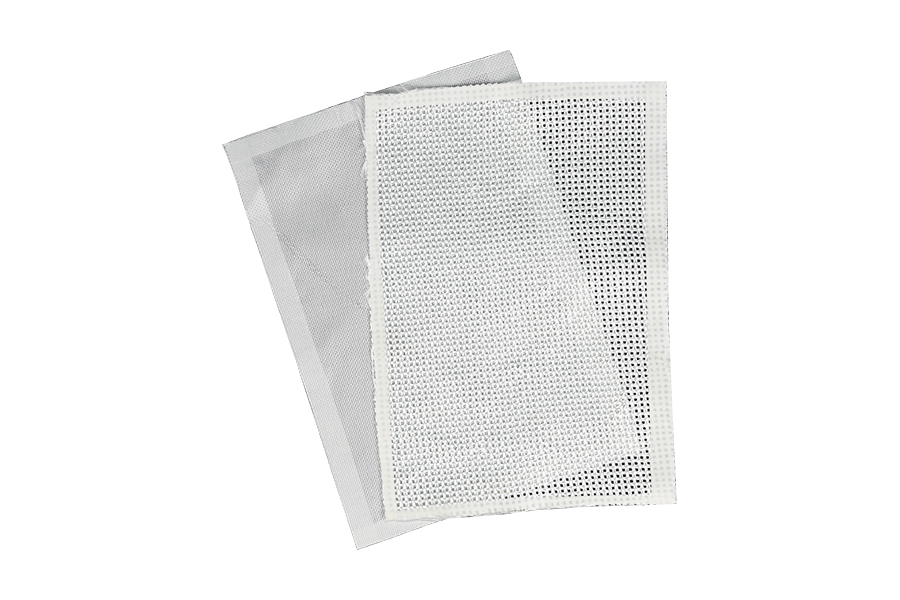
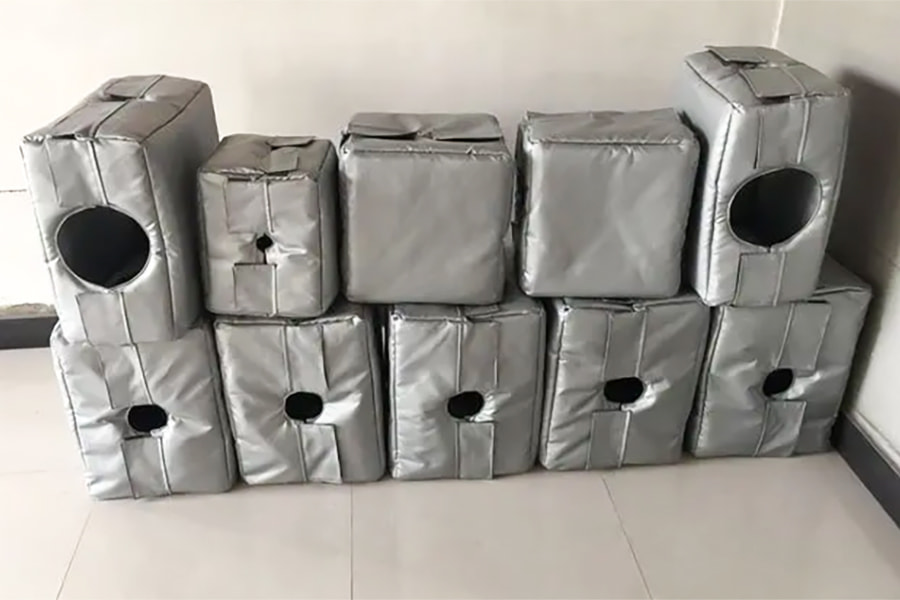

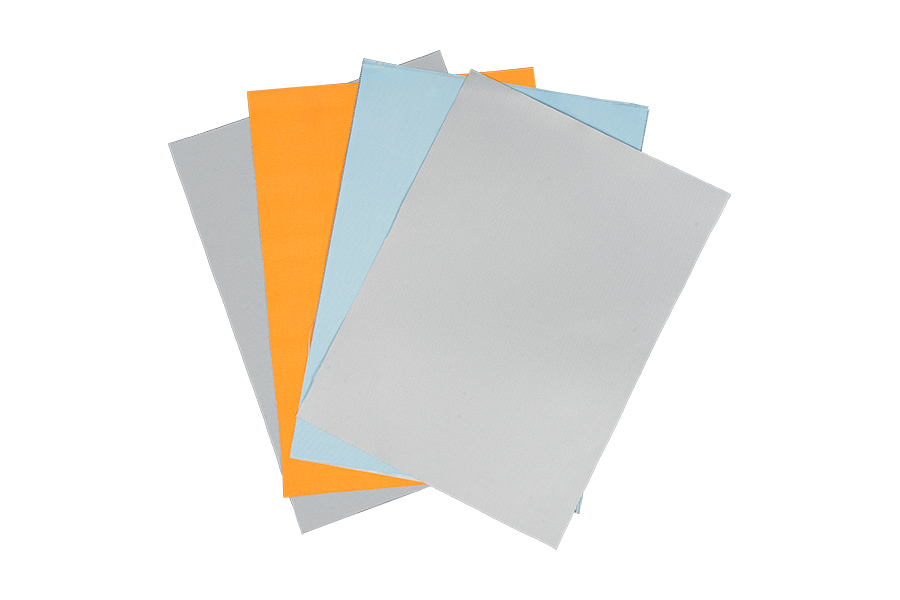
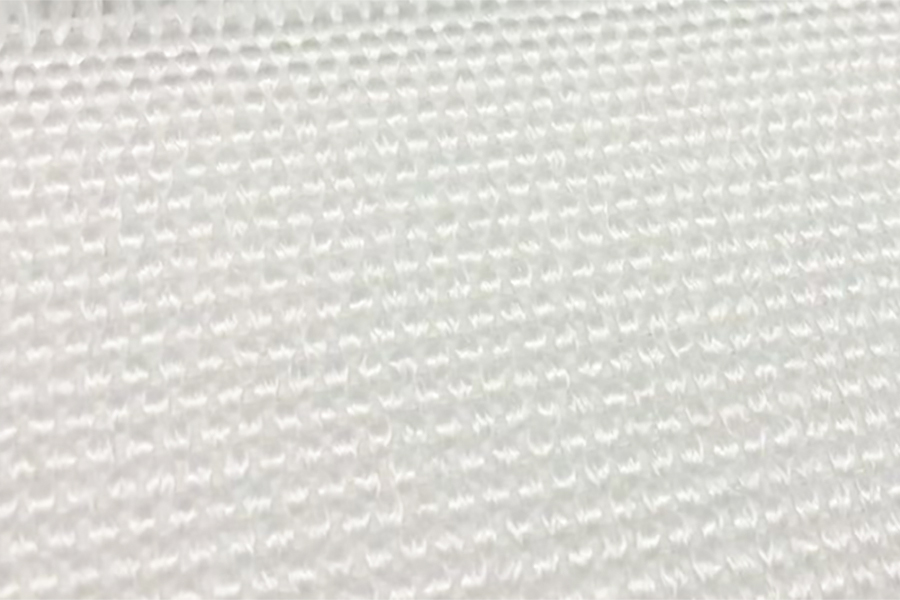
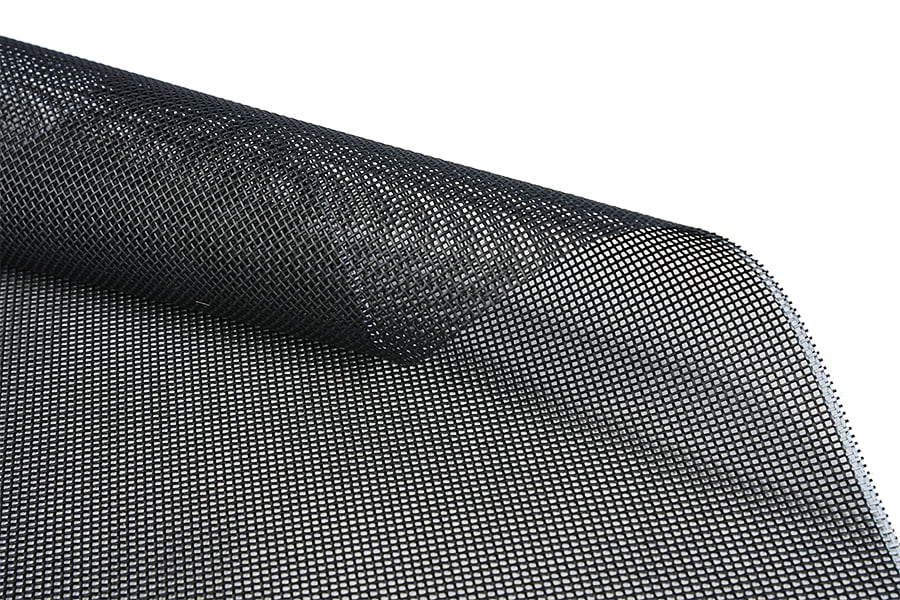
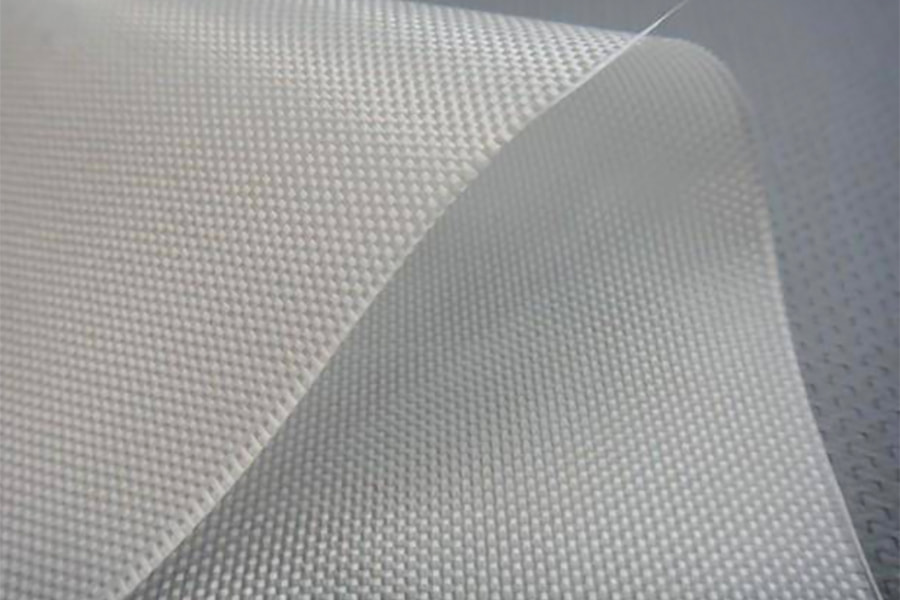

Fiberglass Cloth for Composite Tooling
Fiberglass cloth for composite tooling is a woven reinforcement material used in the fabrication of composite molds, tooling shells, support structures, and selected production fixtures. When combined with a compatible resin system, the fabric forms reinforced laminate layers that contribute to the rigidity, dimensional stability, and structural integrity of tooling components.
Tooling applications place specific demands on reinforcement materials. Mold geometry, surface finish, laminate thickness, curing temperature, dimensional tolerances, and repeated production cycles all influence fabric selection. Different weave patterns and fabric weights can be incorporated into a tooling laminate according to its structural design, resin formulation, and manufacturing method.
Why Fiberglass Cloth Is Used in Composite Tooling
Composite tooling is manufactured by combining a shaped tool surface with one or more structural backing layers. Fiberglass cloth can be used in these layers to reinforce the resin matrix and distribute loads throughout the tooling laminate. Its woven construction provides reinforcement in both warp and weft directions, while the fabric weight and orientation can be adjusted to suit different sections of the tool.
Compared with selecting reinforcement based only on tensile strength, tooling design requires consideration of stiffness, thermal behavior, surface requirements, and dimensional control. The resin system, laminate thickness, fiber volume fraction, and curing process all contribute to the final tooling properties. Fabric selection should therefore be evaluated as part of the complete mold construction.
Reinforces mold shells and selected tooling components.
Allows reinforcement to be arranged in specified orientations.
Works with compatible matrix systems to form composite laminates.
Fiberglass Reinforcement in a Composite Mold Structure
The illustration represents a simplified tooling laminate. Actual constructions vary according to mold design, production process, and required service conditions.
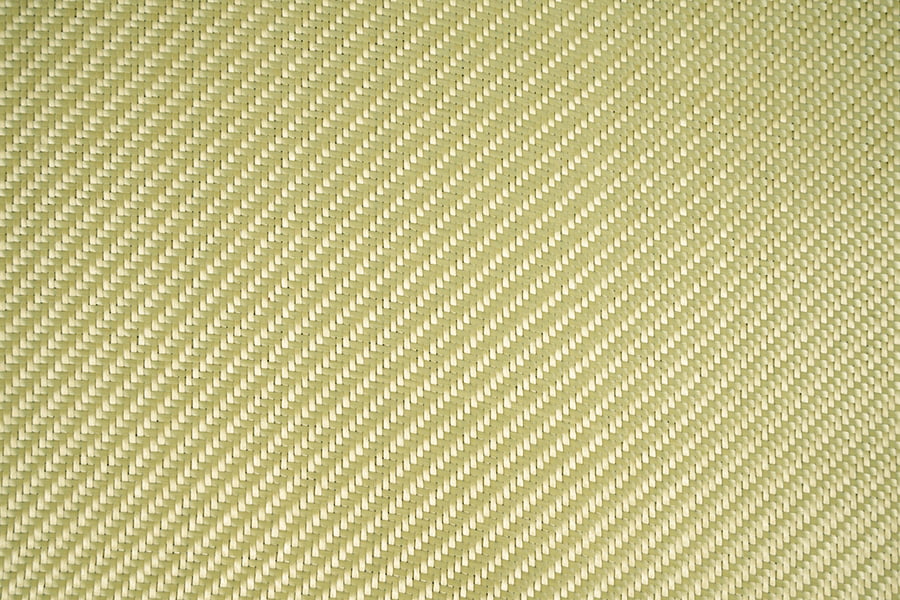
Weave Constructions for Composite Tooling
Important Performance Factors in Tooling Applications
Dimensional Stability
Tooling dimensions must remain within specified tolerances during fabrication and use. Fabric architecture, reinforcement orientation, resin shrinkage, and curing conditions all affect dimensional behavior.
Thermal Cycling
Composite tools may experience repeated heating and cooling during production. The complete laminate system should be evaluated for thermal expansion, residual stress, and dimensional changes over the intended temperature range.
Laminate Stiffness
Fabric weight, layer count, fiber orientation, and resin content contribute to the stiffness of the finished tooling structure. The required laminate design depends on tool size, support conditions, and applied loads.
Surface Conformity
Fabric handling and drapability influence how reinforcement follows mold contours. Wrinkles, bridging, and trapped air should be controlled during lay-up to avoid defects in the finished laminate.
Resin Compatibility
Sizing and surface treatment should match the selected resin chemistry. Wet-out, adhesion, curing behavior, and interlaminar bonding require evaluation under the actual production conditions.
Repeated Production Cycles
Tooling durability depends on the complete mold structure, operating temperature, demolding method, and maintenance conditions. Fabric properties alone cannot establish the service life of a composite tool.
Fiberglass Cloth Compatibility with Tooling Resins
Resin selection should reflect the tool's operating temperature, dimensional requirements, curing schedule, and production method.
| Resin System | Tooling Considerations | Fabric Selection Focus |
|---|---|---|
| Epoxy Resin | Used in various composite tooling systems requiring controlled curing and dimensional behavior. | Evaluate sizing compatibility, wet-out, resin viscosity, and curing conditions. |
| Vinyl Ester Resin | Selected for tooling systems where the resin formulation meets the intended chemical and mechanical requirements. | Confirm fabric compatibility with the specific formulation and processing conditions. |
| Unsaturated Polyester Resin | Used in certain mold and tooling constructions, depending on the required service conditions. | Assess impregnation, bonding, resin shrinkage, and laminate consolidation. |
| High-Temperature Resin Systems | Considered for tools exposed to elevated curing or operating temperatures. | Verify glass type, sizing, matrix compatibility, and complete laminate thermal performance. |
How Fiberglass Cloth Is Integrated into Composite Tooling
Tool Pattern and Surface Preparation
Prepare the master pattern or mold surface, establish the required geometry, and apply the specified release system where applicable.
Surface Layer Application
Apply the selected tooling surface material or gel coat according to the manufacturer's processing instructions.
Fabric Cutting and Lay-Up
Cut the fiberglass cloth to the required dimensions and arrange the reinforcement layers according to the laminate schedule.
Resin Impregnation and Consolidation
Introduce the compatible resin and consolidate the layers using the selected tooling process, controlling air entrapment and fabric positioning.
Curing and Dimensional Verification
Follow the specified curing schedule, then inspect the tool for dimensional accuracy, surface condition, and laminate integrity.
Where Fiberglass Cloth Is Used in Composite Tooling
Fiberglass cloth can be incorporated into different tooling structures depending on mold geometry, production method, and the mechanical and thermal requirements of the tool.
Reinforcement for selected mold bodies and laminate backing structures.
Fabric layers used in mold constructions for vacuum-assisted composite manufacturing.
Reinforcement in tooling structures designed for compatible prepreg curing processes.
Selected structural components and fixtures used to support manufacturing operations.
Tooling structures for composite part development and process validation.
Reinforced mold structures for selected industrial composite production applications.
Fabric Inspection for Consistent Tooling Production
Inspect for broken yarns, uneven weaving, contamination, wrinkles, and visible fabric defects.
Verify the specified fabric parameters and agreed tolerances for incoming material control.
Check relevant warp and weft properties using agreed sampling and test methods.
Evaluate fabric handling, impregnation, bonding, and consolidation with the intended resin system.
Information to Provide When Sourcing Tooling Reinforcement Fabric
Composite tooling manufacturers should provide enough technical information to connect the fabric specification with the mold design and production process. This helps reduce material mismatch during initial trials and subsequent repeat orders.
Frequently Asked Questions
What is fiberglass cloth used for in composite tooling?
Fiberglass cloth is used as woven reinforcement in selected composite mold shells, tooling structures, backing layers, and production fixtures. It is combined with a compatible resin matrix to form reinforced laminate sections.
Which fiberglass cloth weave is suitable for mold fabrication?
Plain weave and twill weave are common options to evaluate. Plain weave offers a regular interlaced structure, while twill weave may provide better drapability for certain contours. The choice depends on mold geometry, fabric handling, and laminate requirements.
Can fiberglass cloth be used with high-temperature tooling resin?
Fiberglass cloth can be considered for tooling systems that use high-temperature resin formulations. However, the glass type, sizing, resin chemistry, curing schedule, and complete laminate must be validated for the intended thermal conditions.
Does heavier fiberglass cloth always produce a stronger mold?
No. Fabric weight is only one factor in tooling laminate design. Strength and stiffness also depend on fiber orientation, layer count, resin content, fiber volume fraction, consolidation quality, and mold geometry.
How does fabric drapability affect composite mold production?
Drapability affects how the fabric follows curved and contoured mold surfaces. Poor conformity can lead to wrinkles, bridging, or uneven reinforcement distribution, which may affect the quality of the finished laminate.
Can fiberglass cloth specifications be customized for tooling projects?
Fabric requirements can be discussed according to glass fiber type, weave construction, fabric weight, thickness, width, yarn density, and surface sizing. The final specification and tolerances should be confirmed based on production feasibility and application testing.
What is the difference between fiberglass cloth and fiberglass surface tissue in tooling?
Fiberglass cloth is a woven reinforcement with identifiable warp and weft yarns, while fiberglass surface tissue is a nonwoven thin mat generally used for surface-related functions. Their roles in a tooling laminate are different, and the material should be selected according to the required layer function.