What is the difference between woven fiberglass filter fabric and needled felt fiberglass filter media for high-temperature dust collection?
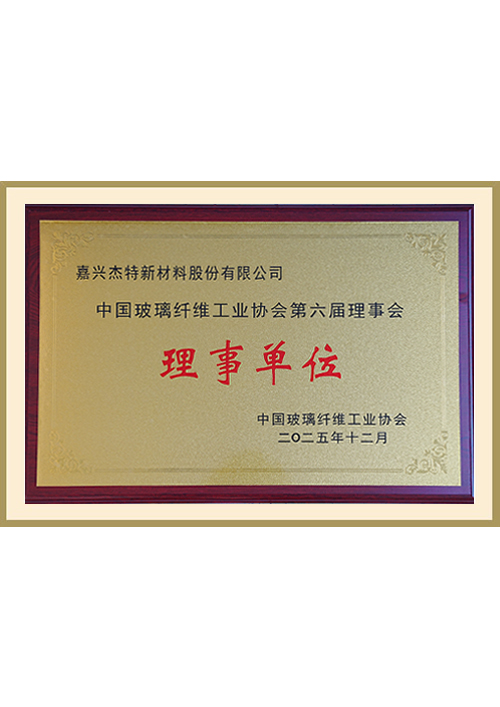
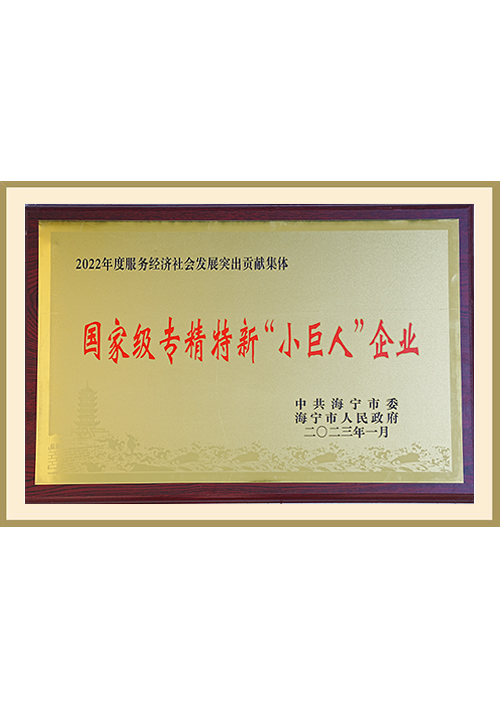
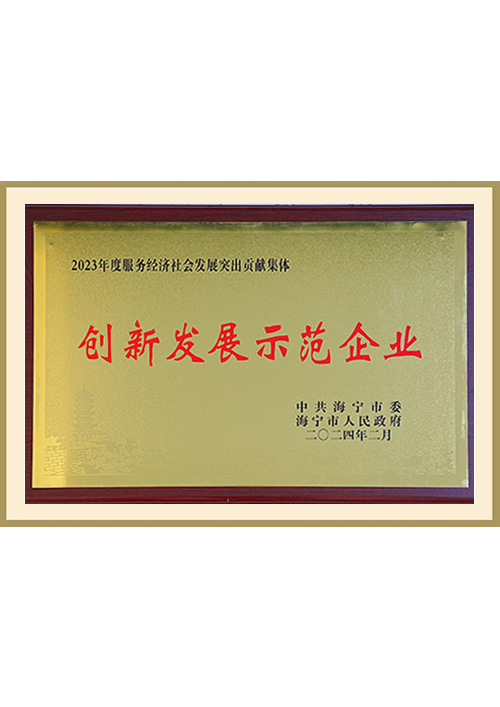
Selecting the correct filtration media for high-temperature dust collection is critical for efficiency, pressure drop, and service life. Jiaxing Jiete New Material Co., Ltd., a professional manufacturer established in 2010, specializes in fiberglass fabric products and solutions. Located in Zhijiang Industrial Park, Haining City, Zhejiang Province, the company utilizes advanced facilities including Karl Mayer warping-slashing machines, air-jet looms, Dornier rapier looms, and multiple coating machines. Below we compare woven fiberglass filter fabric and needled felt fiberglass filter media for high-temperature dust collection applications.
1. Key Differences: Woven Fiberglass Filter Fabric vs. Needled Felt Fiberglass Filter Media
The table below outlines the critical parameters that distinguish these two types of fiberglass filter fabric for baghouse and dust collection systems:
| Parameter |
Woven Fiberglass Filter Fabric |
Needled Felt Fiberglass Filter Media |
| Structure |
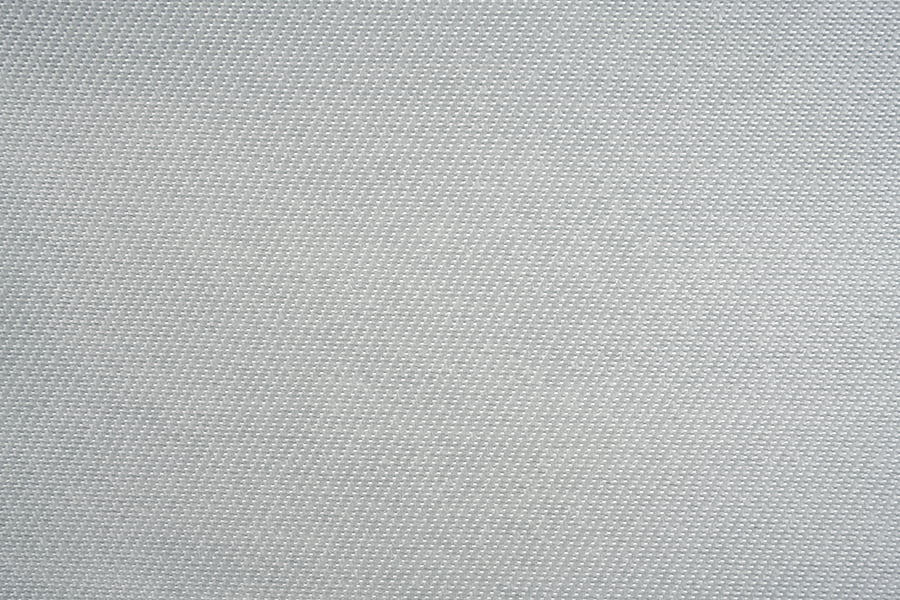
Intersecting warp and weft yarns (plain, twill, or satin weave) |
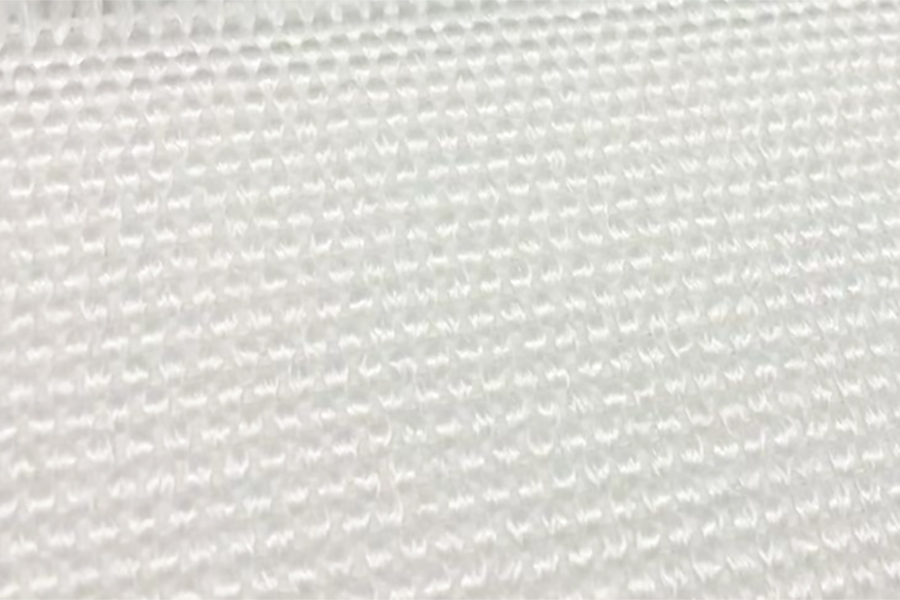
Randomly oriented fibers needle-punched onto a scrim support layer |
| Filtration Mechanism |
Surface filtration (dust cakes on fabric surface) |
Depth filtration (dust captured within the felt matrix) |
| Micron Rating (typical) |
5 – 20 microns (surface pores control particle capture) |
0.5 – 5 microns (depth loading captures finer particles) |
| Air Permeability (cm³/cm²/s @ 200Pa) |
15 – 35 (higher, lower pressure drop initially) |
8 – 20 (lower, higher pressure drop but better fine particle capture) |
| Dust Holding Capacity |
Low – dust cake must be periodically cleaned off the surface |
High – particles embed within the felt depth, longer cleaning cycles |
| Filtration Efficiency (initial) |
70% – 85% (relies on dust cake build-up for high efficiency) |
90% – 99.5% (high even without dust cake) |
| Cleaning Method Compatibility |
Pulse jet, reverse air, or mechanical shaking (cake release required) |
Pulse jet (most effective for felt media) |
| Continuous Temperature Resistance |
250°C – 280°C (depending on glass type) |
250°C – 280°C (similar base glass) |
| Chemical Resistance |
Excellent (acidic / alkaline resistant with coatings) |
Excellent (similar to woven, but felt may retain moisture) |
| Tensile Strength |
High – woven yarns provide strong mechanical integrity |
Moderate to High – scrim adds strength, but surface fibers abrade |
| Abrasion Resistance |
Good – smooth surface resists wear |
Moderate – loose surface fibers may erode under high velocity |
| Relative Cost |
Lower (simpler manufacturing process) |
Higher (needling and finishing steps increase cost) |
| Typical Applications |
Cement kilns, carbon black, steel electric arc furnaces (coarse dust) |
Incinerators, asphalt plants, chemical processing (fine, sticky dust) |
2. Detailed Performance Comparison for High-Temperature Dust Collection
- Filtration Efficiency for Fine Particles: Needled felt fiberglass filter media captures sub-micron particles (down to 0.5 microns) due to the tortuous path through the depth of the felt. Woven fiberglass filter fabric primarily captures particles larger than the weave openings (typically 5-20 microns) and relies on a dust cake to achieve higher efficiency.
- Pressure Drop & Energy Consumption: Woven fiberglass filter fabric has higher initial permeability (15-35 cm³/cm²/s), resulting in lower pressure drop and fan energy consumption. However, as the dust cake builds, pressure drop increases. Needled felt starts with a higher baseline pressure drop but maintains it more consistently due to depth loading.
- Cleaning Characteristics: Woven fabric requires effective dust cake release – typically via reverse air or gentle shaking. If the cake does not release properly (e.g., with sticky dust), blinding occurs. Needled felt cleans more easily with pulse jet cleaning because particles are trapped within the depth, and surface cake is minimal.
- Durability Under High-Temperature Cycling: Both media withstand 250°C – 280°C continuously. However, woven fiberglass filter fabric maintains higher tensile strength over time because the woven structure resists thermal degradation better than the loose fiber structure of felt. For applications with frequent thermal shocks (e.g., cement kiln start/stop cycles), woven fabric is often preferred.
- Surface Treatments & Coatings: Jiaxing Jiete New Material Co., Ltd. offers PTFE membrane lamination, heat-setting, singeing, and calendering for both woven and felt media. PTFE lamination on woven fabric creates a slick surface that releases dust easily. PTFE impregnation on needled felt enhances fine particle capture and chemical resistance.
- Application-Specific Selection: Woven fiberglass filter fabric excels in coarse dust collection (cement, carbon black, steel) where high airflow and low pressure drop are priorities. Needled felt fiberglass filter media is preferred for fine, sticky, or hazardous dust (incinerators, chemical dryers, pharmaceutical processing) where near-absolute filtration is required.
3. Why Choose Jiaxing Jiete New Material Co., Ltd. for Your Fiberglass Filter Fabric?
Jiaxing Jiete New Material Co., Ltd. manufactures both woven fiberglass filter fabric and needled felt fiberglass filter media on advanced Karl Mayer warping-slashing machines, air-jet looms, Dornier rapier looms, and multiple coating machines. Our product range includes fiberglass fabric, aramid fabric, PTFE architecture membrane, silicone coated fabric, PVC coated fabric, PU coated fabric, and other composite materials. We offer fiberglass filter fabric in custom weave patterns, weights, and PTFE or silicone treatments. Since 2010, scientific management and a win-win philosophy have earned us a worldwide market position.
Frequently Asked Questions (FAQ)
FAQ 1: Which type does Jiaxing Jiete New Material Co., Ltd. recommend for a cement kiln baghouse with coarse dust and high temperatures (250°C)?
Jiaxing Jiete New Material Co., Ltd. recommends woven fiberglass filter fabric (plain or twill weave) with heat-setting and PTFE coating for cement kilns. The woven structure provides high tensile strength, low pressure drop, and excellent dust cake release. For cement applications with very fine dust (<5 microns), we suggest needled felt with PTFE membrane. Visit our product page for specifications.
FAQ 2: Does Jiaxing Jiete New Material Co., Ltd. offer PTFE membrane lamination on both woven and felt fiberglass filter media?
Yes. Jiaxing Jiete New Material Co., Ltd. applies PTFE membrane lamination to both woven fiberglass filter fabric and needled felt fiberglass filter media. PTFE lamination improves fine particle capture (>99.9% efficiency), releases dust easily, and provides excellent chemical resistance in acidic or alkaline flue gas environments.
FAQ 3: What is the typical service life of woven vs. needled fiberglass filter fabric from Jiaxing Jiete New Material Co., Ltd. in a steel plant EAF baghouse?
Jiaxing Jiete New Material Co., Ltd. has documented service life of 2-4 years for woven fiberglass filter fabric and 1.5-3 years for needled felt in steel electric arc furnace (EAF) applications, depending on temperature stability, cleaning frequency, and dust composition. Woven fabric generally outlasts felt under abrasive conditions due to its smoother surface and higher tensile strength retention.



 English
 中文简体
中文简体