2026-08-05
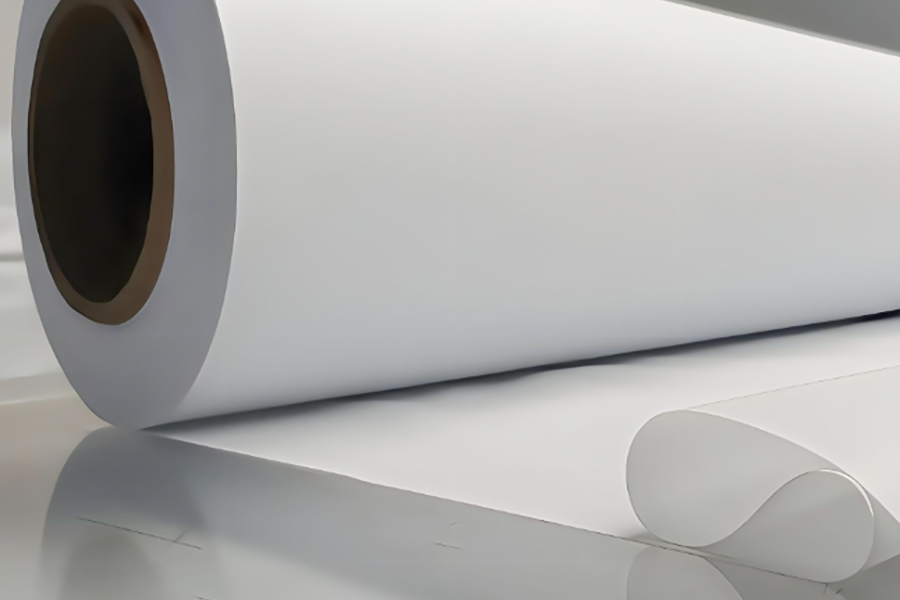
A single spark landing in the wrong spot can turn a routine weld into a shutdown, an injury, or a fire report. Fireproof fiberglass fabric exists to make sure that spark burns out on a heat-resistant barrier instead of a worker's sleeve, a cable run, or a pallet of finished product sitting a few feet away.
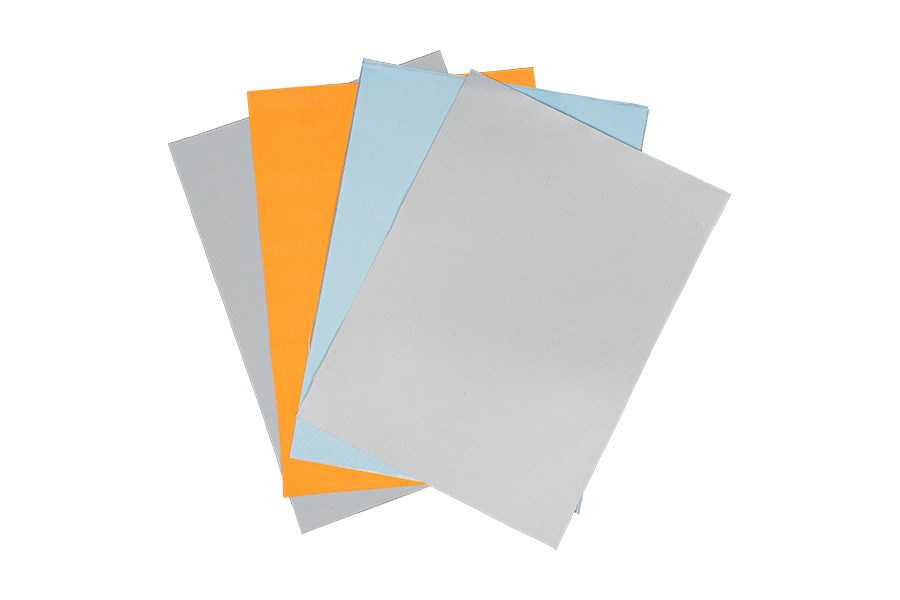
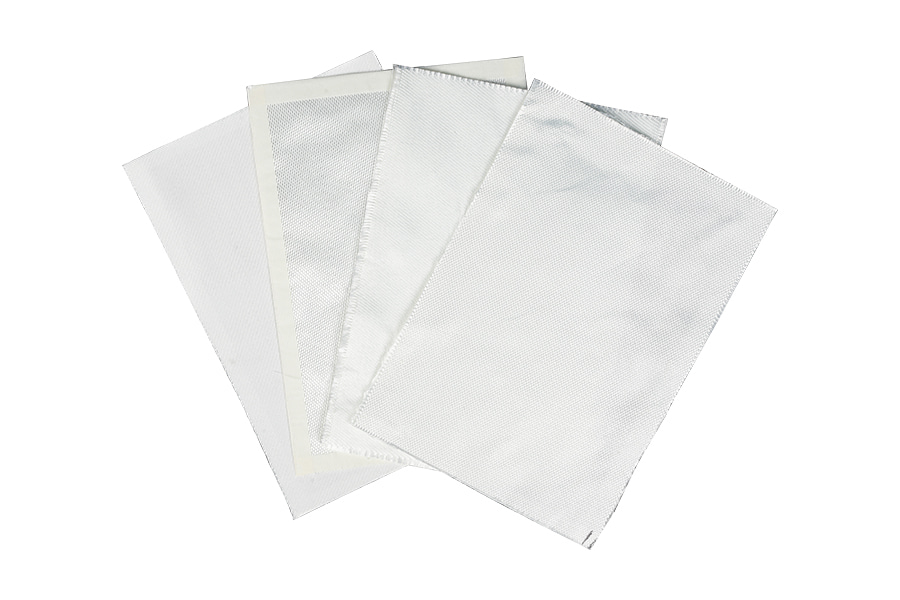
Welding throws sparks and molten metal droplets well beyond the immediate work area, and those particles do not need much of a head start to reach flammable material or an unprotected worker. Fireproof fiberglass fabric acts as a physical barrier that blocks flying sparks, captures hot metal particles, and separates active welding zones from the rest of the floor, commonly deployed as welding screens, curtains, and temporary safety barriers.
Standard fabrics burn, melt, or degrade quickly under welding-level heat, which is exactly the gap fireproof fiberglass fabric is built to close. It holds up under continuous heat exposure and short-term high-temperature contact alike, making it a practical shield around welding equipment, hot metal components, and any heat-sensitive machinery nearby.
Welding near flammable materials, chemical storage, or finished product inventory raises fire risk the moment sparks start flying. Fireproof fiberglass fabric reduces that exposure by creating fire-resistant separation zones, covering nearby materials, and containing sparks before they spread across a shared workspace.
Welding heat damages more than skin — electronic components, cables, and precision machinery surfaces degrade under repeated heat exposure too. Used as equipment covers, heat shields, and insulation wraps, fireproof fiberglass fabric extends equipment service life and cuts the maintenance costs that come from heat-damaged components.
Industries running frequent welding operations lean on this fabric across several distinct settings.
Welding curtains, spark barriers, and heat protection covers across busy fabrication floors.
Welding zone protection, equipment covering, and fire prevention in confined hull sections.
Production line protection, heat shielding, and component protection near robotic welders.
On-site welding safety, temporary fire barriers, and worker protection in open job sites.
| Feature | Fireproof Fiberglass Fabric | Traditional Fabric Materials |
| Flame Resistance | Excellent | Limited |
| Heat Resistance | High | Lower |
| Spark Protection | Strong | Limited |
| Weight | Lightweight | Often heavier |
| Industrial Suitability | Excellent | Limited |
Base the selection on welding type, heat exposure duration, and the surrounding working environment.
Thicker fabric improves insulation and protection; thinner fabric installs faster and moves more easily.
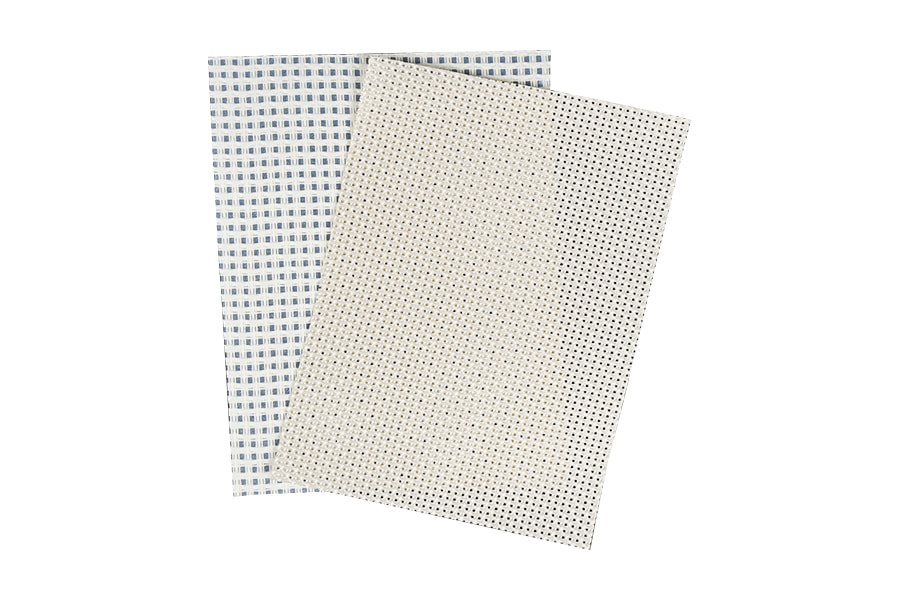
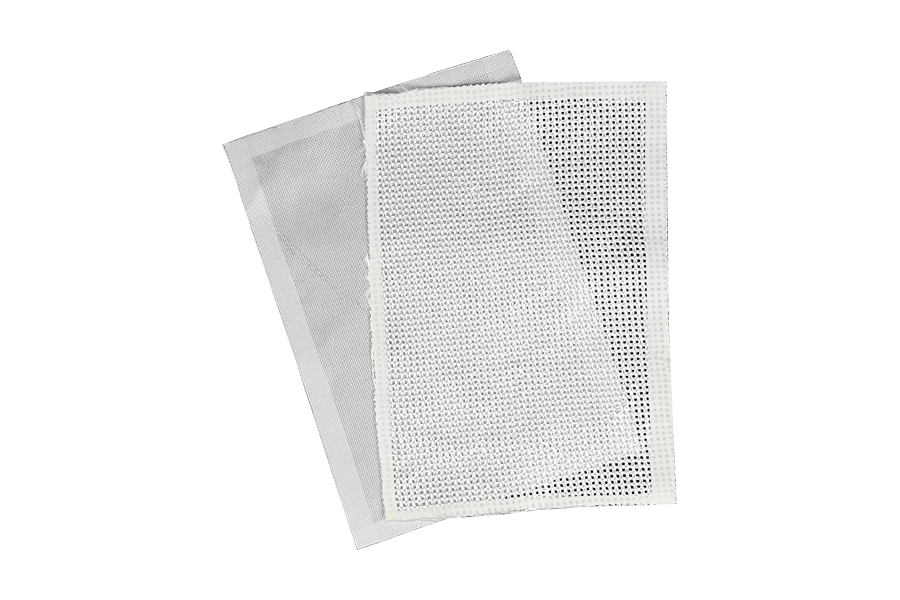
Silicone, PTFE, or vermiculite coatings can add abrasion resistance and extend durability.
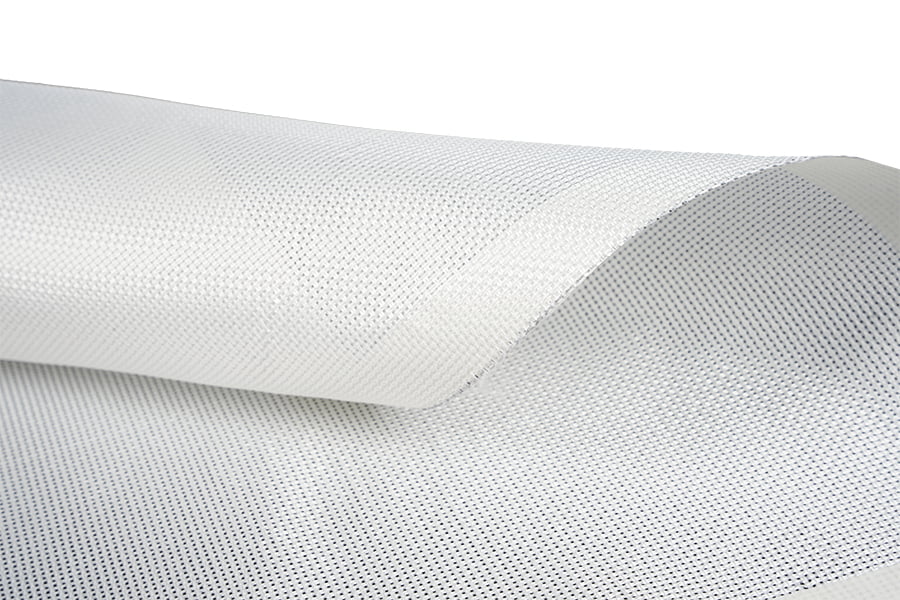
Plain, twill, or satin weave structures trade off strength and flexibility differently.
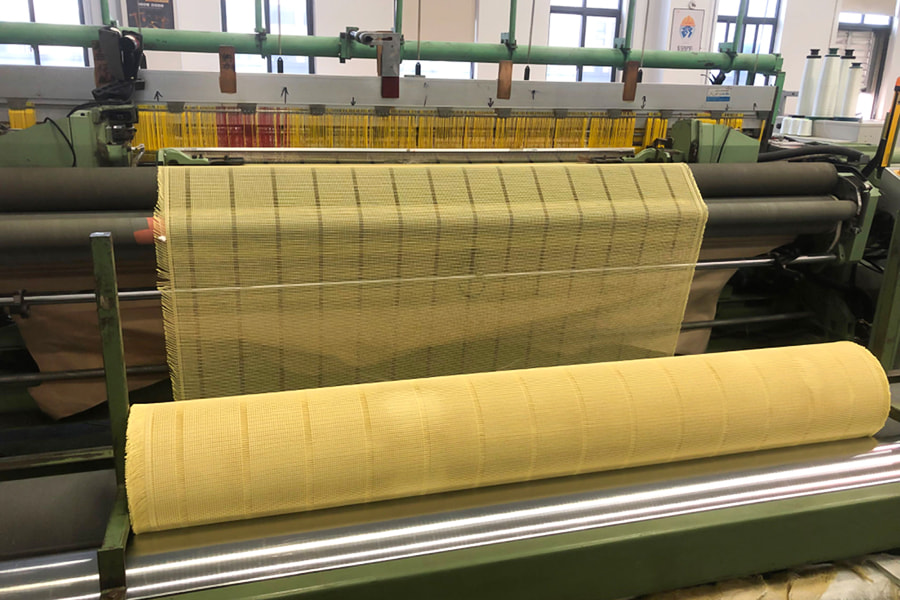
It is woven from glass fibers engineered for high flame resistance, low thermal conductivity, and strong mechanical durability, often combined with a coating for added protection.
Yes. Beyond blocking sparks from reaching people, it is commonly used as equipment covers, heat shields, and insulation wraps to protect electronics, cables, and machinery from heat damage.
Thickness depends on the application: thicker fabric provides stronger heat insulation, while thinner fabric offers better flexibility and easier installation for temporary barriers.
Metal fabrication, shipbuilding, automotive manufacturing, and construction all use it regularly for welding curtains, spark barriers, and fire-resistant separation zones.
 |
 |
Recommended Products
Copyright © 2025 Jiaxing Jiete New Material Co., Ltd. All Rights Reserved.
Wholesale Wide Width Fiberglass Cloth Roll Suppliers



 English
 中文简体
中文简体