2026-06-18
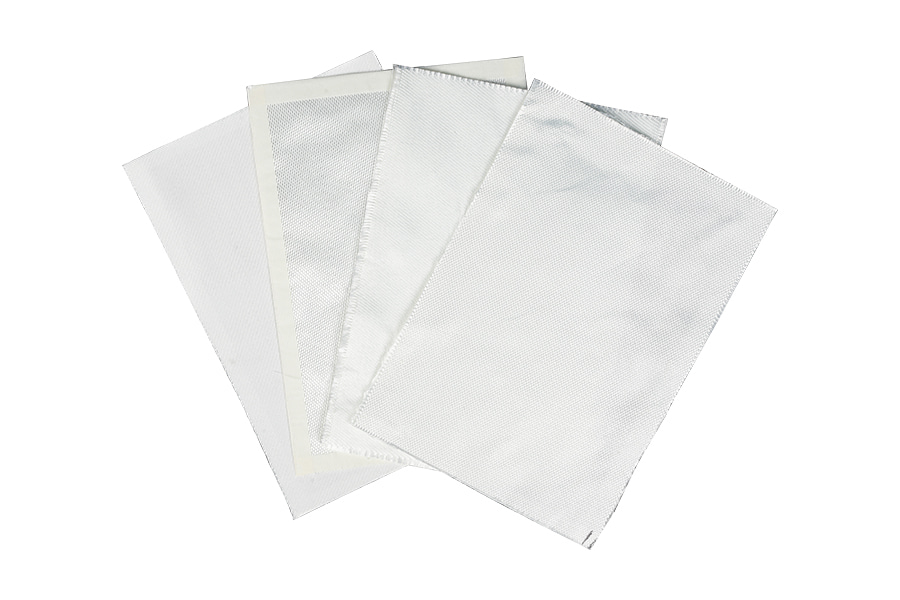
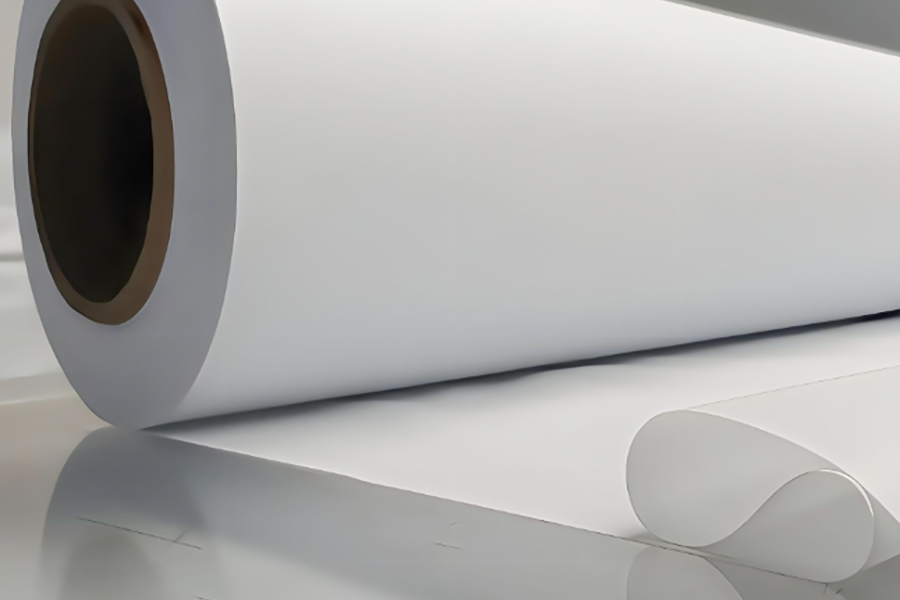
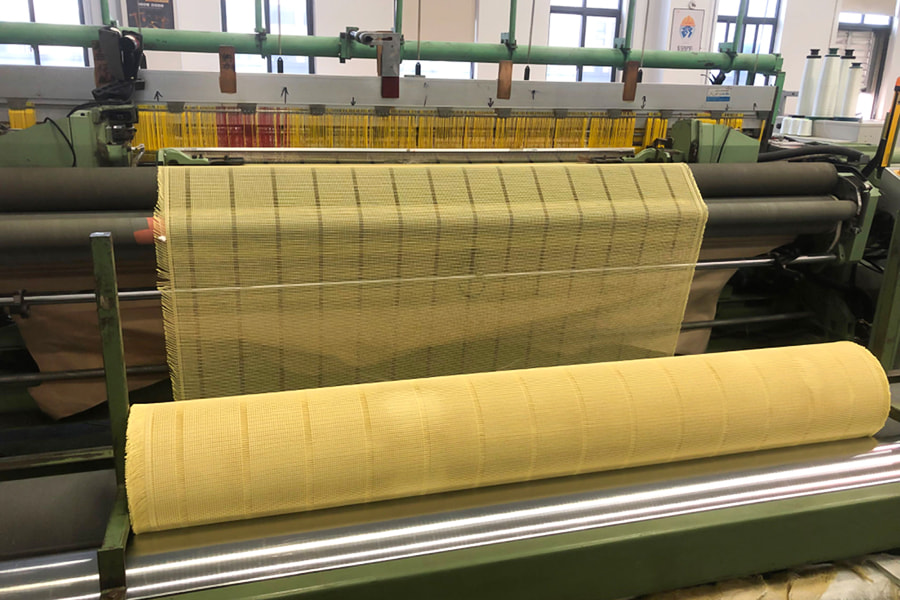
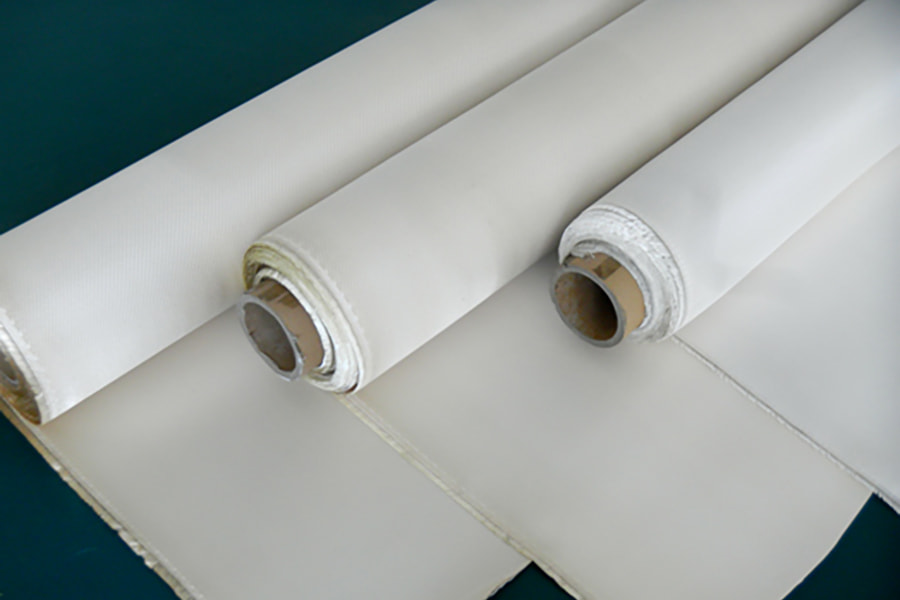
In modern industrial systems, material safety and durability are increasingly important, especially in extreme environments such as high temperatures, open flames, and intense thermal radiation. Ordinary materials often struggle to maintain stability under these conditions. Against this backdrop, Fireproof Fiberglass Fabric has gradually become a key material in industrial protection and insulation. Fireproof Fiberglass Fabric is a high-performance industrial textile made by weaving glass fibers through specialized processes. It features excellent heat resistance and innate non-combustibility. Even under direct flame exposure, it does not burn or melt like organic materials but maintains structural stability. These characteristics make it indispensable in industrial fire protection, welding safety, and thermal insulation. With the development of energy, power, metallurgy, shipbuilding, and advanced manufacturing industries, the demand for safe protective materials has increased. Consequently, Fireproof Fiberglass Fabric has seen expanding applications and has become a foundational material in industrial safety systems.
The outstanding performance of Fireproof Fiberglass Fabric in high-temperature environments comes from its unique structure and physical properties. Glass fiber itself is an inorganic, non-metallic material mainly composed of silicon dioxide, giving it natural non-combustibility. Under high-temperature conditions, this material does not undergo combustion or produce molten droplets like plastic or woven fabrics, maintaining structural integrity. Key characteristics include:
To better understand the advantages of Fireproof Fiberglass Fabric, the table below compares it with common protective materials:
Material TypeTemperature ResistanceCombustibilityService LifeMain DisadvantageOrdinary Cotton FabricLow (<150°C)CombustibleShortFlammable and unsafeSynthetic Fiber FabricMedium-Low (<250°C)CombustibleMediumMelts easily at high temperaturesMetal Foil MaterialsHighNon-combustibleLongHeavy, poor flexibilityFireproof Fiberglass FabricHigh (~500°C+)Non-combustibleLongFiber dust requires careful handlingAs shown, Fireproof Fiberglass Fabric offers clear advantages, particularly in safety and adaptability.
The fire-resistant performance of Fireproof Fiberglass Fabric is not solely due to "blocking flames" but results from multiple physical mechanisms:
This multi-layer blocking mechanism ensures high reliability in high-temperature protection.
Fireproof Fiberglass Fabric is widely used in virtually all industrial scenarios involving high temperatures and fire safety.
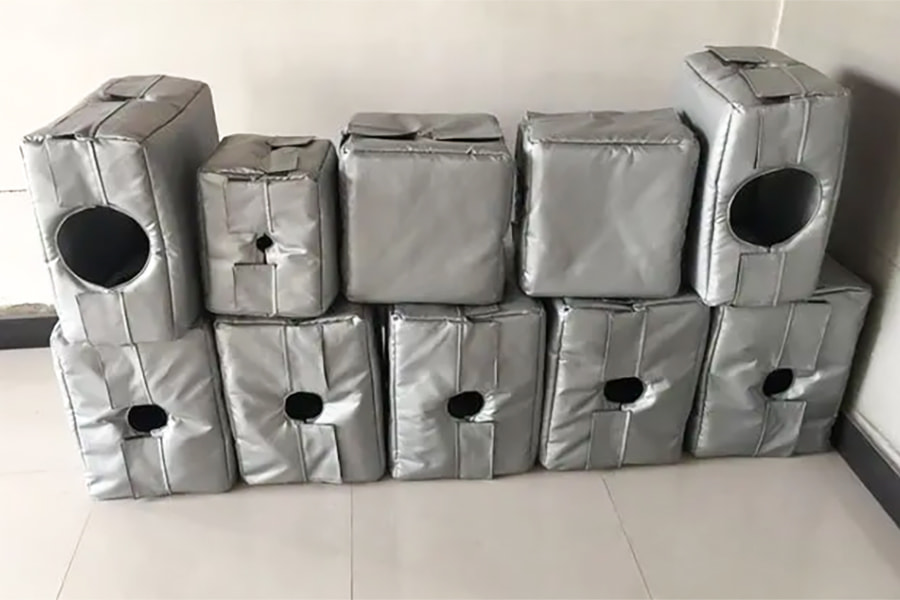
In metallurgy, chemical, and energy industries, many devices operate continuously in high-temperature environments, such as furnaces, pipelines, and heat exchangers. Without effective insulation, heat loss and safety hazards are significant. Fireproof Fiberglass Fabric is commonly used for external equipment wrapping to reduce heat loss and improve safety.
During welding operations, sparks and high-temperature metal particles can easily cause fires or equipment damage. Fireproof Fiberglass Fabric is often made into fire blankets or protective barriers to prevent spark spread and safeguard workers and equipment.
In construction, both fire resistance and energy efficiency are essential. Fireproof Fiberglass Fabric can be used in wall insulation, fire barriers, and pipe coverings, reducing energy consumption and improving overall fire safety ratings.
Power equipment, especially high-voltage systems, requires high insulation and fire safety. Fireproof Fiberglass Fabric is widely used for cable protection to prevent fire spread caused by short circuits or high temperatures.
In aircraft engine compartments, high-temperature pipelines, and automotive exhaust systems, Fireproof Fiberglass Fabric is used for thermal management and safety protection.
| Application Area | Usage Form | Main Function |
|---|---|---|
| Metallurgy | High-temperature wrapping cloth | Insulation and protection |
| Welding | Fire blankets | Block sparks |
| Construction | Insulation layer | Energy-saving and fireproof |
| Power Systems | Cable wrapping | Short-circuit prevention and flame resistance |
| Automotive Industry | Thermal protection layer | High-temperature isolation |
Its widespread industrial adoption is due to multiple advantages:
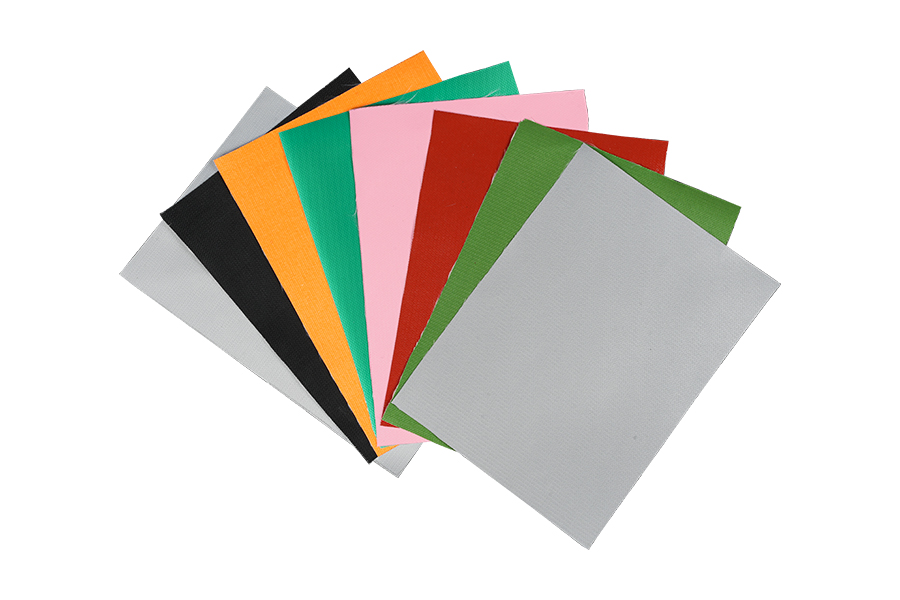
Choosing the right Fireproof Fiberglass Fabric is crucial. Material thickness should match the intended temperature environment; thicker fabrics provide better insulation but may reduce flexibility. Coatings, such as silicone or polymer, enhance water, oil, and wear resistance.
While inherently stable, proper maintenance is necessary. Continuous exposure to mechanical friction may wear down fibers, so regular inspection is advised. During handling and processing, fiber dust should be avoided, and protective equipment may be required.
Future development focuses on composite materials, lightweight designs, and multifunctionality. Combining with other high-performance materials can increase heat resistance and mechanical strength, while structural optimization makes it thinner and lighter. In new energy, aerospace, and advanced manufacturing, demand continues to grow.
As an essential industrial fire-resistant and insulating material, Fireproof Fiberglass Fabric excels in non-combustibility, heat resistance, and structural stability. It plays a key role in high-temperature industrial equipment protection, welding safety, building insulation, and power system protection. With technological advancements, its applications will continue to expand, making it even more integral to industrial safety systems.
Recommended Products
Copyright © 2025 Jiaxing Jiete New Material Co., Ltd. All Rights Reserved.
Wholesale Wide Width Fiberglass Cloth Roll Suppliers



 English
 中文简体
中文简体