

 English
 中文简体
中文简体
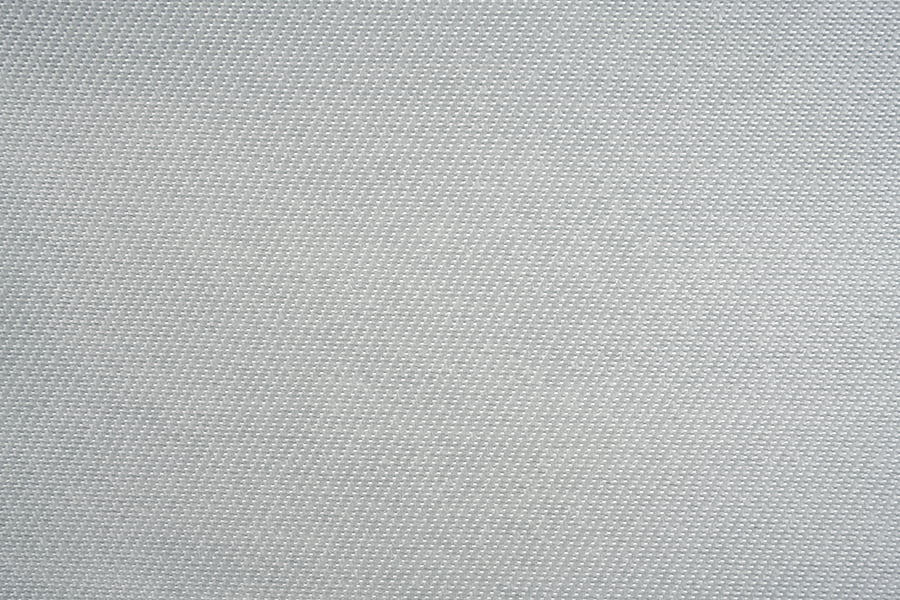

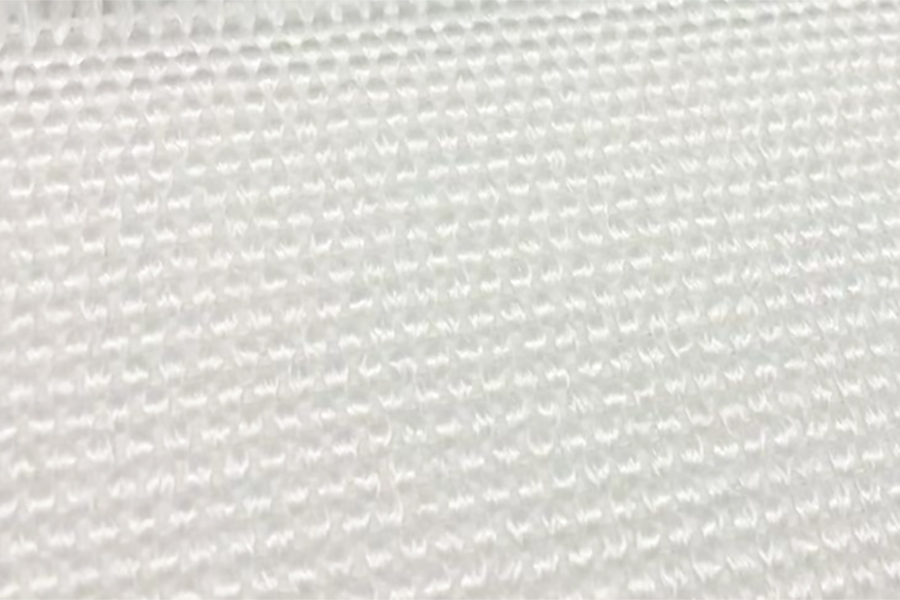
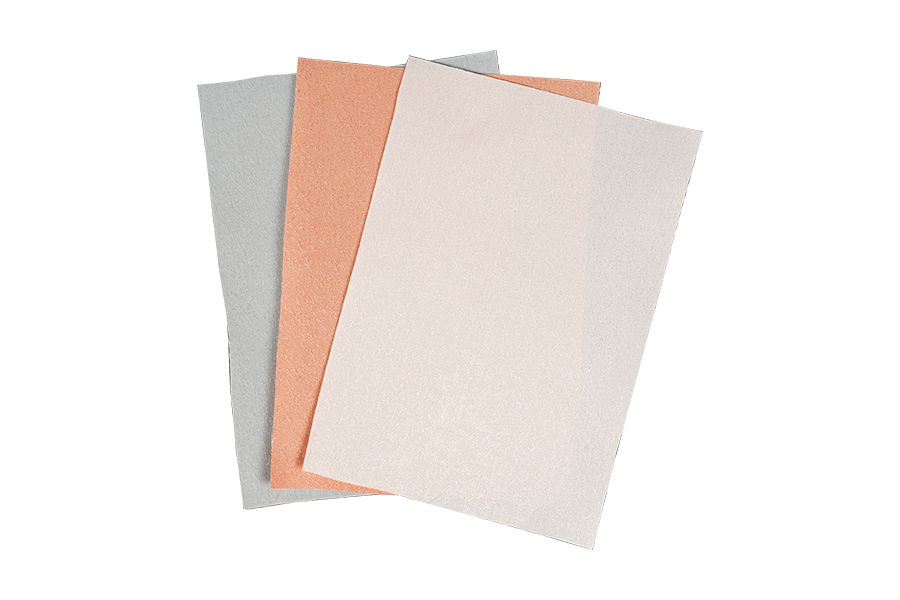
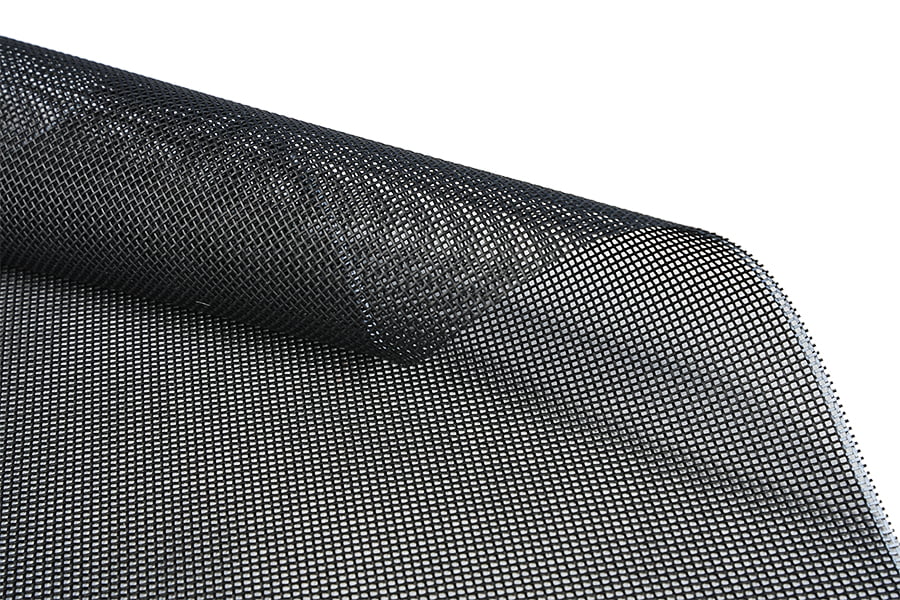
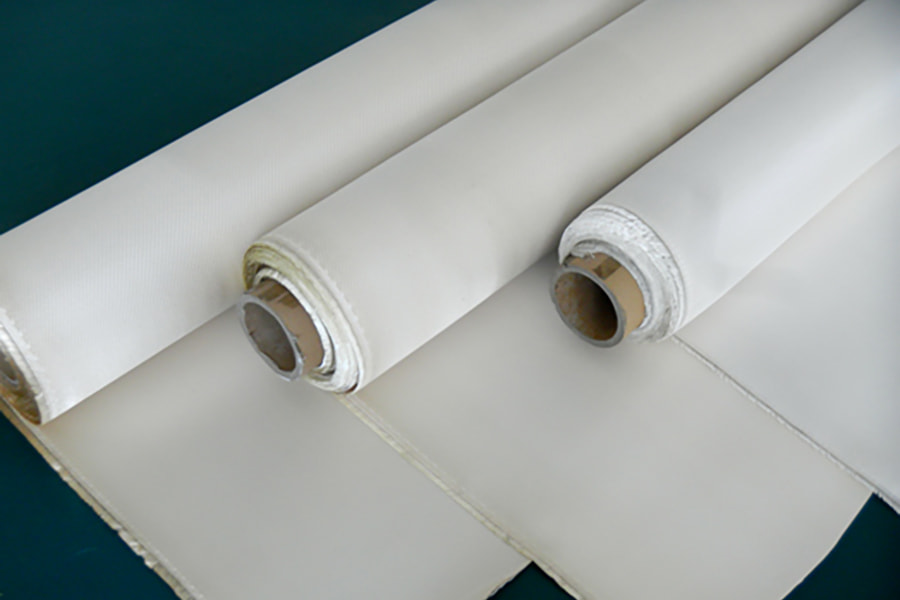
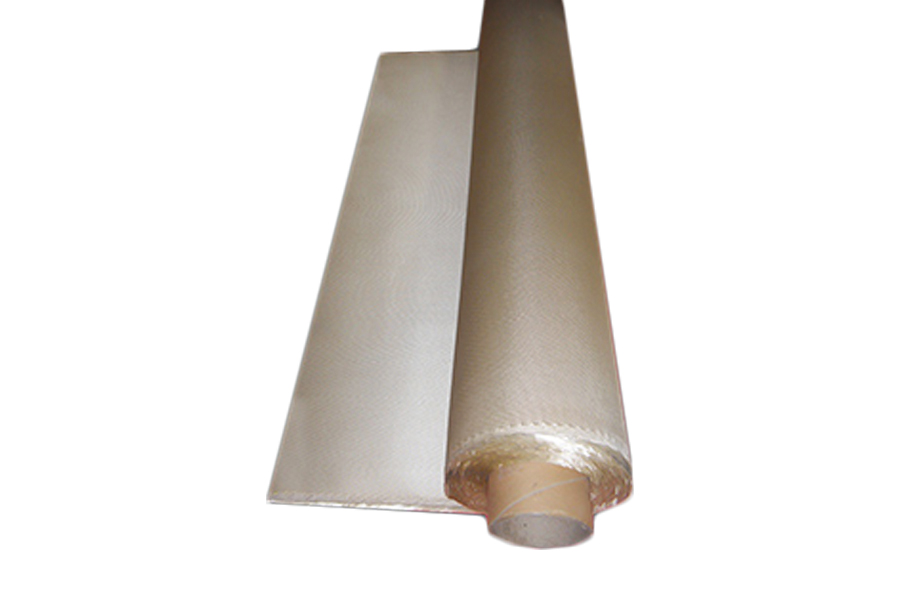
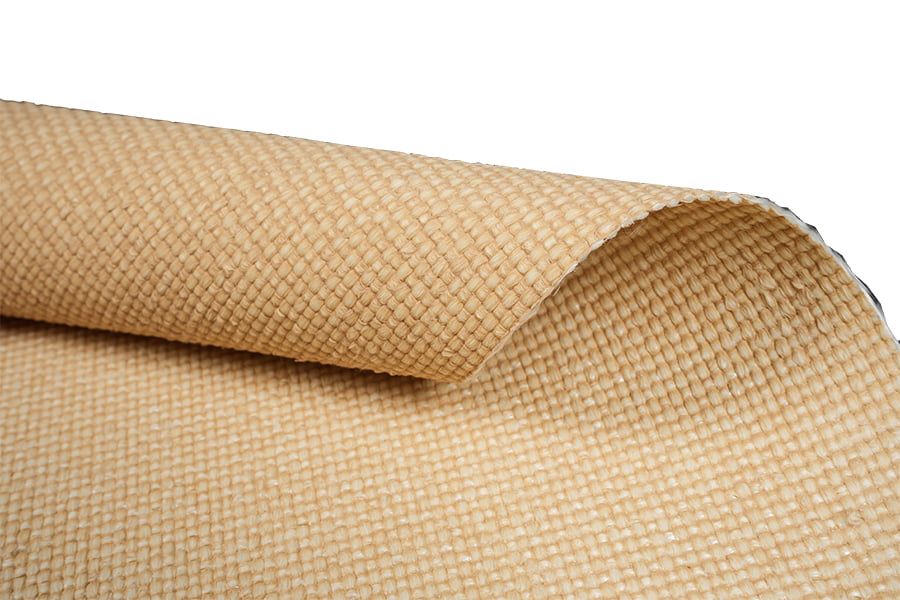
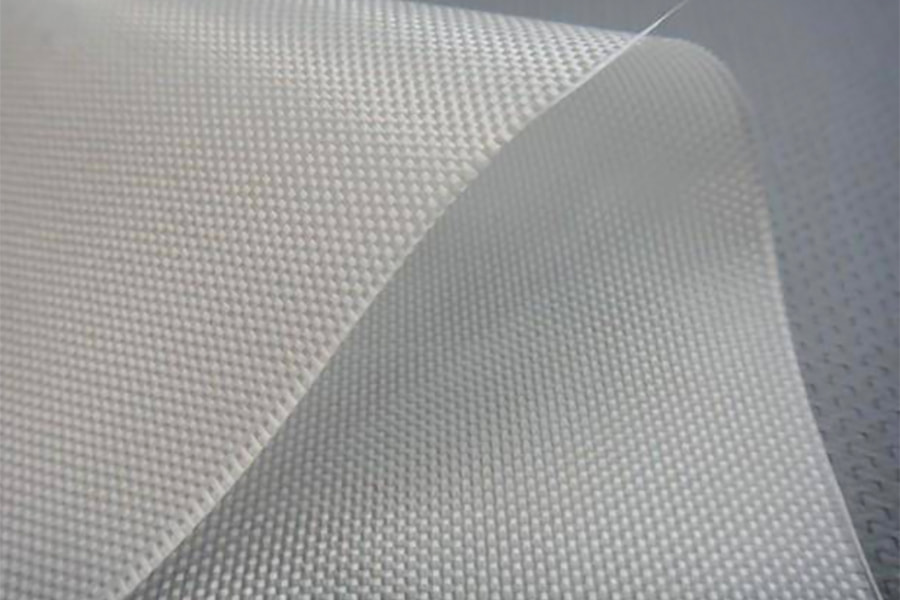
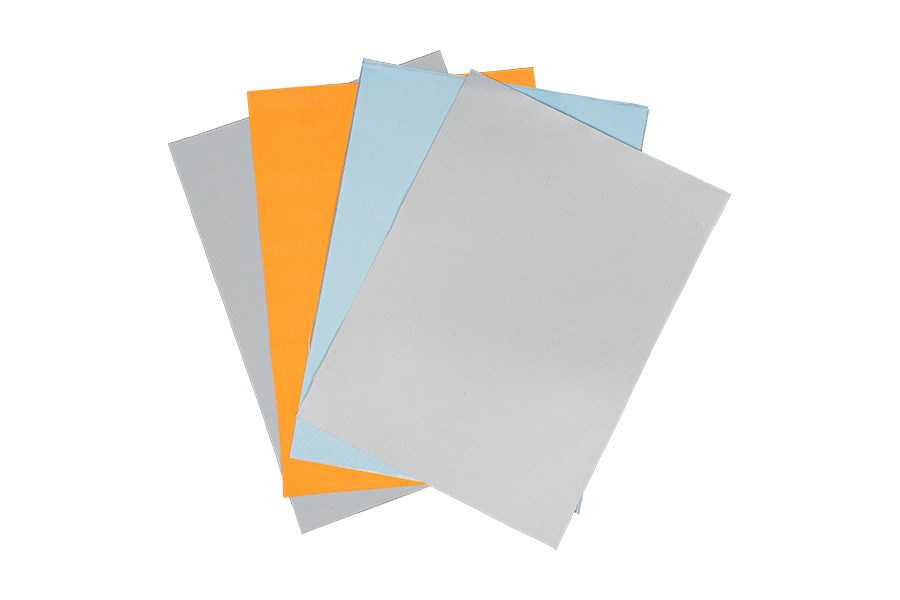
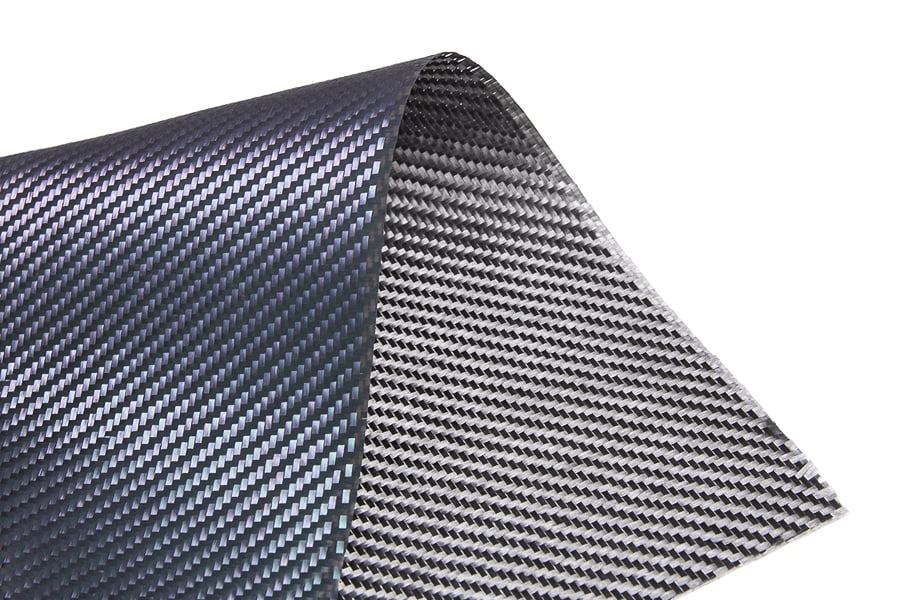
woven fiberglass cloth roll
This woven fiberglass cloth roll is manufactured from continuous E-glass filaments using precision weaving technology, producing a fabric with consistent thread count and uniform tensile distribution across both warp and weft directions. Available in areal weights spanning 80 g/m² to 800 g/m², the cloth provides tensile strengths ranging from 180 MPa to 420 MPa depending on construction. Weave patterns include plain, twill, and satin, each offering distinct drapability and surface characteristics. The fabric maintains dimensional stability up to 550°C and is compatible with polyester, vinylester, epoxy, and phenolic resin systems. The roll format ensures efficient handling in lamination, insulation, and reinforcement applications across multiple industries.
Weave Types
- Plain weave – Balanced stability, low porosity, cost-efficient
- Twill weave – Improved drape, conforms to contours
- Satin weave – Superior surface finish, high drapability
Key Properties
- Tensile strength – 180 – 420 MPa
- Service temp – –60°C to +550°C
- Weight range – 80 – 800 g/m²
- Thickness – 0.06 – 0.85 mm
Resin Compatibility
Application Sectors
Specifications Table
Storage & Handling
Frequently Asked Questions
Plain weave offers the highest stability and is most resistant to distortion. Twill weave provides better drapability and conforms to curved surfaces. Satin weave delivers the smoothest surface finish and is easiest to conform to complex shapes but has lower stability. Choose based on application requirements for surface finish, formability, and stability.
Lightweight (80–200 g/m²): surfacing layers, cosmetic finishes. Medium weight (200–400 g/m²): general laminates, moderate structural reinforcement. Heavy weight (400–800 g/m²): structural applications, thick laminates, high-load reinforcement. Consider mechanical requirements and number of plies needed when selecting.
Yes. The woven architecture allows resin flow through the fabric during vacuum infusion. For optimal results, use low-viscosity resins and maintain vacuum pressure of 0.095–0.100 MPa. Ensure proper bagging and flow media placement to achieve complete wet-out.
The fabric maintains structural integrity up to 550°C continuous exposure. Short-term peaks up to 650°C are possible without significant strength loss. For applications above 500°C, select fabric weights above 400 g/m² for optimal thermal stability.