

 English
 中文简体
中文简体
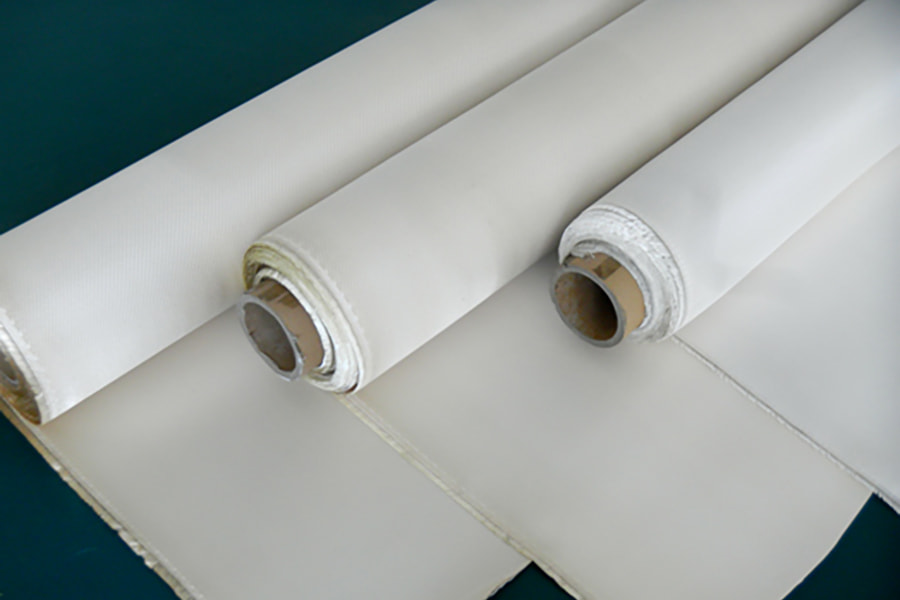
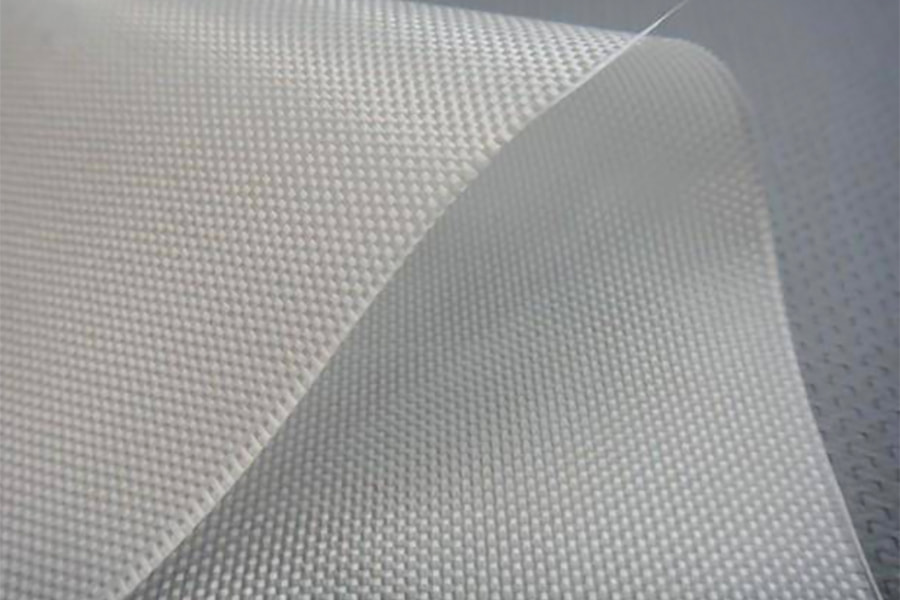
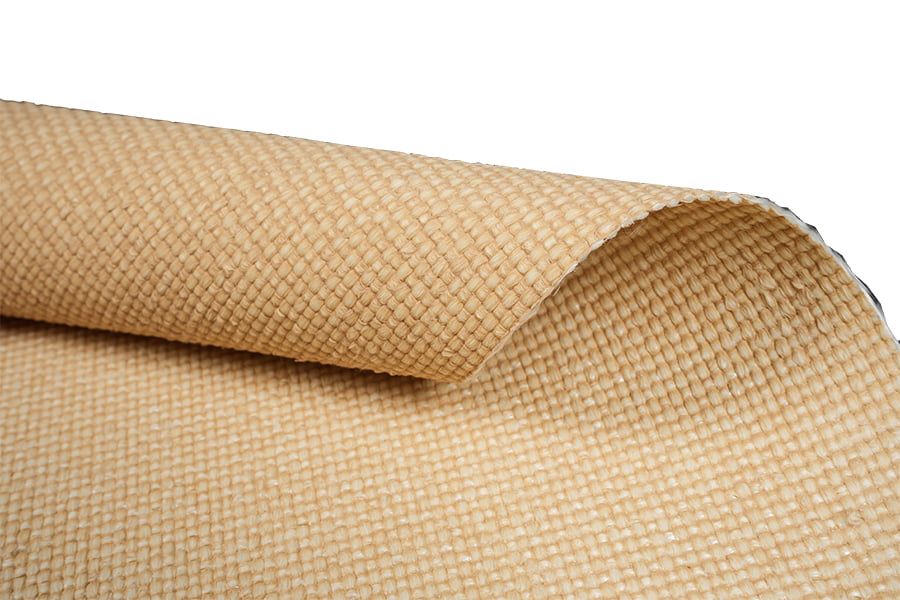
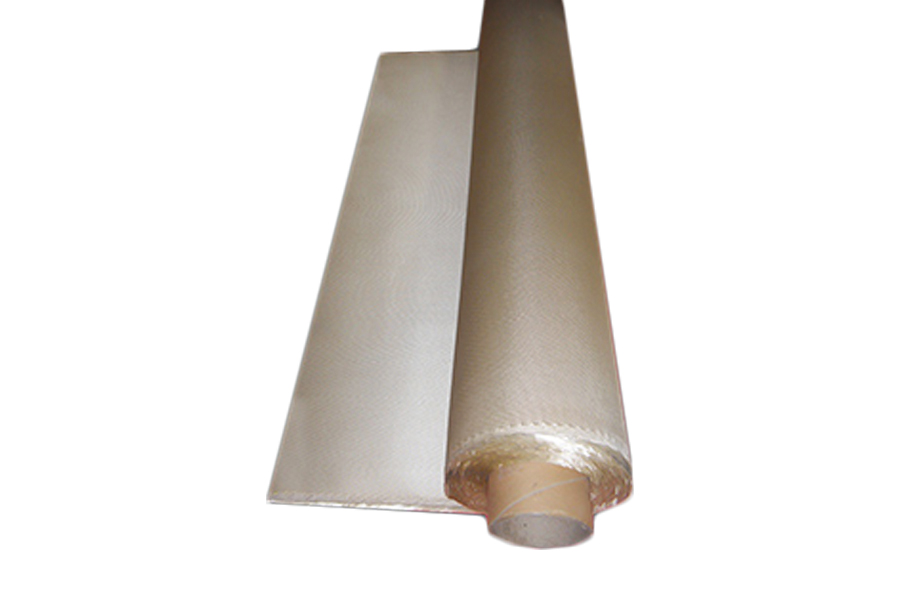
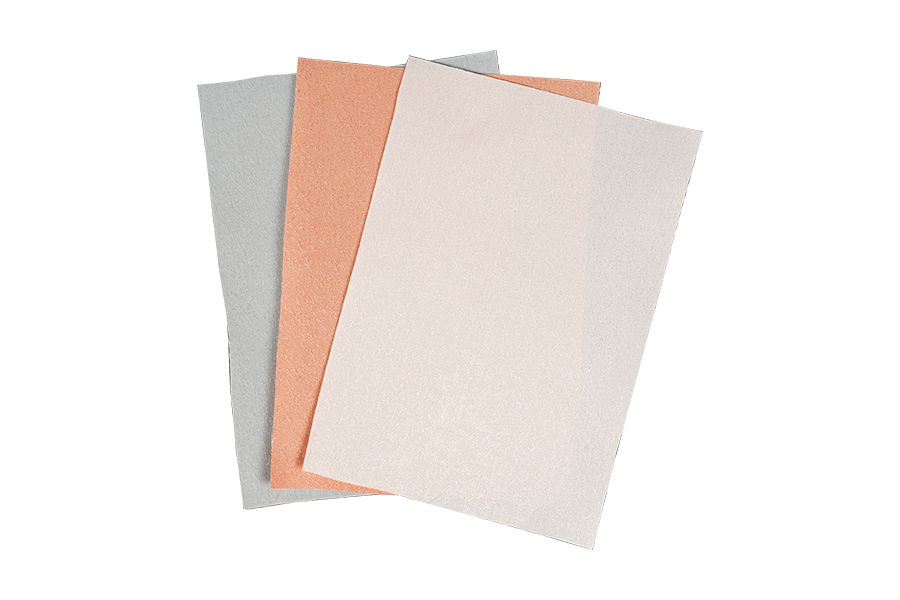
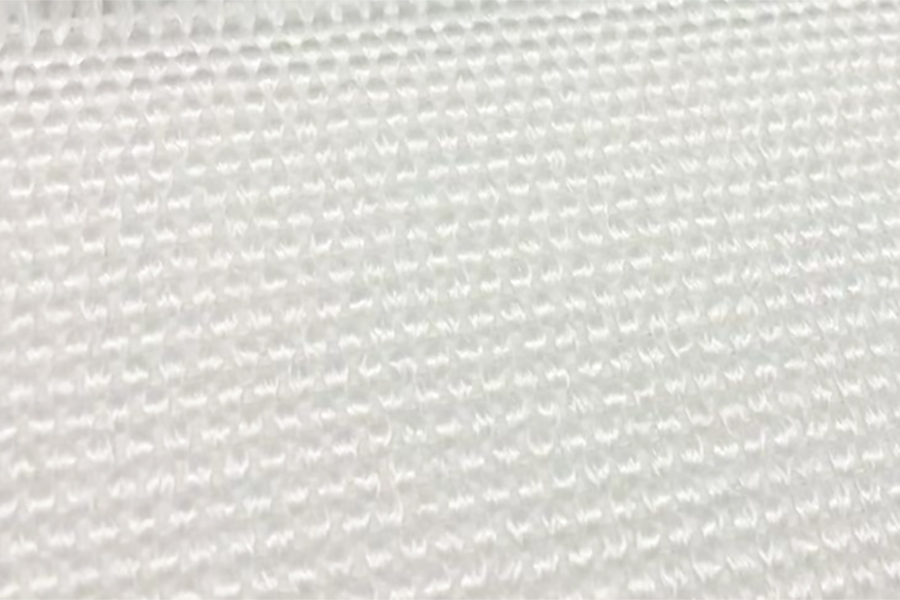

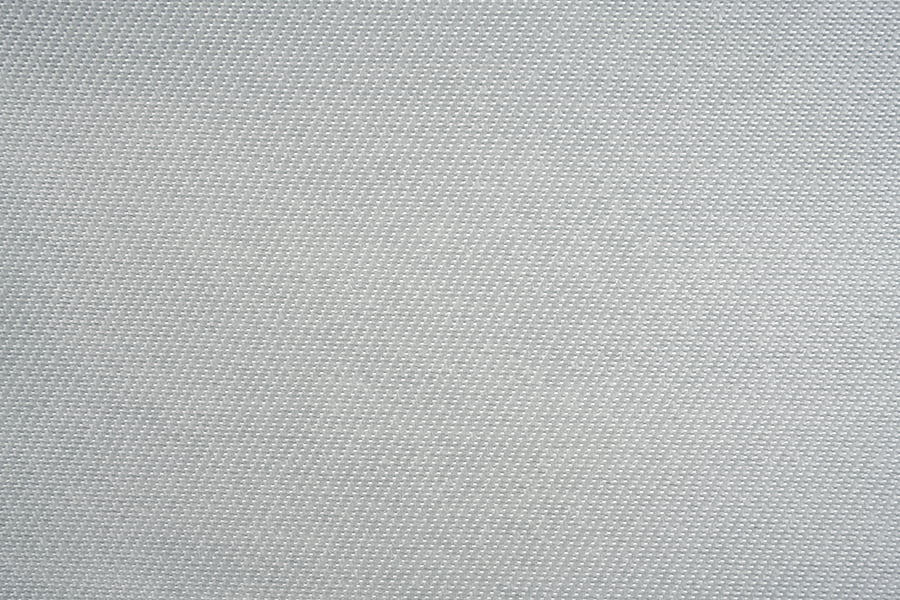
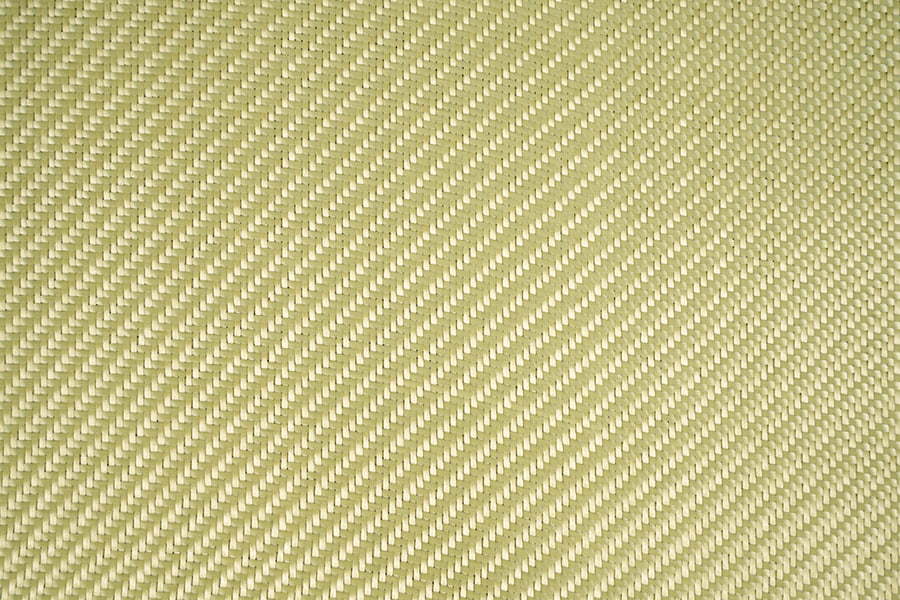
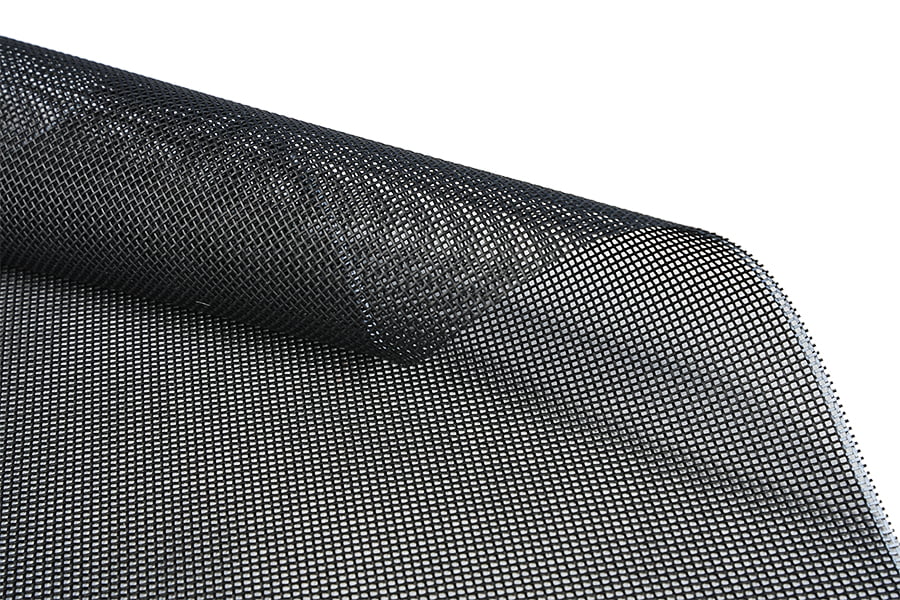
fiberglass reinforcement fabric roll
Structural Reinforcement Fabric
This reinforcement fabric roll is engineered for demanding structural applications requiring high mechanical performance and reliability. Manufactured from continuous E-glass filaments with a proprietary sizing system, the fabric delivers exceptional tensile strength exceeding 350 MPa and flexural modulus of 28 GPa. Available in areal weights from 100 g/m² to 800 g/m² and thicknesses from 0.08 mm to 0.85 mm, the fabric accommodates a wide spectrum of reinforcement applications across multiple industries. The balanced weave architecture ensures uniform stress distribution, while the fabric's compatibility with polyester, vinylester, epoxy, and phenolic resins makes it suitable for diverse composite manufacturing processes. The roll format supports efficient material handling and reduces waste in high-volume production environments.
Reinforcement Fabric Benefits
- High tensile strength: Engineered to provide reliable reinforcement, delivering consistent mechanical properties that meet demanding structural requirements.
- Excellent resin compatibility: Sizing chemistry is formulated to bond effectively with polyester, vinylester, epoxy, and phenolic resin systems.
- Uniform fabric architecture: Precision weaving ensures consistent fiber distribution, minimizing variability and ensuring reproducible composite properties.
- Versatile reinforcement solution: Suitable for hand lay-up, spray-up, vacuum infusion, RTM, and prepreg applications across multiple industries.
- Dimensional stability: Low moisture absorption and controlled thermal expansion ensure consistent performance across varying environmental conditions.
Reinforcement Specifications
Reinforcement Applications
Reinforcement Fabrication Guide
Frequently Asked Questions
This reinforcement fabric provides multi-directional structural reinforcement through its balanced weave architecture. The fabric's two-dimensional reinforcement strengthens laminates and composites in both warp and weft directions, enhancing tensile, flexural, and impact resistance. For unidirectional reinforcement, the fabric can be oriented with the primary load direction.
The fabric maintains structural integrity up to 550°C continuous service, making it suitable for reinforcement applications in high-temperature environments. The glass fiber composition and sizing provide thermal stability without significant strength degradation up to 400°C. For applications exceeding 400°C, we recommend using the fabric with high-temperature compatible resin systems.
For structural reinforcement applications, we recommend a minimum overlap of 75 mm. For high-load applications, use 100 mm overlaps. For concrete reinforcement and bridge strengthening, overlap should be 100–150 mm to ensure adequate load transfer. Stagger overlaps in multi-ply applications to avoid stress concentration.
Yes. This reinforcement fabric is widely used for strengthening existing concrete, steel, and timber structures. For concrete strengthening, use epoxy-based systems and ensure proper surface preparation including grit-blasting and vacuum cleaning. For steel reinforcement, use appropriate primers and adhesive systems. Always consult a structural engineer for specific strengthening designs.
Higher areal weight fabrics (400–800 g/m²) provide greater reinforcement per layer and are suitable for heavy structural applications. Lower weight fabrics (100–300 g/m²) are used for surfacing layers, cosmetic applications, or where weight reduction is critical. The choice of areal weight should be based on the specific reinforcement requirements and laminate schedule of the application.