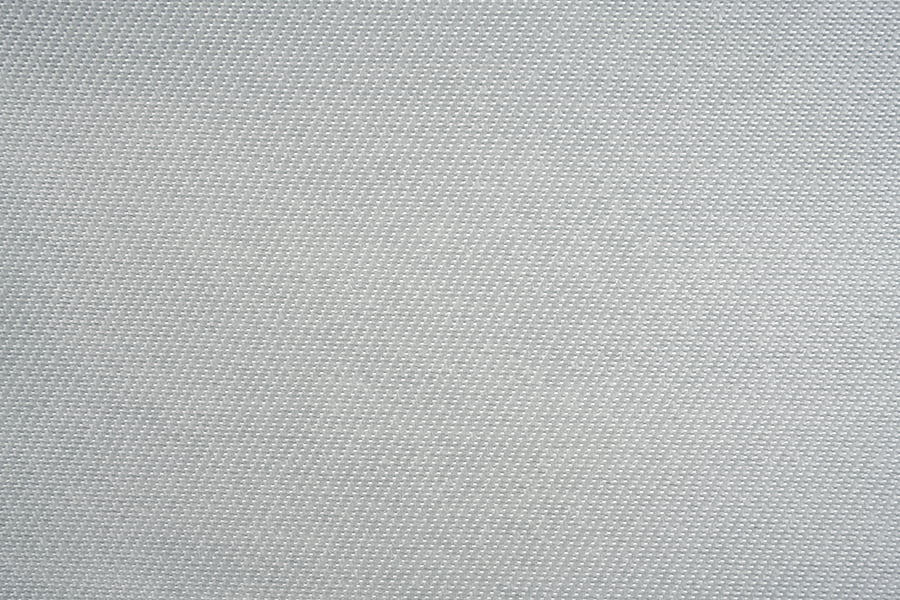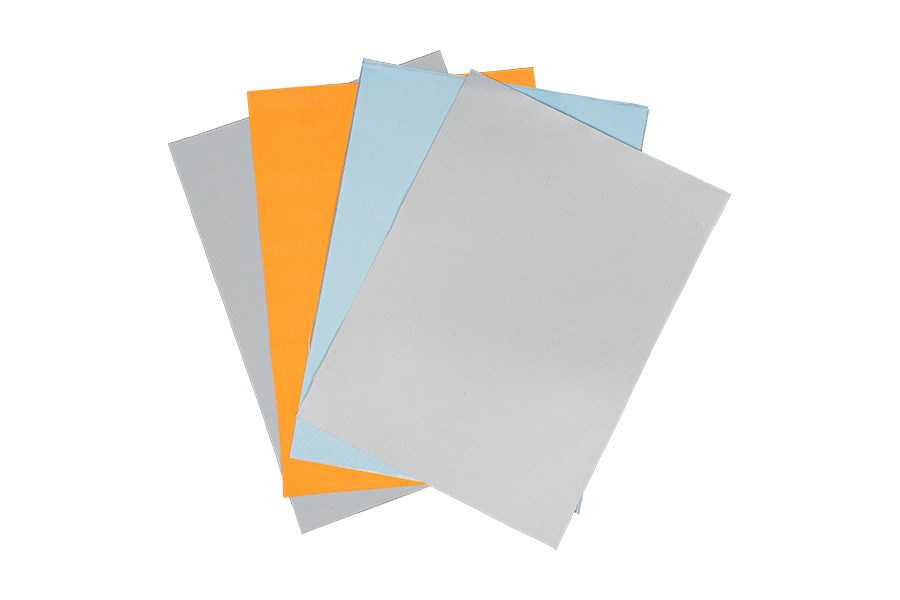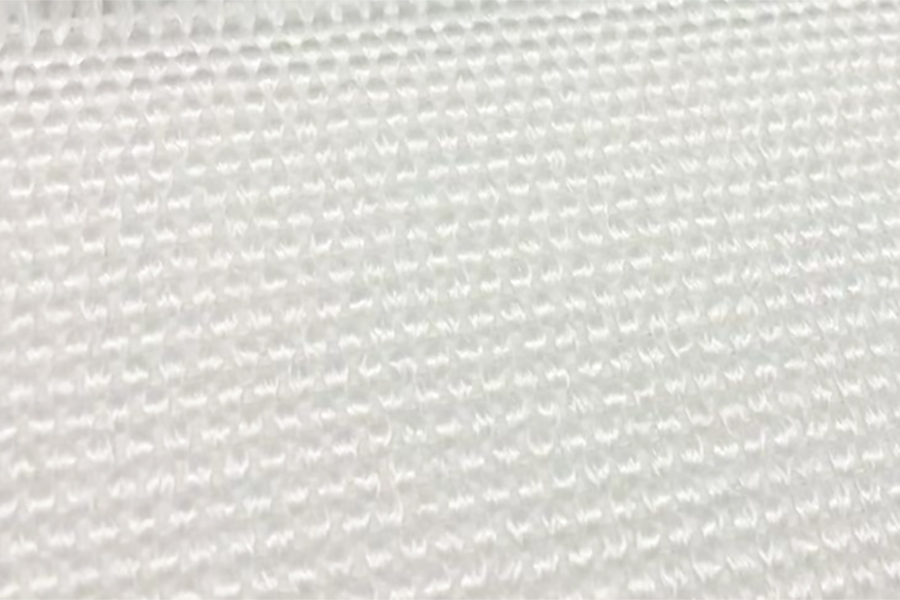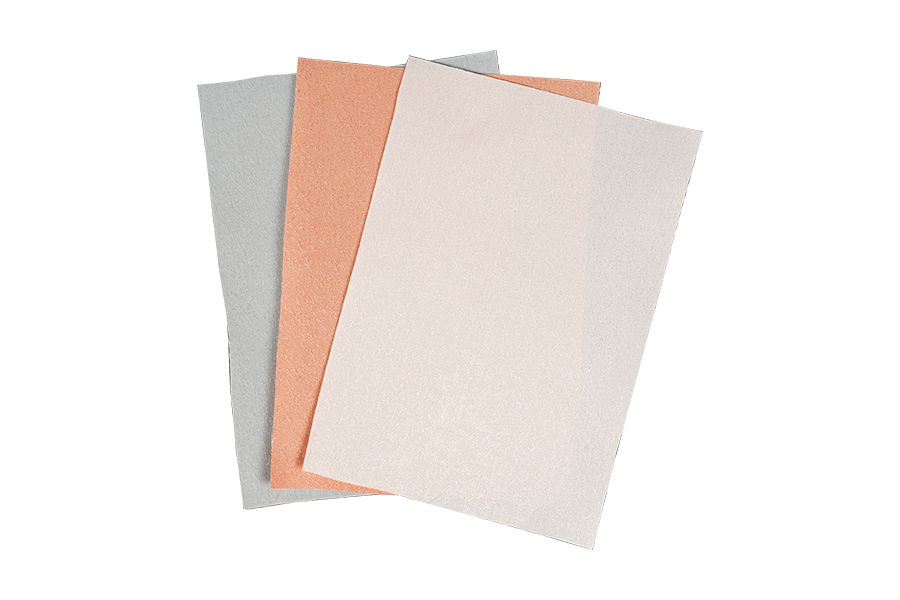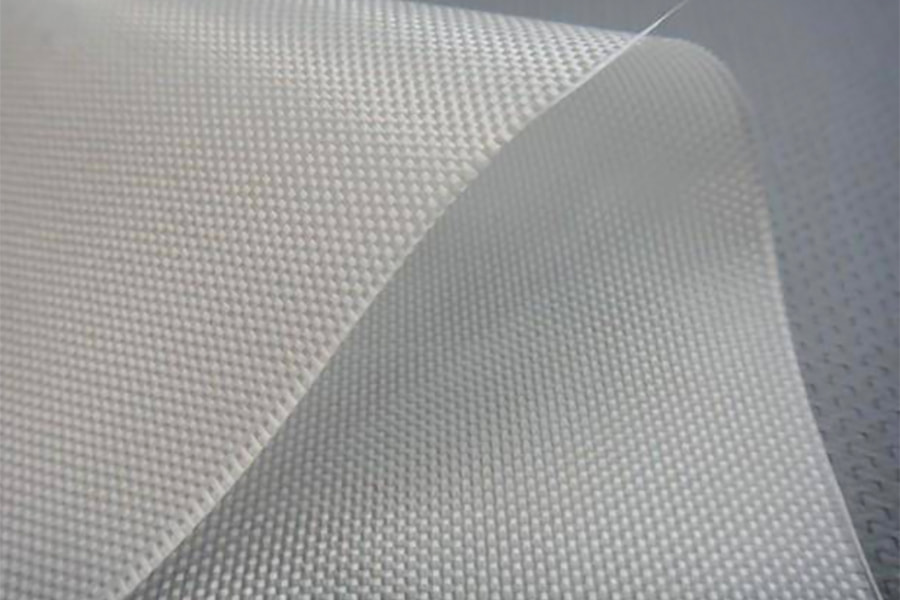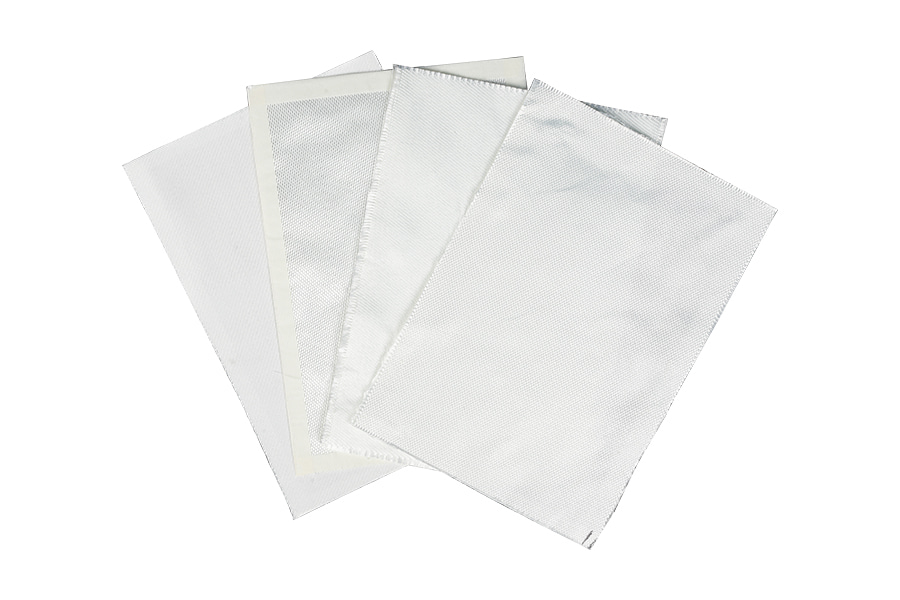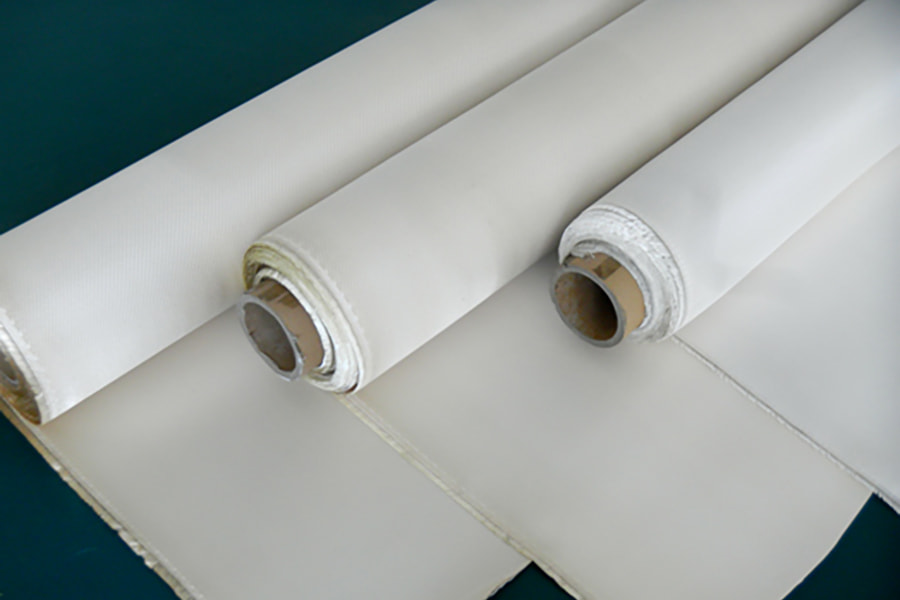
fiberglass cloth roll for epoxy resin

Optimized for Epoxy Matrix Bonding

This cloth roll is specifically engineered to achieve maximum interfacial adhesion with epoxy resin systems. Manufactured using E-glass filaments with a proprietary silane-based sizing, the fabric promotes strong covalent bonding with amine- and anhydride-cured epoxies, delivering laminates with ILSS (interlaminar shear strength) exceeding 55 MPa and flexural strength of 450 MPa. Available in areal weights from 100 g/m² to 500 g/m² and thicknesses from 0.08 mm to 0.55 mm, the cloth ensures uniform resin distribution and minimizes void content. The fabric operates continuously from –60°C to +550°C and is compatible with room-temperature, elevated-temperature, and autoclave epoxy curing cycles.

55+MPa ILSS (Epoxy)
450MPa Flexural Strength
100-500g/m² Weight Range

Epoxy-Resin Benefits

  • Superior interfacial bonding: Silane sizing ensures covalent bonding with epoxy functional groups, maximizing stress transfer across the fiber-matrix interface.
  • Optimal wet-out properties: Surface energy matched to epoxy resins (42–48 mN/m) promotes complete wet-out with minimal pinholes or dry spots.
  • Low void content: Controlled fabric geometry and sizing reduce entrapped air, achieving laminates with less than 1% void volume fraction.
  • Cure cycle versatility: Compatible with all epoxy curing agents including aliphatic and aromatic amines, anhydrides, and catalytic systems.
  • High glass transition retention: Maintains mechanical properties at elevated temperatures up to 180°C (Tg) with minimal creep and relaxation.

Specifications for Epoxy Use

Fiber TypeE-glass (epoxy-compatible sizing)
Weave TypePlain / Twill / Satin
Areal Weight100 – 500 g/m² (±5%)
Thickness0.08 – 0.55 mm
ILSS (with epoxy)≥ 55 MPa
Flexural Strength≥ 450 MPa
Epoxy Wet-out≤ 60 sec at 25°C
Service Temperature–60°C to +550°C
Roll Widths800 / 1000 / 1200 mm
Roll Lengths30 / 60 / 100 m

Epoxy Processing Applications

Prepreg productionBase fabric for epoxy prepregs with controlled resin content (32–38% by weight).
Vacuum infusionOptimized for low-viscosity epoxy infusion resin systems (100–250 cP).
Hand lay-upExcellent handling and drape for room-temperature epoxy curing.
Autoclave moldingCompatible with high-temperature epoxy prepregs and out-of-autoclave systems.
Structural bondingReinforcement for epoxy-based structural adhesives and composite repairs.
Tooling compoundsEpoxy mold and pattern reinforcement for composite tooling applications.

Epoxy Laminate Fabrication Guide

A
Surface preparationClean mold surfaces with epoxy-compatible release agents. Pre-warm molds to 40–50°C for improved resin flow.
B
Resin mixingFollow the epoxy system's resin-to-hardener ratio precisely. Degas mixed resin for 5–10 minutes to remove entrapped air.
C
Lay-up procedureApply resin to each ply using rollers or brushes. For prepreg, remove backing film and lay-up with 5–10 mm overlap.
D
DebulkingApply vacuum bagging at 0.080–0.095 MPa for 15–30 minutes between every 4–6 plies to ensure compaction.
E
Cure scheduleRoom-temperature epoxies: 24 hours at 25°C. Elevated-temperature: ramp 2°C/min to 80°C, hold 4 hours, post-cure at 150°C for 2 hours.
F
Post-processingDemold at room temperature after complete cure. Trim flash using diamond-coated tools to prevent edge delamination.

Frequently Asked Questions

This cloth is compatible with all major epoxy resin types including bisphenol-A (DGEBA), bisphenol-F, novolac, and cycloaliphatic epoxies. It works equally well with amine-cured, anhydride-cured, and catalytic curing systems. The sizing is optimized to provide strong interfacial bonding with both room-temperature and elevated-temperature curing systems.

The cloth maintains structural integrity up to 550°C continuous, making it suitable for high-temperature epoxy systems (Tg up to 200°C). The sizing is thermally stable up to 300°C, ensuring that bond strength is not compromised during elevated-temperature cure cycles or service conditions.

For structural applications, a resin content of 35–40% by weight (45–50% by volume) provides the optimal balance of mechanical properties. This corresponds to a fiber volume fraction of 50–55%. For vacuum infusion, resin content may be slightly lower (30–35% by weight) due to improved compaction.

Yes. The cloth is suitable for structural repairs of epoxy-based composites. For repair applications, use a 12:1 scarf ratio with the same epoxy resin system as the parent laminate. Apply 4–8 plies depending on the required strength, and cure according to the repair system's specifications. Surface preparation is critical—grit-blast and solvent-clean prior to repair.

The proprietary silane-based sizing contains epoxy-reactive functional groups (amine and glycidoxy) that form covalent bonds with the epoxy resin during curing. This chemical bonding significantly improves interfacial adhesion compared to unsized or standard-sized glass fibers, increasing ILSS by 25–35% and reducing susceptibility to moisture attack at the interface.

Jiaxing Jiete
Est. 2010 · Haining, Zhejiang · Fiberglass Fabric
Fiberglass Fabric Manufacturer
Clarity, strength,
and coating — woven in.

Since 2010 we've woven and coated fiberglass fabric to spec for customers who need both the physics and the finish to hold up.

opaquecoatedbase weavetranslucent
Light transmittance across our fabric & membrane range
About the mill
Zhijiang Industrial Park

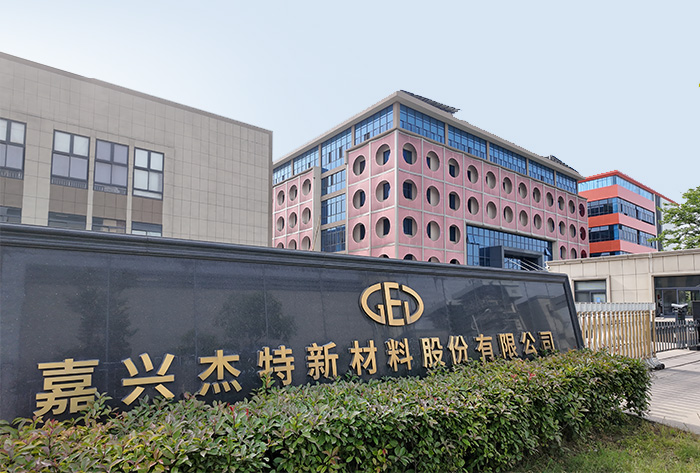
Jiaxing Jiete New Material Co., Ltd. is a professional manufacturer of fiberglass fabric, established in 2010 and based in Zhijiang Industrial Park, Haining City, Zhejiang Province — well connected for shipping worldwide.

We are China fiberglass cloth roll for epoxy resin Manufacturers and Custom fiberglass cloth roll for epoxy resin Suppliers. We weave fiberglass fabric and develop custom products to specification, running Karl Mayer warping-slashing lines, air-jet looms, Dornier rapier looms, and multiple coating lines under one roof.

Jiete fiberglass weaving and coating facility
Factory floor
150,000 m²
factory floor area
200+
people on staff
200
pieces of production equipment
Product portfolio
9 material lines
Standard and high-strength weaves, heat-resistant base fabric.
Type-E · base weave
Exceptional tensile strength and impact resistance.
Aramid · high tenacity
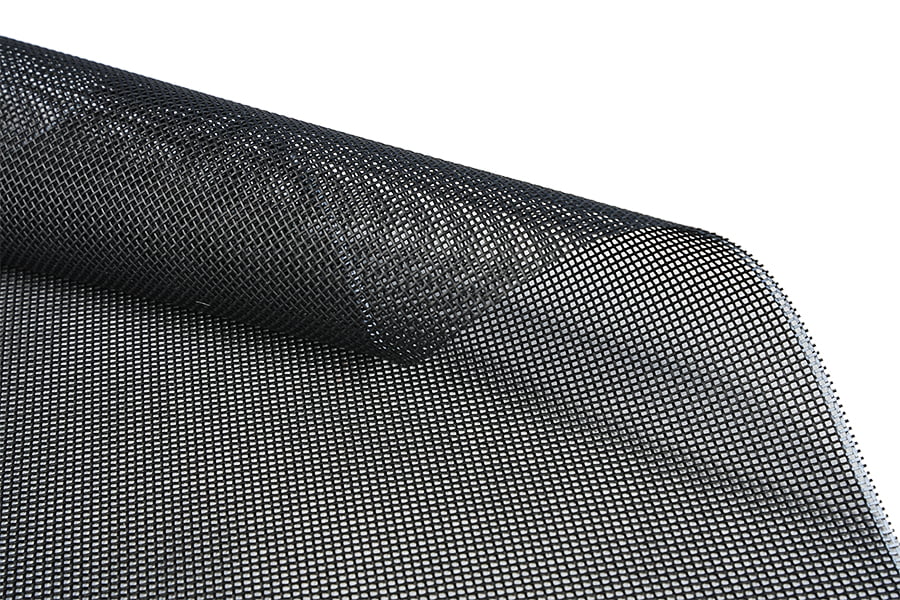
Fine, even mesh for agricultural and architectural screening.
Mesh · screening grade
Engineered for extreme or non-standard operating conditions.
Custom · engineered
High translucency, self-cleaning surface, long-span tensile use.
PTFE · tensile grade
Non-stick, chemical resistant across a wide thermal range.
-70°C to +260°C
Flexible, waterproof, with strong high-temperature insulation.
Silicone · flexible
Durable, flame-retardant, and weatherproof for outdoor use.
PVC · flame-retardant
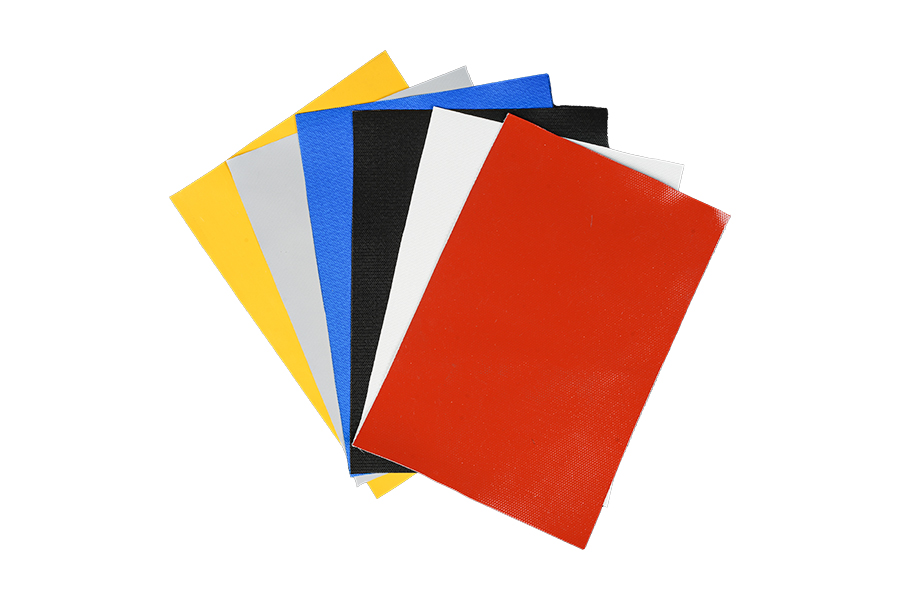
PU, acrylic, and other custom coatings available on request.
PU / acrylic · custom
Built to your drawing, not our catalogue

Send us a requirement outside the standard range and our R&D team will design the weave, finish, and coating around it — from first sample through to production volume.

Since 2010, on a foundation of careful management and steady reinvestment, Jiete has built a position in the global fiberglass fabric trade and long-standing partnerships across it. We'd welcome the chance to host you at the mill.

Recommended LINKS