

 English
 中文简体
中文简体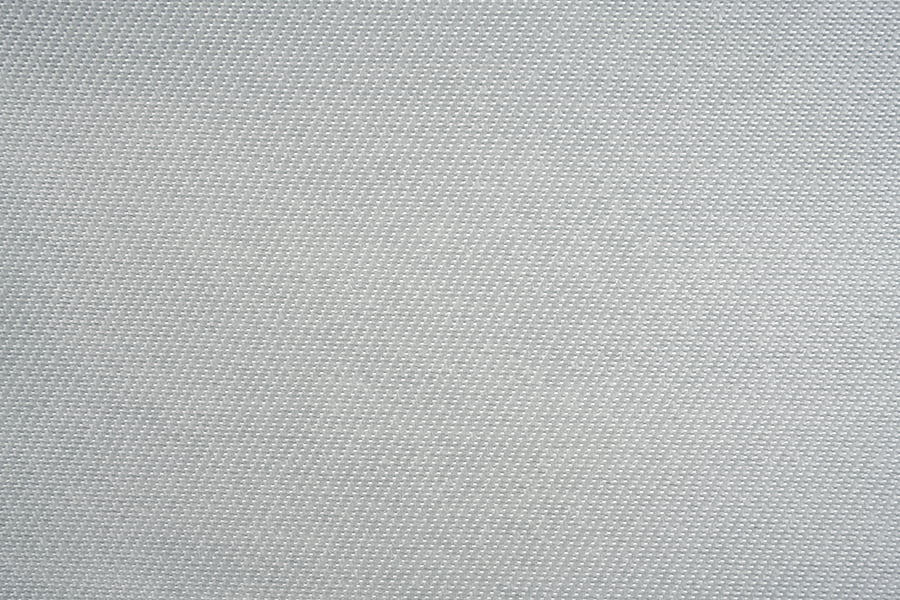

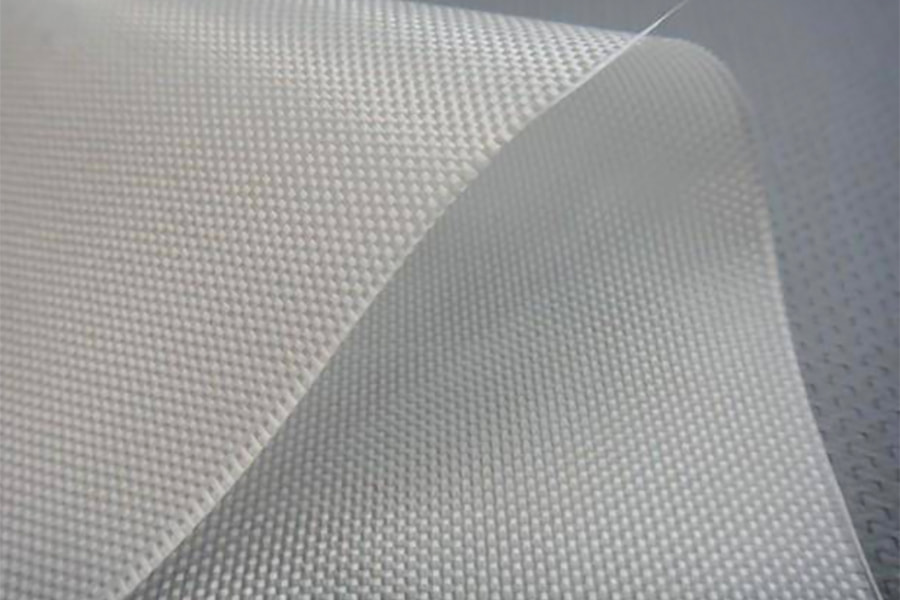
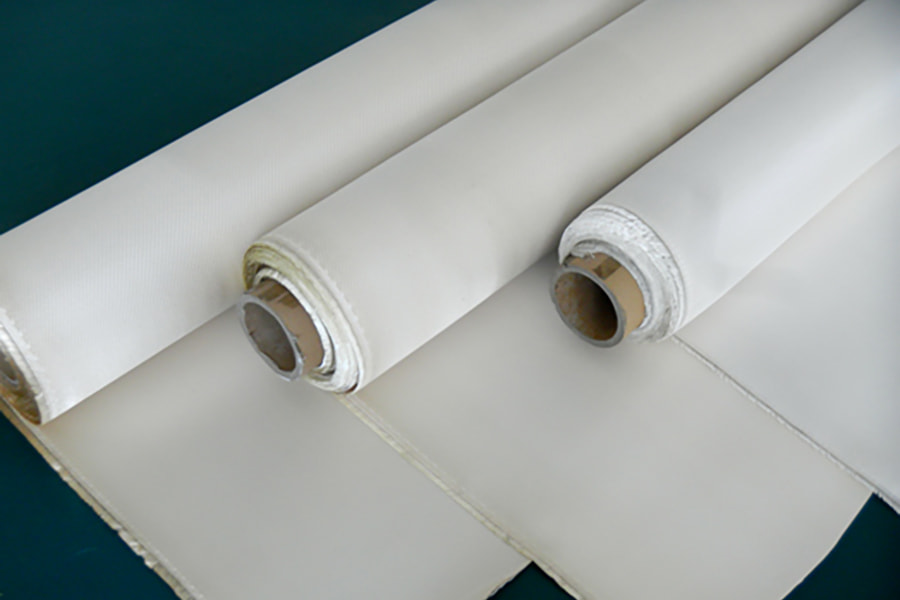
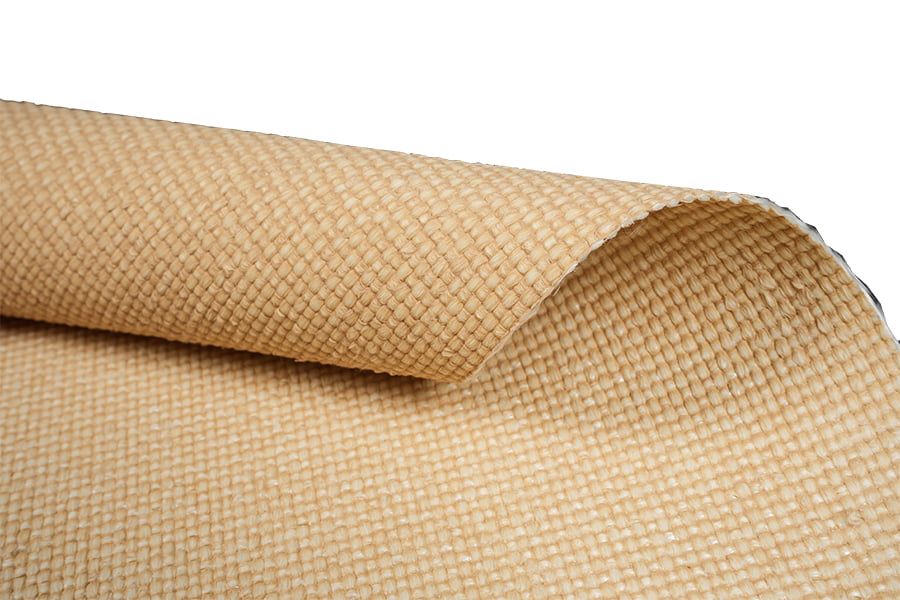
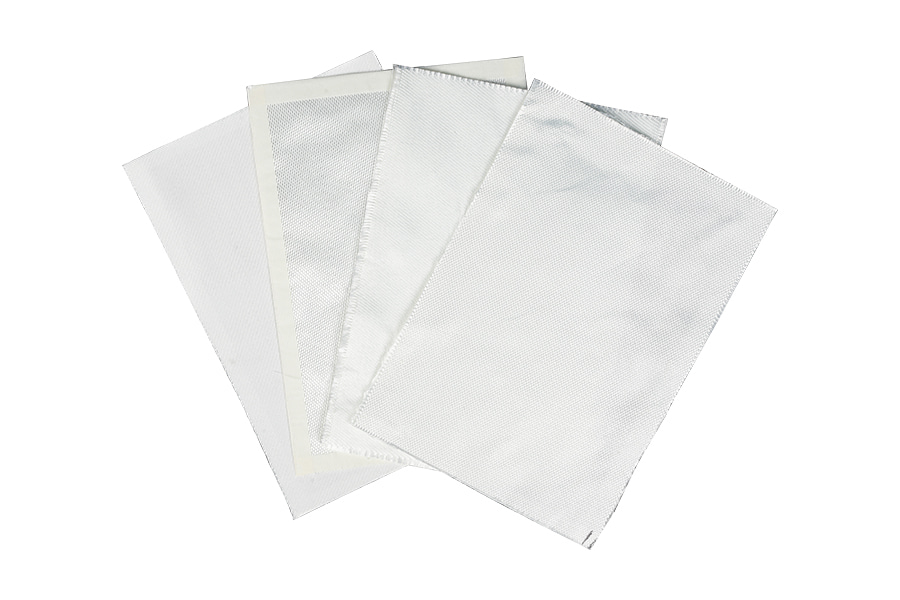
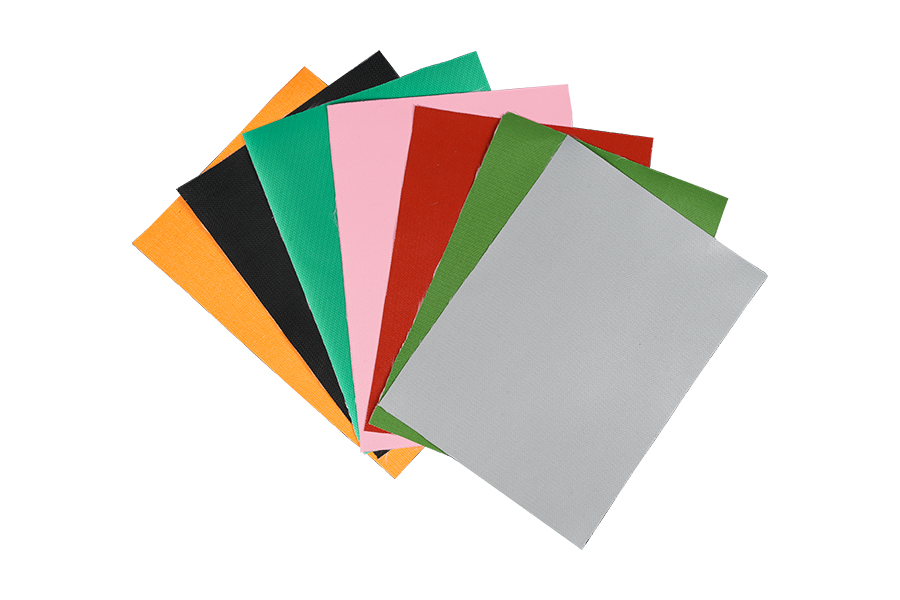
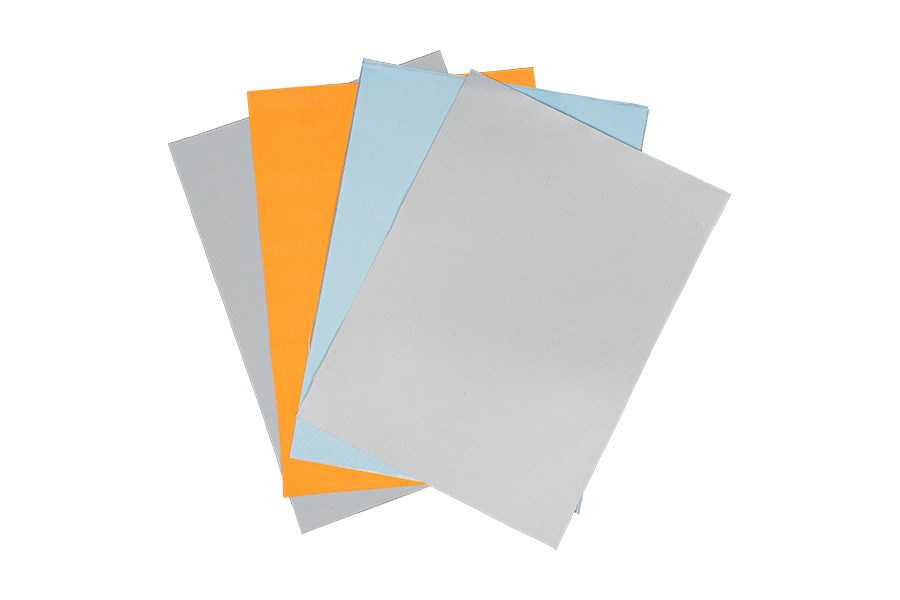
alkaline resistant fiberglass cloth roll
Engineered for Concrete & Masonry Reinforcement
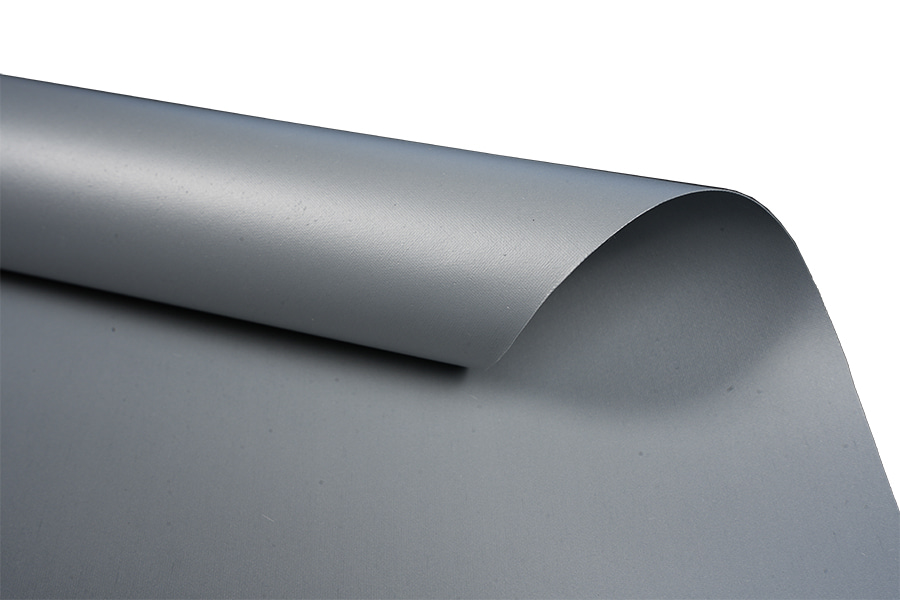
This specialized cloth is manufactured using zirconium dioxide (ZrO₂) modified E-glass filaments, providing enduring resistance to alkaline environments common in cementitious and mortar applications. With an areal weight of 250–600 g/m² and thicknesses ranging from 0.20 mm to 0.80 mm, the cloth delivers tensile strength of 320 MPa in both warp and weft directions after extended alkaline exposure. The proprietary sizing system ensures strong adhesion to cementitious matrices, making it suitable for external building reinforcement, tunnel linings, and waterproofing systems where traditional fiberglass would degrade.
Core Advantages
- Alkaline resilience: Zirconium-enhanced composition ensures retention of 90% of initial tensile strength after 1000 hours in saturated calcium hydroxide solution (pH 12.5).
- Concrete compatibility: Optimized sizing promotes excellent bonding with cement, mortar, and plaster, preventing delamination and structural weakening.
- High tensile retention: Maintains structural integrity under alkaline conditions with minimal strength degradation, ensuring long-term durability in building applications.
- Crack bridging ability: High modulus and flexibility enable the cloth to span micro-cracks in concrete, reducing propagation and extending service life.
- Thermal compatibility: Coefficient of thermal expansion aligns closely with concrete (8–10 × 10⁻⁶ /°C), reducing stress at the interface during temperature fluctuations.
Product Specifications
Application Fields
Handling & Installation Notes
Frequently Asked Questions
This cloth is manufactured using zirconium dioxide (ZrO₂) modified E-glass fibers. During the fiber drawing process, ZrO₂ is integrated into the glass structure, which forms a protective barrier preventing calcium hydroxide from penetrating and degrading the silica network. This chemical modification ensures that the cloth retains its mechanical properties even after prolonged contact with cementitious materials.
Yes. The cloth is designed for direct embedment in fresh concrete, mortar, or plaster. Its alkaline-resistant properties prevent degradation from the high pH environment. For best results, place the cloth in the upper third of the concrete cover or in the tensile zone to optimize reinforcement efficiency.
The cloth maintains its mechanical integrity through repeated freeze-thaw cycles. In testing, the fabric retained 95% of its tensile strength after 300 cycles between –20°C and +20°C. The low thermal expansion differential between the cloth and concrete reduces interfacial stress, preventing bond failure and maintaining reinforcement continuity.
Yes. The cloth is ideal for external thermal insulation composite systems (ETICS), facade reinforcement, and crack-bridging applications. It resists weathering, UV exposure, and alkaline leachate from cementitious renders, making it suitable for long-term exterior use in urban and marine environments.
For concrete repair applications, use cementitious grouts or epoxy-based adhesives. For general bonding, standard polymer-modified cementitious mortars (SBR, acrylic, or PVA modified) provide excellent adhesion. The cloth is also compatible with polyurethane and acrylic-based coatings used in waterproofing systems.