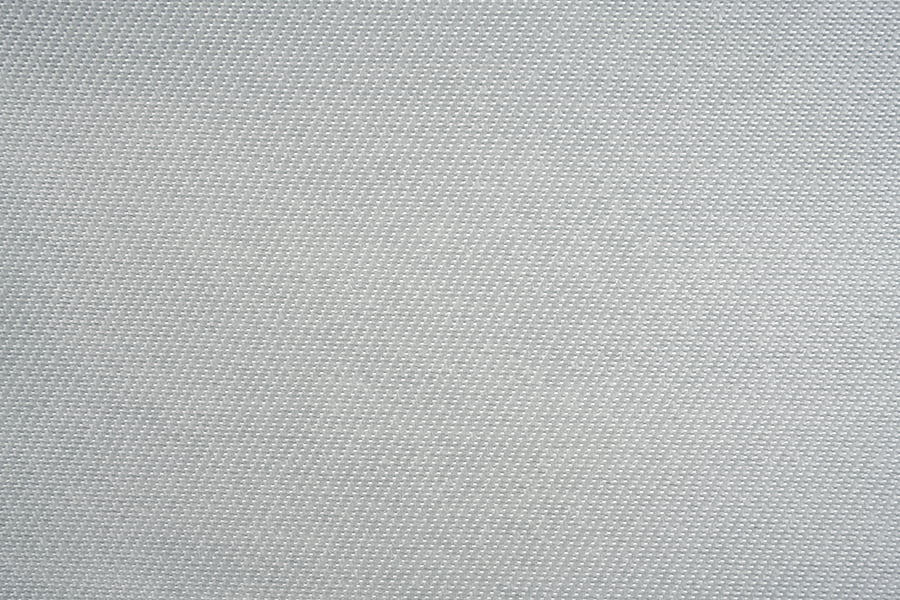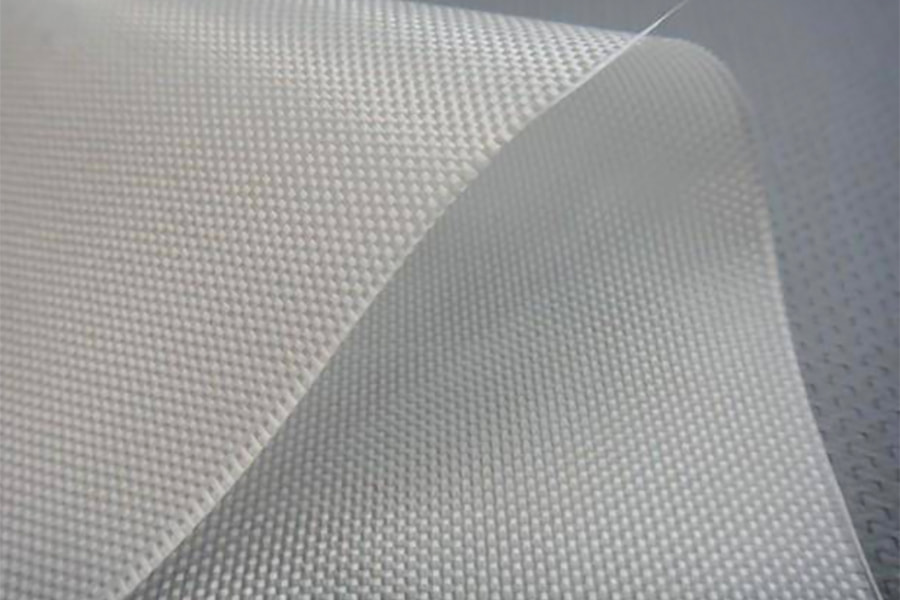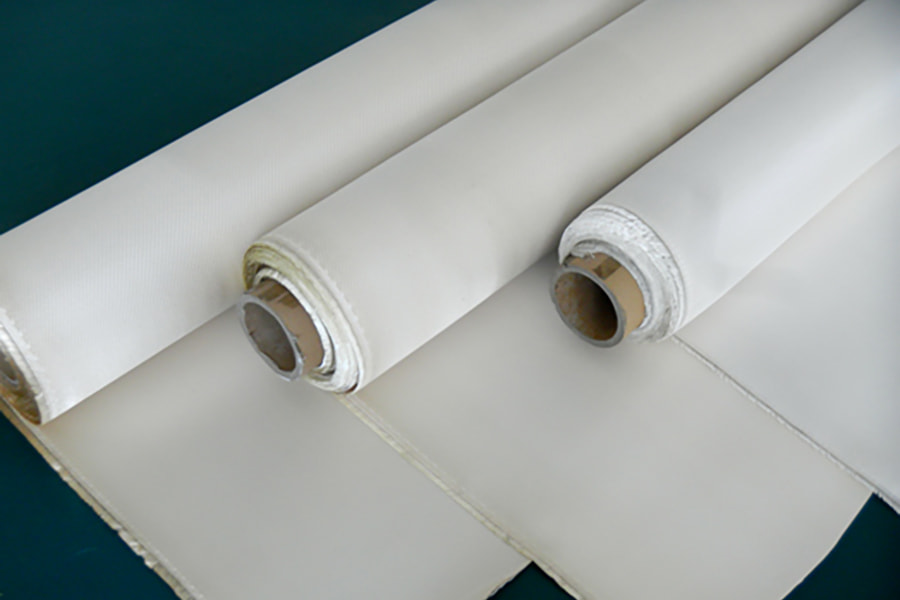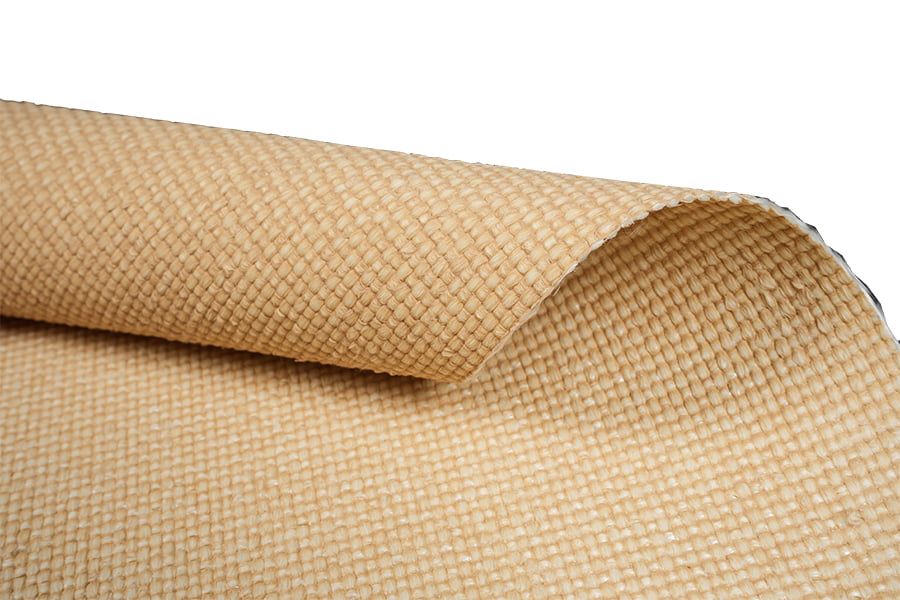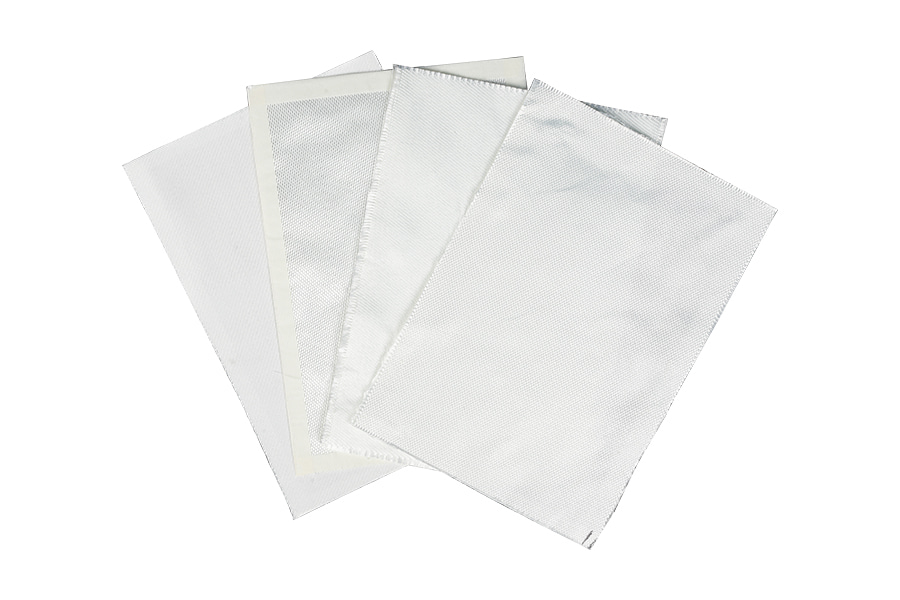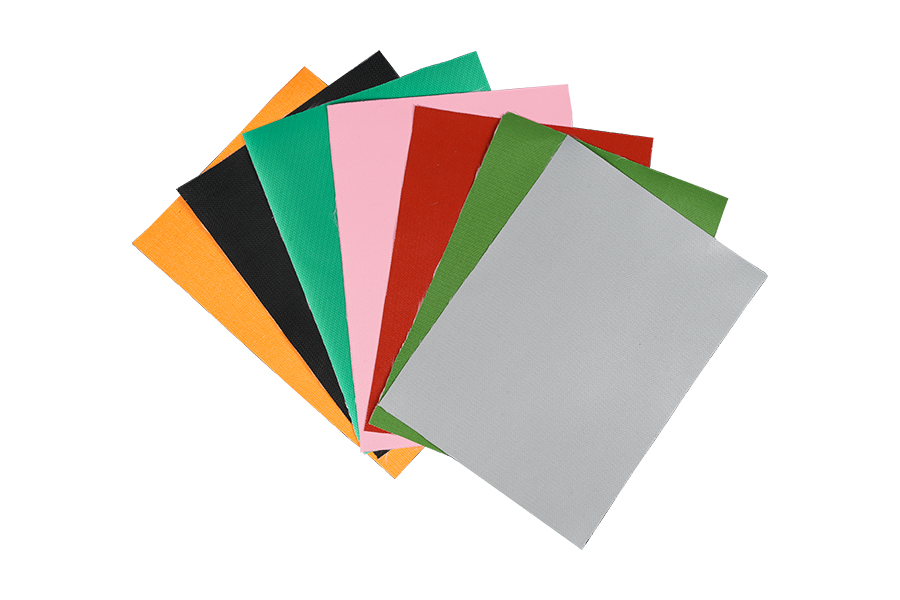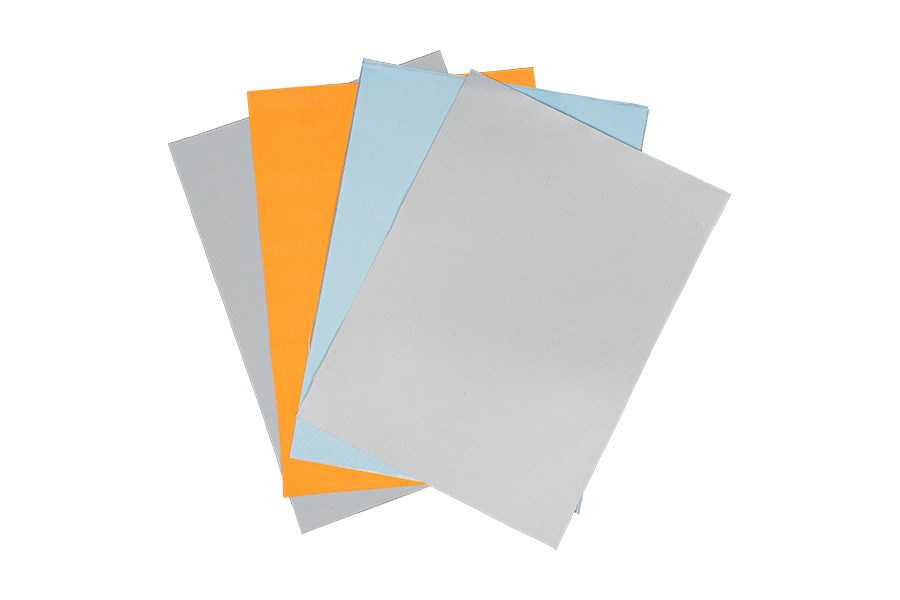
Heat Resistant Fiberglass Cloth Roll

Product Overview

Heat resistant fiberglass cloth roll is manufactured with high-purity E-glass or R-glass filaments using a proprietary heat-clean sizing process. This cloth maintains structural integrity at temperatures up to 650°C continuous, with short-term exposure tolerance up to 750°C. Available in thicknesses from 0.30 mm to 2.00 mm and weights ranging 200 g/m² to 900 g/m². The fabric exhibits low thermal conductivity (0.035–0.045 W/m·K) and retains 90% of room-temperature tensile strength after 1000 hours at 500°C. The cloth is treated with a heat-stable binder that minimizes smoke emission during high-temperature exposure.

650 °C Continuous
750 °C Peak
0.04 W/m·K Thermal

Core Advantages

Thermal stability Heat-clean treatment removes organic impurities, reducing weight loss to less than 0.5% at 600°C and preventing embrittlement during service.
Low thermal conductivity Dense fiber packing combined with low emissivity provides effective thermal barrier performance, reducing heat transfer through the laminate.
Chemical resistance Resists degradation from molten metal splashes, combustion gases, and thermal cycling in corrosive environments including sulfur-containing atmospheres.
Dimensional stability Thermal expansion coefficient of 4.8 × 10⁻⁶ /°C ensures dimensional integrity during repeated thermal shocks from ambient to 600°C.

Product Specifications

Fiber Composition E-glass / R-glass (heat-clean treated)
Weave Type Plain, Twill, or Leno
Thickness Range 0.30 – 2.00 mm (±0.04 mm)
Areal Weight 200 – 900 g/m²
Continuous Operating Temperature –60°C to +650°C
Peak Temperature (15 min) 750°C
Thermal Conductivity 0.035 – 0.045 W/m·K
Weight Loss at 600°C (24h) ≤ 0.5%
Roll Width 900 mm, 1100 mm, 1300 mm
Roll Length 25 m, 50 m, 100 m

Application Fields

Furnace insulation Industrial furnace curtains, kiln liners, and annealing covers.
Exhaust systems Automotive exhaust wraps, turbocharger heat shields, and manifold insulation.
Fire protection Fire curtains, welding blankets, and flame retardant barriers in buildings.
Molten metal handling Foundry splash guards, ladle covers, and die-casting thermal shields.
Pipeline insulation High-temperature steam pipe wrapping and cryogenic-to-hot transition insulation.
Aerospace thermal Engine nacelle firewalls, APU insulation blankets, and re-entry thermal protection.

Handling & Installation Notes

Pre-installation conditioning Condition rolls at 40–50°C for 48 hours to reduce moisture content below 0.3% before high-temperature service. This prevents steam-induced delamination during first heating.
Cutting and fitting Use water-jet or laser cutting for precise edges; abrasive cutting may generate heat-affected zones that reduce service life. Allow 15–20 mm overlap at seams for thermal expansion.
Fastening methods Use Inconel or stainless steel 316L staples for mechanical attachment. Avoid aluminum or zinc-coated fasteners which may melt or corrode at operating temperatures.
Thermal cycling protocol For initial service, apply gradual heating at 50°C/hour to 300°C, hold for 2 hours, then continue to operating temperature. This burns off residual organic binders safely.
Inspection and maintenance Visually inspect every 500 operating hours for surface degradation. Replace if discoloration exceeds 20% area or if fiber stiffness indicates silicate crystallization.

Frequently Asked Questions

Heat resistant fiberglass uses high-purity silica-based glass (typically SiO₂ > 55%) with specialized heat-clean processing that removes organic coatings. This provides up to 150°C higher service temperature than standard E-glass. The cloth also exhibits lower shrinkage (≤ 1.5%) at elevated temperatures and resists devitrification, which causes standard fiberglass to become brittle above 450°C.

Yes, for short-term splash protection up to 750°C. However, direct immersion in molten aluminum (660°C) may cause wetting and capillary penetration over time. For extended contact, use a ceramic coating or a zirconia fabric inner layer. The cloth is more suitable for protecting structural elements from radiant heat rather than submersion.

Heat resistant fiberglass cloth has thermal conductivity of 0.035–0.045 W/m·K, which is approximately 30% higher than ceramic fiber blankets (0.020–0.030 W/m·K). However, the cloth offers significantly higher tensile strength (≥ 300 MPa) and abrasion resistance, making it suitable for applications requiring both thermal protection and mechanical durability.

Edge sealing is recommended using a high-temperature silicone or ceramic adhesive applied 2–3 mm from the cut edge. Alternatively, thermal tape (3M 3380 or equivalent) can be applied to both sides. For critical applications, use a folded hem stitch with Inconel wire to create a mechanical seal that withstands vibration and thermal cycling.

The heat-clean treatment removes organic compounds, but the cloth can absorb oils if contaminated before use. At temperatures above 300°C, oil contamination will pyrolyze and potentially create carbon deposits that can reduce the cloth's thermal performance. For applications with oil exposure, use a fluoropolymer or graphite-based coating to provide a contamination barrier.

At 550°C continuous operation, the cloth has a projected service life of 5,000–8,000 hours before tensile strength degrades to 70% of initial value. Actual lifespan depends on thermal cycling frequency, mechanical vibration, and atmospheric conditions. Regular inspection every 1,000 hours is recommended. For critical safety applications, replacement at 5,000 hours is advised.

Jiaxing Jiete
Est. 2010 · Haining, Zhejiang · Fiberglass Fabric
Fiberglass Fabric Manufacturer
Clarity, strength,
and coating — woven in.

Since 2010 we've woven and coated fiberglass fabric to spec for customers who need both the physics and the finish to hold up.

opaquecoatedbase weavetranslucent
Light transmittance across our fabric & membrane range
About the mill
Zhijiang Industrial Park

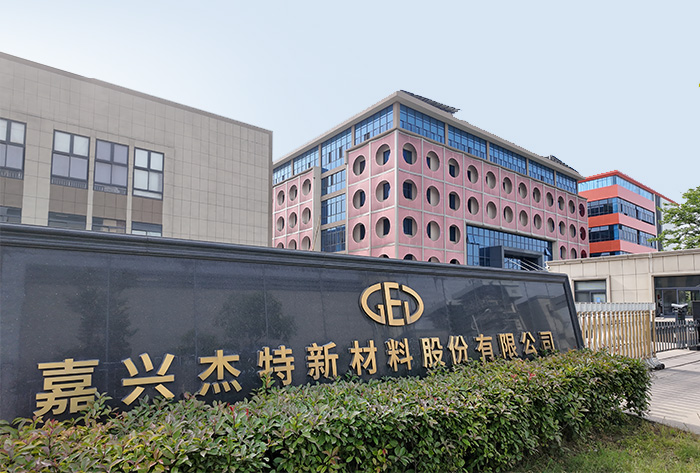
Jiaxing Jiete New Material Co., Ltd. is a professional manufacturer of fiberglass fabric, established in 2010 and based in Zhijiang Industrial Park, Haining City, Zhejiang Province — well connected for shipping worldwide.

We are China heat resistant fiberglass cloth roll Manufacturers and Custom heat resistant fiberglass cloth roll Suppliers. We weave fiberglass fabric and develop custom products to specification, running Karl Mayer warping-slashing lines, air-jet looms, Dornier rapier looms, and multiple coating lines under one roof.

Jiete fiberglass weaving and coating facility
Factory floor
150,000 m²
factory floor area
200+
people on staff
200
pieces of production equipment
Product portfolio
9 material lines
Standard and high-strength weaves, heat-resistant base fabric.
Type-E · base weave
Exceptional tensile strength and impact resistance.
Aramid · high tenacity
Fine, even mesh for agricultural and architectural screening.
Mesh · screening grade
Engineered for extreme or non-standard operating conditions.
Custom · engineered
High translucency, self-cleaning surface, long-span tensile use.
PTFE · tensile grade
Non-stick, chemical resistant across a wide thermal range.
-70°C to +260°C
Flexible, waterproof, with strong high-temperature insulation.
Silicone · flexible
Durable, flame-retardant, and weatherproof for outdoor use.
PVC · flame-retardant
PU, acrylic, and other custom coatings available on request.
PU / acrylic · custom
Built to your drawing, not our catalogue

Send us a requirement outside the standard range and our R&D team will design the weave, finish, and coating around it — from first sample through to production volume.

Since 2010, on a foundation of careful management and steady reinvestment, Jiete has built a position in the global fiberglass fabric trade and long-standing partnerships across it. We'd welcome the chance to host you at the mill.

Recommended LINKS