

 English
 中文简体
中文简体
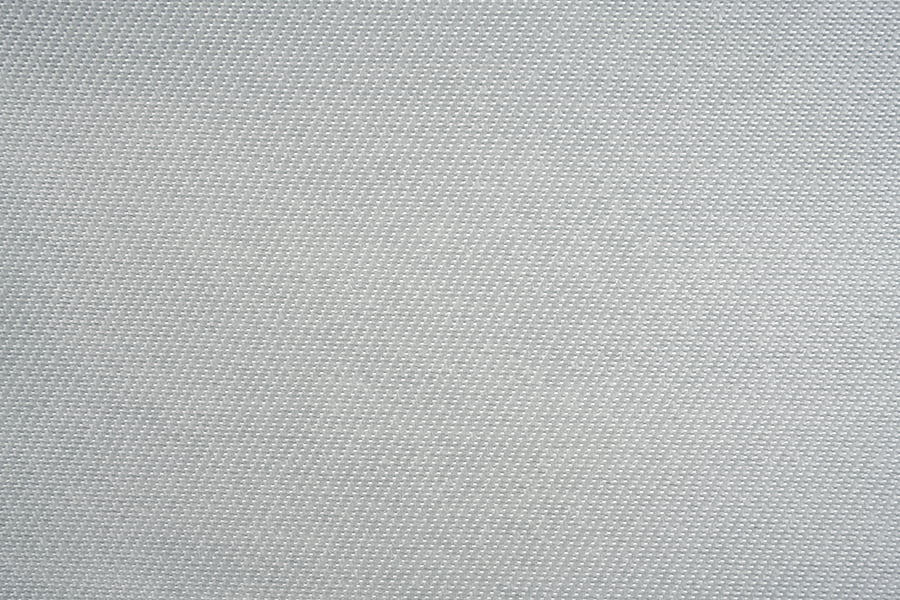

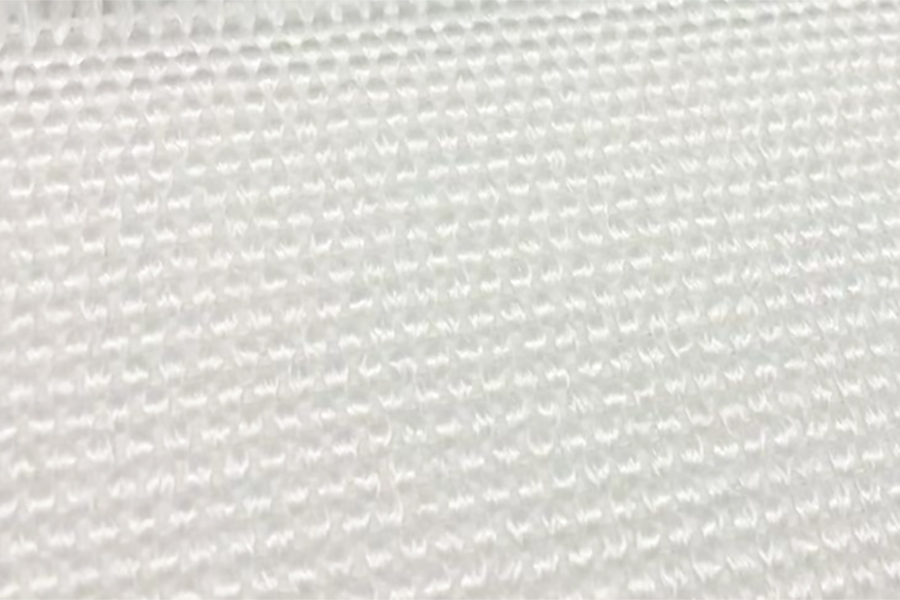
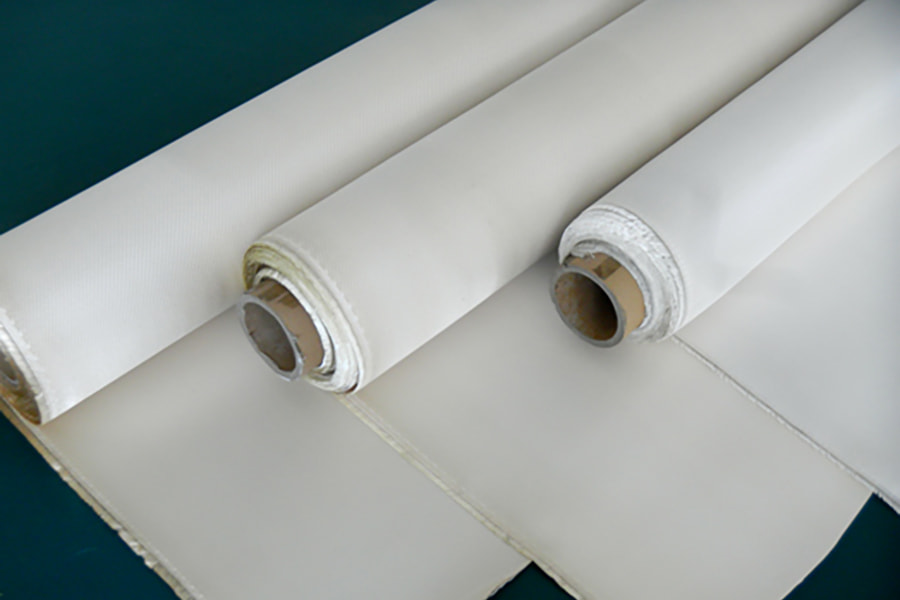
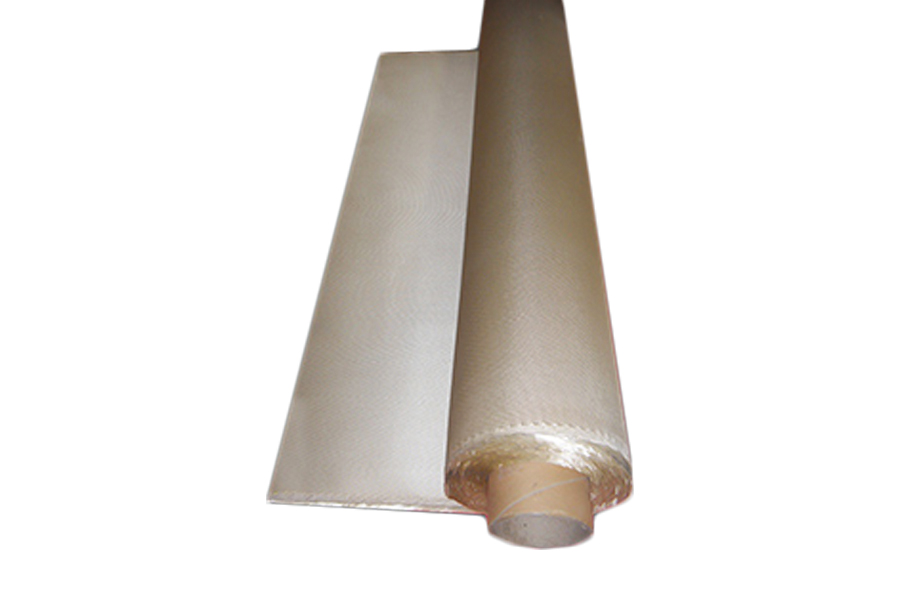
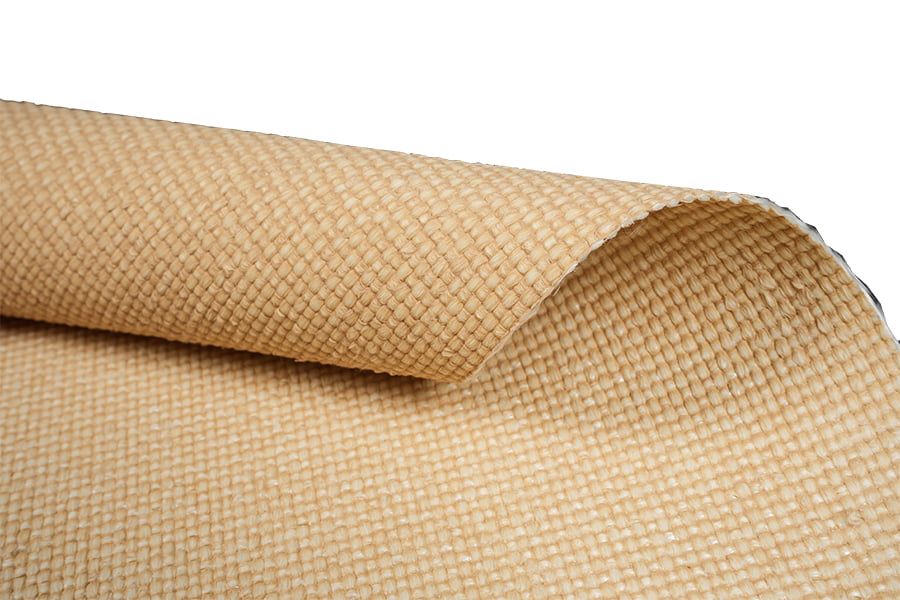
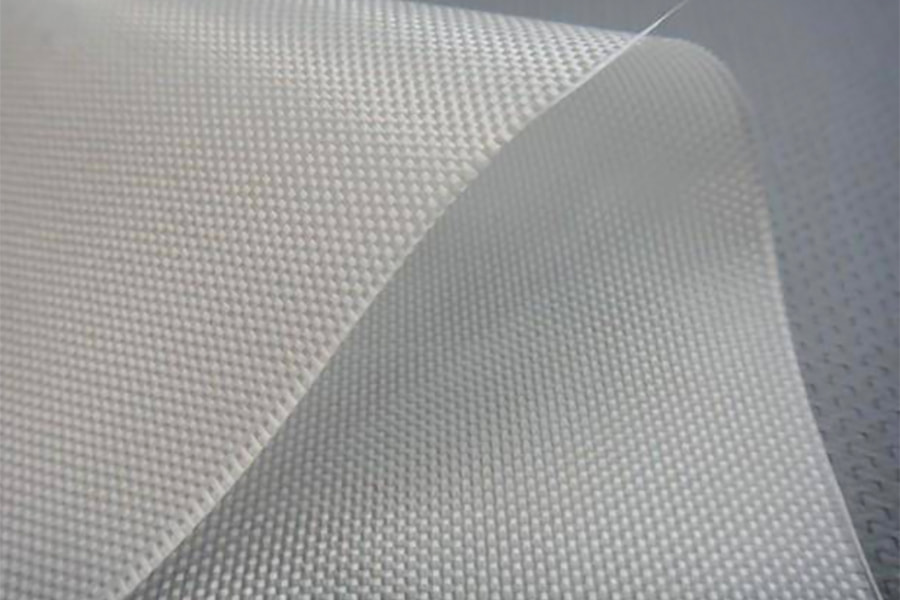
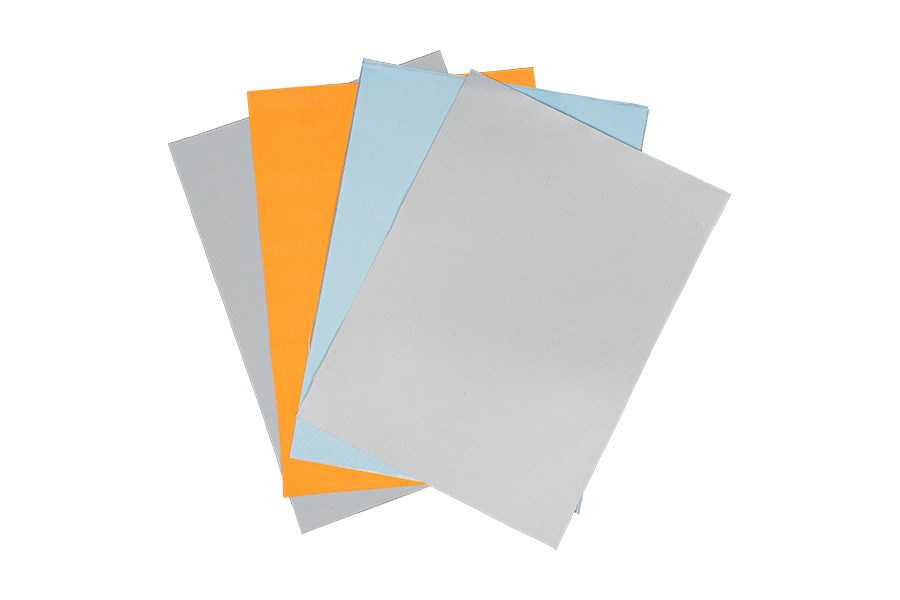
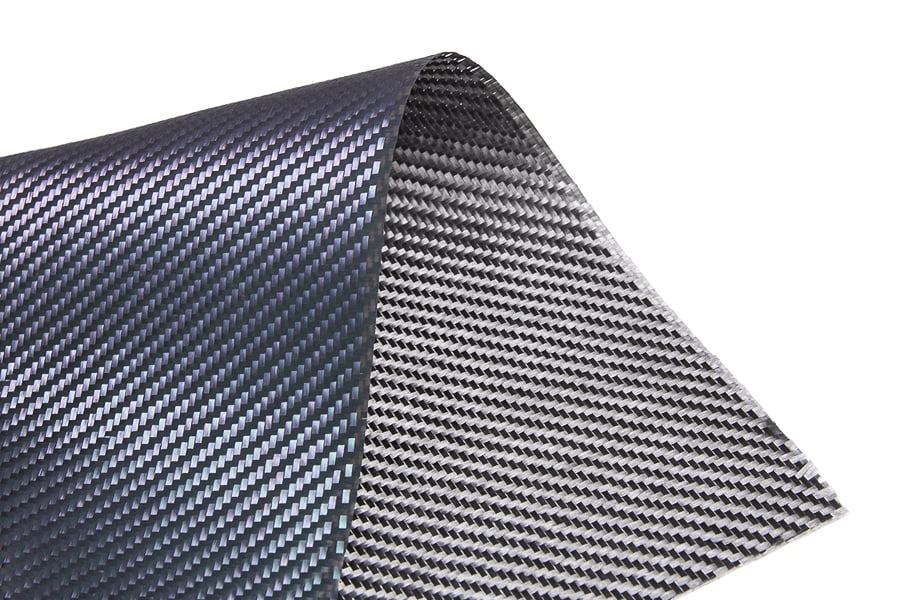
Plain Weave Fiberglass Cloth Roll
Product Overview
Plain weave fiberglass cloth roll is manufactured from continuous E-glass filaments, woven in a balanced over-under pattern. This construction delivers dimensional stability and uniform load distribution across both warp and weft directions. The cloth is available in a range of thicknesses (0.1 mm to 1.2 mm) and weights (80 g/m² to 600 g/m²). It exhibits a tensile strength of 200–350 MPa and operates continuously at temperatures up to 550°C. The roll format allows for efficient handling in industrial lamination, insulation wrapping, and composite lay-up processes.
Core Advantages
- Symmetrical weave geometry ensures equal strength in longitudinal and transverse axes, reducing material anisotropy in finished parts.
- Surface flatness facilitates resin impregnation and wet-out, minimizing void content in laminates.
- Chemical resistance against acids, alkalis, and organic solvents (except hydrofluoric acid and hot phosphoric acid).
- Dimensional stability under thermal cycling; coefficient of thermal expansion aligns with 5.0 × 10⁻⁶ /°C.
- Roll length continuity reduces seam-related defects in automated winding applications.
Product Specifications
| Weave Type | Plain (1×1) |
| Filament Diameter | 9–13 µm |
| Thickness Range | 0.10 – 1.20 mm (±0.02 mm) |
| Areal Weight | 80 – 600 g/m² |
| Tensile Strength (Warp) | ≥ 300 MPa |
| Tensile Strength (Weft) | ≥ 280 MPa |
| Continuous Use Temperature | –60°C to +550°C |
| Roll Width | 1000 mm, 1200 mm, or custom |
| Roll Length | 50 m, 100 m, 200 m |
Application Fields
- Electrical insulation: Wrapping for motor coils, transformer layers, and cable shielding.
- Thermal barriers: Fireproof curtains, welding blankets, and furnace gaskets.
- Composite reinforcement: Base fabric for epoxy, polyester, and phenolic laminates used in automotive and marine panels.
- Pipe wrapping: Corrosion-resistant outer layers for chemical pipelines.
- Tooling & molds: Lay-up material for vacuum-bag forming processes.
Handling & Installation Notes
- Store rolls in dry environments (relative humidity below 60%) to prevent moisture absorption, which may affect resin adhesion.
- Use sharp cutting tools (e.g., ceramic blades) to minimize fraying at cut edges.
- For lamination, apply release agents on molds when using polyester resins to avoid sticking.
- Wear protective gloves and dust masks during cutting and lay-up; glass fibers may cause mechanical irritation.
- Avoid creasing or sharp folding; plain weave structure can suffer filament breakage under tight radius bends.
Frequently Asked Questions
Plain weave has each warp fiber passing alternately over and under each weft fiber, producing a balanced, tightly interlocked structure. This results in higher stability and lower porosity compared to twill. Twill weave offers better drapeability and conformability to complex curves, whereas plain weave provides superior mechanical strength in flat or mildly curved laminates.
Yes. The cloth is compatible with vinyl ester, phenolic, epoxy, and polyester resin systems. For phenolic resins, which have higher viscosity, we recommend using a thinner cloth variant (≤ 0.2 mm) to facilitate complete wet-out. Always perform a small test batch to verify adhesion and cure characteristics.
Thickness selection depends on mechanical load, thermal insulation requirement, and number of plies. For electrical insulation, 0.1–0.3 mm is common. For structural laminates, 0.4–0.8 mm per ply is typical. Use the rule: total laminate thickness = (number of plies × cloth thickness) × 1.1 (resin allowance). Consult our technical datasheet for ply-to-thickness conversion.
Standard rolls are supplied with cut edges, which may fray slightly during handling. For automated processes, we offer edge-stiffened or taped options to prevent unraveling. Specify “selvaged edge” or “edge-locked” in your order for enhanced edge stability.