

 English
 中文简体
中文简体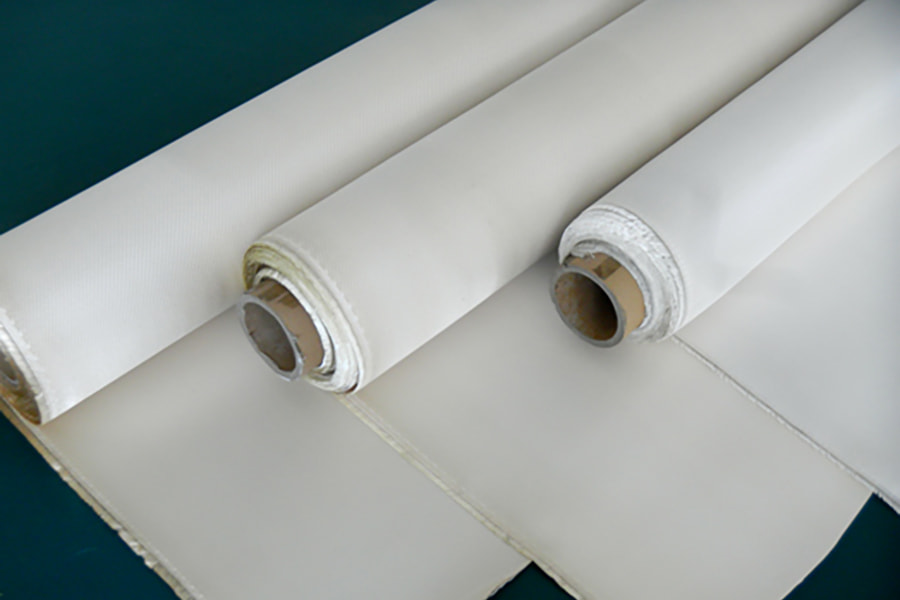
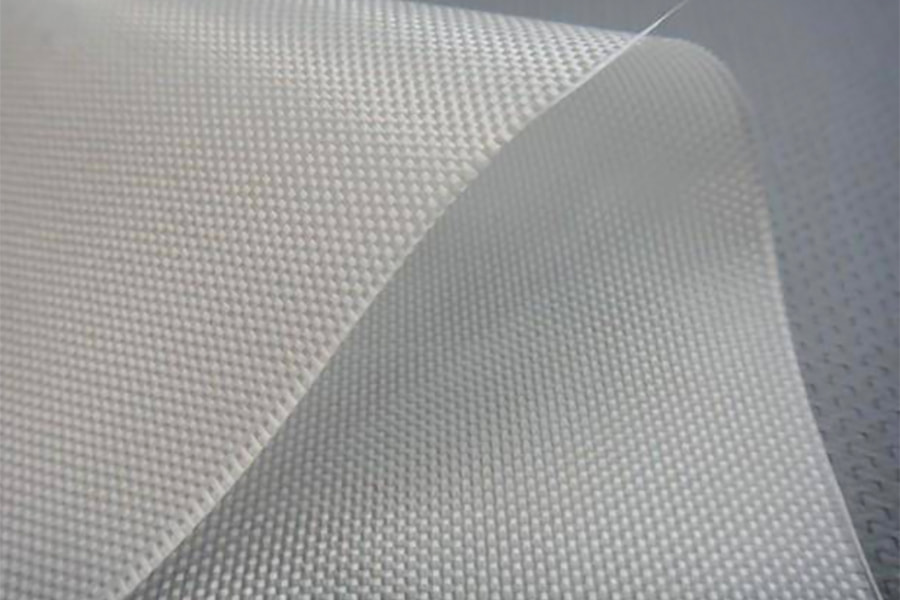
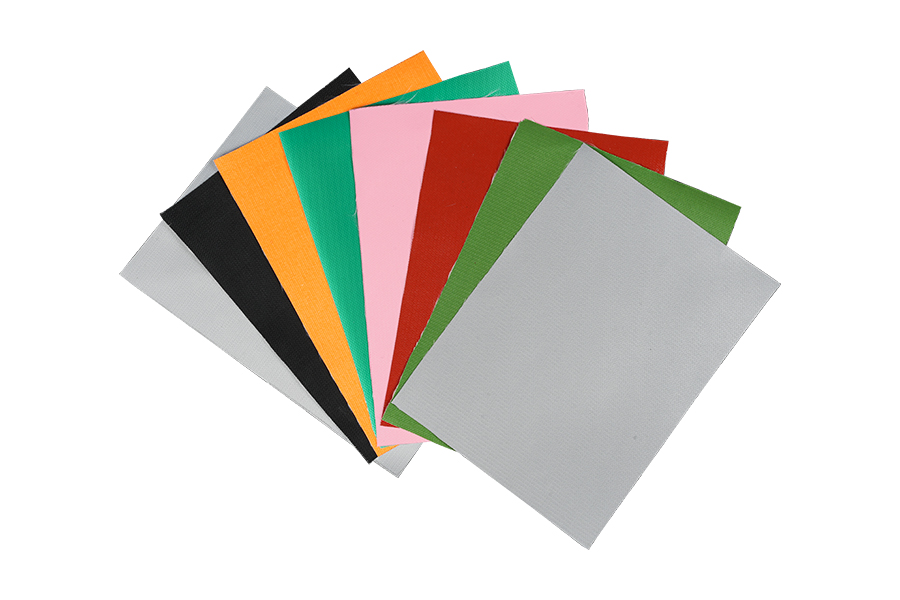
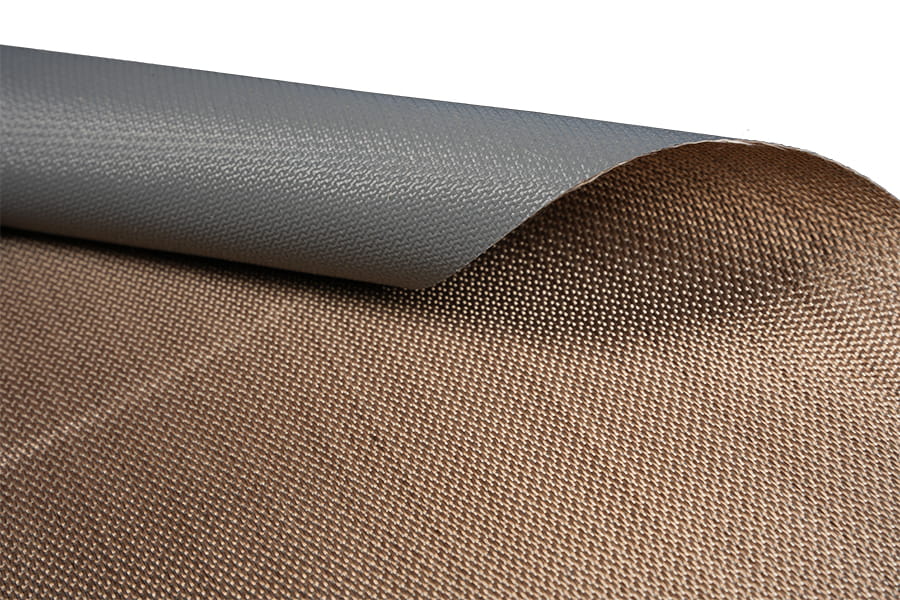
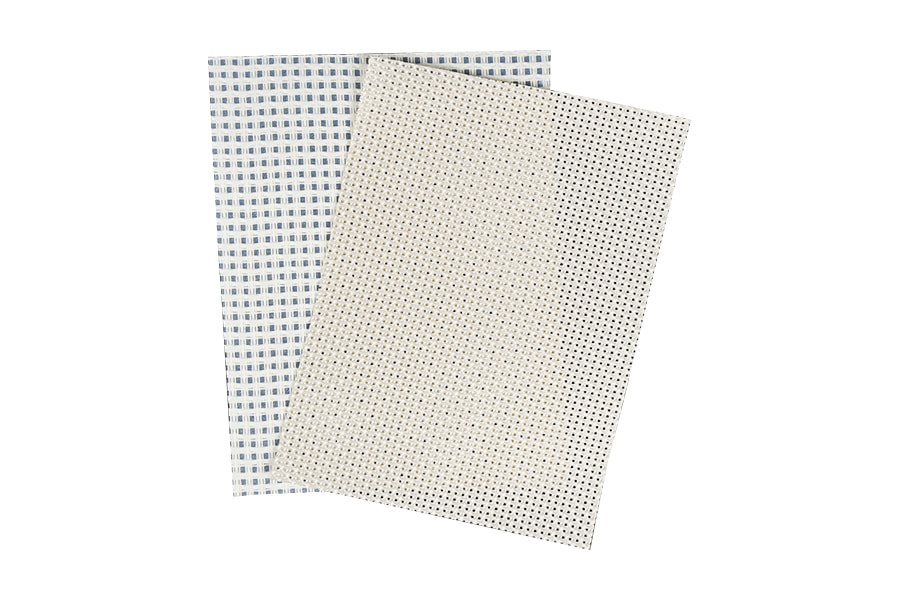
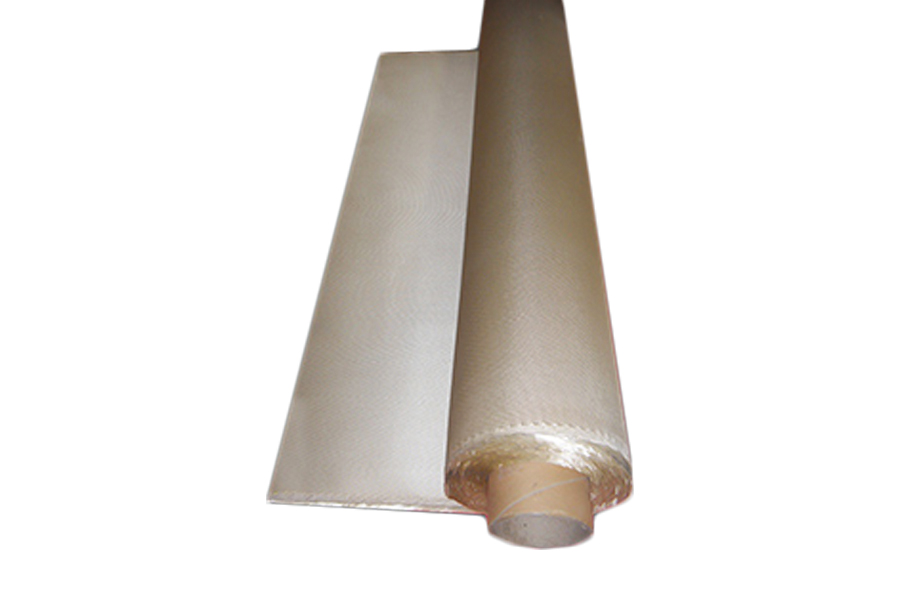
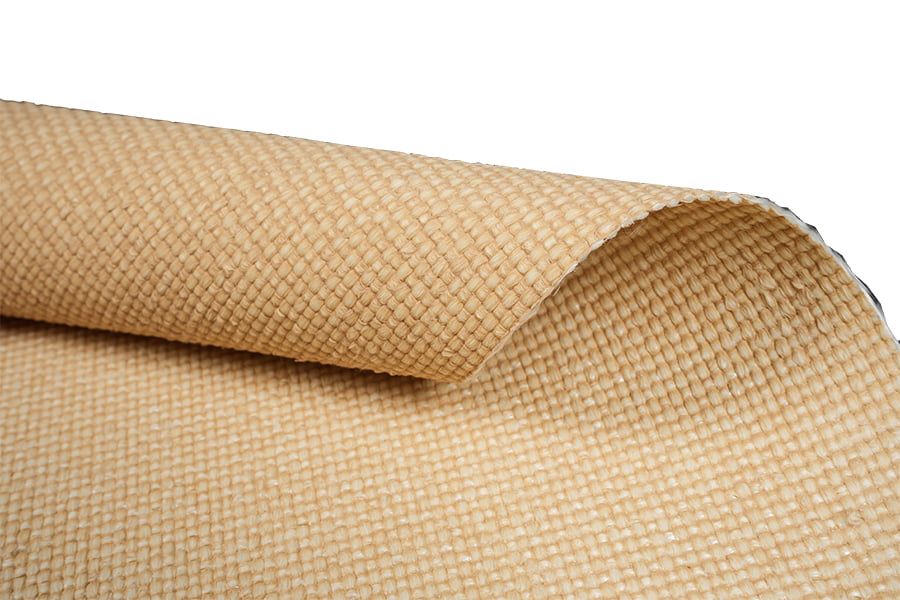
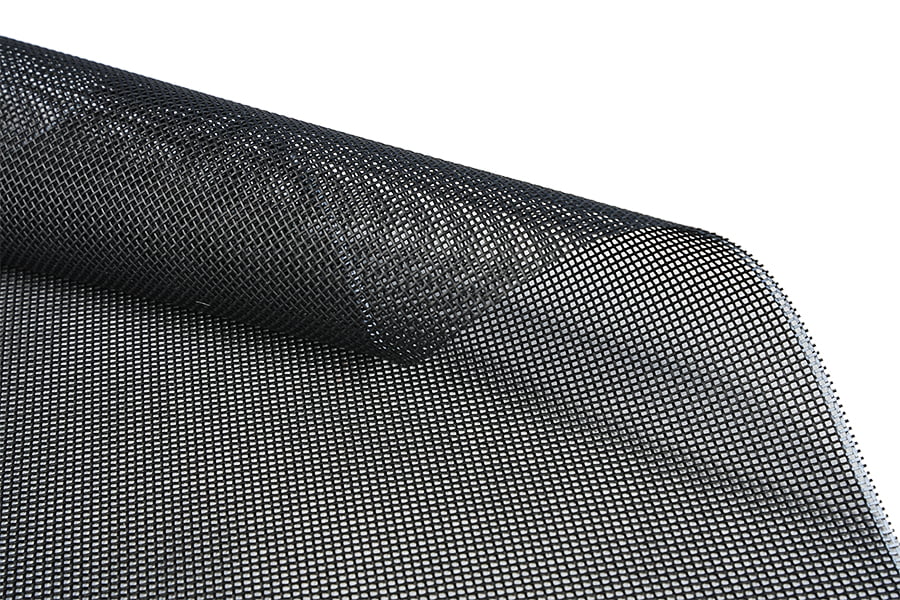
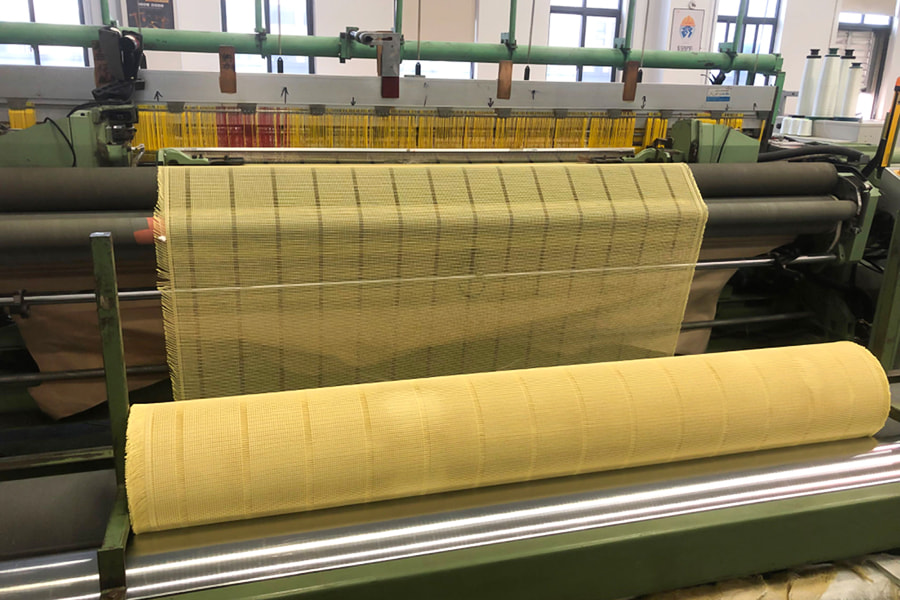
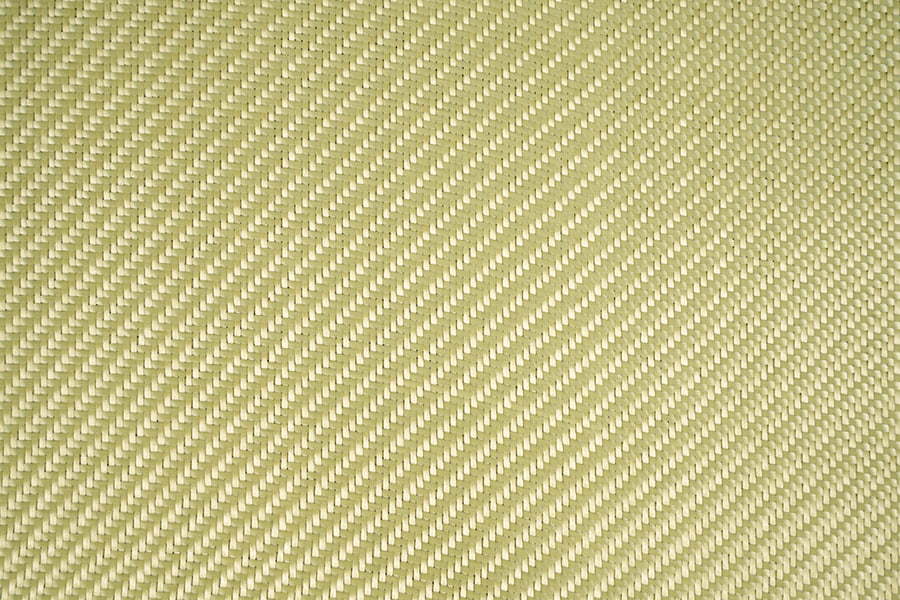
High Strength Fiberglass Cloth Roll
Product Overview
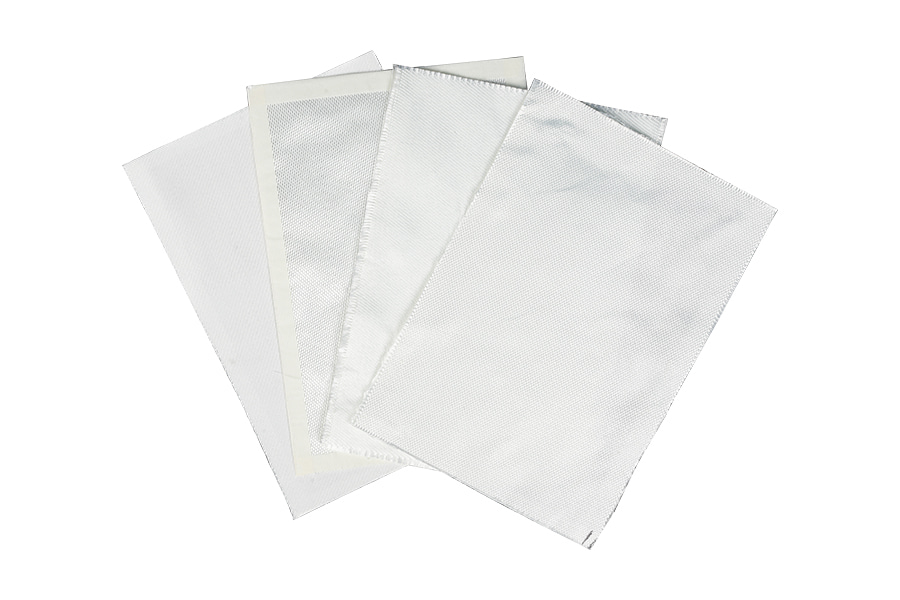
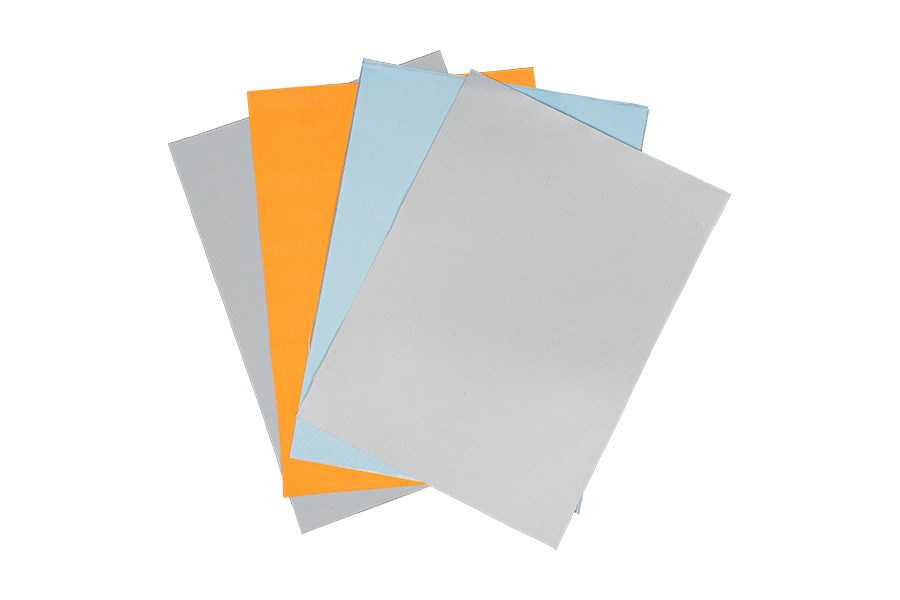
High strength fiberglass cloth roll is engineered from S-2 glass or high-tenacity E-glass filaments with advanced sizing chemistry. This cloth delivers tensile strength exceeding 450 MPa in warp direction and 420 MPa in weft direction, with elongation at break below 3.5%. Available in thicknesses from 0.20 mm to 1.50 mm and weights ranging 150 g/m² to 800 g/m². The fabric maintains structural integrity at temperatures up to 600°C and exhibits enhanced impact resistance compared to standard fiberglass cloths. The high fiber volume fraction (up to 58%) enables production of lightweight laminates with mechanical performance approaching carbon fiber composites in specific applications.
Core Advantages
Product Specifications
| Fiber Type | S-2 Glass / High-tenacity E-glass |
| Weave Type | Plain, Twill, or 8-Harness Satin |
| Thickness Range | 0.20 – 1.50 mm (±0.03 mm) |
| Areal Weight | 150 – 800 g/m² |
| Tensile Strength (Warp) | ≥ 450 MPa |
| Tensile Strength (Weft) | ≥ 420 MPa |
| Tensile Modulus | 85 – 92 GPa |
| Elongation at Break | ≤ 3.5% |
| Continuous Use Temperature | –60°C to +600°C |
| Roll Width | 800 mm, 1000 mm, 1200 mm |
| Roll Length | 30 m, 60 m, 120 m |
Application Fields
Handling & Installation Notes
Frequently Asked Questions
High strength fiberglass offers 35–45% higher tensile strength and 15–20% higher modulus than standard E-glass. The improved performance allows designers to reduce laminate thickness by up to 20% while maintaining the same load-bearing capacity. However, the material cost is approximately 2.5–3.5 times higher, making it cost-effective only where weight reduction or performance limits are critical design drivers.
Yes. The cloth is compatible with epoxy, BMI, and cyanate ester prepreg systems. For autoclave curing, use a ramp rate of 1–3°C/min to 180°C, hold for 2–4 hours under 0.6 MPa pressure. The high fiber density requires careful debulking every 3–4 plies to prevent porosity. Pre-dry the cloth at 110°C for 1 hour before prepreg impregnation to remove adsorbed moisture.
For pressure vessels, the cloth can be used in laminates rated up to 25 MPa continuous internal pressure, depending on wrap angle and number of layers. A typical 10-layer winding at 55° helix angle with 0.8 mm cloth thickness achieves burst pressure of 18–22 MPa. Always perform hydrostatic proof testing at 1.5× design pressure per ASME Section X standards.
The cloth maintains mechanical properties down to –196°C (liquid nitrogen temperature). At cryogenic conditions, the tensile strength increases by approximately 10% due to molecular alignment effects, while elongation decreases to 2.8%. This makes the material suitable for cryogenic storage tanks, superconducting magnet supports, and space propulsion structures.
Yes, the cloth is suitable for vacuum infusion and resin transfer molding. The recommended resin viscosity range is 150–300 cP at 25°C. For optimal flow, use a flow medium directly on the top surface. A vacuum level of 0.095 MPa or higher is recommended for complete impregnation. Typical infusion time for a 1 m² panel with 4 plies is 8–12 minutes.
For structural repairs, scarf repair with a 12:1 taper ratio is recommended. Use the same high strength cloth with compatible epoxy resin. Cure the repair at 80°C for 2 hours, followed by post-cure at 120°C for 3 hours. Always perform NDT inspection (ultrasonic or thermography) after repair to verify bond integrity. For non-critical cosmetic repairs, a simple patch with 50 mm overlap may suffice.