

 English
 中文简体
中文简体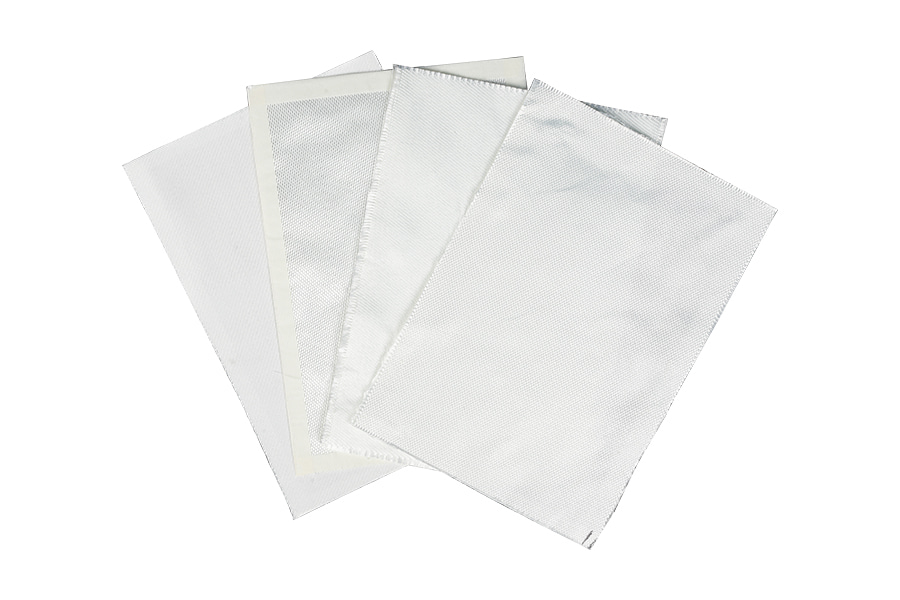

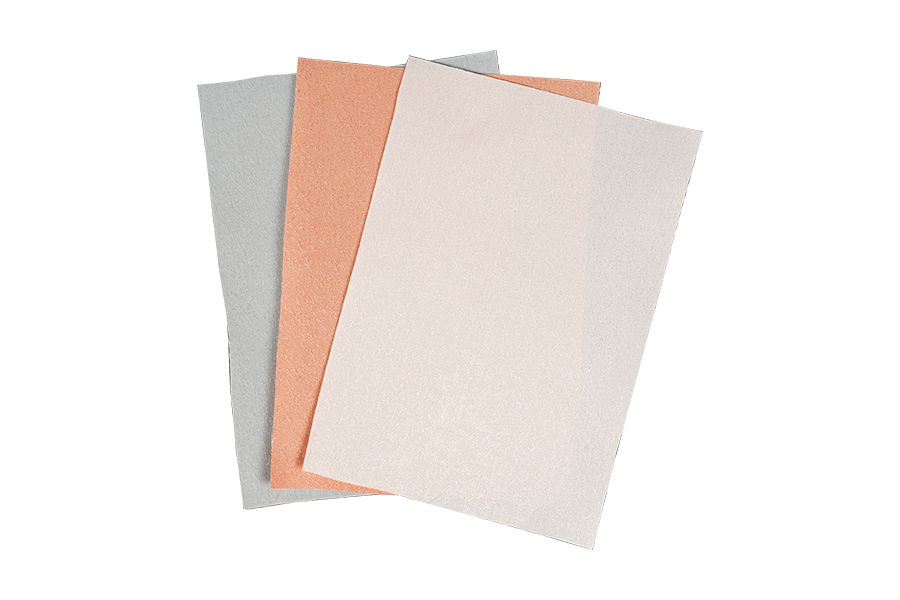
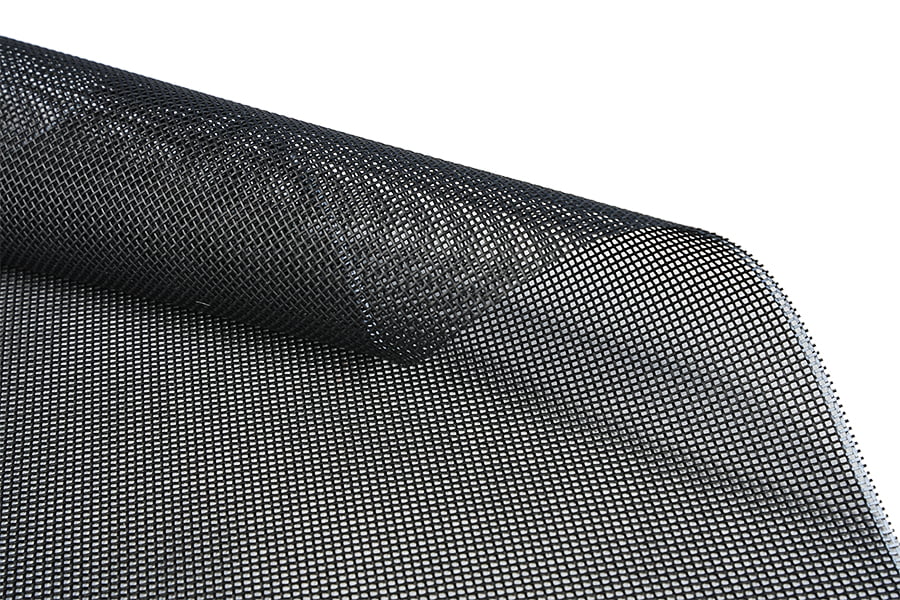
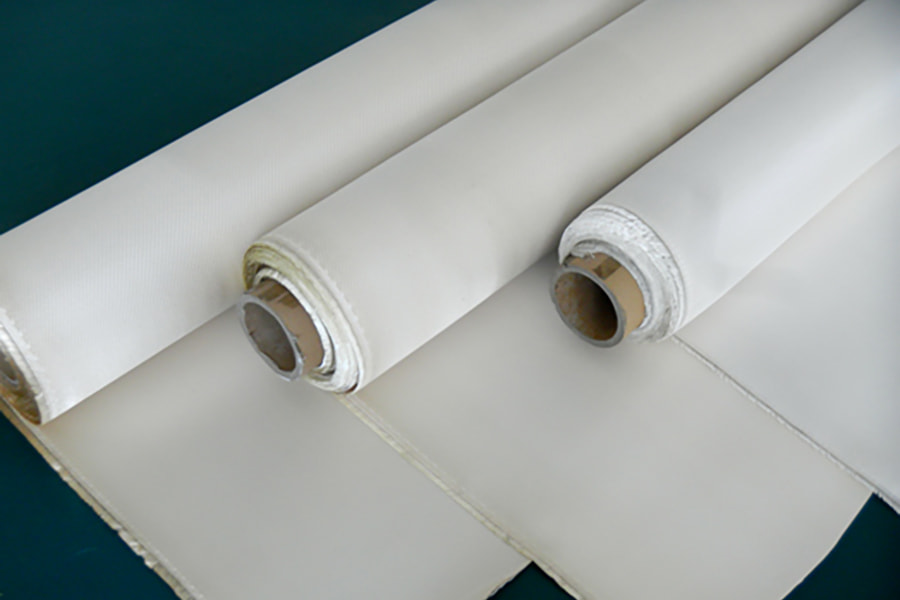
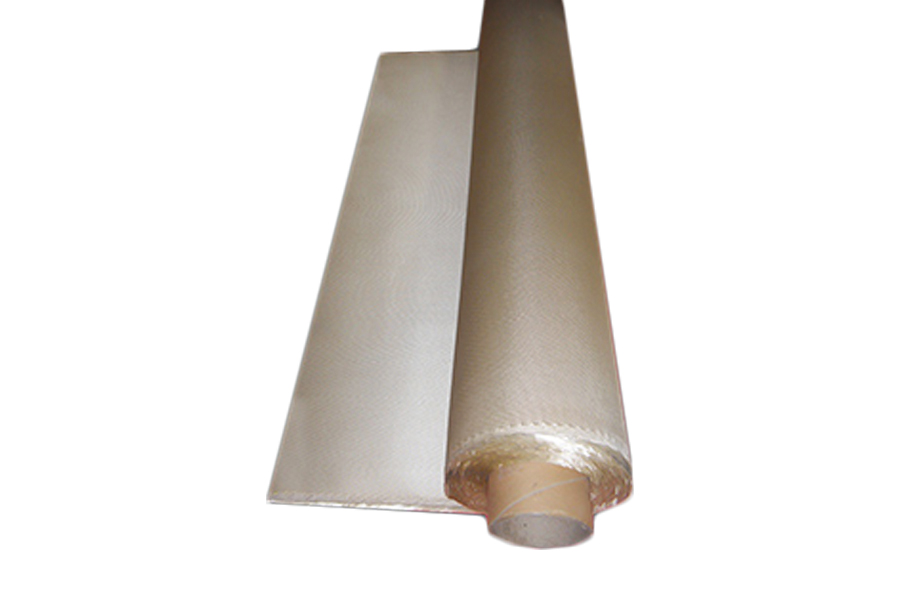
Twill Weave Fiberglass Cloth Roll
Product Overview
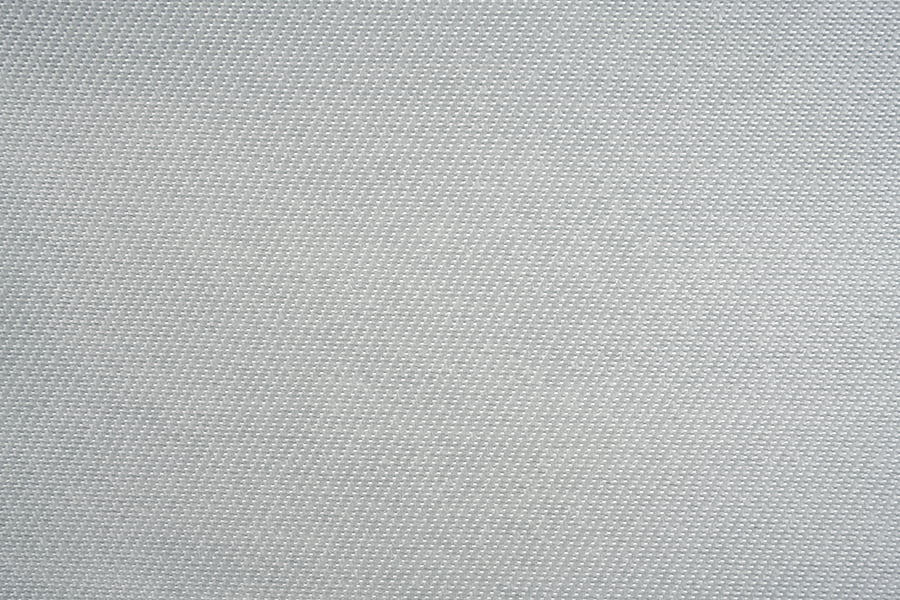
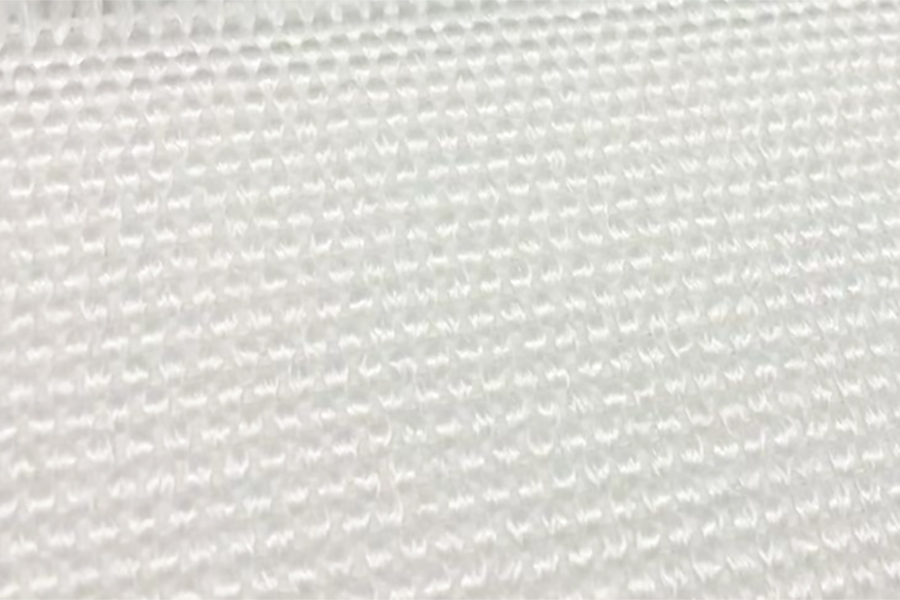
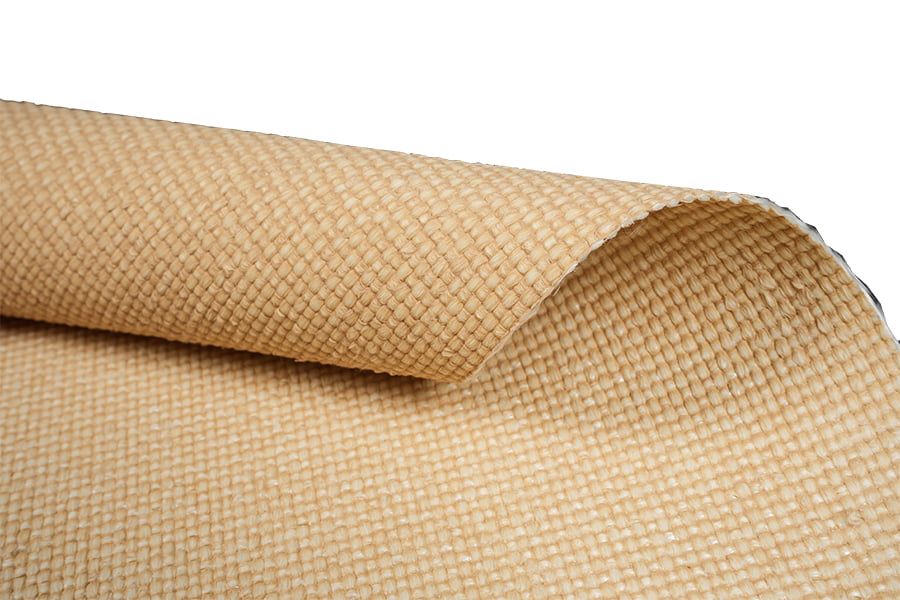
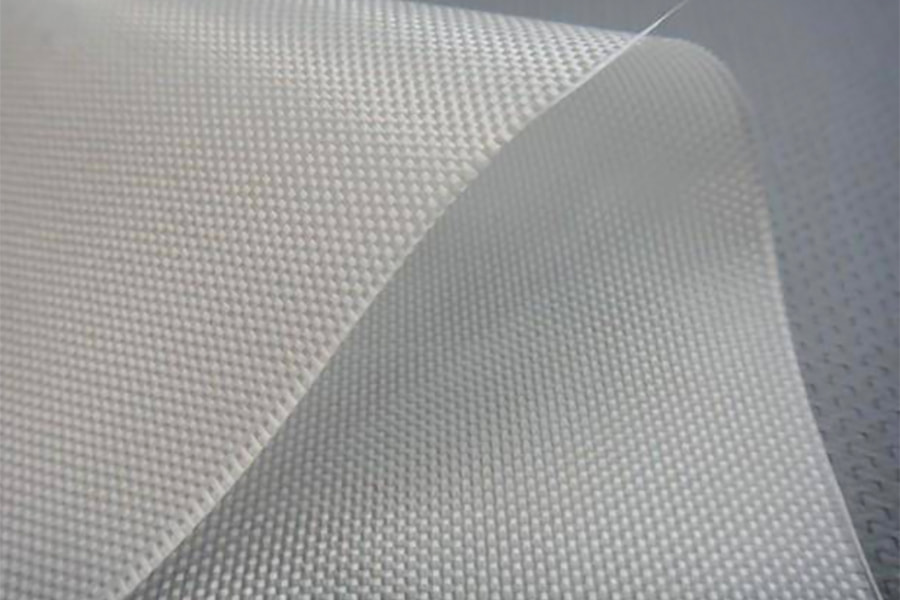
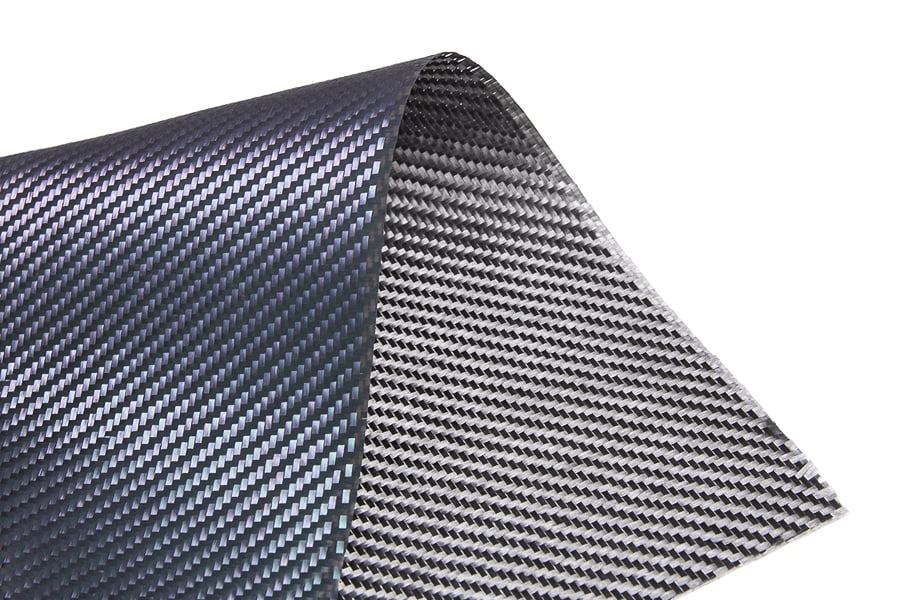
Twill weave fiberglass cloth roll features a diagonal pattern created by passing warp fibers over two or more weft fibers in a staggered sequence. This construction produces a fabric with enhanced drapeability and conformability to curved surfaces while maintaining tensile strength in the range of 220–370 MPa. Available in thicknesses from 0.15 mm to 1.00 mm and weights between 100 g/m² and 550 g/m², the cloth operates continuously at temperatures up to 550°C. The twill structure allows for better resin flow during lamination, reducing dry spots in complex mold geometries.
Core Advantages
- Diagonal weave pattern provides superior conformability to compound curves and sharp corners without wrinkling.
- Increased interstitial spaces facilitate rapid resin penetration and complete fiber wet-out in vacuum infusion processes.
- Balanced crimp angle reduces stress concentration points, improving fatigue resistance in dynamic loading applications.
- Smoother surface texture compared to plain weave, reducing secondary sanding operations in finished laminates.
- Continuous roll format with consistent weave alignment ensures repeatable lay-up quality across production runs.
Product Specifications
| Weave Type | Twill (2×2, 4×4) |
| Filament Diameter | 9–13 µm |
| Thickness Range | 0.15 – 1.00 mm (±0.02 mm) |
| Areal Weight | 100 – 550 g/m² |
| Tensile Strength (Warp) | ≥ 320 MPa |
| Tensile Strength (Weft) | ≥ 300 MPa |
| Continuous Use Temperature | –60°C to +550°C |
| Roll Width | 900 mm, 1100 mm, 1300 mm |
| Roll Length | 50 m, 100 m, 150 m |
Application Fields
- Aerospace components: Radomes, fairings, and interior panels requiring complex contour forming.
- Marine structures: Hull laminates, deck housings, and rudder skins where drapeability is critical.
- Automotive parts: Hoods, spoilers, and body panels produced via resin transfer molding.
- Sports equipment: Skis, snowboards, and bicycle frames using epoxy-based prepreg systems.
- Industrial ducting: Flexible air ducts and expansion joints requiring tear resistance and thermal stability.
Handling & Installation Notes
- Condition rolls at room temperature (20–25°C) for 24 hours before use to equalize moisture content and prevent resin blush.
- Use low-angle shear cutting techniques to maintain weave integrity; avoid pulling fibers during trimming.
- For vacuum bagging, apply breather cloth directly over twill surface to prevent print-through of the diagonal pattern.
- Store rolls horizontally on mandrels to prevent creasing; vertical storage may cause permanent fold marks.
- Overlap splices by minimum 50 mm in structural applications; stagger splices across layers to avoid stress risers.
Frequently Asked Questions
Twill weave exhibits lower crimp angle than plain weave, resulting in higher tensile modulus (up to 15% increase) and better fiber alignment. However, twill has slightly lower interlaminar shear strength due to reduced fiber interlacing. The diagonal structure provides better damage tolerance and impact resistance, making it suitable for curved structural panels.
Yes. Twill weave is widely used with epoxy, BMI, and phenolic prepregs. The open weave pattern allows uniform resin distribution during autoclave or oven curing. For prepreg applications, select cloth with areal weight matching the resin content (typically 35–45% resin by weight). Pre-drying at 120°C for 2 hours is recommended to remove moisture before prepreg lay-up.
For hand lay-up marine panels, 0.4–0.6 mm thickness per ply is standard. A typical laminate schedule uses 4–6 plies of 0.5 mm twill cloth with polyester resin, achieving a final thickness of 3–4 mm. For increased stiffness, incorporate a core material between layers. Always perform a wet-out test to verify resin viscosity compatibility with the twill structure.
Twill fiberglass cloth maintains structural integrity up to 550°C continuous exposure. For applications above 500°C, we recommend using high-temperature sizing agents that prevent fiber embrittlement. The cloth can be used in furnace insulation, exhaust wrapping, and fire barriers. However, prolonged exposure above 600°C may cause fiber crystallization and strength reduction.