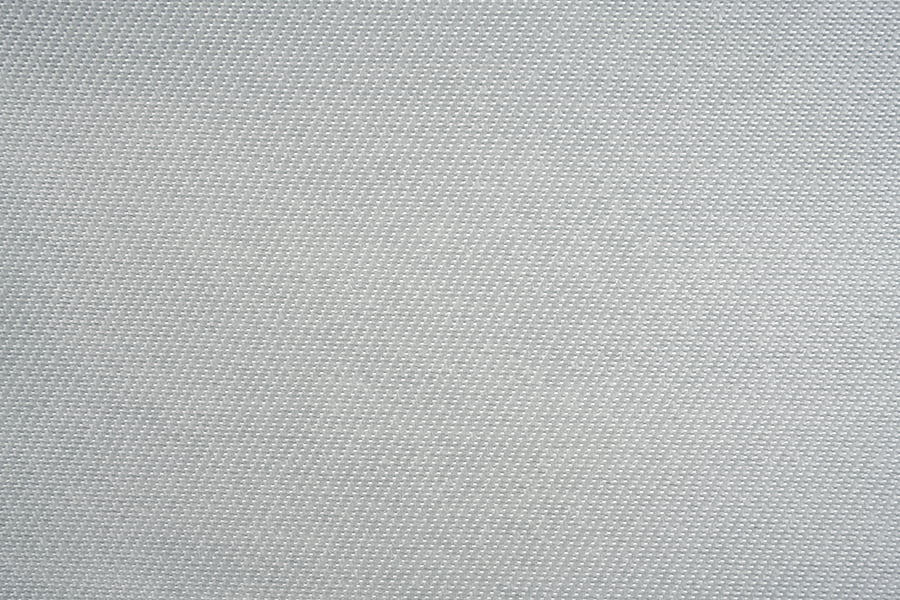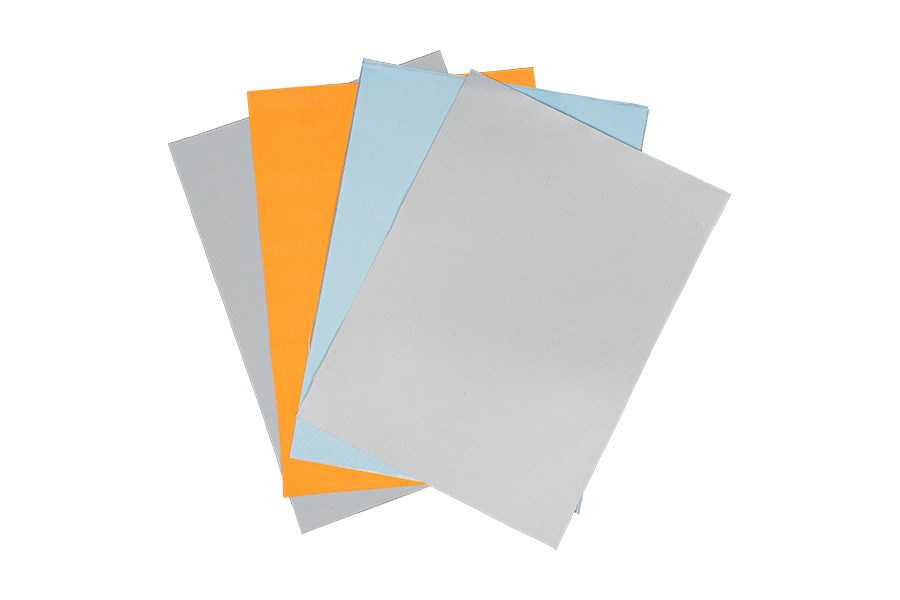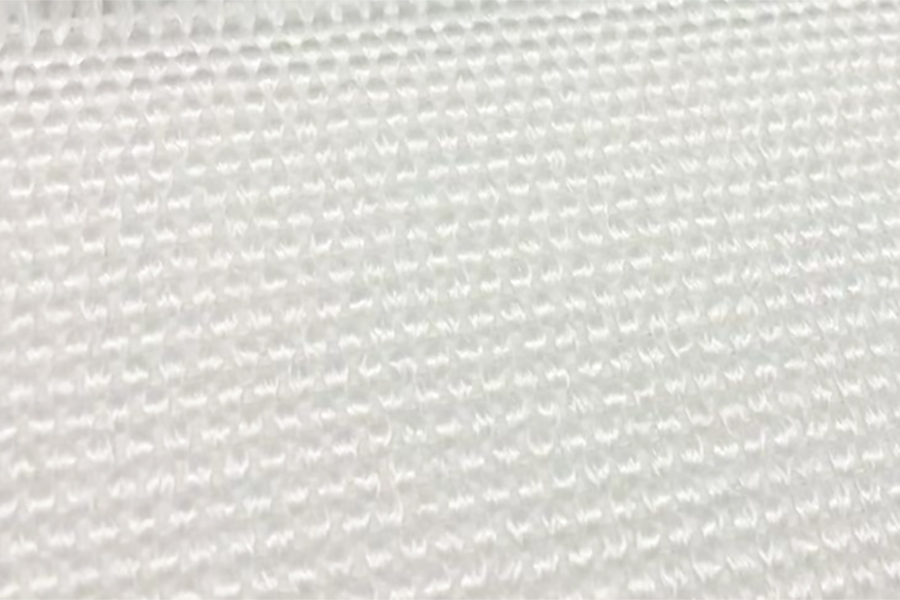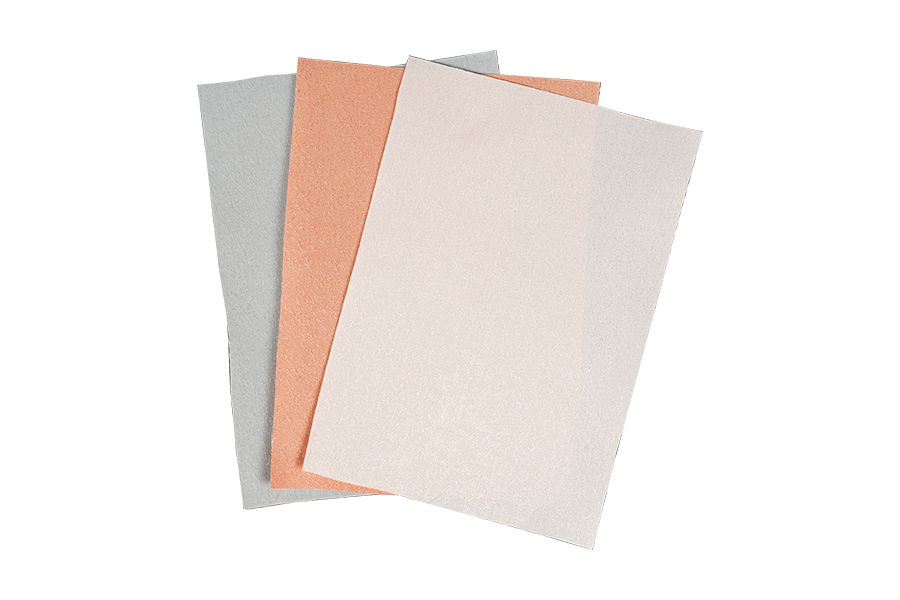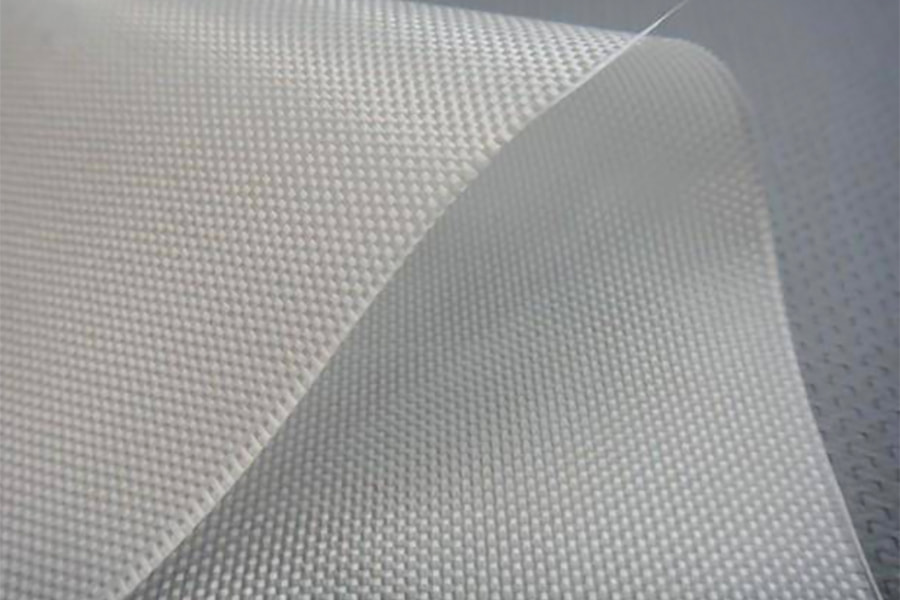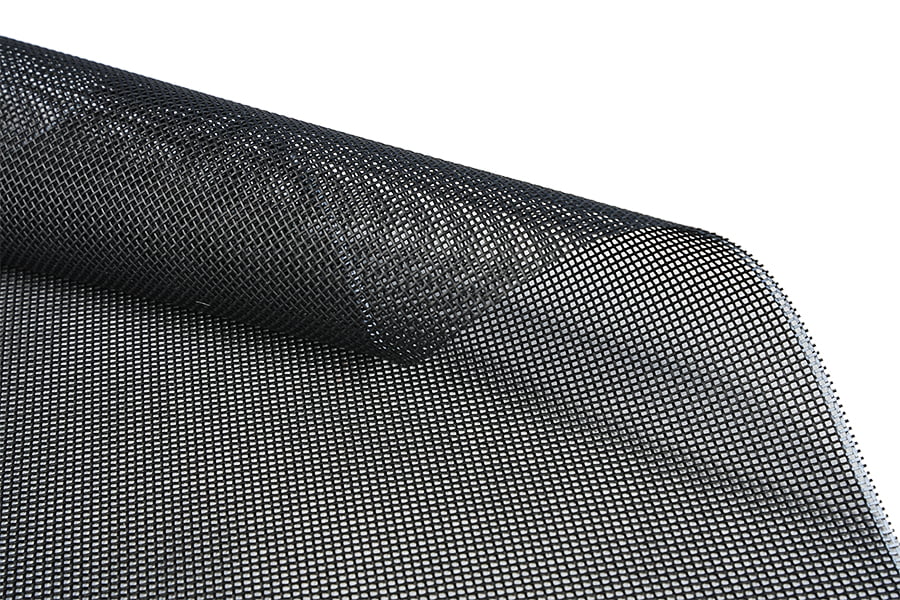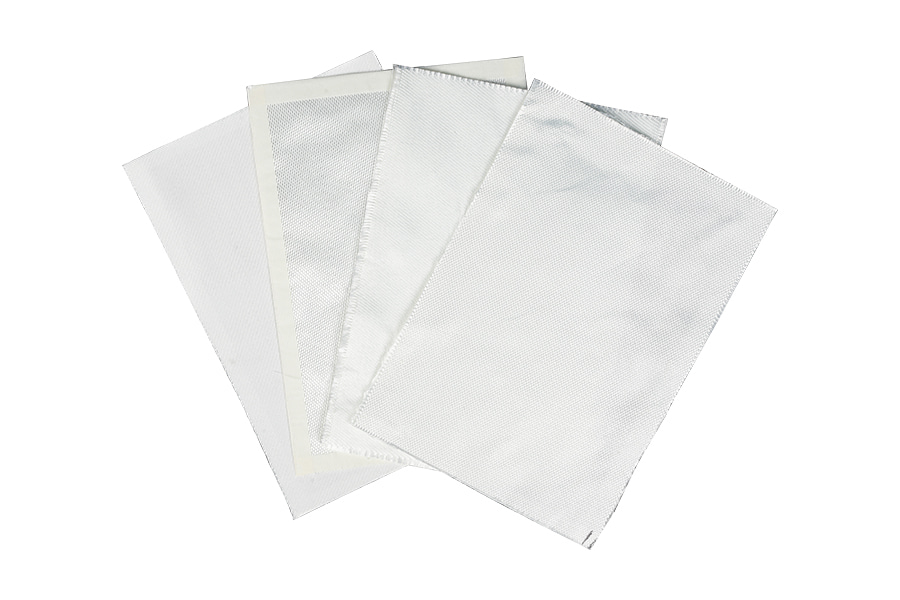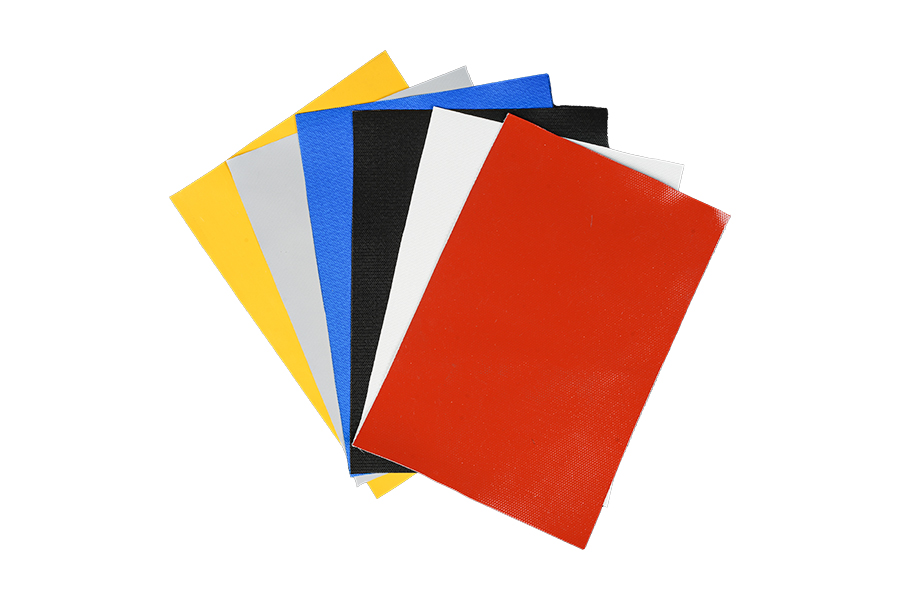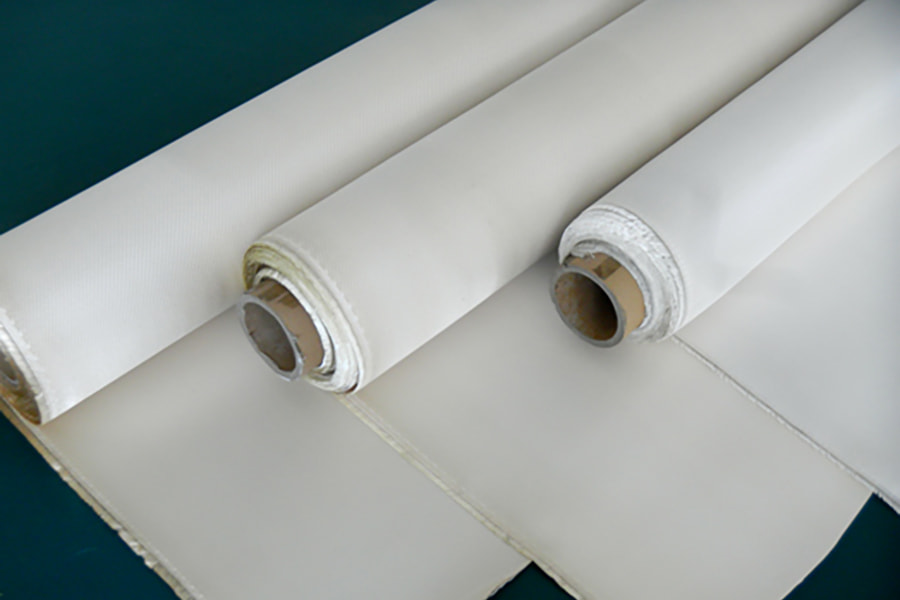
fiberglass cloth roll for composites

Laminate Engineering Fabric

This cloth roll is engineered specifically for composite manufacturing processes including hand lay-up, vacuum infusion, and prepreg applications. Manufactured from continuous E-glass filaments with a controlled weave architecture, it provides balanced mechanical properties with tensile strength exceeding 300 MPa and flexural modulus of 28 GPa. Available in areal weights from 160 g/m² to 600 g/m² and thicknesses spanning 0.15 mm to 0.65 mm, the cloth offers consistent resin uptake, excellent drapeability, and uniform fiber distribution. The fabric operates continuously from –60°C to +550°C and is compatible with epoxy, polyester, vinyl ester, and phenolic resin systems.

160-600g/m² Weight Range
300+MPa Tensile
28GPa Flexural Modulus

Composite Processing Advantages

  • Optimized wet-out: Balanced weave density ensures rapid resin penetration with minimal void formation, producing consistent laminates with 55–60% fiber volume fraction.
  • Superior drapeability: Low crimp angle allows conforming to complex mold geometries without wrinkling or bridging, reducing scrap and rework.
  • Uniform thickness: Precision weaving delivers ±0.02 mm thickness tolerance, enabling reproducible laminate stack-ups across production runs.
  • Resin compatibility: Sizing chemistry is formulated to bond with a wide range of thermoset and thermoplastic resin systems.
  • Process versatility: Adaptable for hand lay-up, spray-up, vacuum bagging, resin transfer molding, and autoclave curing without process modifications.

Key Specifications

Fiber TypeE-glass (continuous filament)
Weave TypePlain / Twill / Satin
Areal Weight160 – 600 g/m²
Thickness0.15 – 0.65 mm
Tensile Strength≥ 300 MPa
Flexural Modulus28 GPa
Service Temperature–60°C to +550°C
Roll Widths800 / 1000 / 1200 mm
Roll Lengths30 / 60 / 120 m

Composite Application Areas

AerospaceInterior panels, radomes, fairings, and secondary structures.
MarineHull laminates, decks, and repair overlays for boat construction.
AutomotiveBody panels, hoods, spoilers, and lightweight structural components.
Wind energyBlade shell laminates, root reinforcement, and shear webs.
Sporting goodsSkis, snowboards, bicycle frames, and tennis racket lay-ups.
IndustrialPiping systems, pressure vessels, and chemical tank linings.

Composite Fabrication Guidelines

1
Laminate designCalculate ply count based on required thickness (0.15–0.65 mm per ply). Use the rule: laminate thickness = (ply count × cloth thickness) × 1.1 (resin factor).
2
Resin selectionFor hand lay-up, use medium-viscosity resins (400–800 cP). For infusion, use low-viscosity (100–300 cP) resins with gel time > 45 minutes.
3
Ply orientationFor quasi-isotropic properties, orient plies at 0°/90° and ±45°. For unidirectional strength, align layers parallel to the primary load axis.
4
ConsolidationUse a consolidation roller with 0.5–1.0 MPa pressure to ensure complete resin flow and air removal between plies.
5
Cure profileFollow resin manufacturer's recommendations. For epoxy systems, typical cure is 80°C for 4 hours, followed by post-cure at 150°C for 2 hours.
6
Quality controlInspect each ply for weave alignment and defects. Verify resin content and fiber volume fraction using destructive testing of sample coupons.

Frequently Asked Questions

This cloth is compatible with all major resin systems including epoxy, polyester, vinyl ester, phenolic, and polyurethane. The sizing chemistry is optimized to provide strong interfacial bonding with epoxies (amine- and anhydride-cured), unsaturated polyesters, and vinyl esters. For best results, always match the resin system with the cloth's recommended sizing and consult the manufacturer's compatibility chart.

Ply count depends on the required laminate thickness, mechanical loads, and design factors. As a guideline, each 300 g/m² ply provides approximately 0.25–0.30 mm of cured laminate thickness (with 45% resin content). Use the formula: required plies = (design thickness × 1000) / (cloth thickness × (1 + resin weight fraction)). Always perform structural calculations based on the specific application loads.

Yes. The cloth is suitable for prepreg production with epoxy, BMI, and phenolic resins. For prepreg applications, we recommend using a resin content of 35–40% by weight and impregnation temperatures of 80–100°C. The cloth provides good tack and drape properties in prepreg form, making it suitable for both hand lay-up and automated tape laying processes.

For production quantities, use automated cutting systems (CNC cutters, water jets, or laser cutters) for precision and reduced fraying. For small-scale work, use sharp rotary shears or electric shears. Always seal cut edges with heat or edge tape to prevent unraveling during handling and resin application.

High humidity (>75% RH) can cause moisture absorption, which may interfere with resin curing and reduce interfacial bonding. Store the cloth in a controlled environment (40–60% RH) and condition rolls at room temperature for 24 hours before use. If the cloth becomes damp, dry it at 40°C for 2 hours to restore handling properties.

Jiaxing Jiete
Est. 2010 · Haining, Zhejiang · Fiberglass Fabric
Fiberglass Fabric Manufacturer
Clarity, strength,
and coating — woven in.

Since 2010 we've woven and coated fiberglass fabric to spec for customers who need both the physics and the finish to hold up.

opaquecoatedbase weavetranslucent
Light transmittance across our fabric & membrane range
About the mill
Zhijiang Industrial Park

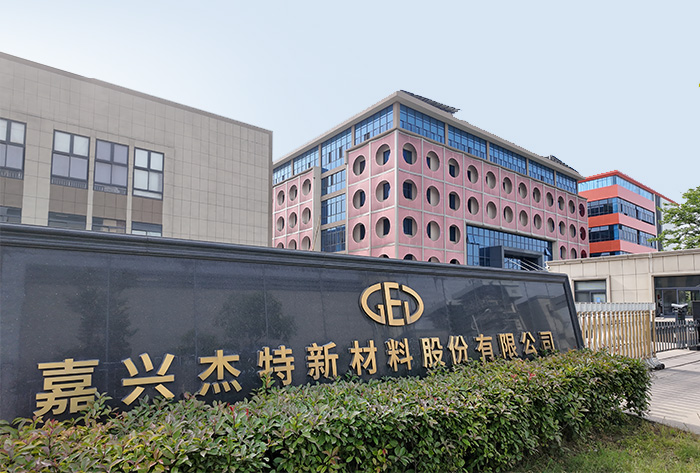
Jiaxing Jiete New Material Co., Ltd. is a professional manufacturer of fiberglass fabric, established in 2010 and based in Zhijiang Industrial Park, Haining City, Zhejiang Province — well connected for shipping worldwide.

We are China fiberglass cloth roll for composites Manufacturers and Custom fiberglass cloth roll for composites Suppliers. We weave fiberglass fabric and develop custom products to specification, running Karl Mayer warping-slashing lines, air-jet looms, Dornier rapier looms, and multiple coating lines under one roof.

Jiete fiberglass weaving and coating facility
Factory floor
150,000 m²
factory floor area
200+
people on staff
200
pieces of production equipment
Product portfolio
9 material lines
Standard and high-strength weaves, heat-resistant base fabric.
Type-E · base weave
Exceptional tensile strength and impact resistance.
Aramid · high tenacity
Fine, even mesh for agricultural and architectural screening.
Mesh · screening grade
Engineered for extreme or non-standard operating conditions.
Custom · engineered
High translucency, self-cleaning surface, long-span tensile use.
PTFE · tensile grade
Non-stick, chemical resistant across a wide thermal range.
-70°C to +260°C
Flexible, waterproof, with strong high-temperature insulation.
Silicone · flexible
Durable, flame-retardant, and weatherproof for outdoor use.
PVC · flame-retardant
PU, acrylic, and other custom coatings available on request.
PU / acrylic · custom
Built to your drawing, not our catalogue

Send us a requirement outside the standard range and our R&D team will design the weave, finish, and coating around it — from first sample through to production volume.

Since 2010, on a foundation of careful management and steady reinvestment, Jiete has built a position in the global fiberglass fabric trade and long-standing partnerships across it. We'd welcome the chance to host you at the mill.

Recommended LINKS