


 English
 中文简体
中文简体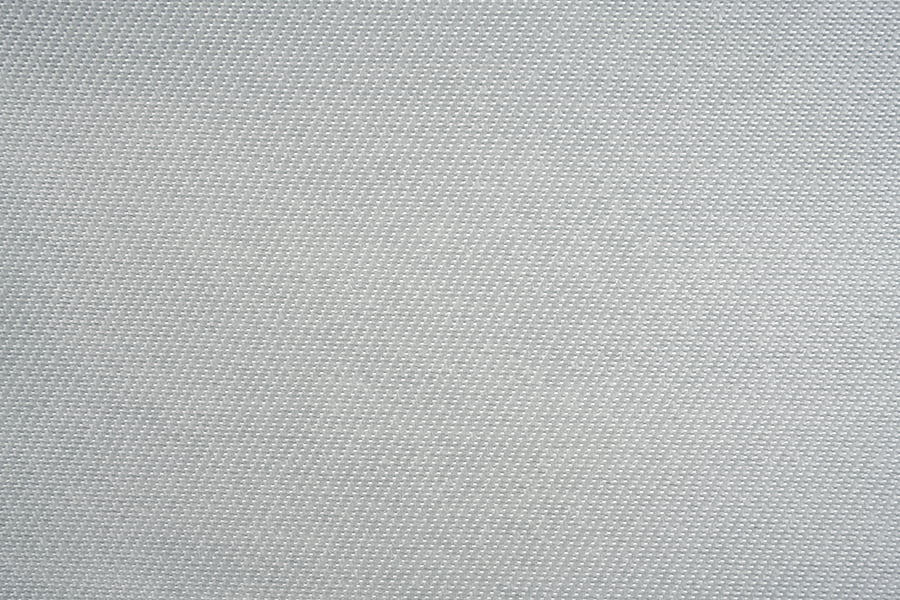
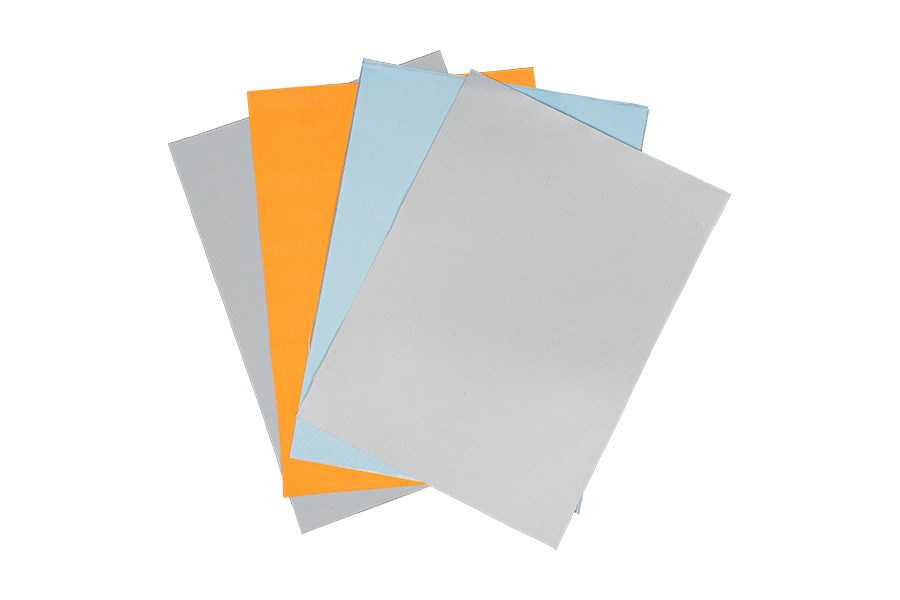
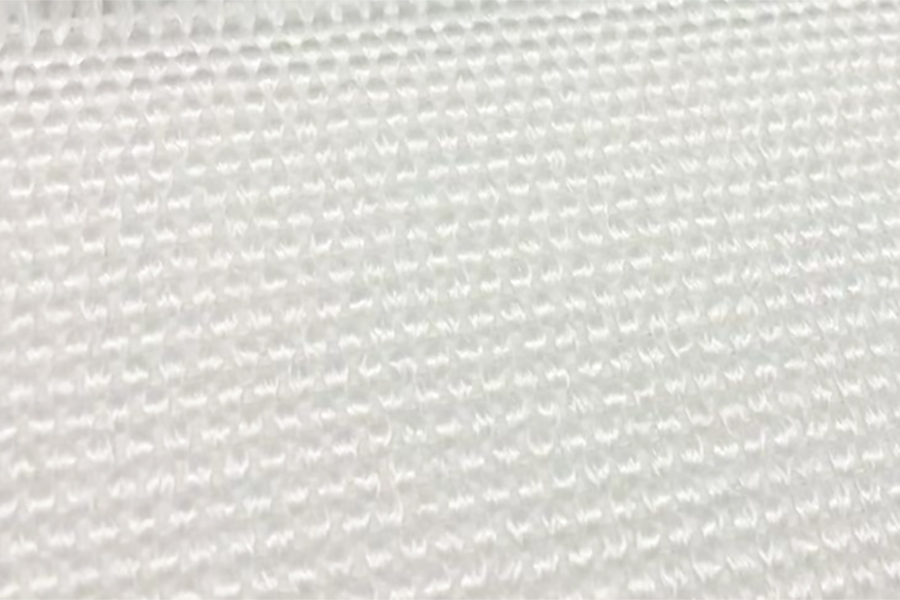
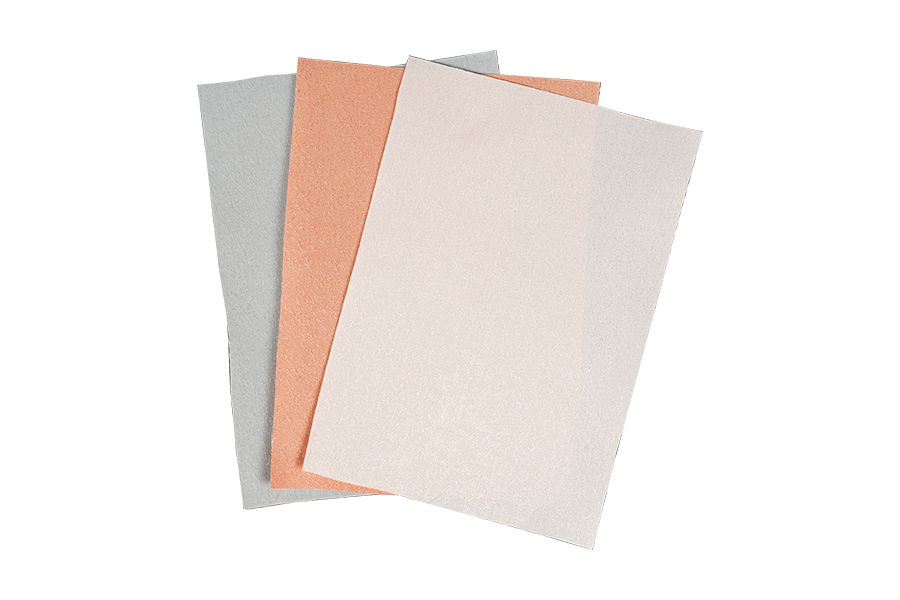
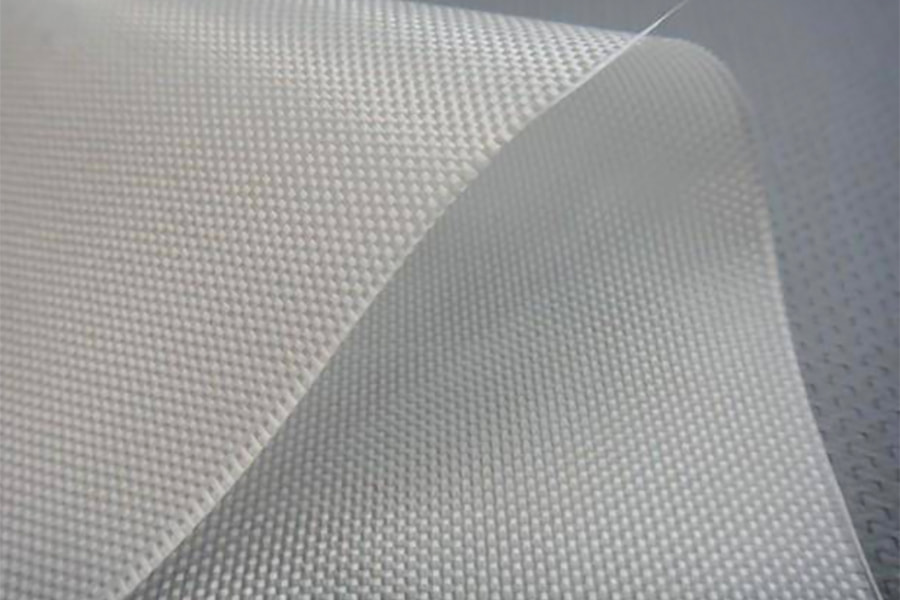
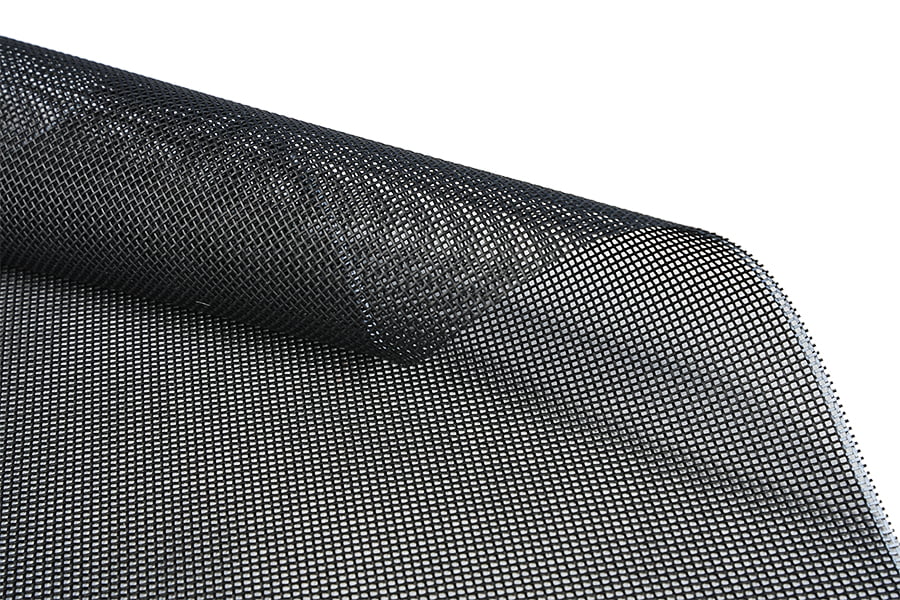
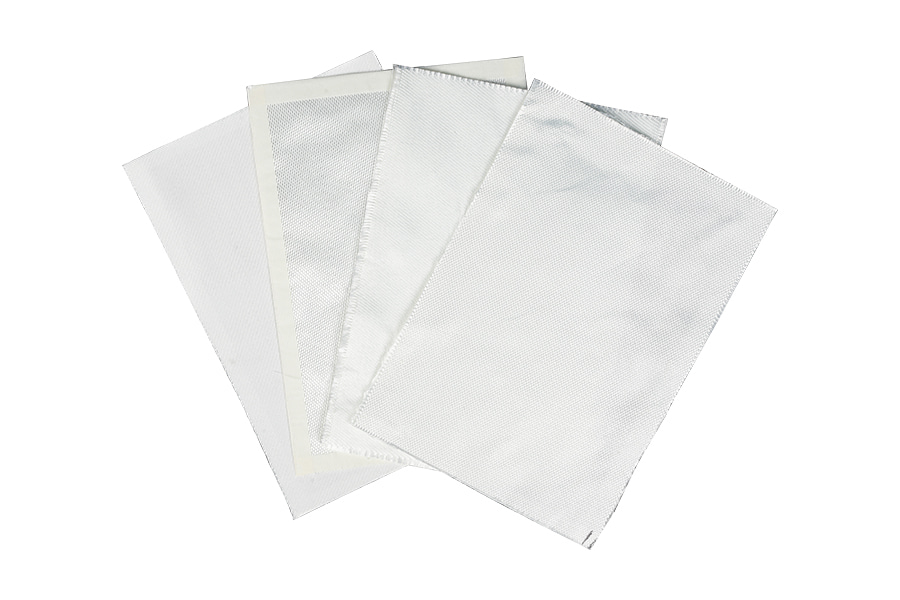
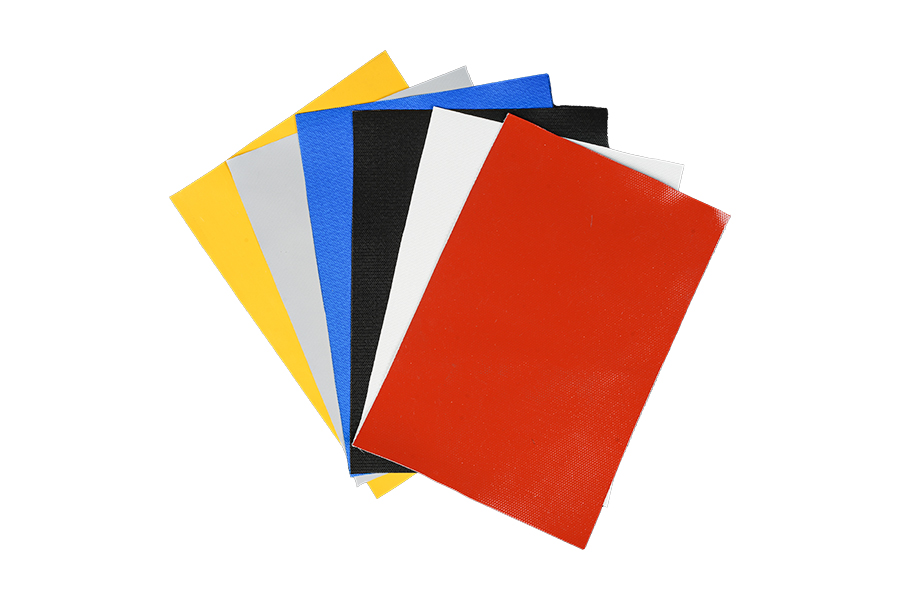

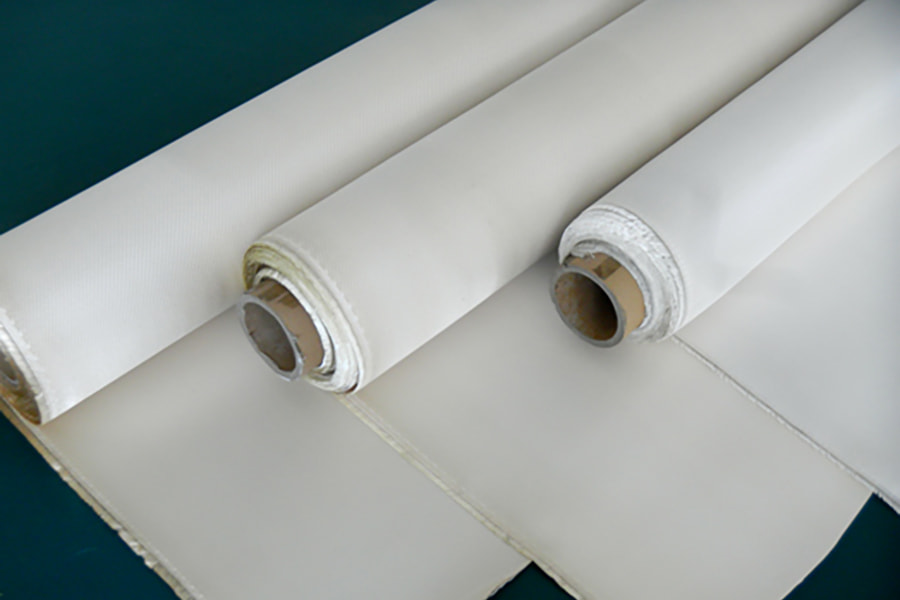
fiberglass cloth roll for boat building
Marine-Grade Composite Fabric
This cloth roll is engineered specifically for marine construction, delivering high-performance reinforcement for boat hulls, decks, and superstructures. Manufactured from marine-grade E-glass filaments with a proprietary sizing optimized for polyester, vinylester, and epoxy marine resins, the cloth provides exceptional mechanical properties in wet environments. Available in areal weights from 200 g/m² to 600 g/m² and thicknesses ranging 0.18 mm to 0.65 mm, the fabric offers tensile strength exceeding 320 MPa and flexural modulus of 26 GPa. The cloth's weave geometry ensures excellent drapeability over compound curves, reducing lay-up time and minimizing print-through. The fabric is UV-stabilized and exhibits resistance to saltwater degradation, maintaining structural integrity throughout the vessel's service life.
Marine Construction Advantages
- Saltwater resistance: Specialized sizing prevents hydrolysis and maintains bond integrity in marine environments, ensuring long-term durability.
- Superior drapeability: Optimized weave architecture conforms to complex hull shapes, compound curves, and tight radii without bridging or wrinkling.
- Reduced print-through: Balanced weave construction minimizes fiber pattern telegraphing through gelcoats, providing a smooth, professional finish.
- High impact resistance: Marine-grade formulation delivers excellent energy absorption, protecting against grounding and collision damage.
- Low moisture absorption: Dense weave and optimized sizing limit water ingress, preventing osmotic blistering and core degradation.
Boat Building Specifications
Marine Application Areas
Marine Laminate Fabrication Guide
Frequently Asked Questions
For marine applications, vinylester resins provide an excellent balance of mechanical properties, moisture resistance, and cost-effectiveness. Isophthalic polyester resins are suitable for less demanding applications. Epoxy resins offer the highest strength, adhesion, and resistance to osmotic blistering, making them ideal for high-performance vessels and repair work.
The cloth's dense weave architecture and marine-specific sizing significantly reduce water absorption through the laminate. When combined with vinylester or epoxy resins, the composite forms an effective barrier against osmotic blistering. The cloth's low porosity (less than 1% void content) eliminates pathways for water ingress.
For a typical 25–40 foot boat hull, a laminate schedule of 6–12 plies of 400–600 g/m² cloth is standard. The schedule should be designed based on the vessel's design category, power requirements, and operational conditions. For high-performance boats, additional reinforcement is added in high-stress areas such as chines, keel, and transom.
While the cloth can be applied in moist environments, best results are achieved when the substrate is dry. For repair applications in humid conditions, use vinylester resins with appropriate moisture-tolerant hardeners. Ensure the repair area is well-ventilated and temperatures are above 15°C for proper cure.
The cloth's twill or satin weave patterns provide excellent drapeability over compound curves and tight radii without requiring darts or cuts. For extreme curvatures, use the cloth on the bias (45° orientation) to maximize conformability. The cloth's flexibility allows it to follow the hull's contours without wrinkling or bridging.