

 English
 中文简体
中文简体
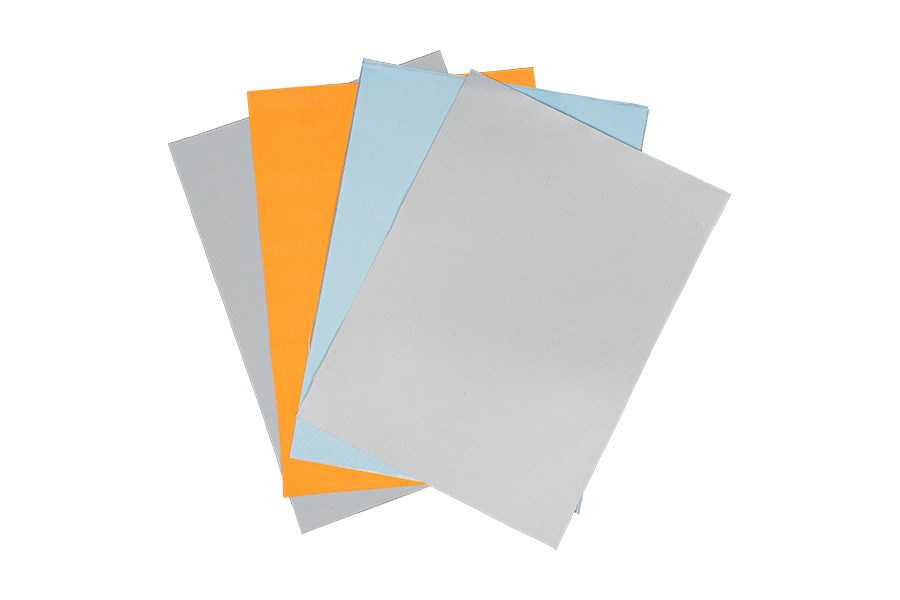
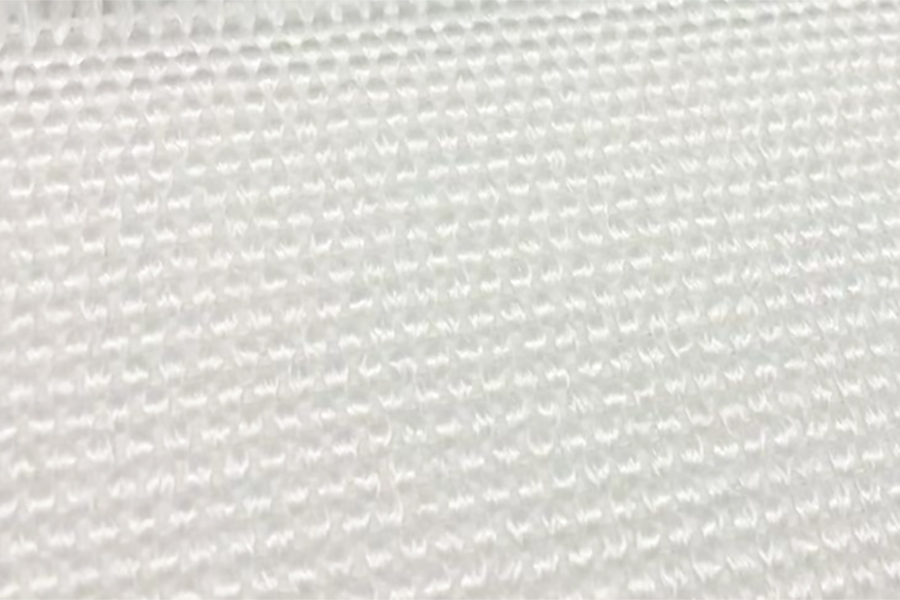
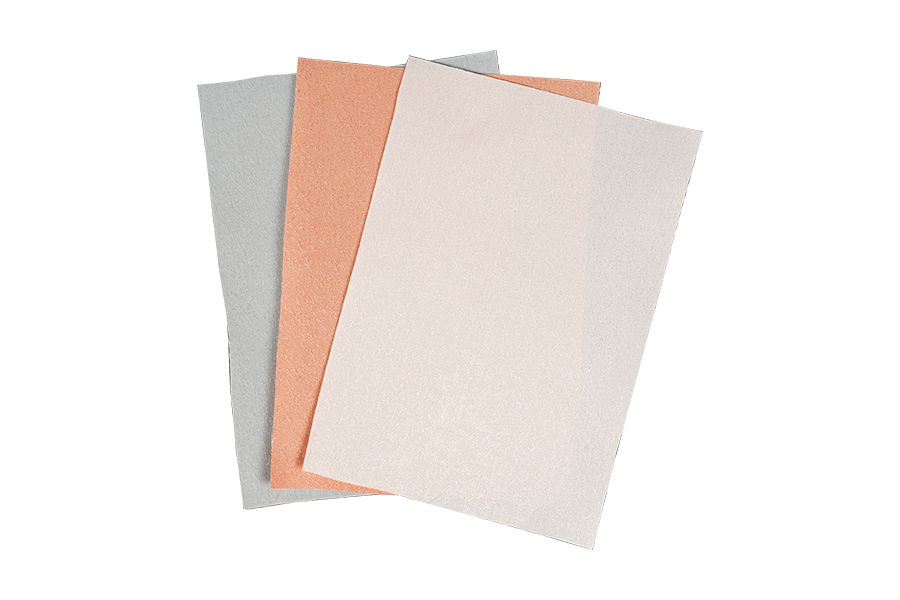
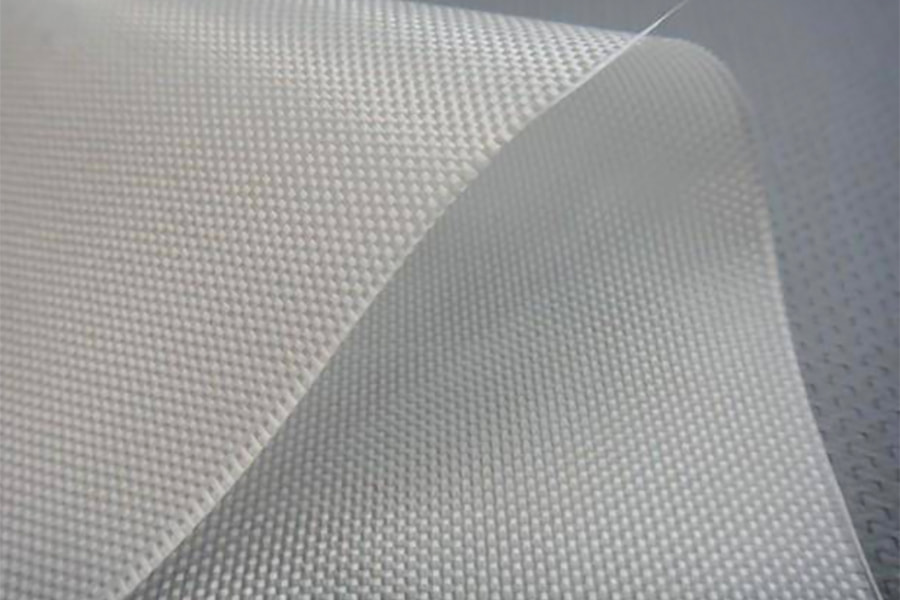
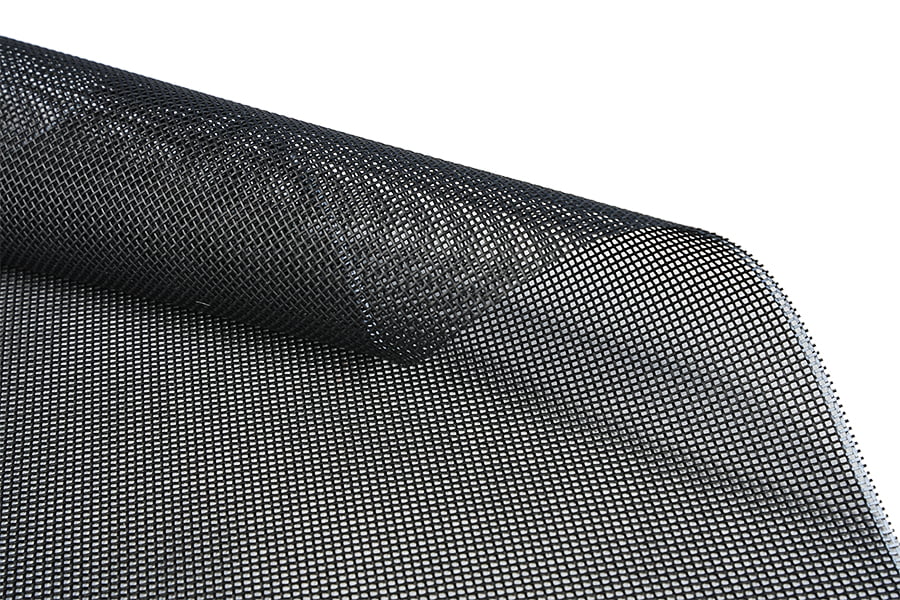
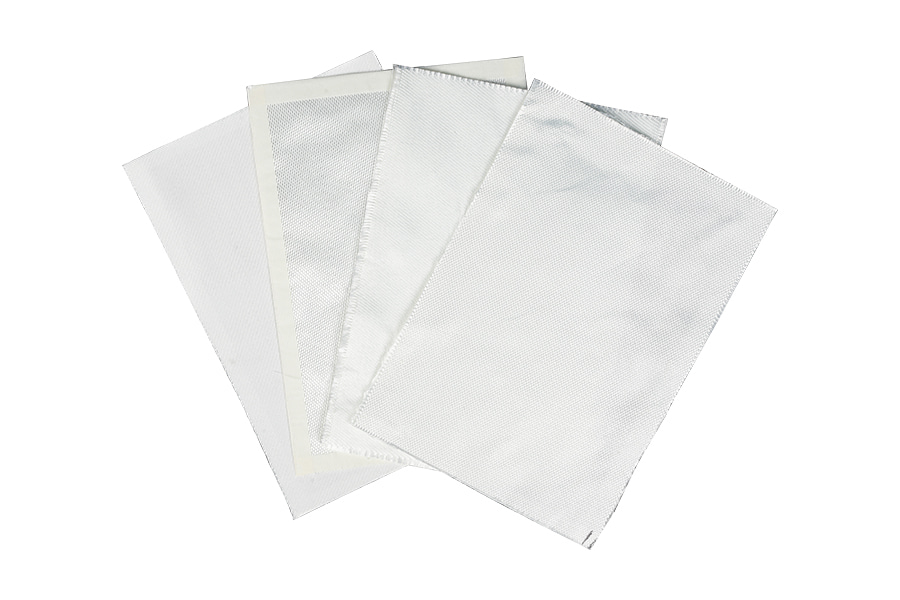
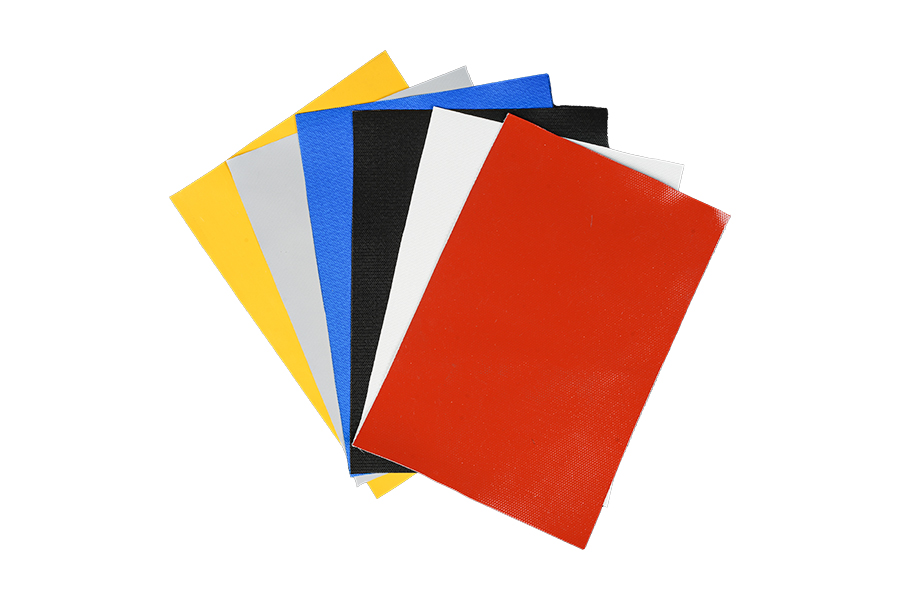

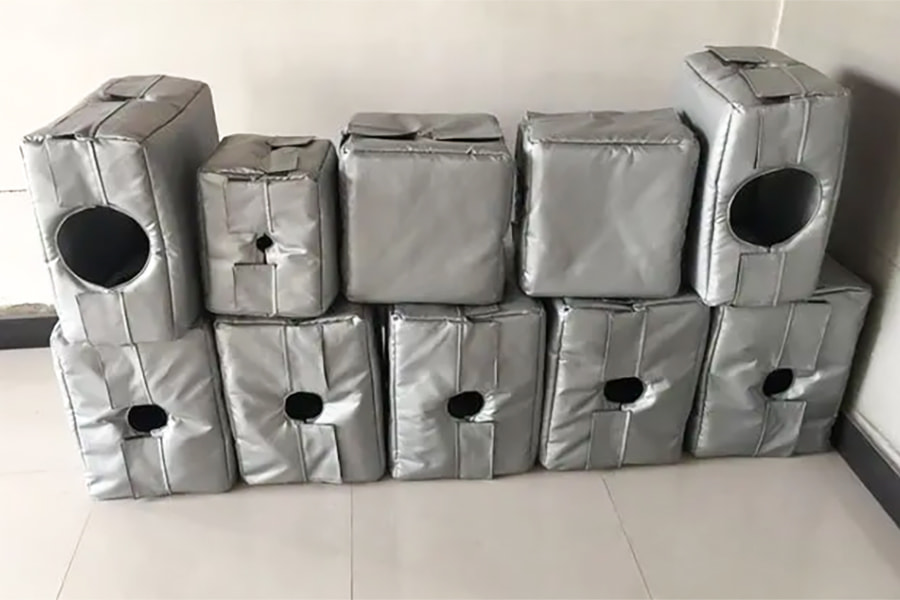
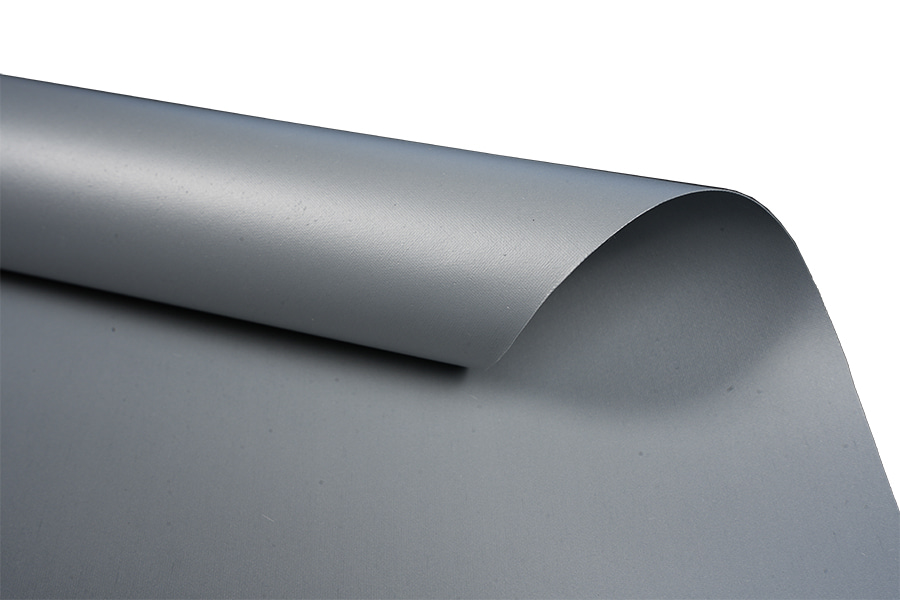
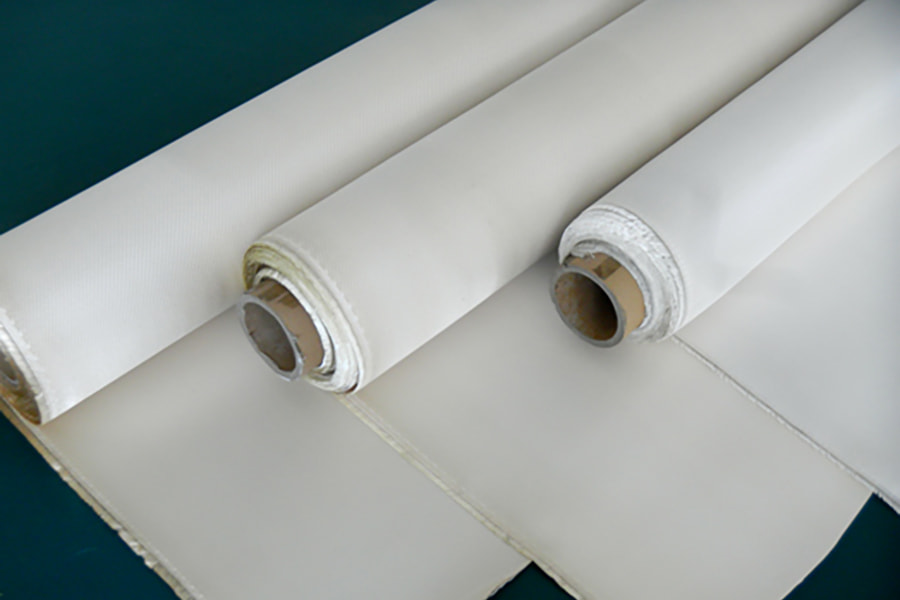
fiberglass cloth roll for FRP applications
FRP Fabrication Engineered
This cloth roll is specifically designed for fiber-reinforced polymer (FRP) manufacturing processes, delivering consistent reinforcement for a wide spectrum of composite products. Manufactured from high-quality E-glass filaments with a sizing system optimized for polyester, vinylester, and epoxy resin systems used in FRP production, the cloth provides tensile strength exceeding 310 MPa and flexural modulus of 26 GPa. Available in areal weights from 150 g/m² to 600 g/m² and thicknesses from 0.12 mm to 0.65 mm, the fabric ensures uniform resin distribution, rapid wet-out, and low void content across various FRP fabrication methods including hand lay-up, spray-up, vacuum infusion, and continuous lamination. The cloth operates continuously from –60°C to +550°C and is formulated to meet the demanding requirements of industrial FRP component manufacturing.
FRP Manufacturing Advantages
- Optimized resin uptake: Balanced weave architecture ensures consistent resin absorption across all FRP processes, reducing waste and improving laminate quality.
- Excellent wet-out characteristics: Surface energy matched to FRP resins (polyester, vinylester, epoxy) promotes rapid impregnation with minimal air entrapment.
- Uniform fiber distribution: Precision weaving delivers consistent fiber orientation and areal weight, critical for reproducible FRP mechanical properties.
- Process versatility: Compatible with all FRP manufacturing methods including hand lay-up, spray-up, vacuum bagging, RTM, and continuous lamination.
- Low void content: Controlled fabric geometry and sizing minimize entrapped air, achieving laminates with less than 1% void volume fraction in FRP structures.
FRP Specifications
FRP Product Applications
FRP Fabrication Guidelines
Frequently Asked Questions
This cloth is compatible with all FRP manufacturing processes including hand lay-up, spray-up, vacuum infusion, resin transfer molding (RTM), continuous lamination, and compression molding. The cloth's balanced weave and sizing chemistry ensure excellent resin flow and wet-out across all these FRP fabrication methods.
The cloth is engineered for consistent performance in high-volume FRP manufacturing. Its uniform areal weight and precise weave geometry ensure reproducible laminates, reducing scrap and rework. The cloth's excellent wet-out characteristics minimize operator time and improve production rates in continuous lamination systems.
For general FRP applications, a fiber volume fraction of 45–55% provides the optimal balance of mechanical properties and economics. For hand lay-up, 35–45% fiber volume is typical. For vacuum infusion and RTM, 50–60% fiber volume can be achieved. Adjust resin content accordingly to reach the desired fiber volume for specific FRP performance requirements.
Yes, the cloth is suitable for FRP repair applications. For structural repairs, use a 10:1 scarf ratio and build up the repair using 6–12 plies depending on the original laminate thickness. Ensure the repair area is thoroughly dried and cleaned before applying the cloth and resin system.
The cloth's low moisture absorption properties contribute to FRP laminates with excellent water resistance. When properly cured with compatible FRP resins, laminates maintain mechanical properties and structural integrity even in high-humidity environments or direct water exposure. For demanding marine or immersion applications, we recommend using vinylester resins for enhanced moisture protection.