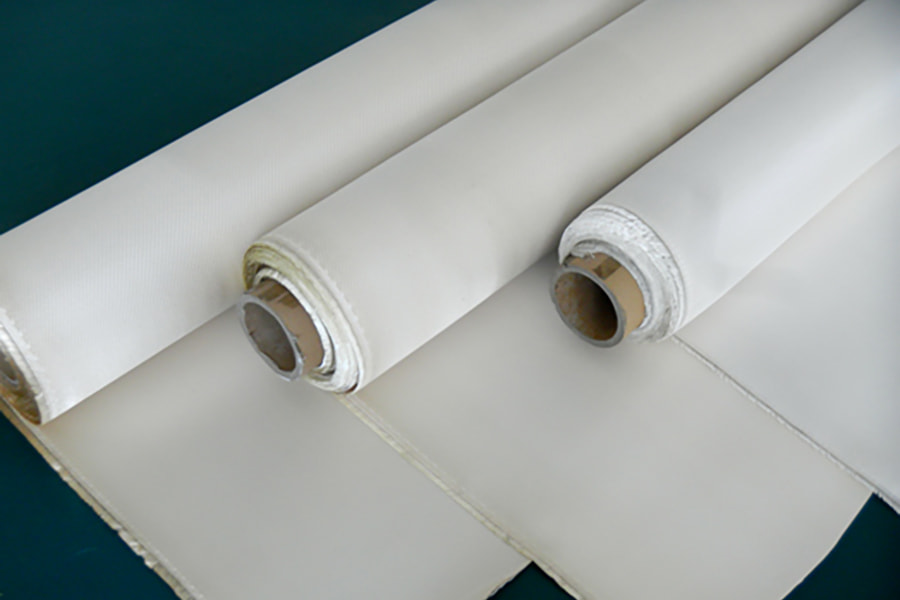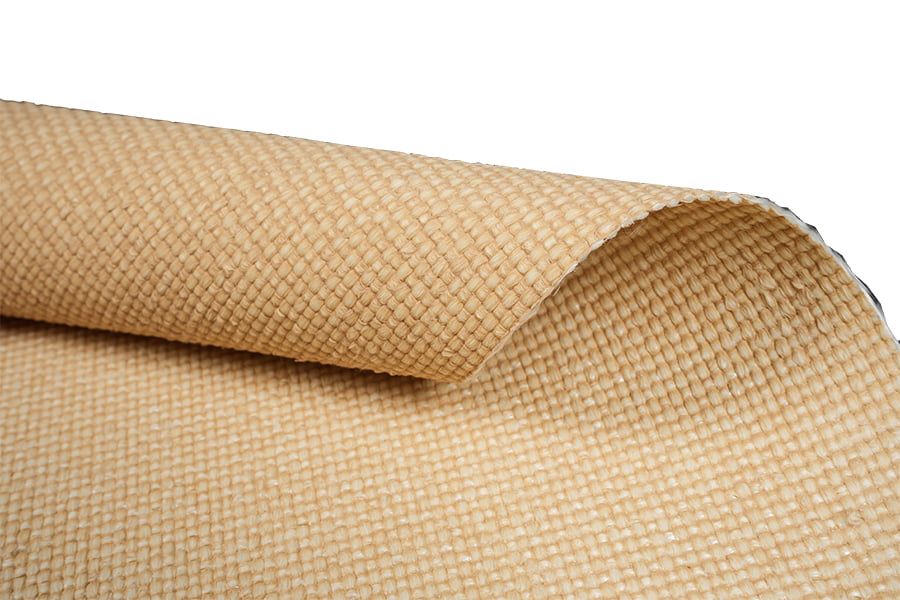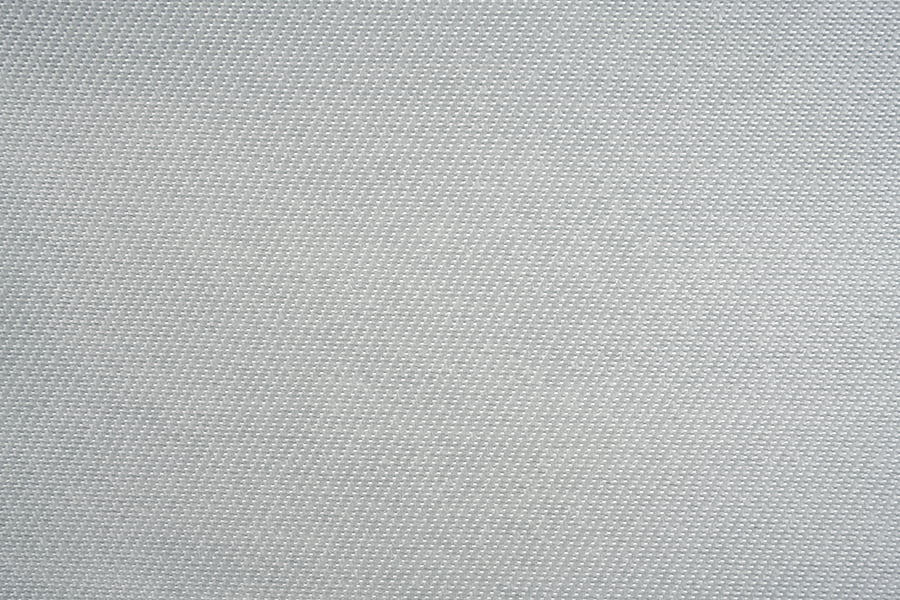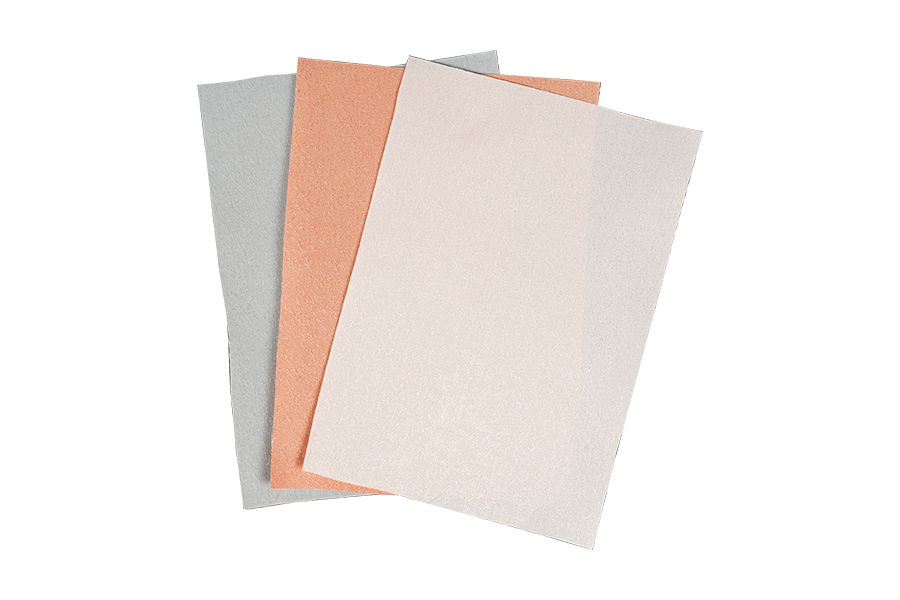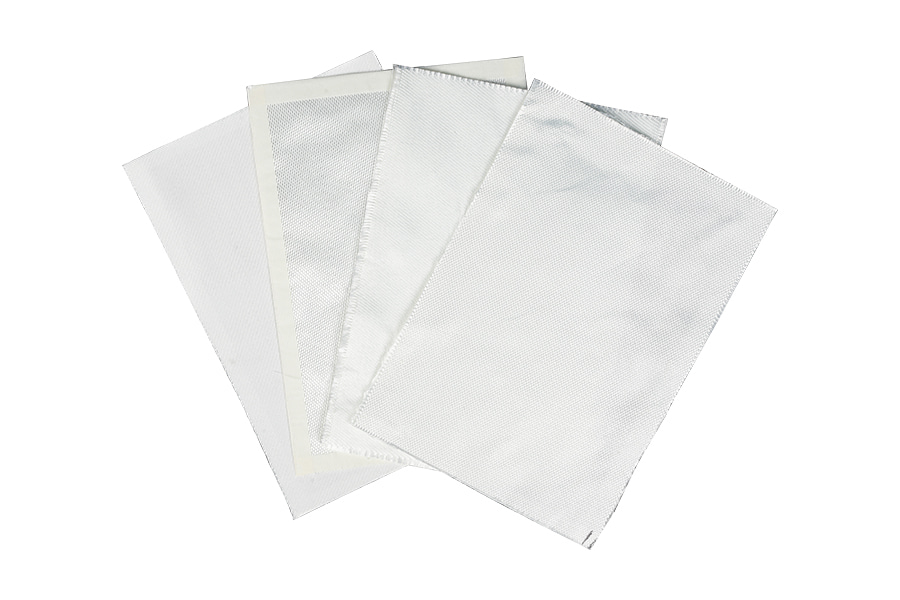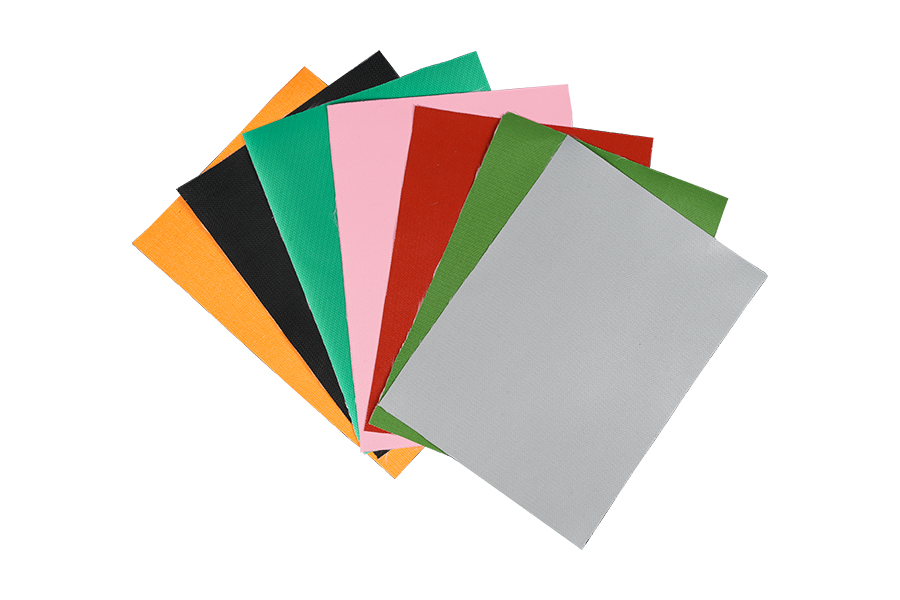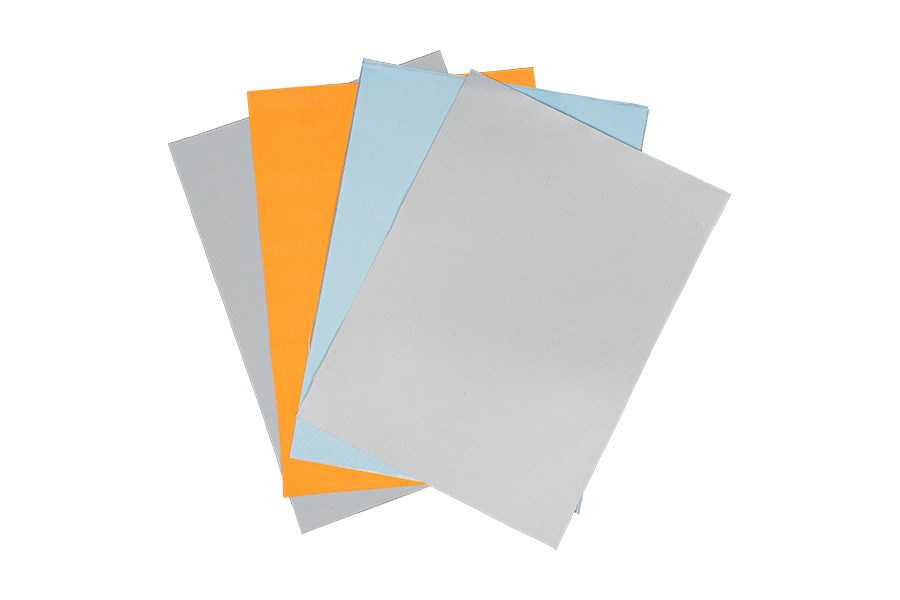
Fire Resistant Fiberglass Cloth Roll

Product Overview

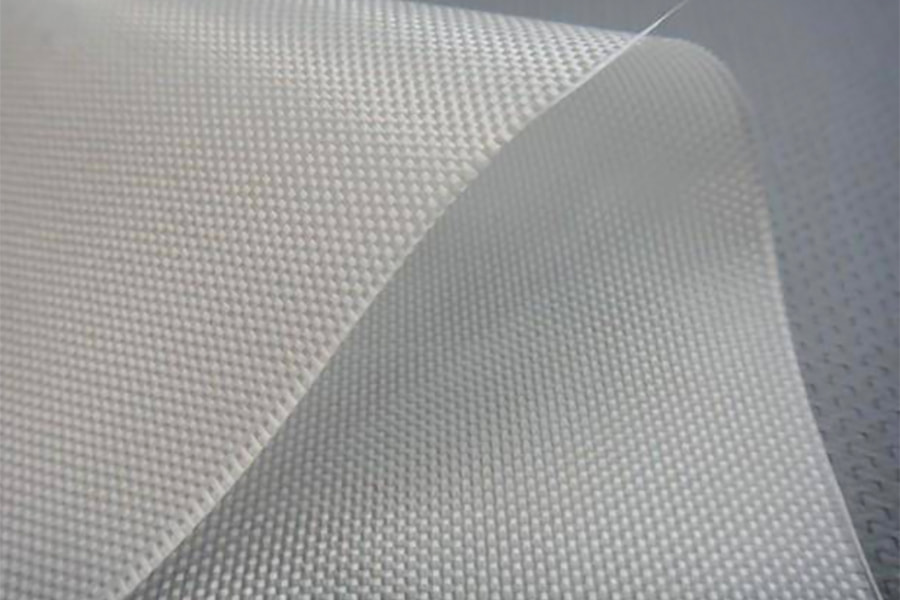
Fire resistant fiberglass cloth roll is manufactured from high-purity E-glass filaments with a specialized intumescent coating that forms a char layer when exposed to flame. This cloth achieves a Class A flame spread rating (ASTM E84) with a flame spread index below 25 and smoke development below 50. Available in thicknesses from 0.40 mm to 2.50 mm and weights ranging 250 g/m² to 1000 g/m². The fabric maintains structural integrity at temperatures up to 700°C and provides up to 45 minutes of fire barrier protection at 1000°C flame exposure. The intumescent coating expands 3–5 times its original thickness when heated, creating an insulating ceramic barrier.

A Class Rating
25 Flame Spread
45 Min Protection

Core Advantages

Intumescent char formation Coating expands 3–5x when exposed to flame, creating an insulating ceramic layer that reflects radiant heat and limits oxygen penetration.
Low smoke emission Proprietary fire-retardant chemistry minimizes toxic fume generation during combustion, with smoke opacity below 50% per ASTM E662.
Thermal durability Retains 65% tensile strength after 500 hours at 600°C, with 85% retention after 10 thermal shock cycles from 20°C to 700°C.
Versatile application Compatible with epoxy, silicone, and ceramic adhesives; can be sewn, stapled, or laminated without losing fire resistance properties.

Product Specifications

Fiber Composition E-glass with intumescent coating
Weave Type Plain, Twill, or 8-Harness Satin
Thickness Range 0.40 – 2.50 mm (±0.05 mm)
Areal Weight 250 – 1000 g/m²
Flame Spread Index (ASTM E84) ≤ 25 (Class A)
Smoke Developed Index (ASTM E84) ≤ 50
Fire Endurance (1000°C flame) ≥ 45 minutes
Continuous Operating Temperature –60°C to +700°C
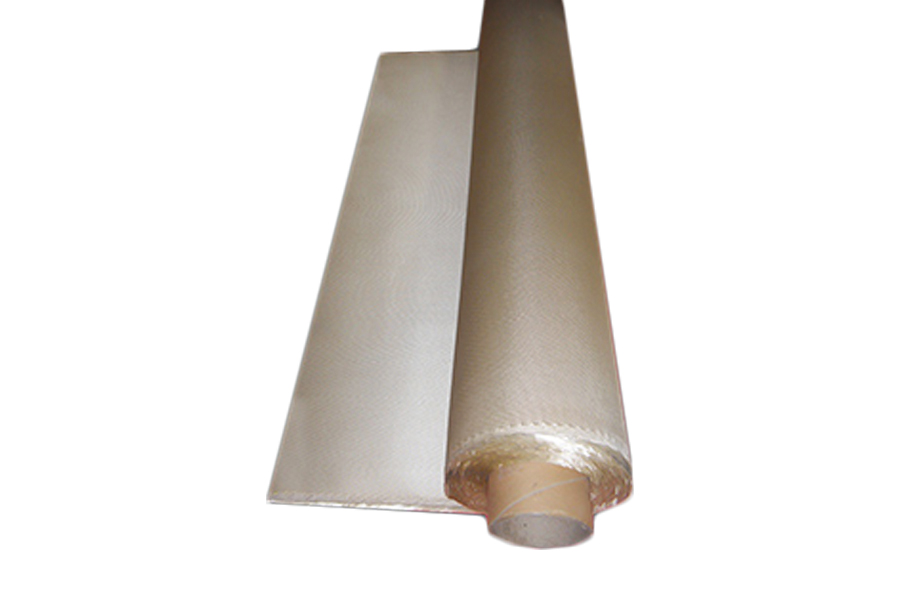
Roll Width 850 mm, 1050 mm, 1250 mm
Roll Length 20 m, 40 m, 80 m

Application Fields

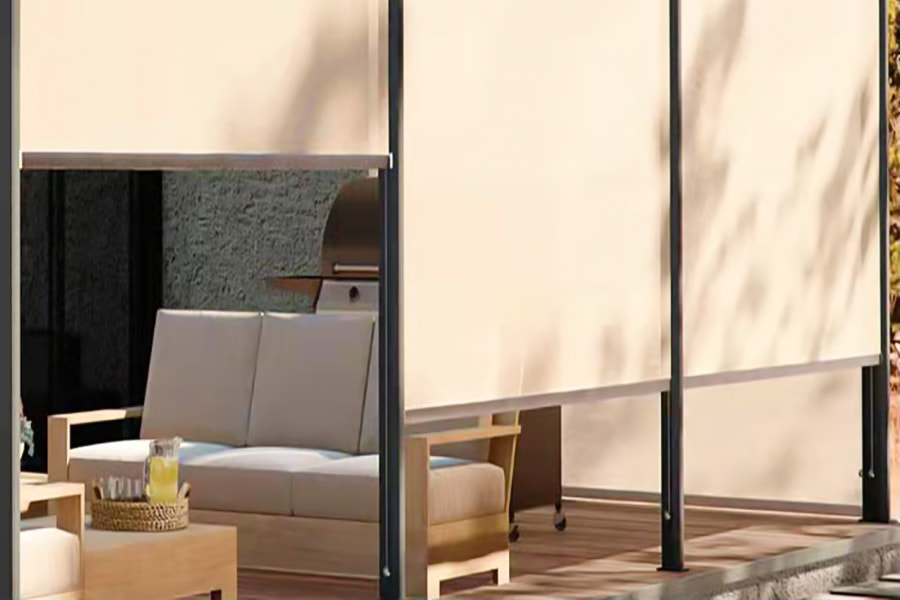
Building fire barriers Curtain walls, firestop systems, and compartmentation materials for commercial and industrial buildings.
Marine fire protection Bulkhead insulation, engine room fire wraps, and deckhead barriers per SOLAS regulations.
Transportation safety Aircraft cargo liners, train firebreak walls, and automotive battery thermal runout barriers.
Welding & hot work Welding curtains, spark barriers, and temporary fire protection screens for construction sites.
Industrial furnaces Furnace door seals, observation port covers, and expansion joint fire barriers.
Electrical safety Cable tray fire wraps, transformer fire barriers, and electrical panel insulation.

Handling & Installation Notes

Surface preparation Clean surfaces with isopropyl alcohol to remove oils and dirt before installation. Ensure substrate is dry and free of moisture for proper intumescent activation.
Cutting methods Use tungsten carbide or ceramic-coated blades for clean cuts. Avoid thermal cutting methods that may prematurely activate the intumescent coating along cut edges.
Securing methods Mechanical fastening with stainless steel clips or screws is recommended. For adhesive bonding, use silicone-based high-temperature adhesives rated above 300°C.
Inspection protocol Check for coating integrity before installation. Any scratches or damage exposing bare fiberglass should be repaired with intumescent patch material.
Storage requirements Store at 15–35°C in original packaging. Avoid exposure to moisture and direct sunlight. Shelf life is 36 months in sealed packaging.
Testing & certification Maintain test certificates for flame spread and smoke development. Record installation dates for future inspection and maintenance scheduling.

Frequently Asked Questions

This cloth meets ASTM E84 (Class A) with flame spread index ≤ 25 and smoke developed index ≤ 50. It also complies with NFPA 701, ISO 6941, and BS 476 Part 7 for surface spread of flame. For marine applications, the cloth satisfies IMO FTP Code Parts 5 and 6. Third-party test certificates are available upon request.

When exposed to temperatures above 200°C, the intumescent coating undergoes thermal decomposition that releases a blowing agent, causing the coating to expand 3–5 times its thickness. This creates a microporous ceramic char layer that acts as a thermal barrier, reflecting up to 90% of radiant heat and reducing heat transfer by 400–500°C across the fabric thickness.

The cloth should not be washed or immersed in liquids as this may degrade the intumescent coating. For surface cleaning, use a dry cloth or vacuum with a soft brush attachment. If the cloth becomes contaminated with oils or chemicals that cannot be removed by dry brushing, replace the affected section rather than attempting wet cleaning.

Prolonged UV exposure may degrade the intumescent coating over time. For outdoor applications, we recommend applying a UV-resistant top coat or using the cloth behind protective panels. The cloth can be painted with fire-retardant coatings that include UV stabilizers. Internal testing shows 90% coating retention after 500 hours of accelerated UV weathering (QUV test).

For fire barrier applications, a minimum overlap of 150 mm is recommended between adjacent cloth panels. For critical fire-rated assemblies, the overlap should be 200 mm with staggered seams. All overlaps should be sealed with high-temperature fire-rated tape or intumescent caulk to prevent flame penetration through the joint.

The intumescent coating is water-resistant but not waterproof. Short-term condensation does not affect performance, but prolonged water contact may cause blistering or delamination. In high-humidity environments (>80% RH), ensure adequate ventilation. If the cloth becomes wet, allow it to dry completely at room temperature before use; the coating's performance will not be compromised by a single drying cycle.

Jiaxing Jiete
Est. 2010 · Haining, Zhejiang · Fiberglass Fabric
Fiberglass Fabric Manufacturer
Clarity, strength,
and coating — woven in.

Since 2010 we've woven and coated fiberglass fabric to spec for customers who need both the physics and the finish to hold up.

opaquecoatedbase weavetranslucent
Light transmittance across our fabric & membrane range
About the mill
Zhijiang Industrial Park

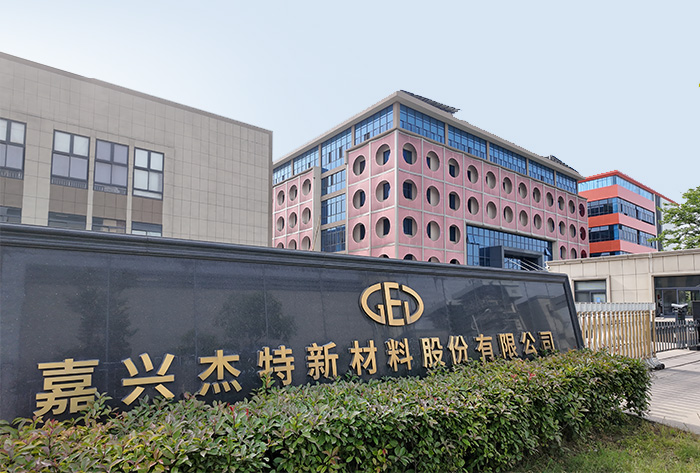
Jiaxing Jiete New Material Co., Ltd. is a professional manufacturer of fiberglass fabric, established in 2010 and based in Zhijiang Industrial Park, Haining City, Zhejiang Province — well connected for shipping worldwide.

We are China fire resistant fiberglass cloth roll Manufacturers and Custom fire resistant fiberglass cloth roll Suppliers. We weave fiberglass fabric and develop custom products to specification, running Karl Mayer warping-slashing lines, air-jet looms, Dornier rapier looms, and multiple coating lines under one roof.

Jiete fiberglass weaving and coating facility
Factory floor
150,000 m²
factory floor area
200+
people on staff
200
pieces of production equipment
Product portfolio
9 material lines
Standard and high-strength weaves, heat-resistant base fabric.
Type-E · base weave
Exceptional tensile strength and impact resistance.
Aramid · high tenacity
Fine, even mesh for agricultural and architectural screening.
Mesh · screening grade
Engineered for extreme or non-standard operating conditions.
Custom · engineered
High translucency, self-cleaning surface, long-span tensile use.
PTFE · tensile grade
Non-stick, chemical resistant across a wide thermal range.
-70°C to +260°C
Flexible, waterproof, with strong high-temperature insulation.
Silicone · flexible
Durable, flame-retardant, and weatherproof for outdoor use.
PVC · flame-retardant
PU, acrylic, and other custom coatings available on request.
PU / acrylic · custom
Built to your drawing, not our catalogue

Send us a requirement outside the standard range and our R&D team will design the weave, finish, and coating around it — from first sample through to production volume.

Since 2010, on a foundation of careful management and steady reinvestment, Jiete has built a position in the global fiberglass fabric trade and long-standing partnerships across it. We'd welcome the chance to host you at the mill.

Recommended LINKS