


 English
 中文简体
中文简体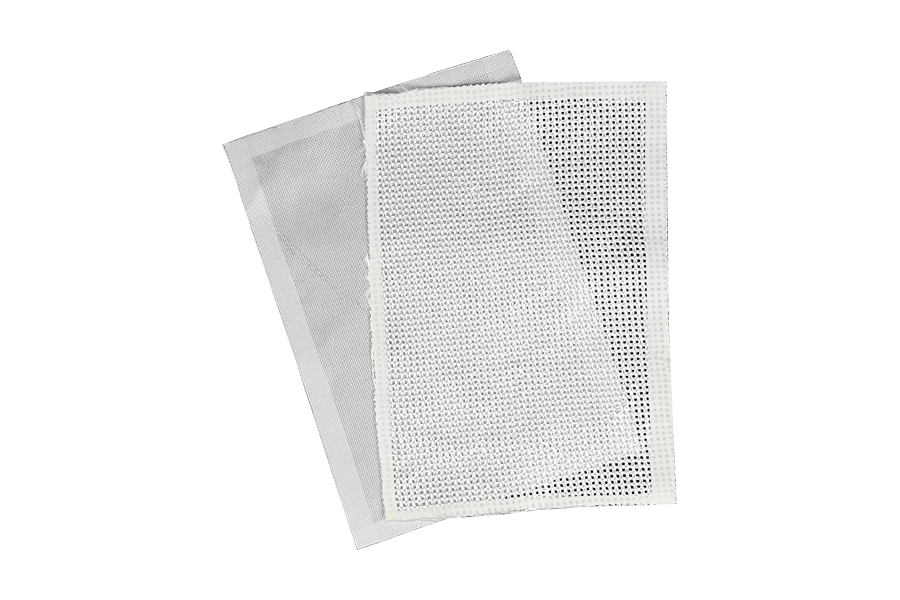
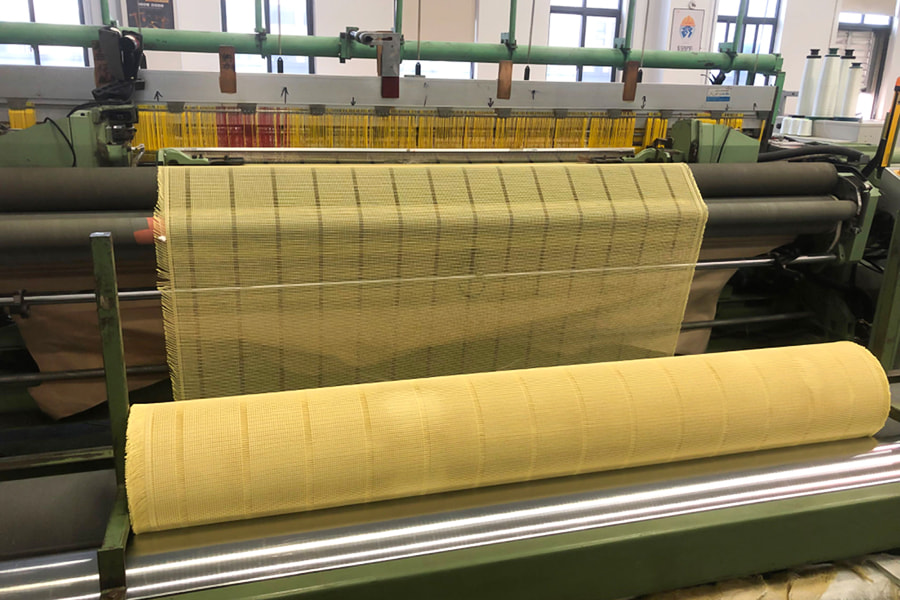
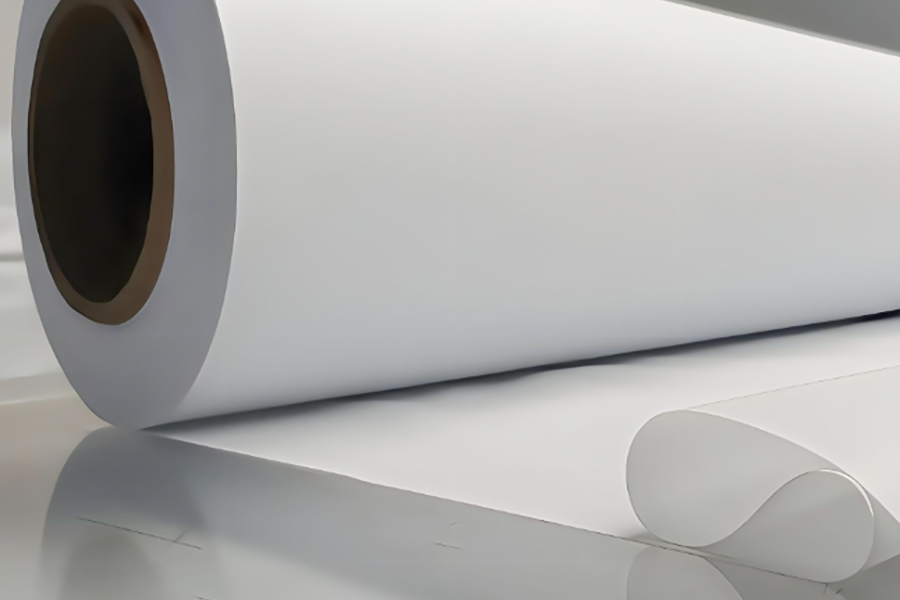
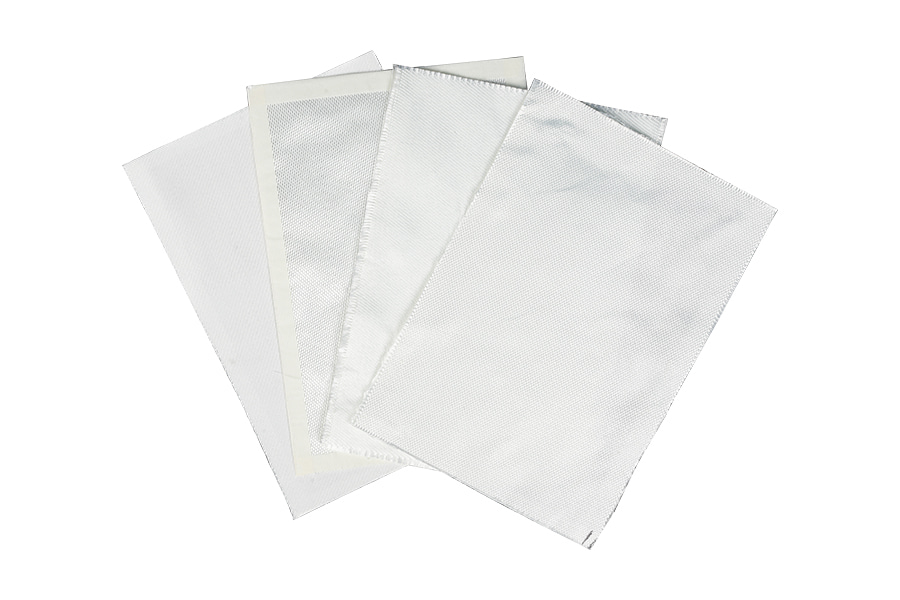
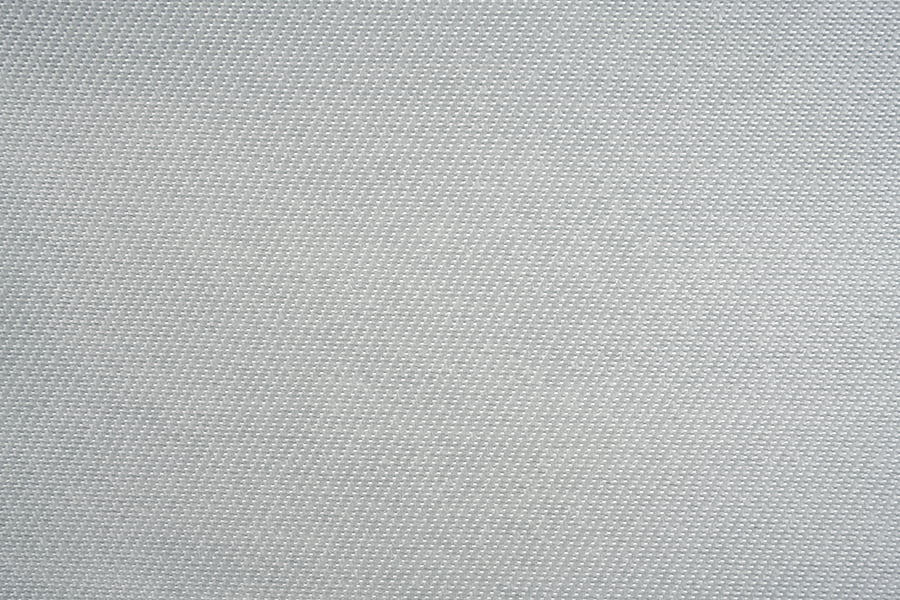

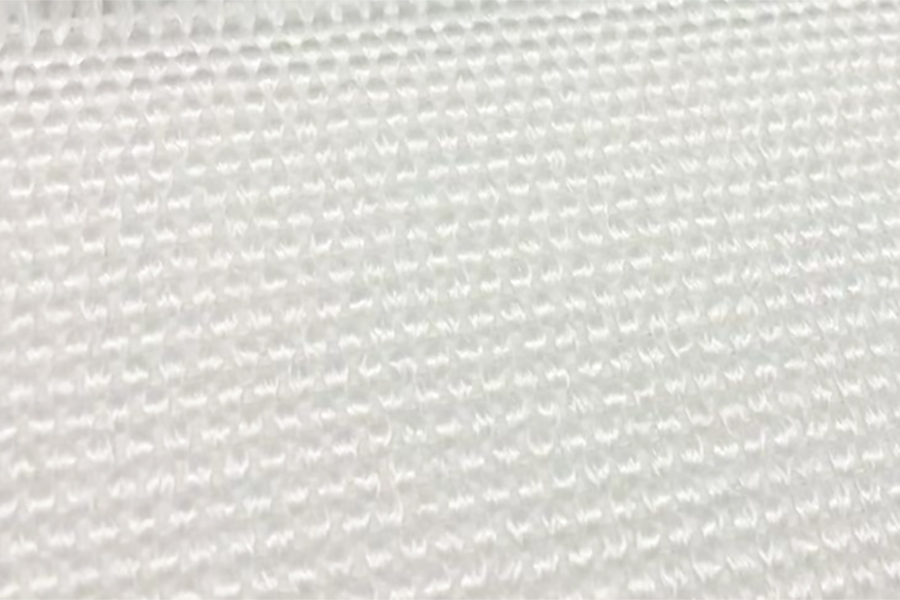
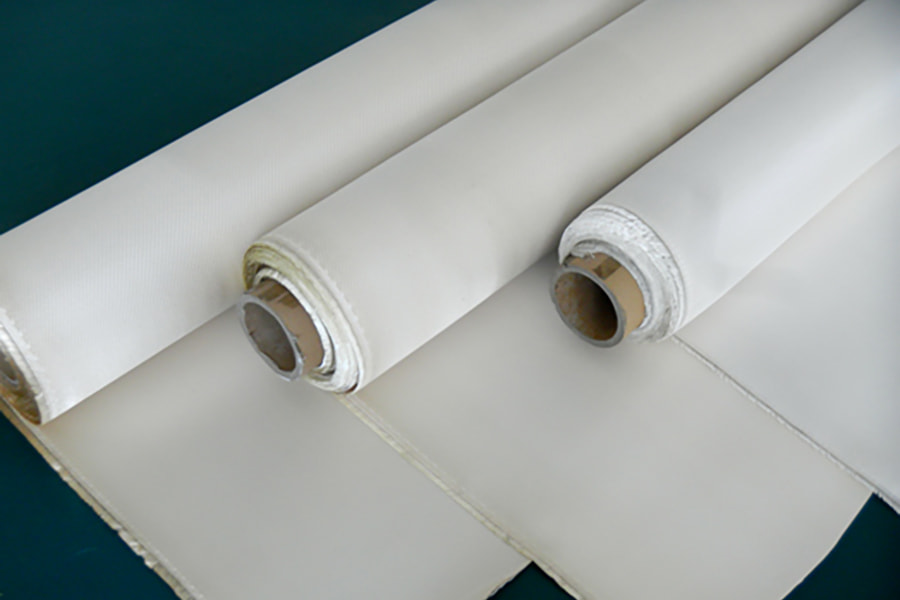
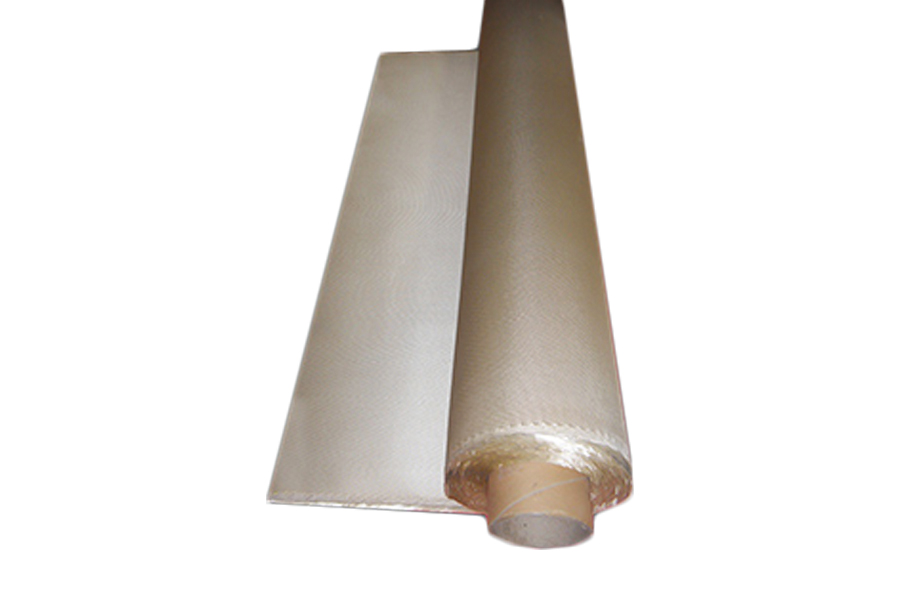
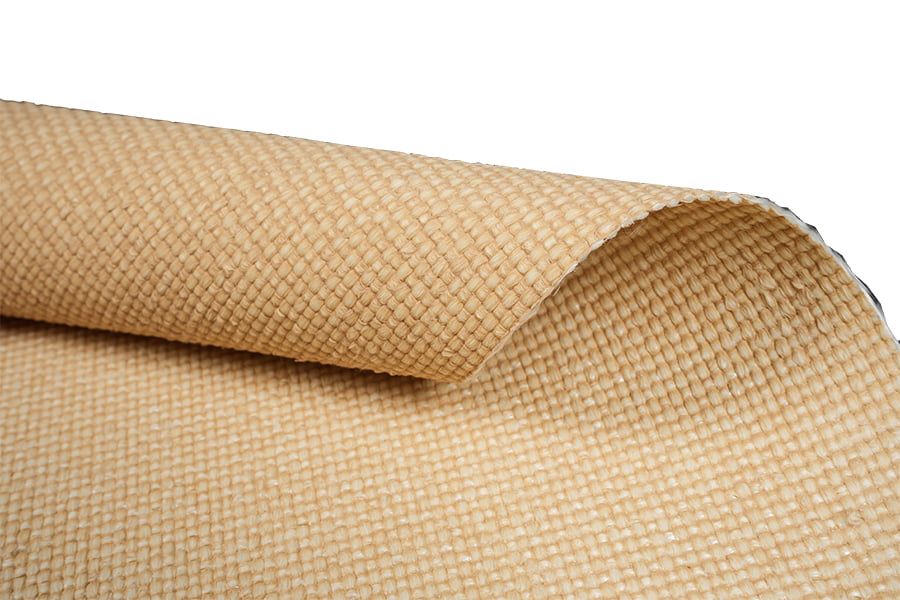
600gsm fiberglass cloth roll
600gsm fiberglass cloth roll is a heavy-areal-weight reinforcement fabric built for high-load composite structures where ply count reduction and laminate efficiency drive cost. Woven from continuous E-glass rovings with a consistent 600 g/m² ±5% areal weight and 0.55–0.65 mm thickness, the fabric delivers tensile strength of 420 MPa warp and 390 MPa weft, with flexural modulus of 30 GPa in a cured epoxy laminate. The construction is available in plain, twill, and 8-harness satin, with silane sizing formulated for epoxy, vinylester, and polyester systems. The fabric is supplied in 1000 mm, 1270 mm, and 1500 mm roll widths, with roll lengths from 25 m to 100 m to suit production scheduling. Continuous service temperature is –60°C to +550°C.
- Ply count reduction - One 600gsm layer replaces roughly three 200gsm layers at equivalent thickness, lowering cutting, kitting, and lay-up labor per part.
- Scrap and trim control - Dense woven structure resists edge fraying during CNC cutting, keeping trim waste predictable across production runs.
- Batch consistency - Controlled roving tension maintains areal weight within ±5% roll to roll, supporting repeatable resin-to-fiber ratios.
- Resin cost efficiency - High fiber volume fraction up to 58% in vacuum infusion reduces resin consumption per unit of laminate thickness.
- Process coverage - Compatible with hand lay-up, vacuum infusion, RTM, and compression molding without sizing change.
Target Industries
Production Integration Notes
Procurement and Engineering FAQ
Standard MOQ is 500 kg per width and weave specification. Stock widths of 1000 mm and 1270 mm in plain and twill weave ship from inventory within 5–10 business days. Custom widths and 8-harness satin constructions typically require 3–5 weeks depending on order volume and sizing requirements.
At equivalent laminate thickness, 600gsm cloth reduces ply count by roughly one third compared with 400gsm cloth. The material cost per kilogram is comparable, but labor, cutting, and handling costs decrease with fewer plies. For thick structural laminates above 5 mm, the total cost per unit thickness is typically lower with 600gsm cloth.
Yes. The fabric's permeability supports resin flow in RTM tooling, though injection pressures should be set higher than for lighter fabrics. For large RTM parts, use a flow medium on the injection side and verify mold filling with trial shots before production. Preforming binders may be applied if the fabric is used in net-shape preform processes.
Each shipment includes a certificate of analysis covering areal weight, thickness, weave type, sizing system, and roll length. Lot traceability records are maintained for 24 months. Additional documentation including tensile test reports and resin compatibility statements can be provided on request for qualified accounts.
Yes. Standard supply uses silane sizing for epoxy, vinylester, and polyester. For phenolic, BMI, or high-temperature epoxy systems, alternate sizing formulations are available on request. Minimum order quantities apply to custom sizing runs, and lead times are typically 4–6 weeks.