leno weave fiberglass cloth

LW-01 Open Construction Fabric

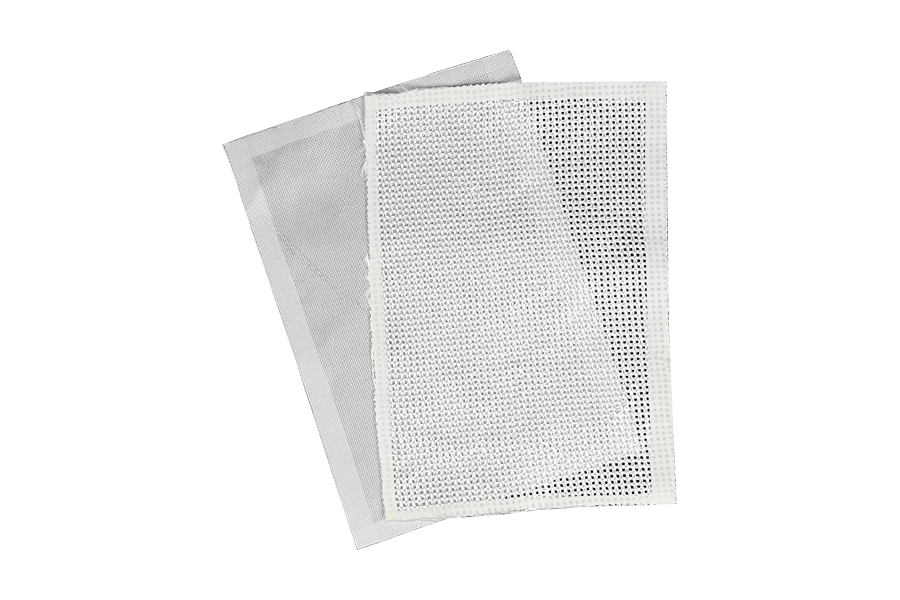
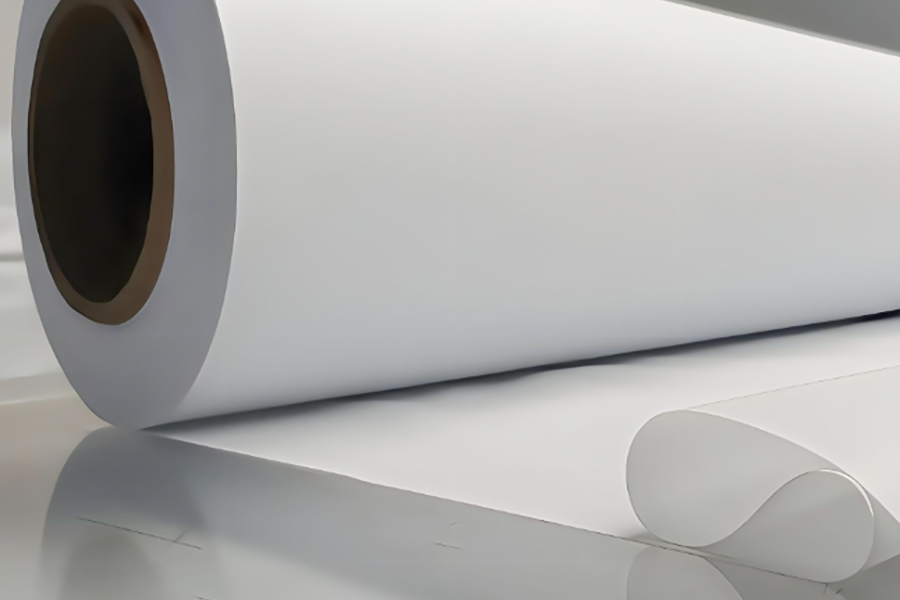
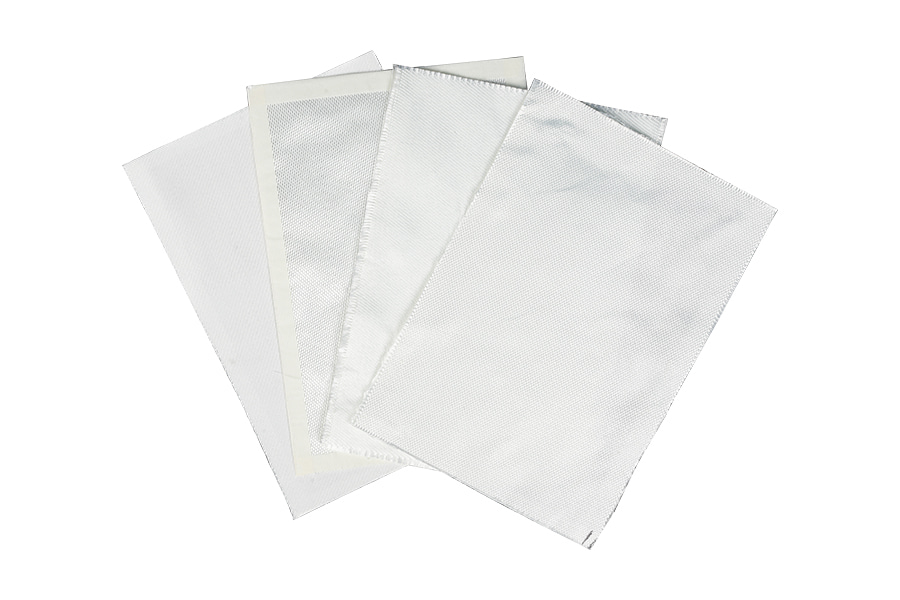
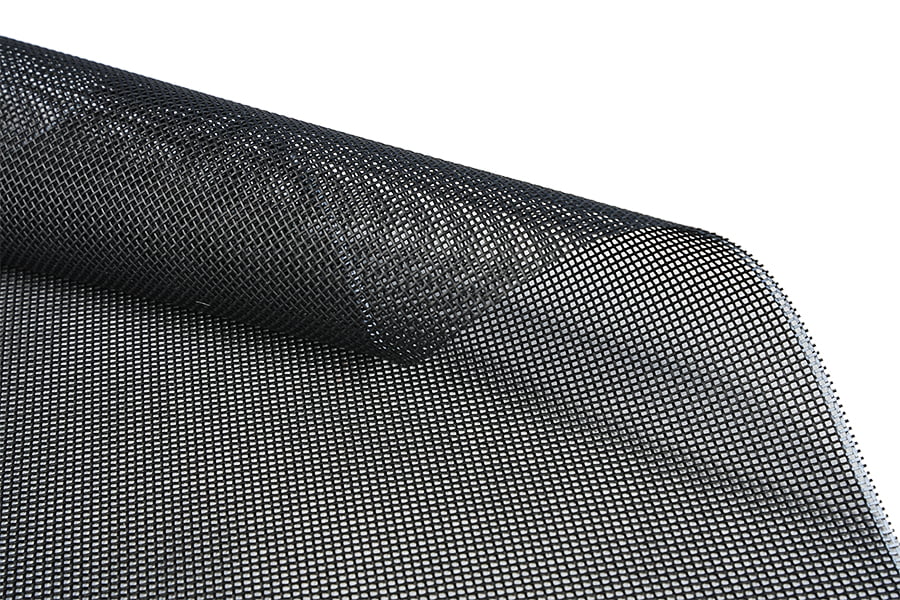
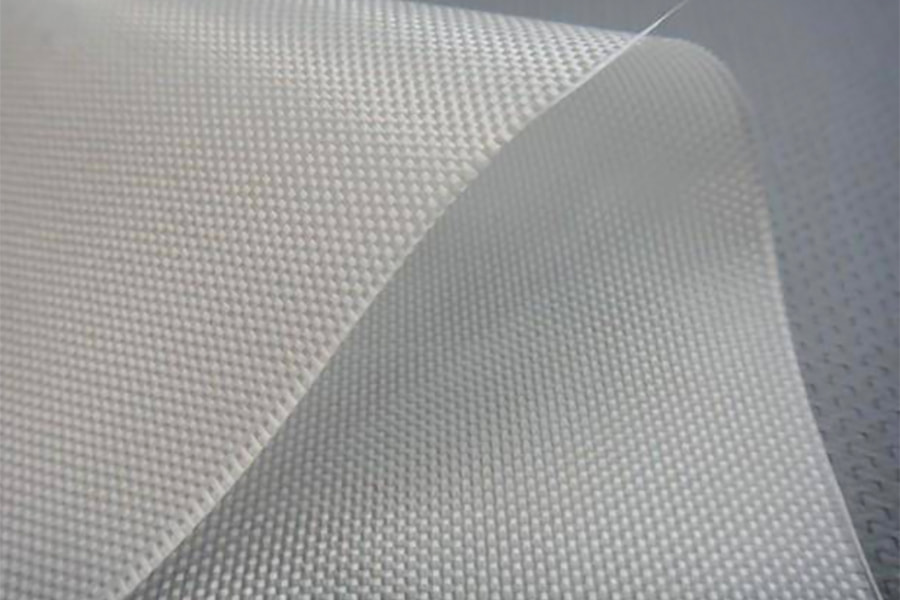
Leno weave fiberglass cloth is a woven fabric in which adjacent warp yarns are twisted around each other between picks of filling yarn, locking the structure into place. This interlocking geometry prevents yarn displacement and holds a stable open mesh even under handling and resin flow. The fabric is manufactured from continuous E-glass filaments and is supplied in roll form with mesh openings typically ranging from 2 mm to 25 mm, areal weights from 60 g/m² to 300 g/m², and thicknesses from 0.15 mm to 0.60 mm. Tensile strength ranges from 120 MPa to 260 MPa depending on construction. Leno cloth is used where resin transmission, air release, or dimensional locking is required, and it is compatible with epoxy, polyester, vinylester, and phenolic systems. Roll widths from 1000 mm to 2000 mm and roll lengths from 50 m to 200 m are available.

A Structure

Two warp systems are used. The ground warp runs straight, while the crossing warp passes alternately over and under the ground warp and the filling yarn. The result is a locked mesh with no yarn slippage in either direction.

B Mesh Geometry

Mesh aperture is controlled by the crossing frequency and warp spacing. Standard apertures are 2 × 2 mm, 5 × 5 mm, 10 × 10 mm, and 25 × 25 mm. Custom apertures can be produced to match resin flow requirements.

C Stability

Because the warp yarns are mechanically interlocked, the mesh resists distortion during cutting, handling, and lay-up. This removes the need for temporary binders or edge sealing in most processes.

Specification Range

Areal Weight 60 – 300 g/m²
Thickness 0.15 – 0.60 mm
Mesh Aperture 2 – 25 mm
Tensile Strength 120 – 260 MPa
Service Temperature –60°C to +550°C
Roll Width 1000 – 2000 mm
Roll Length 50 – 200 m
Resin Compatibility Epoxy / Polyester / Vinylester / Phenolic

Where Leno Construction Is Specified

Resin flow media Used as a distribution layer in vacuum infusion where the open mesh allows resin to travel laterally before wetting the structural plies.
Surface veils Applied as the outermost layer to control resin content at the surface and reduce print-through of heavier structural fabric beneath.
Plaster and render reinforcement Embedded in cementitious and gypsum systems where the locked mesh resists cracking and maintains position during troweling.
Filtration and separation Open mesh geometry is used in industrial filtration and as a release layer between laminate and tooling in some closed mold processes.
Insulation facing Applied over mineral wool and foam cores to provide a dimensionally stable facing that holds shape during handling and installation.

Processing Notes

Cutting Hot knife or ultrasonic cutting is preferred for open mesh to prevent yarn separation at the cut line. Rotary shears are acceptable for apertures below 5 mm.
Resin Content Due to the open construction, resin uptake is higher than for closed fabrics. Expect 120–200% resin-to-fiber ratio by weight in hand lay-up and 80–120% in vacuum infusion.
Lay-up The fabric holds its shape without tackifier in most conditions. For vertical surfaces, a light spray adhesive is sufficient to hold the mesh in position before resin application.
Storage Store rolls horizontally at 15–30°C and 40–60% RH. The open mesh can collect airborne dust, so keep rolls wrapped until use. Shelf life is 36 months in original packaging.

Frequently Asked Questions

Plain weave uses a one-over-one interlacement where warp and weft yarns cross at right angles. Leno weave adds a second warp system that twists around the ground warp, mechanically locking the structure. This gives leno cloth higher resistance to yarn displacement and shape distortion, but lower tensile strength per unit weight because the yarns follow a crimped path. Plain weave is used where strength is the primary requirement; leno weave is used where stability and openness are the primary requirements.

Leno cloth is generally not used as the primary structural layer because its open mesh provides lower fiber volume fraction and lower load-bearing capacity than closed fabrics. It is typically used as a surface veil, flow medium, or carrier layer in combination with structural fabrics such as plain or twill weave. In some applications, multiple layers of fine-mesh leno are stacked to build thickness, but the mechanical properties remain below those of equivalent-weight closed fabrics.

For vacuum infusion flow media, a mesh aperture of 5 mm to 10 mm is typical. Smaller apertures restrict resin flow and increase fill time. Larger apertures allow faster flow but may cause resin-rich areas or print-through on the surface. The selection should be based on resin viscosity, part size, and surface finish requirements. For large parts with low-viscosity resin, 10 mm aperture is a common starting point.

Yes. Leno cloth is supplied with silane sizing compatible with phenolic, epoxy, and vinylester systems. For phenolic resins, which release water during cure, the open mesh allows volatiles to escape more easily than closed fabrics, reducing void formation. For high-temperature applications above 400°C, confirm that the sizing and any binder used in the leno construction are rated for the service temperature.

Each shipment includes a certificate of analysis covering areal weight, mesh aperture, thickness, sizing type, and roll length. Lot numbers are recorded for traceability. Additional test data including tensile strength and resin compatibility statements can be provided on request for qualified accounts.

Jiaxing Jiete
Est. 2010 · Haining, Zhejiang · Fiberglass Fabric
Fiberglass Fabric Manufacturer
Clarity, strength,
and coating — woven in.

Since 2010 we've woven and coated fiberglass fabric to spec for customers who need both the physics and the finish to hold up.

opaquecoatedbase weavetranslucent
Light transmittance across our fabric & membrane range
About the mill
Zhijiang Industrial Park

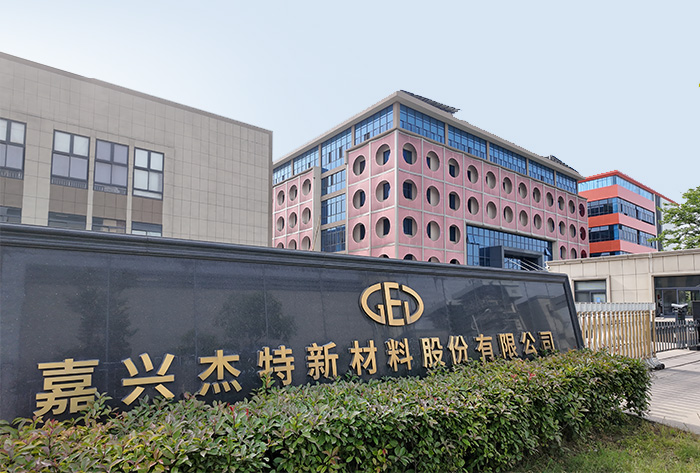
Jiaxing Jiete New Material Co., Ltd. is a professional manufacturer of fiberglass fabric, established in 2010 and based in Zhijiang Industrial Park, Haining City, Zhejiang Province — well connected for shipping worldwide.

We are China Leno Weave Fiberglass Cloth Manufacturers and Custom Leno Weave Fiberglass Cloth Suppliers. We weave fiberglass fabric and develop custom products to specification, running Karl Mayer warping-slashing lines, air-jet looms, Dornier rapier looms, and multiple coating lines under one roof.

Jiete fiberglass weaving and coating facility
Factory floor
150,000 m²
factory floor area
200+
people on staff
200
pieces of production equipment
Product portfolio
9 material lines
Standard and high-strength weaves, heat-resistant base fabric.
Type-E · base weave
Exceptional tensile strength and impact resistance.
Aramid · high tenacity
Fine, even mesh for agricultural and architectural screening.
Mesh · screening grade
Engineered for extreme or non-standard operating conditions.
Custom · engineered
High translucency, self-cleaning surface, long-span tensile use.
PTFE · tensile grade
Non-stick, chemical resistant across a wide thermal range.
-70°C to +260°C
Flexible, waterproof, with strong high-temperature insulation.
Silicone · flexible
Durable, flame-retardant, and weatherproof for outdoor use.
PVC · flame-retardant
PU, acrylic, and other custom coatings available on request.
PU / acrylic · custom
Built to your drawing, not our catalogue

Send us a requirement outside the standard range and our R&D team will design the weave, finish, and coating around it — from first sample through to production volume.

Since 2010, on a foundation of careful management and steady reinvestment, Jiete has built a position in the global fiberglass fabric trade and long-standing partnerships across it. We'd welcome the chance to host you at the mill.

Recommended LINKS