

 English
 中文简体
中文简体
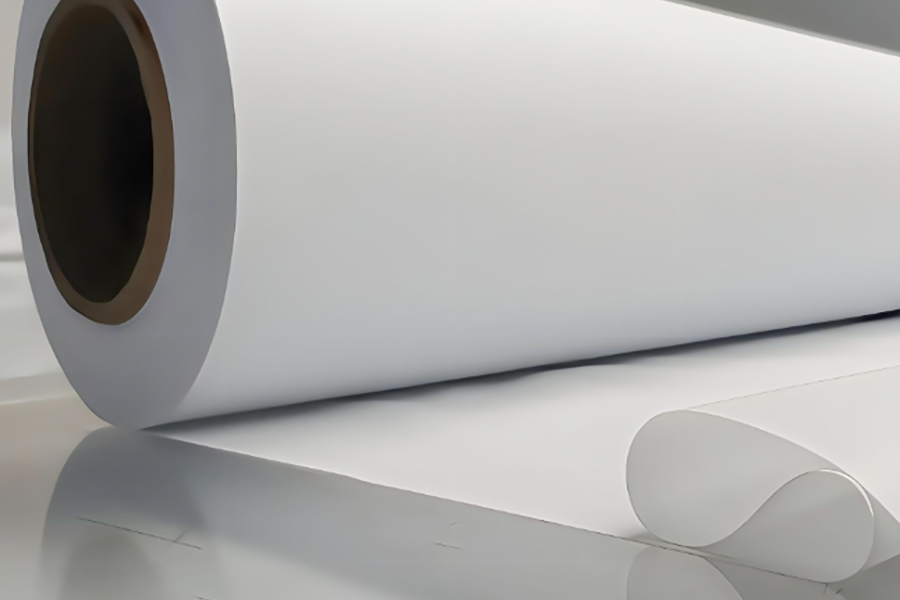
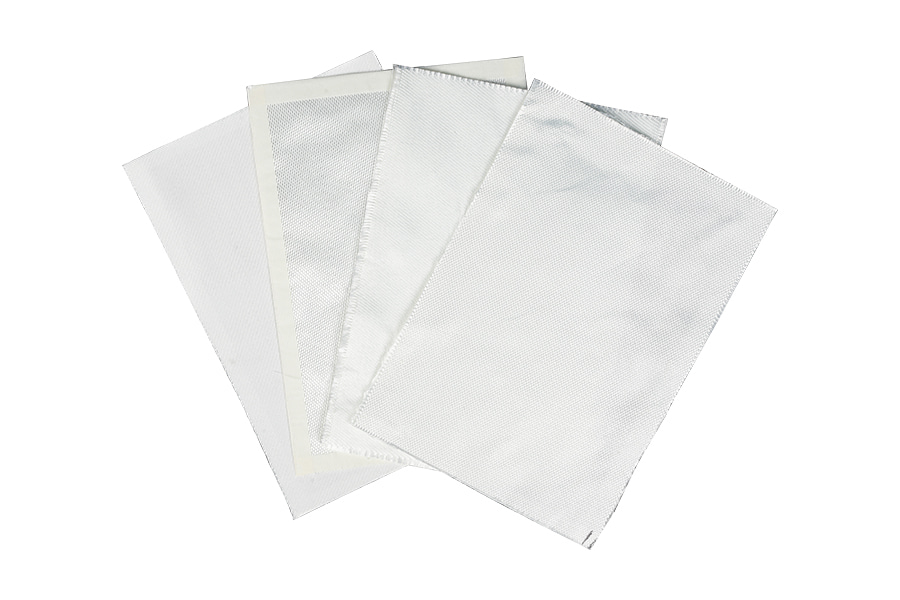
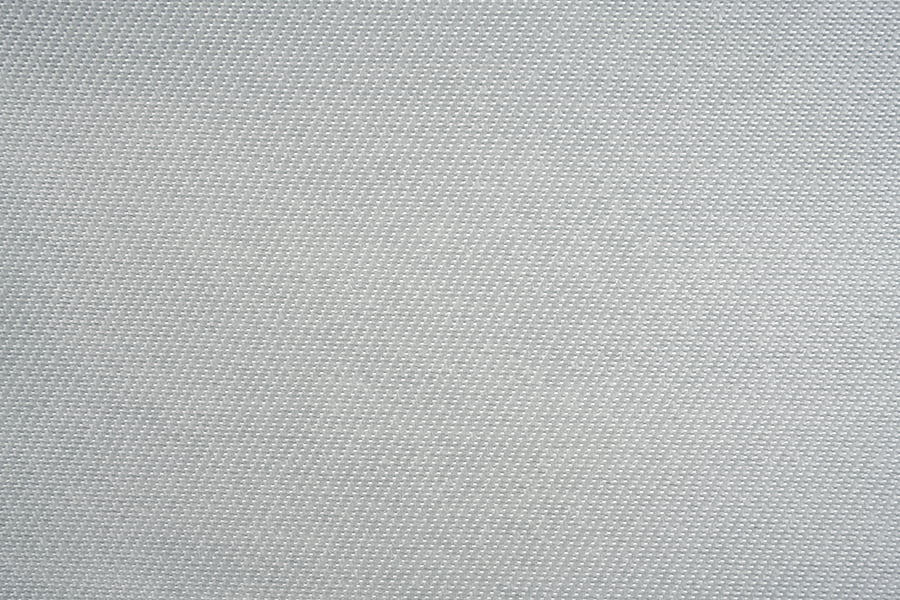

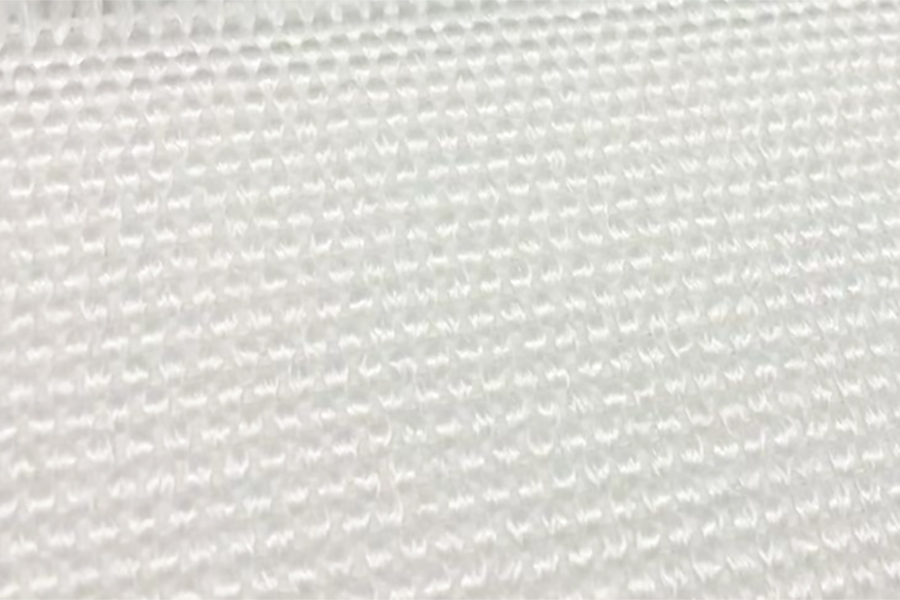
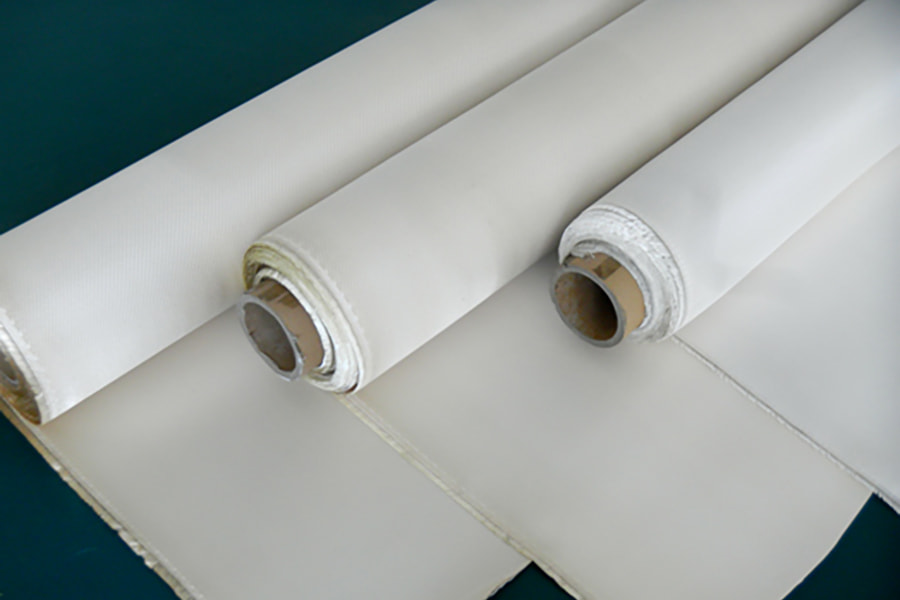
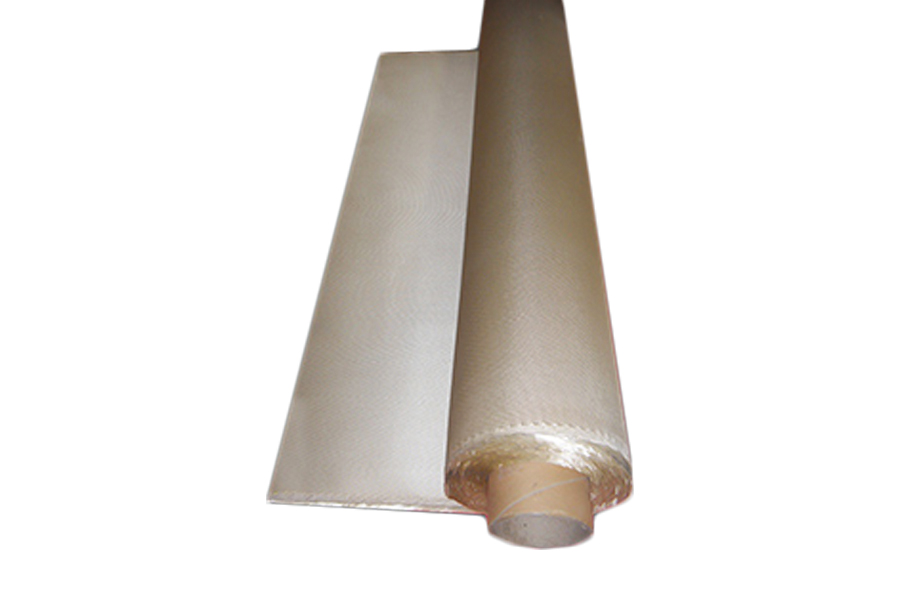
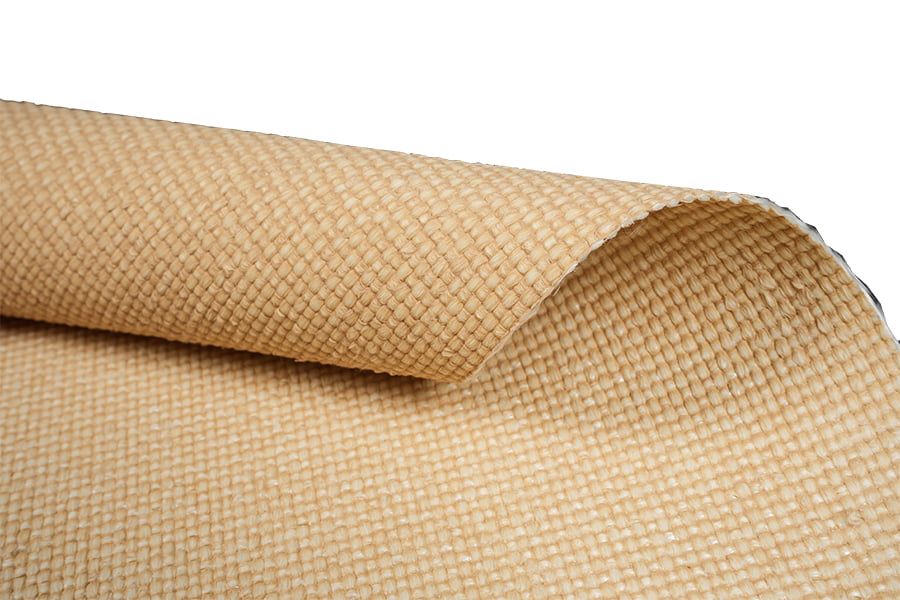
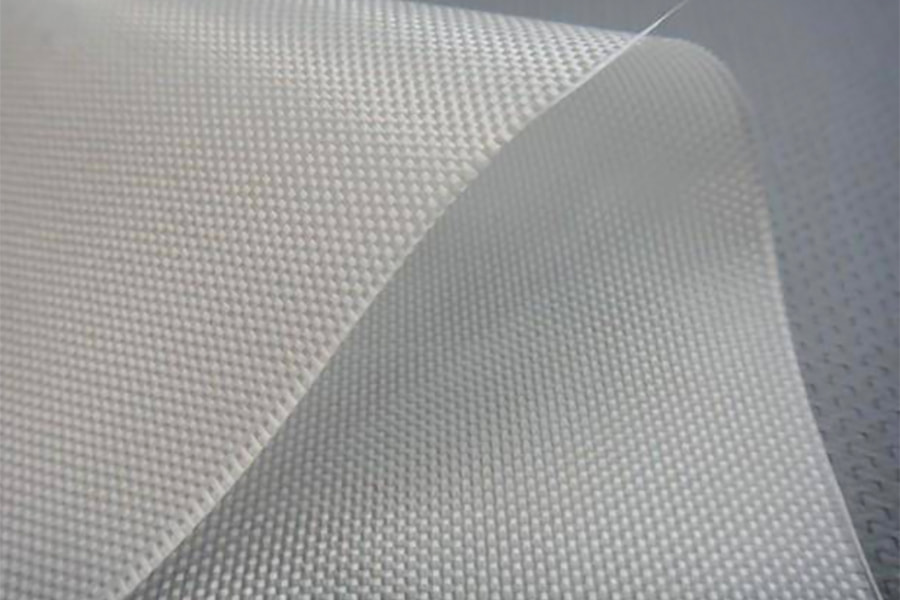
double plain fiberglass cloth
Double plain fiberglass cloth is a woven fabric construction in which two warp systems and two weft systems interlace in a plain pattern, producing a fabric with two distinct faces and higher areal weight per layer than single plain weave. The doubled yarn architecture increases thickness and dimensional stability while preserving the balanced mechanical behavior of a plain weave. The fabric is woven from continuous E-glass filaments and is supplied in areal weights from 400 g/m² to 900 g/m² and thicknesses from 0.40 mm to 0.90 mm. Tensile strength ranges from 340 MPa to 450 MPa depending on construction and resin system. Double plain fiberglass cloth is compatible with epoxy, polyester, vinylester, and phenolic resins and is supplied in roll widths from 1000 mm to 1500 mm and roll lengths from 25 m to 80 m.
Structural Behavior
The doubled yarn construction increases laminate thickness per ply, reducing ply count in thick sections and simplifying lay-up schedules. Balanced plain interlacement maintains equal warp and weft properties, avoiding directional bias in the finished laminate.
Dimensional Stability
Double plain weave resists yarn displacement and edge fraying more effectively than single plain weave at equivalent weight. The interlocked structure holds ply geometry during cutting, kitting, and handling in production environments.
Resin Uptake
Dense yarn packing reduces void content and controls resin demand per unit thickness. In vacuum infusion, fiber volume fraction typically reaches 55 to 58 percent, comparable to single plain weave at similar weight.
Surface Profile
The plain interlacement produces a uniform surface with moderate texture. Print-through is similar to standard plain weave, making the fabric suitable for industrial laminates where surface finish requirements are functional rather than cosmetic.
Supply Specification
Production Notes
Double plain weave holds its shape well during cutting. Use standard shears or rotary cutters. Edge fraying is minimal, but edge tape is recommended for plies that will be handled extensively before lay-up.
The fabric drapes moderately well over simple curves and flat surfaces. For compound curves, orient on the bias or use narrower ply widths to reduce bridging. Avoid forcing the fabric into tight radii where weave distortion could occur.
Resin flow is slower than single plain weave at equivalent thickness due to doubled yarn density. For vacuum infusion, use resin viscosity of 150 to 250 cP at 25°C and verify fill time on trial panels. Debulk every two plies in thick laminates.
Store rolls horizontally at 15 to 30°C and 40 to 60 percent RH. Keep rolls wrapped to protect the fabric from dust and moisture. Shelf life is 36 months in original packaging. Inspect rolls before use for weave distortion or edge damage.
Procurement and Engineering FAQ
Double plain weave uses two warp systems and two weft systems interlaced in a plain pattern, producing a thicker and heavier fabric per layer than standard single plain weave. The doubled yarn architecture increases areal weight and thickness while maintaining the balanced mechanical behavior of a plain weave. This reduces ply count in thick laminates and simplifies lay-up schedules for heavy structural sections.
In epoxy laminates at 55 percent fiber volume, double plain fabric typically achieves tensile strength of 340 to 450 MPa, flexural modulus of 26 to 30 GPa, and interlaminar shear strength of 45 to 55 MPa. Properties are balanced between warp and weft directions due to the symmetrical plain interlacement. Fatigue performance is comparable to standard plain weave at equivalent fiber volume.
Standard MOQ is 400 kg per width and weight specification. Stock widths of 1000 mm and 1270 mm in 400 to 600 g/m² ship from inventory within 5 to 10 business days. Heavier weights and custom widths typically require 3 to 5 weeks depending on order volume and sizing requirements.
Yes, but resin flow is slower than single plain weave at equivalent thickness due to the higher yarn density. Use resin viscosity of 150 to 250 cP at 25°C, apply a flow medium on the top surface, and verify fill time on trial panels before production. For thick laminates, debulk every two plies to maintain even compaction and avoid resin-rich zones.
Each shipment includes a certificate of analysis covering areal weight, thickness, weave configuration, sizing system, and roll length. Lot numbers are recorded for traceability. Additional test data including tensile strength, flexural modulus, and resin compatibility statements can be provided on request for qualified accounts.