


 English
 中文简体
中文简体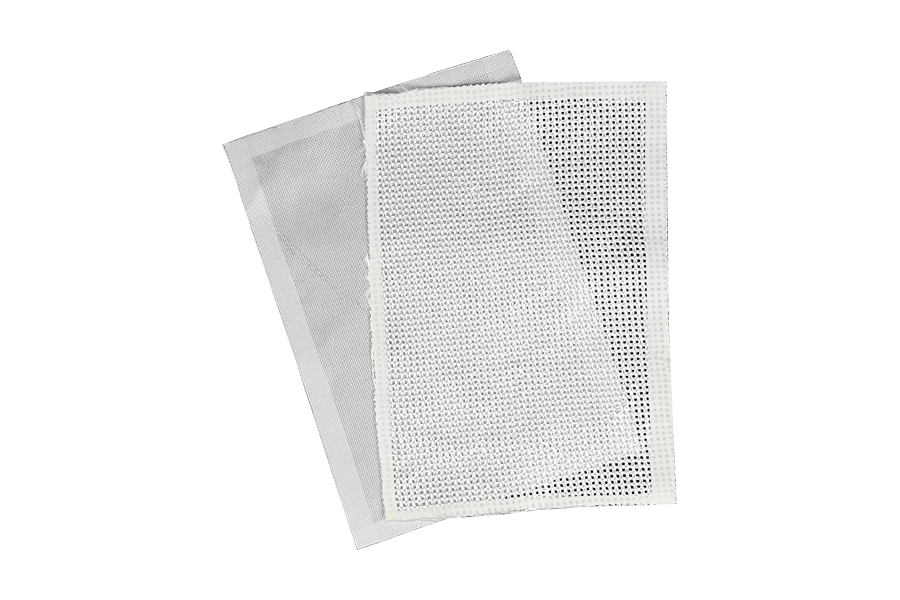
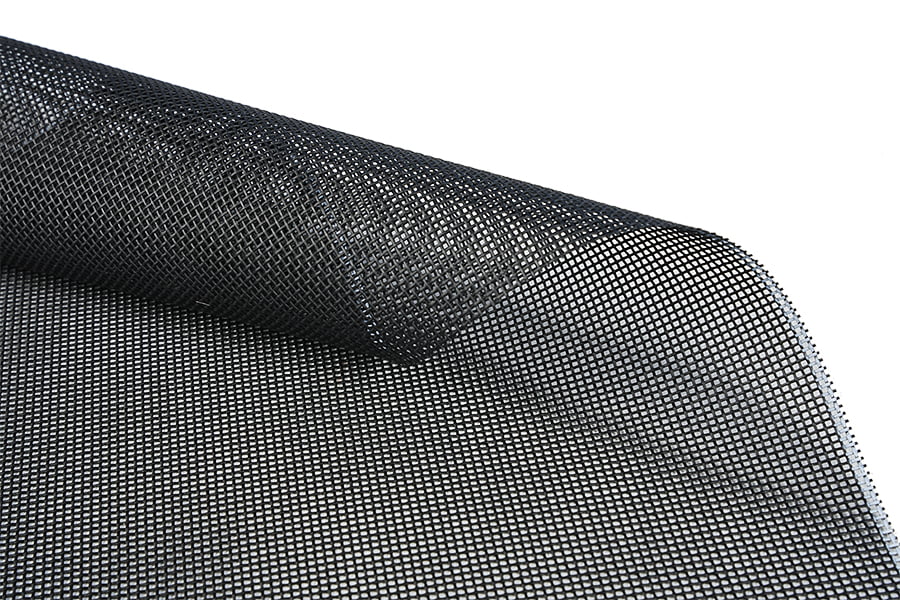
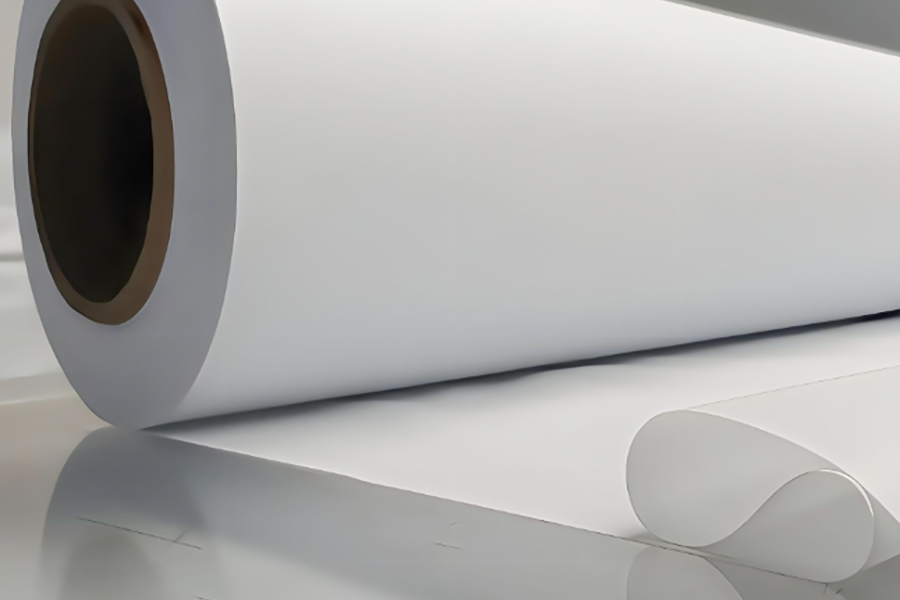
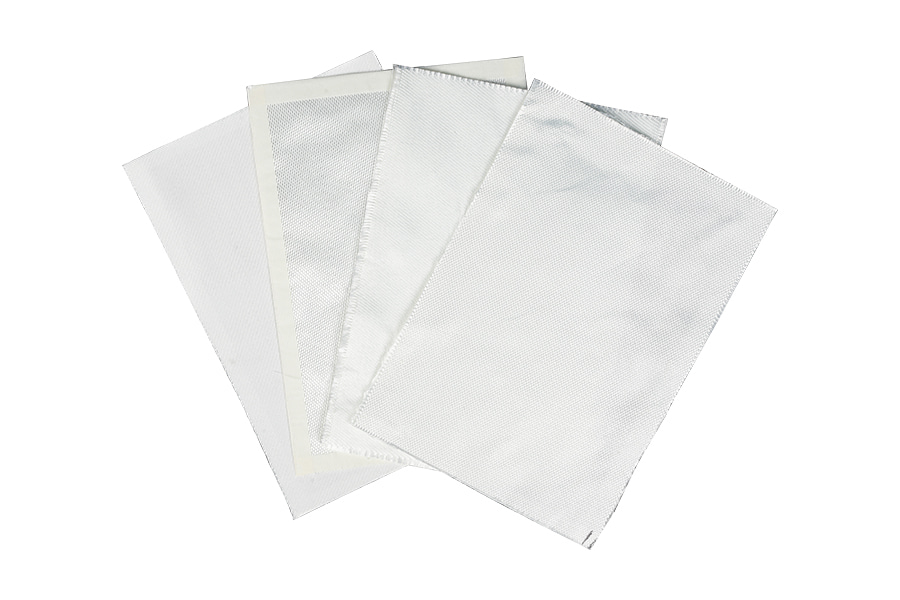
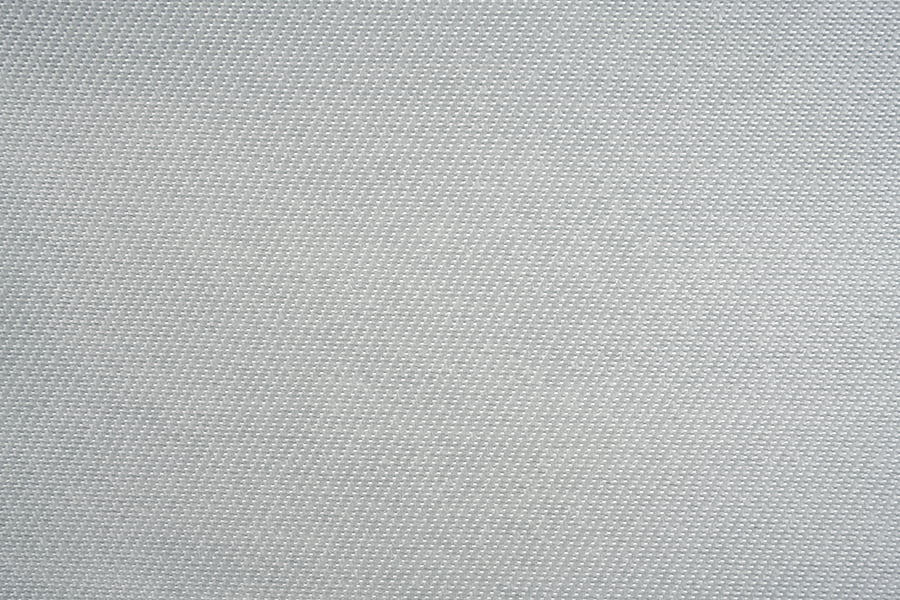

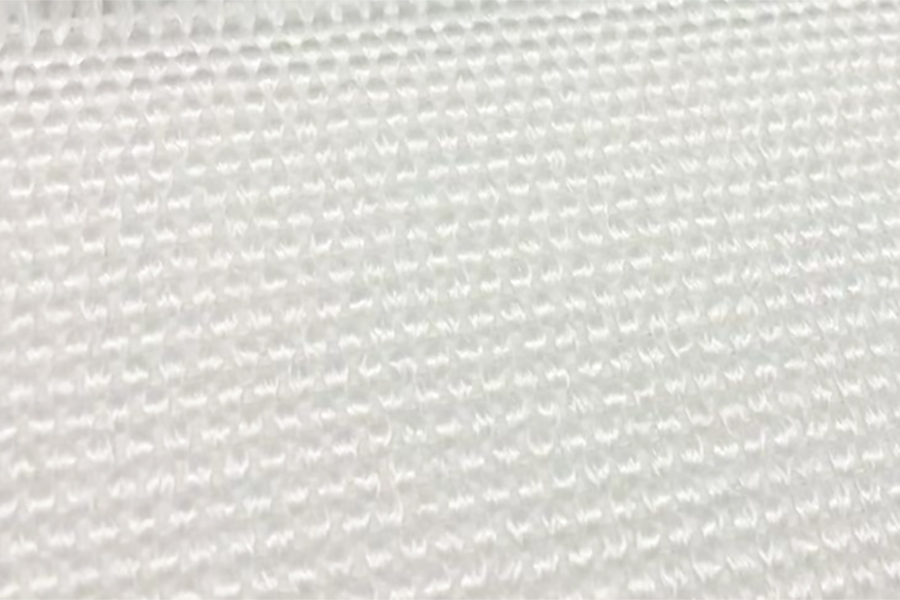
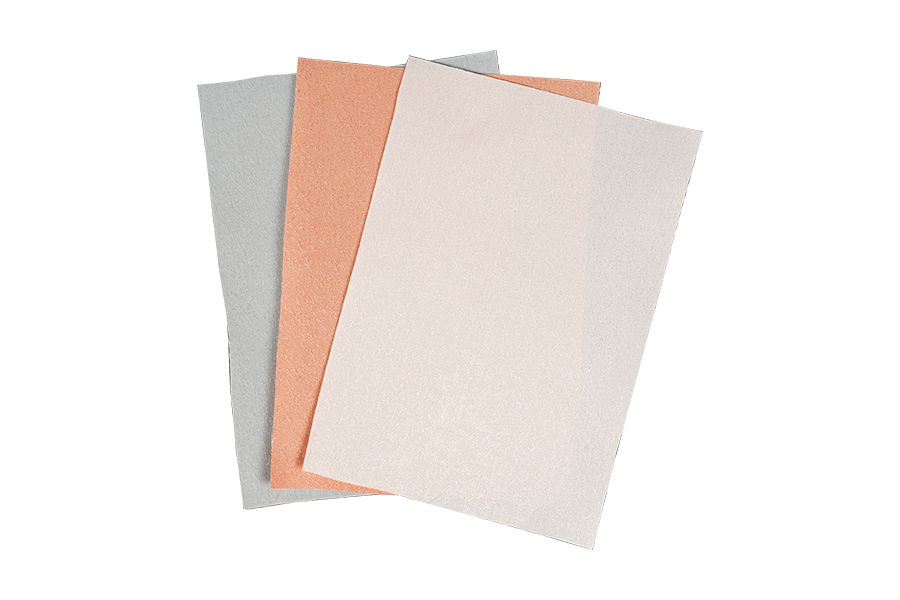
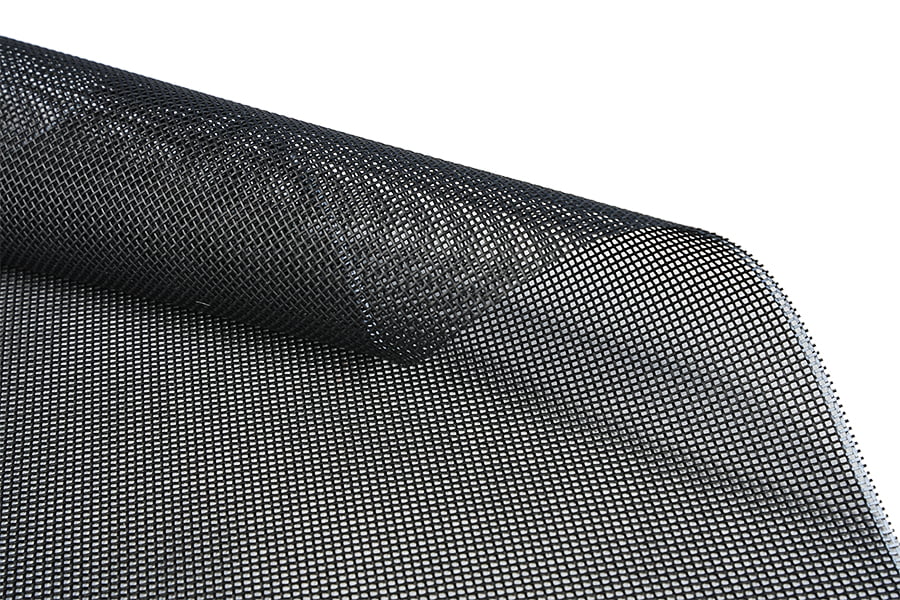
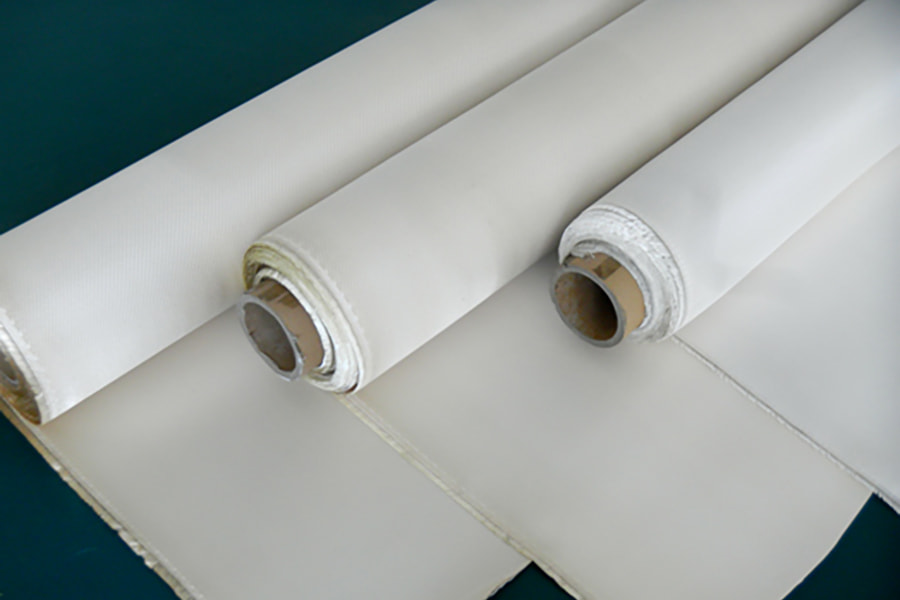
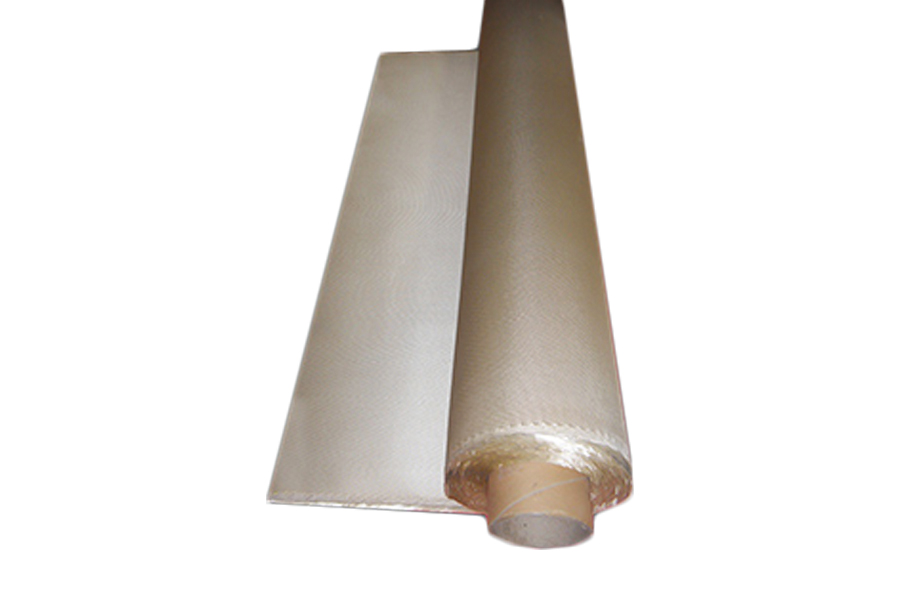
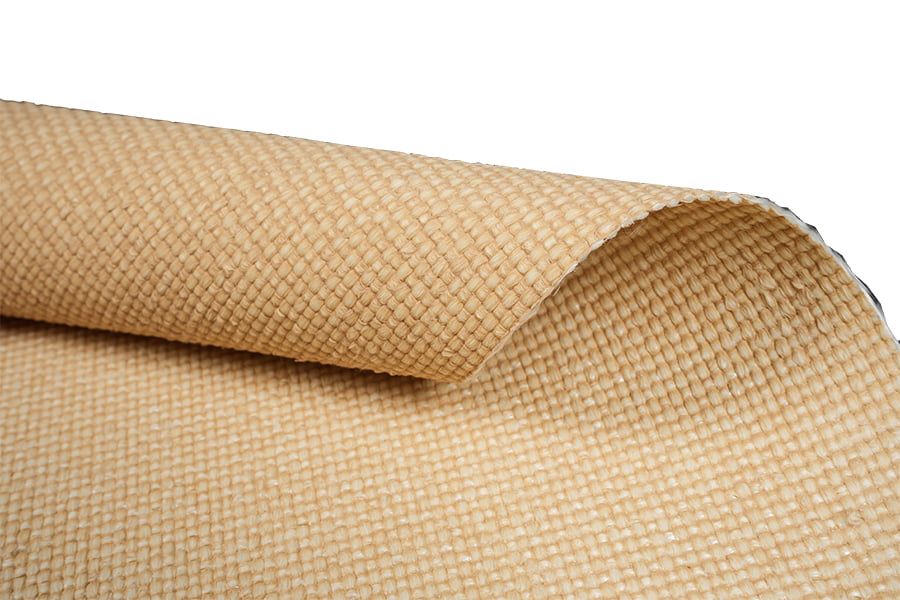
Ultra thin glass fiber cloth is manufactured from micro tex E-glass yarns with very low filament diameter, producing a fabric with a nominal thickness below 0.10 mm and a smooth surface with minimal texture amplitude. The low cross-section per ply supports precise laminate buildup in thin skins, surfacing layers, and dielectric substrates where total thickness tolerance and surface finish are both critical. The fabric is supplied in areal weights from 15 g/m² to 80 g/m² and thicknesses from 0.015 mm to 0.08 mm. Tensile strength ranges from 120 MPa to 240 MPa depending on construction and resin system. Ultra thin glass fiber cloth is compatible with epoxy, polyester, vinylester, and phenolic resins, and is also used with cyanate ester and PTFE systems for high-frequency substrates. Roll widths from 1000 mm to 1300 mm and roll lengths from 100 m to 500 m are standard.
Surface Grade Performance
The low filament diameter and tight weave reduce surface texture amplitude to a fraction of standard weave fabric at equivalent weight. Print-through in gelcoat and paint is significantly reduced, cutting sanding and filling operations from visible-surface finishing schedules. The fabric also wets out rapidly in thin sections, reducing void content and improving surface consistency across large part surfaces.
Thin Section Buildup
Each ply adds less than 0.10 mm to the laminate, allowing precise control of total thickness. This supports tight tolerance parts such as dielectric substrates, precision skins, and thin structural inserts. Low bending stiffness also improves conformability to sharp radii and complex contours without wrinkling or bridging.
Dielectric Consistency
Uniform yarn distribution and low void content support stable dielectric constant and low dissipation factor in high-frequency substrates. The fabric is compatible with low-loss resin systems including PTFE, cyanate ester, and hydrocarbon-based laminating resins used in radar, antenna, and RF circuit board constructions.
Composite Repair and Overlay
Thin reinforcement plies allow local repair and overlay work with minimal added thickness. This is particularly relevant where repair buildup must match the surrounding laminate without visible surface steps, such as in automotive, aerospace, and high-end marine finishing applications.
Supply Specification
Qualified Application Segments
Production Notes
Ultra thin fabric is sensitive to edge deformation. Use sharp rotary cutters, laser cutting, or ultrasonic cutting systems. Apply low-tack edge tape if the fabric will be transported before lay-up.
Low bending stiffness supports conformability to sharp radii and complex contours. Avoid over-stretching on complex molds, which can distort the fine weave and cause local resin-rich zones.
Rapid wet-out due to small filament diameter. Use resin viscosity of 100 to 250 cP at 25°C. Avoid excessive flow medium placement, which can draw resin away from the thin fabric and cause dry spots.
Store rolls horizontally at 15 to 30°C and 40 to 60 percent RH. Keep rolls wrapped to protect the micro tex yarns from dust and mechanical damage. Shelf life is 24 months in original packaging.
Procurement and Engineering FAQ
Ultra thin cloth is a subset of fine weave cloth produced with micro tex yarns and very low areal weight, resulting in thickness below 0.10 mm. Fine weave cloth spans a wider weight range up to 200 g/m² and is used both as a surfacing ply and as a thin structural layer. Ultra thin cloth is specified when the total ply thickness must remain below 0.10 mm and surface texture amplitude is the primary quality metric.
Ultra thin cloth is generally not used as the primary structural layer because of the low areal weight and thin cross-section. It is specified as a surfacing ply, dielectric layer, or repair overlay in combination with heavier structural fabric. Multiple plies can be stacked, but the total ply count increases compared with heavier fabric at equal thickness.
Standard MOQ is 150 kg per width and weight specification. Stock widths of 1000 mm and 1150 mm in the 15 to 50 g/m² range ship from inventory within 5 to 10 business days. Lighter weights, wider rolls, and custom sizing systems typically require 4 to 6 weeks depending on order volume.
Yes, but resin flow management requires attention. Ultra thin fabric wets out rapidly and can be starved if flow medium is placed incorrectly. Use resin viscosity of 100 to 250 cP at 25°C, verify flow balance on trial panels, and avoid excess vacuum pressure that can draw resin away from the thin fabric.
Each shipment includes a certificate of analysis covering areal weight, thickness, yarn type, sizing system, and roll length. Lot numbers are recorded for traceability. Additional test data including tensile strength, dielectric properties, and resin compatibility statements can be provided on request for qualified accounts.