

 English
 中文简体
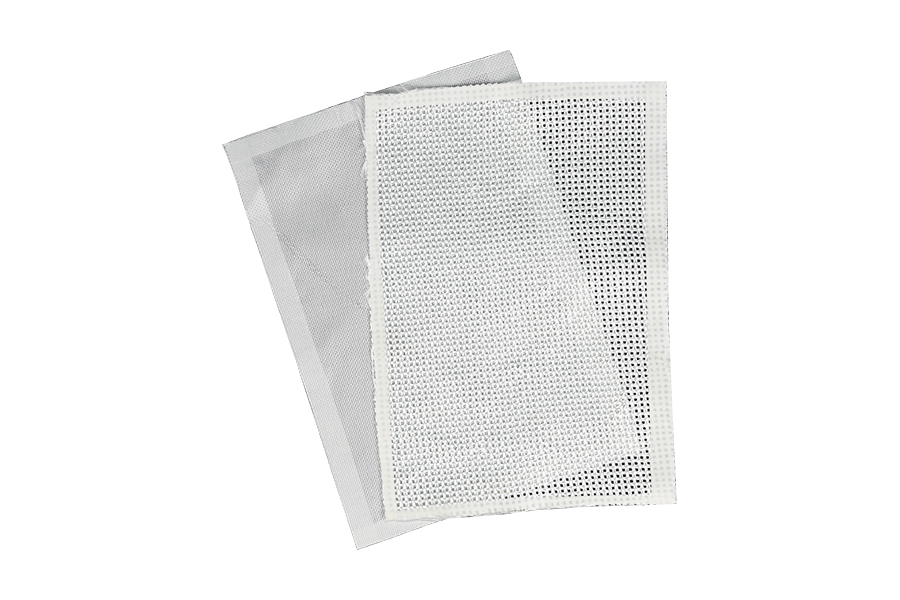
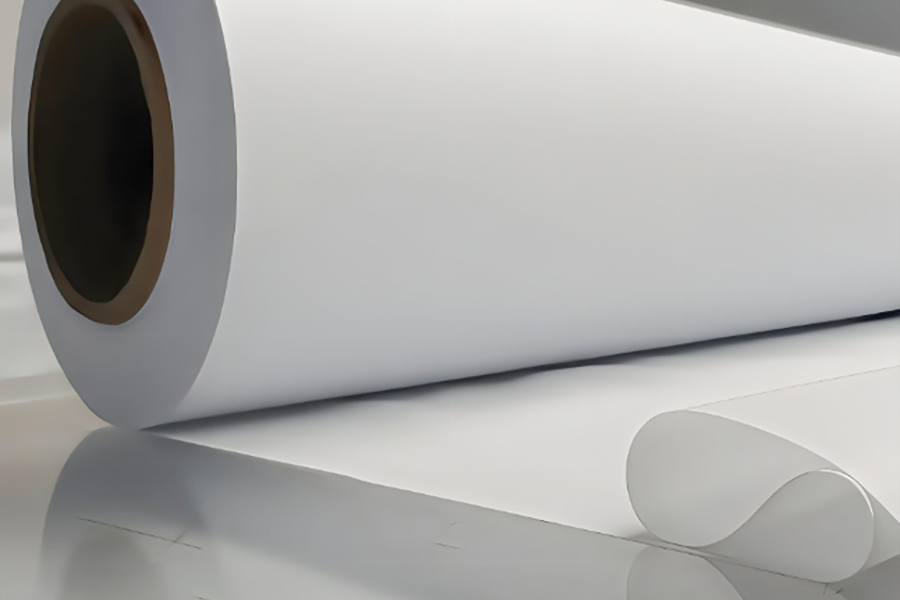
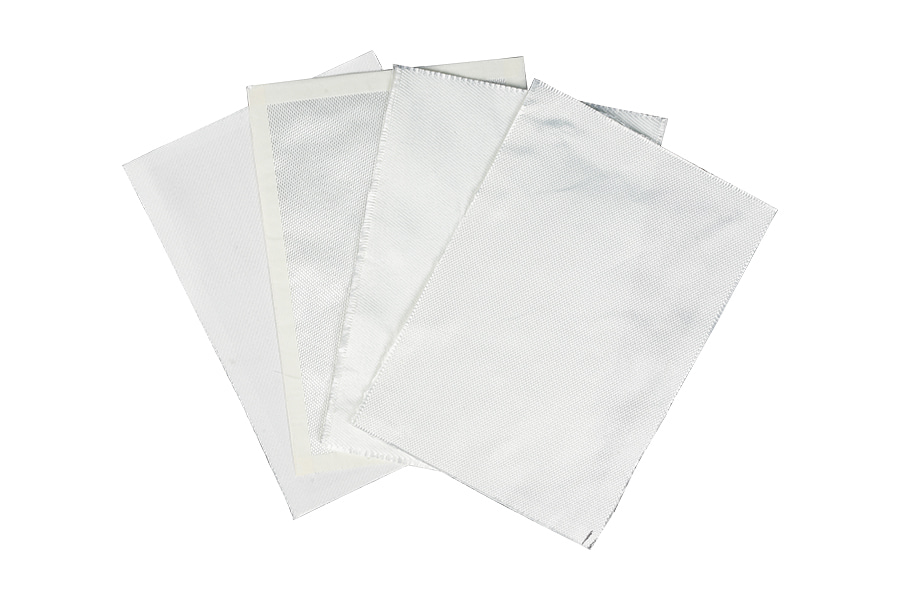
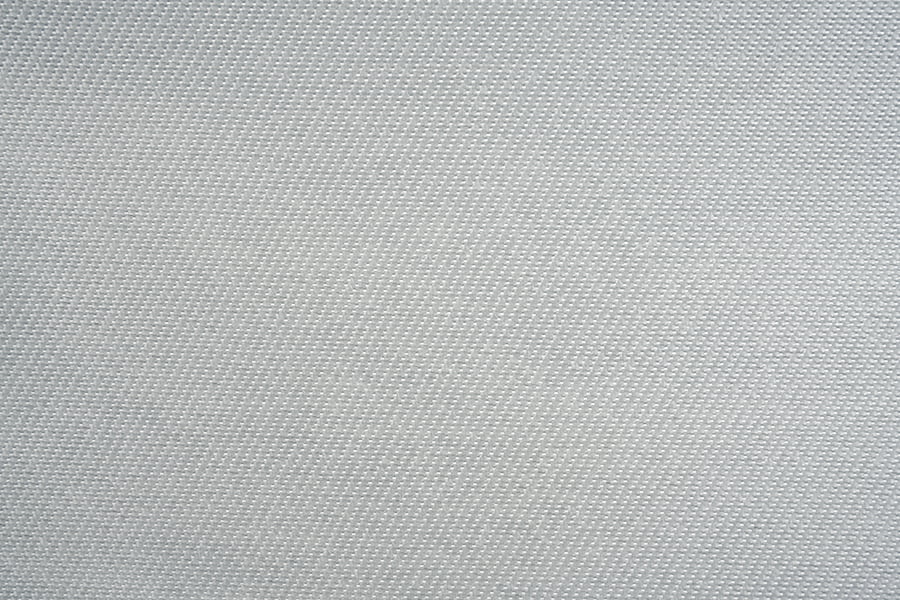
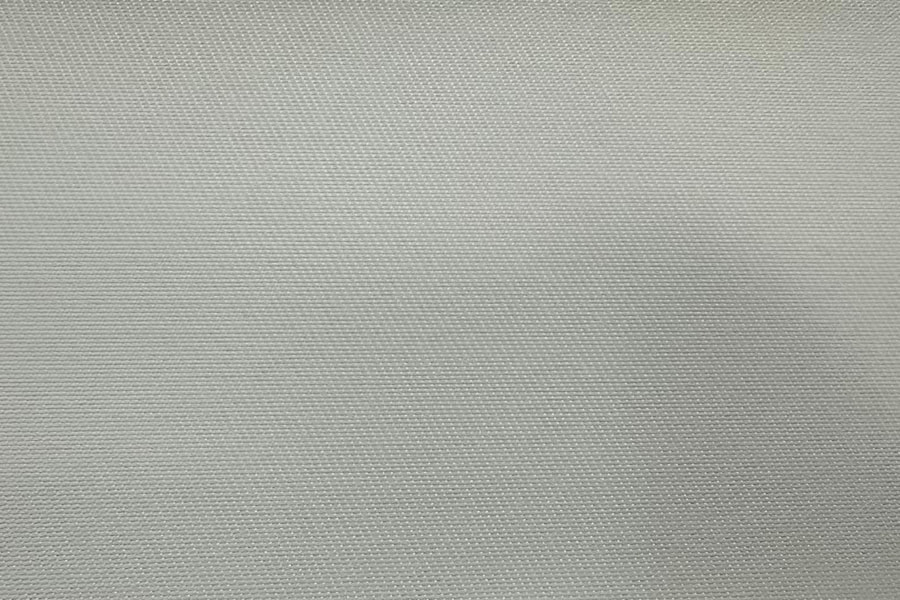
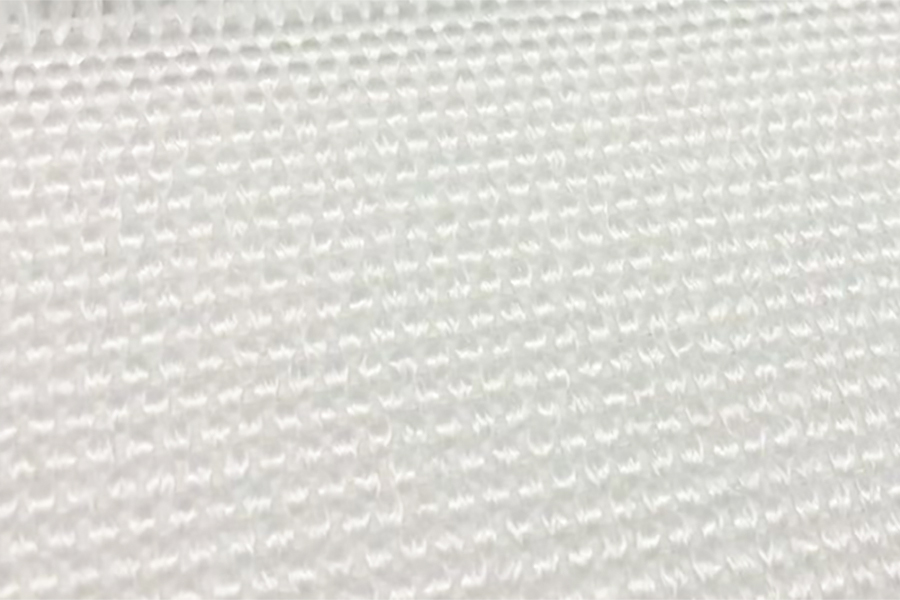
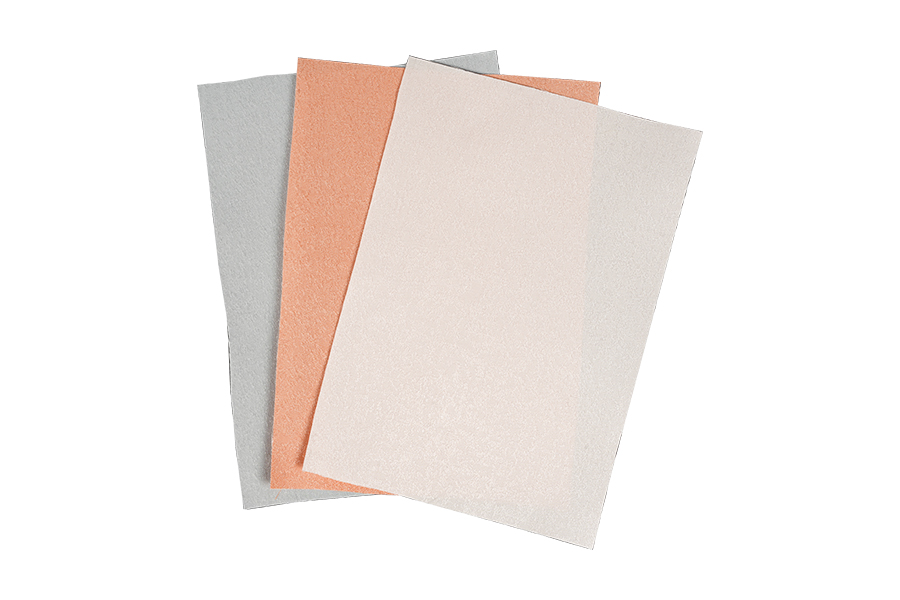
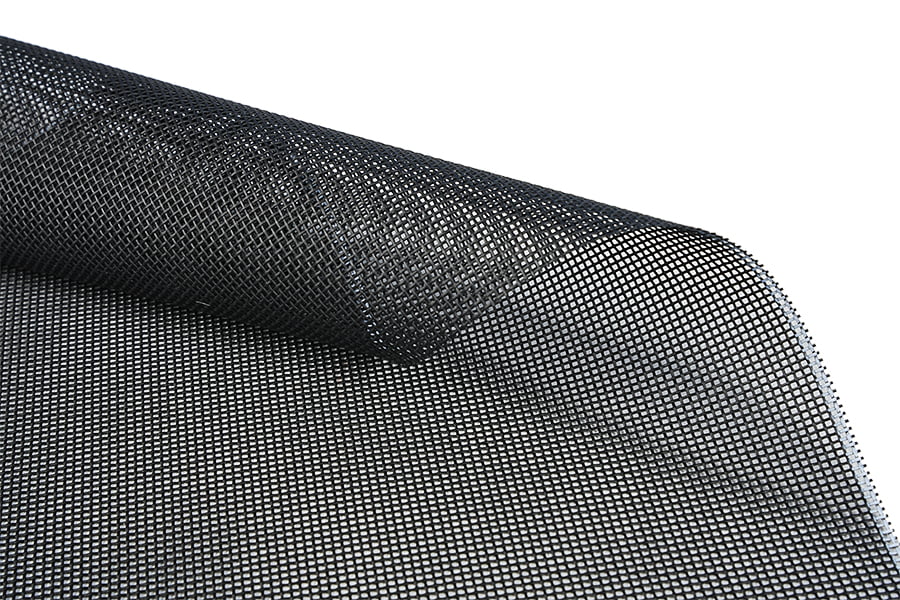
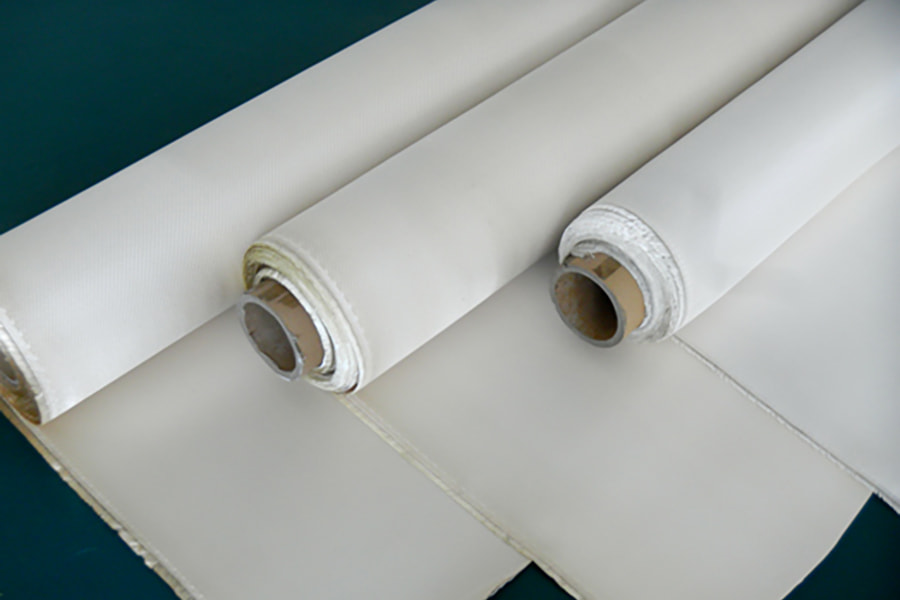
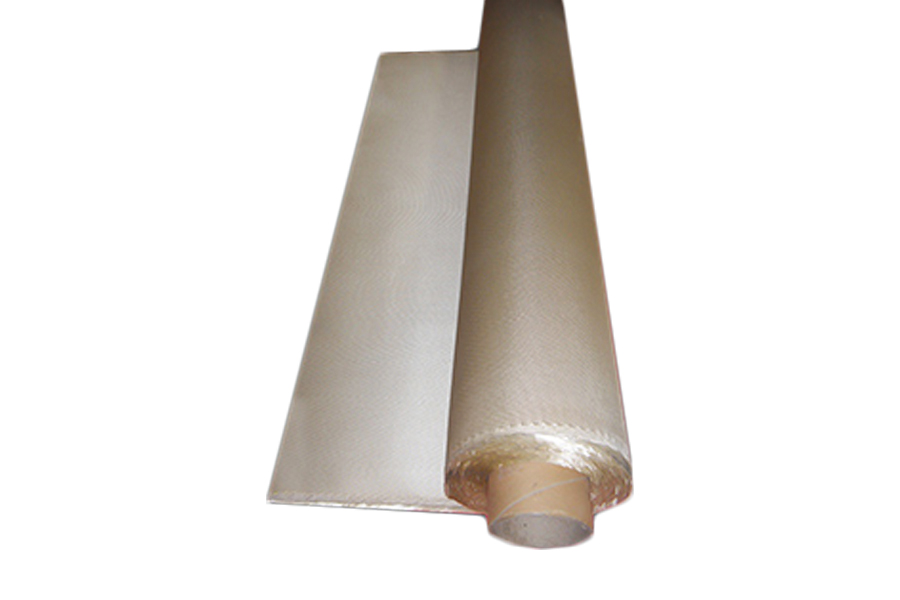
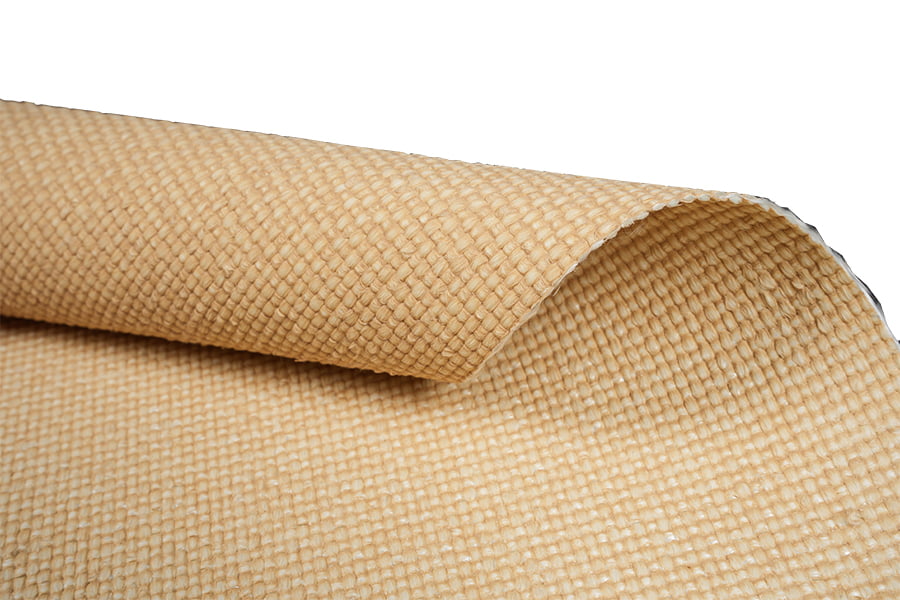
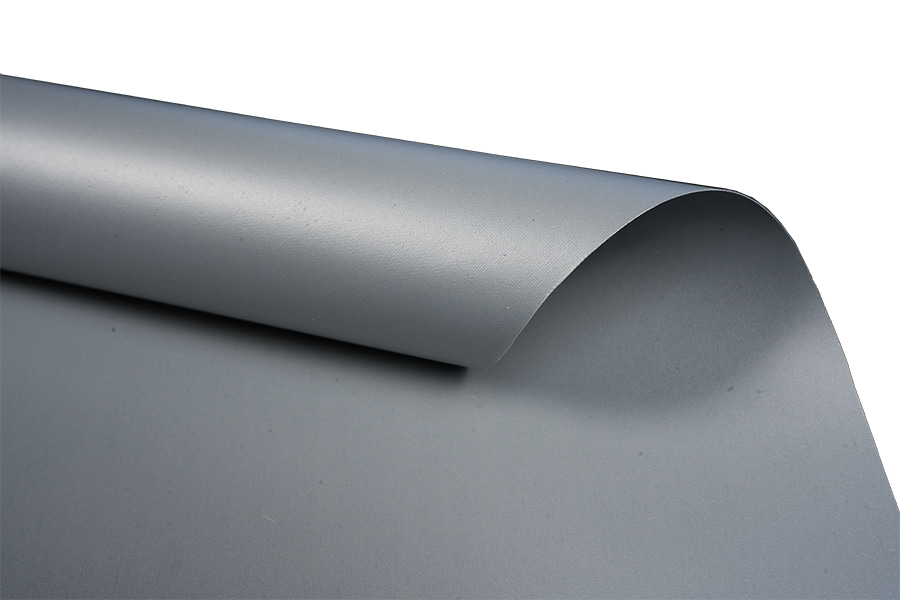
Low Areal Weight Glass Fiber Cloth
A lightweight woven reinforcement fabric for thin composite laminates, surface layers, and weight-sensitive industrial components. Fabric specifications can be selected according to laminate design, resin compatibility, and processing requirements.
LIGHTWEIGHT FABRIC CONSTRUCTION / COMPOSITE PROCESSINGProduct Introduction
Low Areal Weight Glass Fiber Cloth is a lightweight woven reinforcement fabric manufactured from fine glass fiber yarns. Its defining characteristic is a relatively low mass per unit area, commonly expressed in grams per square meter (GSM). This construction allows manufacturers to incorporate glass fiber reinforcement into thin composite laminates without adding as much fabric weight as heavier reinforcement materials.
The fabric is formed by interlacing glass fiber yarns in warp and weft directions. Depending on yarn specifications, weave pattern, and fabric density, it can provide different levels of flexibility, surface coverage, and directional reinforcement. When combined with a compatible resin system, the material becomes part of a composite laminate used in lightweight panels, molded components, surface reinforcement, and industrial fabrication.
For B2B manufacturers, this material is relevant to production processes where laminate thickness, material consumption, component weight, and surface finish need to be controlled. Fabric weight, width, weave construction, and surface treatment should be selected according to the finished product design and manufacturing method.
Core Advantages
Lower Material Weight Per Unit Area
A lower GSM specification reduces the amount of dry reinforcement fabric used per square meter. This is relevant to composite designs where fabric mass is a controlled part of the total component weight.
Thin Laminate Construction
Lightweight fabric can be incorporated into thin composite layers where a heavy reinforcement structure is not required. The final laminate thickness depends on the number of layers, resin content, and consolidation process.
Flexible Material Handling
Fine woven constructions can provide flexibility during cutting, positioning, and forming. Actual drapability depends on weave geometry, yarn arrangement, and component shape.
Surface Layer Reinforcement
The material can be selected for surface plies and thin reinforcement layers in composite products. It helps introduce glass fiber reinforcement without requiring a heavy fabric layer.
Resin-Based Composite Integration
Compatible lightweight fabric constructions can be impregnated with resin for composite manufacturing. Resin selection, sizing, and fabric openness should be evaluated together to support suitable wet-out.
Material Consumption Control
GSM provides a measurable basis for calculating dry fabric consumption during production planning. It helps purchasing teams estimate reinforcement requirements for a defined component area and laminate schedule.
Product Features
Fabric Parameters
The following construction factors determine how the material behaves during composite processing and how it contributes to the finished laminate.
Grams per square meter is the primary measurement used to define the fabric's areal weight.
Low Areal Density
The fabric has a relatively low mass per unit area compared with heavier reinforcement fabrics. The actual GSM range should be confirmed from the available product specifications.
Fine Glass Fiber Yarns
Glass fiber yarns form the basic reinforcement structure. Yarn type, filament arrangement, and linear density influence fabric thickness, density, and handling properties.
Weave Pattern Selection
Plain weave and twill weave are possible constructions depending on the manufacturing range. Their different interlacing patterns influence fabric stability, flexibility, and draping behavior.
Warp and Weft Distribution
The arrangement and density of yarns in both directions influence the fabric's directional reinforcement characteristics. Balanced or asymmetric constructions can be evaluated according to laminate design.
Resin Impregnation Behavior
Fabric openness, yarn structure, sizing, and resin viscosity influence impregnation. The selected material should be tested under the intended hand lay-up, infusion, or other compatible process.
Surface Treatment and Sizing
Surface treatment can influence fiber-resin interaction. The appropriate sizing should be selected according to the resin chemistry and intended composite manufacturing process.
Roll Dimensions and Fabric Width
Fabric width, roll length, edge condition, and dimensional tolerance are important for cutting efficiency and production planning. Available dimensions should be confirmed before order placement.
Applications
Thin FRP Laminates
Used in the production of thin fiberglass-reinforced plastic laminates where reinforcement is needed without introducing excessive dry fabric mass. Manufacturers can select fabric GSM and layer quantities according to panel design.
Composite Surface Layers
Can be used as a surface reinforcement layer in composite panels, molded products, and laminated structures. Fine fabric construction can help create a more uniform reinforcement layer, depending on the selected weave and resin system.
Marine and Recreational Products
Suitable for evaluating lightweight reinforcement in selected boat components, surfboards, model structures, and recreational composite products. The required fabric weight depends on the structural design and service loads.
Aerospace Modeling and UAV Components
Lightweight woven fiberglass fabric can be incorporated into model aircraft structures, UAV housings, and other weight-sensitive composite components. Fabric orientation and resin content should be controlled to meet the intended design requirements.
Electrical Insulation Components
Can be evaluated as a glass fiber reinforcement layer in selected resin-based electrical insulation laminates and insulating components. Electrical performance depends on the complete material system and finished laminate specifications.
Industrial Composite Products
Used in selected lightweight composite housings, covers, protective panels, and fabricated components where a thin glass fiber reinforcement layer is required. Material selection should match the component's mechanical and processing requirements.
Manufacturing and Supply Capabilities
Manufacturing lightweight glass fiber cloth requires coordination between yarn selection, weaving parameters, fabric weight control, inspection, and packaging. For industrial orders, the approved material specification should define the requirements that need to remain consistent across production batches.
Glass Fiber Yarn Preparation
Yarn type and linear density should be selected according to the target fabric weight, weave construction, and intended application. Material consistency is important when producing lightweight textile structures.
Weaving Parameter Control
Warp and weft yarn arrangements, thread density, and weave pattern determine the fabric structure. These parameters need to be coordinated to achieve the specified areal weight and fabric construction.
Product Specification Adjustment
Available fabric weight, width, weave pattern, yarn configuration, and surface treatment can be reviewed against customer requirements. Custom production feasibility depends on equipment capability and order quantity.
Fabric Weight and Surface Inspection
Inspection may include GSM measurement, width verification, weave consistency, yarn distribution, surface defects, and roll dimensions. Testing methods and acceptance limits should be agreed upon before production.
Roll Preparation and Shipment
Roll length, core dimensions, protective wrapping, labeling, and packaging can be coordinated according to purchasing and export requirements. Packaging specifications should be confirmed before shipment.
B2B Buyer Considerations
What Should Buyers Confirm Before Ordering?
Low areal weight fabric selection requires more than comparing GSM values. Buyers should consider the relationship between fabric construction, resin consumption, finished laminate thickness, and the mechanical requirements of the final component.
Areal Weight and Tolerance
Confirm the target GSM, acceptable weight variation, and measurement method. Small differences in areal weight can affect material consumption and laminate design calculations.
Weave and Mechanical Requirements
Specify the weave pattern and required warp and weft properties. A lightweight fabric should be evaluated against the actual reinforcement requirements rather than selected by weight alone.
Resin and Processing Compatibility
Provide the resin type and intended production process. Fabric sizing, weave openness, and impregnation behavior should be evaluated together before bulk procurement.
Sample and Quality Verification
Request a sample when available and check GSM, fabric dimensions, weave consistency, and resin wet-out behavior. Define the quality acceptance criteria before confirming the production order.
MOQ and Delivery Arrangements
Confirm minimum order quantity, production lead time, roll packaging, and delivery arrangements based on the selected specifications and order volume.
Frequently Asked Questions
What does low areal weight mean in glass fiber cloth?
Low areal weight means that the fabric has a relatively low mass per unit area, generally measured in grams per square meter (GSM). This indicates how much dry reinforcement material is present in a defined area. A lower GSM fabric can help reduce the dry reinforcement mass in a laminate, but the final component weight also depends on resin content, layer count, and other materials.
How does fabric GSM affect the finished composite laminate?
GSM affects the amount of dry glass fiber reinforcement added by each fabric layer. Lower fabric weight generally contributes less reinforcement mass per layer and may support thinner laminate designs. However, laminate strength, stiffness, thickness, and total weight depend on fiber orientation, resin ratio, layer arrangement, and curing conditions. GSM should therefore be selected as part of the complete laminate design.
What is the difference between low areal weight cloth and standard fiberglass cloth?
The primary difference is the mass of reinforcement fabric per unit area. Low areal weight cloth uses less dry glass fiber material per square meter than heavier fabric specifications. It is commonly evaluated for thin laminates, surface plies, and weight-sensitive components, while heavier fabrics are often considered when greater reinforcement content per layer is required.
Which weave pattern is suitable for lightweight glass fiber fabric?
Plain weave and twill weave are common constructions to evaluate. Plain weave provides frequent yarn interlacing and fabric stability, while twill weave has a different yarn arrangement that may offer improved draping for certain component geometries. The appropriate construction depends on cutting, forming, resin impregnation, and finished laminate requirements.
Can lightweight glass fiber cloth be used with epoxy and polyester resin?
It can be used with compatible epoxy, polyester, and other resin systems when the glass fiber sizing and surface treatment are suitable. Resin viscosity, fabric construction, and impregnation conditions influence wet-out behavior. Buyers should confirm resin compatibility with the supplier before selecting the material for production.
Does lower GSM mean that the glass fiber cloth has lower tensile strength?
Not necessarily. GSM describes the fabric's mass per unit area, while tensile strength describes its resistance to tensile loading. Fabric tensile properties depend on glass fiber type, yarn configuration, thread density, and weave structure. However, a lower GSM fabric generally contains less reinforcement material per unit area, so its contribution to the overall laminate must be evaluated through structural design and testing.
Can the fabric weight, width, and weave pattern be customized?
Available customization depends on the manufacturer's yarn sourcing, weaving equipment, and production specifications. Potential adjustments include GSM, fabric width, weave pattern, yarn configuration, and surface treatment. Buyers should provide the target technical parameters and estimated order quantity so that manufacturing feasibility can be evaluated.
How should buyers inspect low areal weight glass fiber fabric before bulk purchasing?
Inspection should cover GSM, fabric width, roll length, weave consistency, yarn distribution, surface condition, and edge quality. For composite applications, sample impregnation and laminate trials can help evaluate resin compatibility and handling characteristics. Where required, tensile testing should follow an agreed test method with defined acceptance criteria.