

 English
 中文简体
中文简体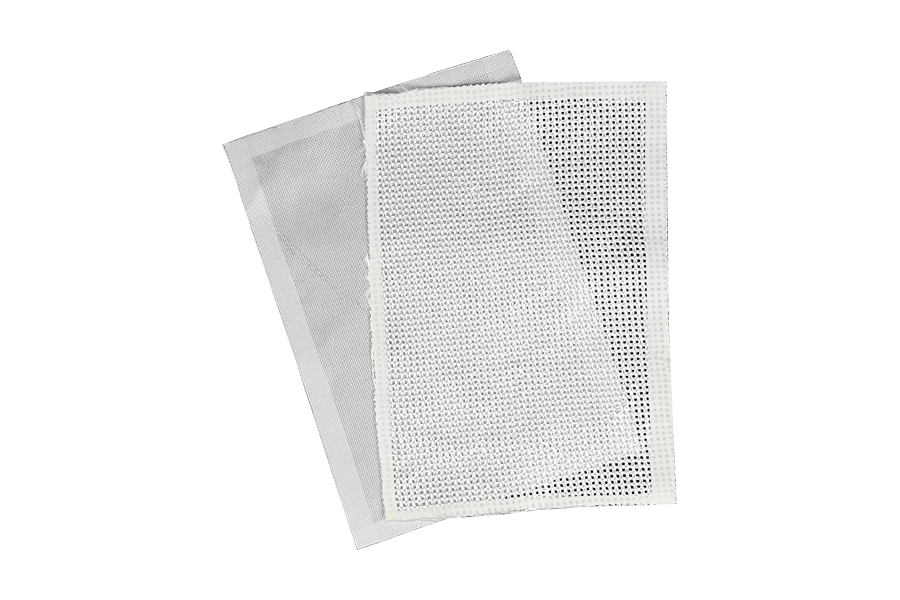
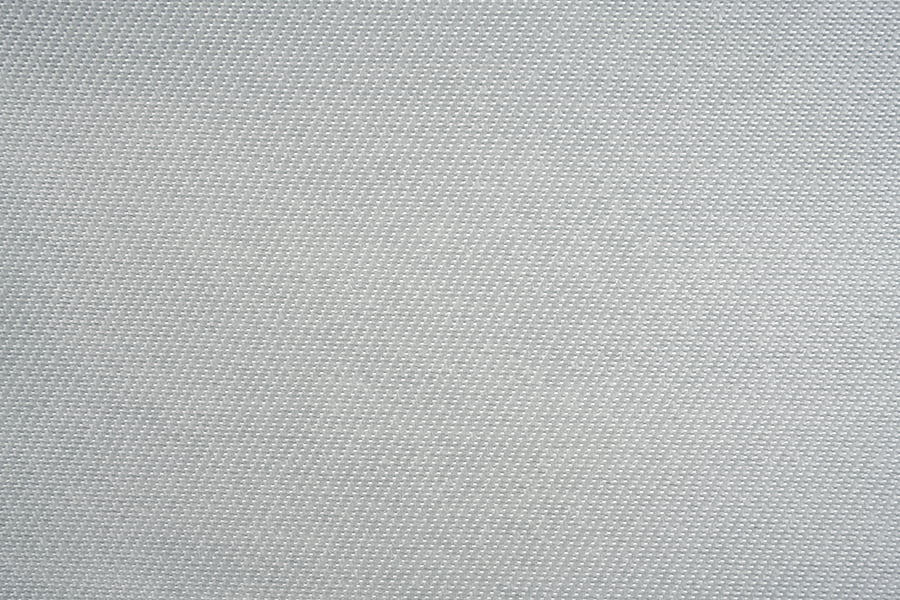

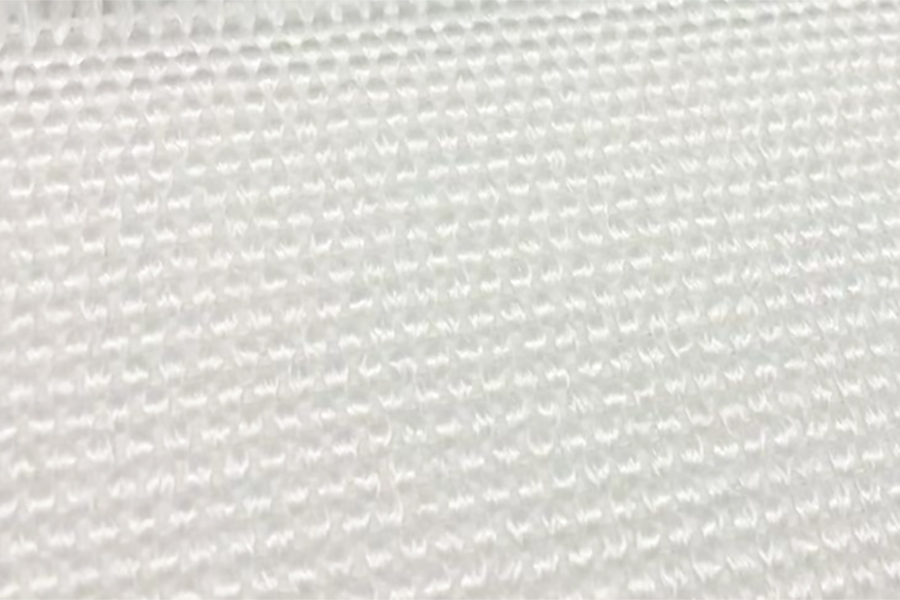
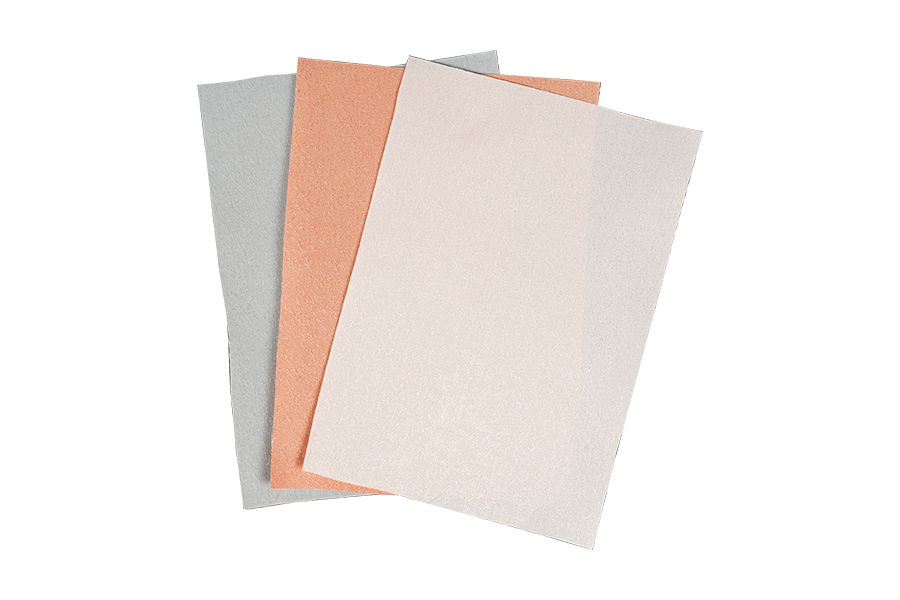
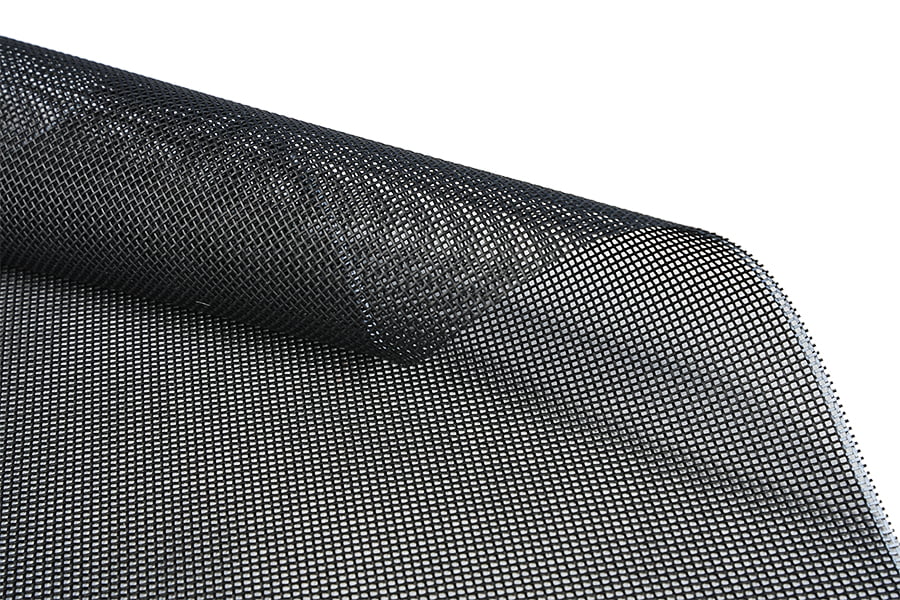
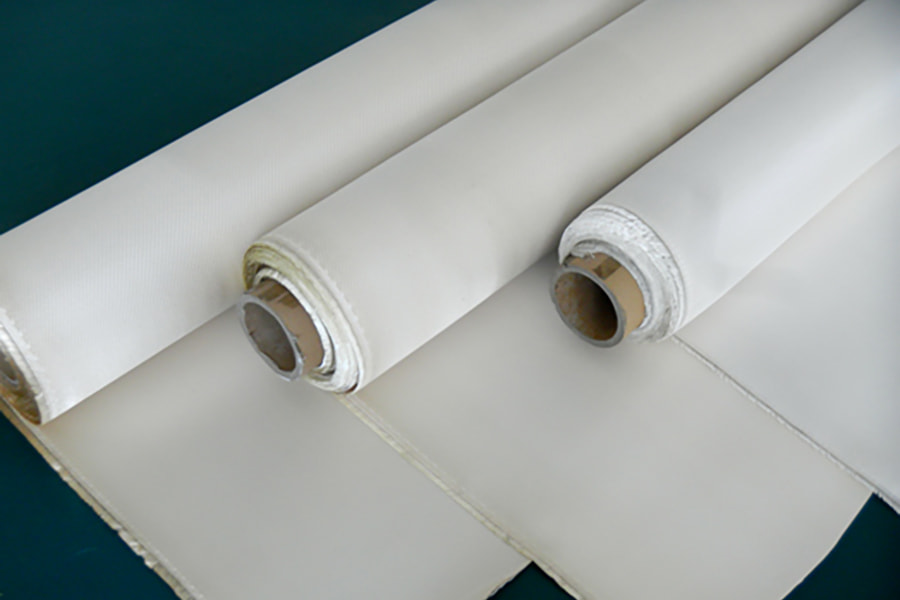
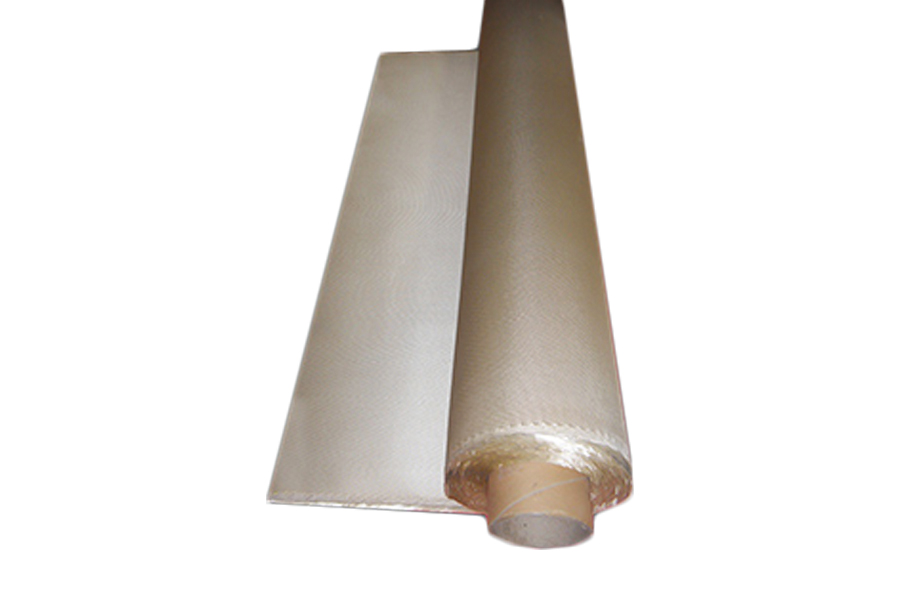
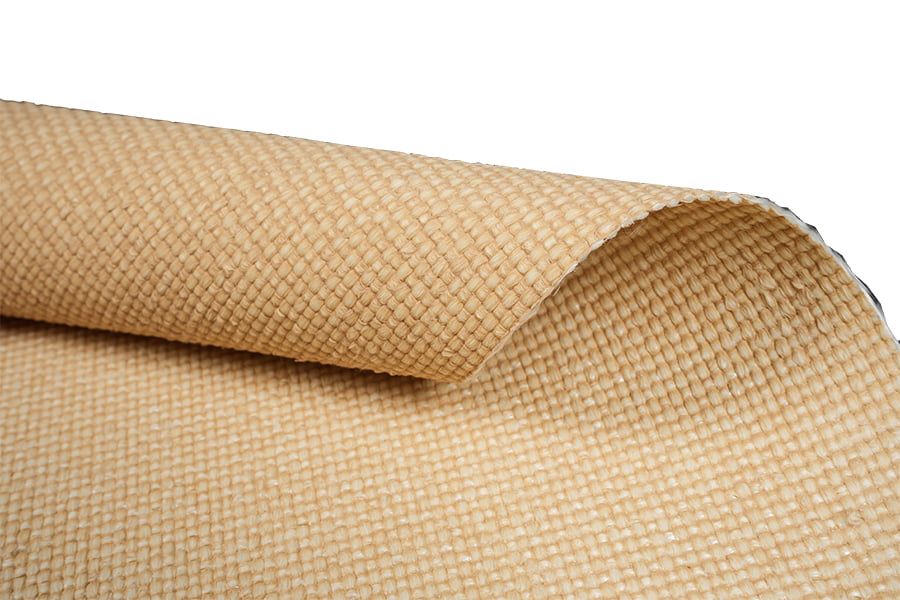
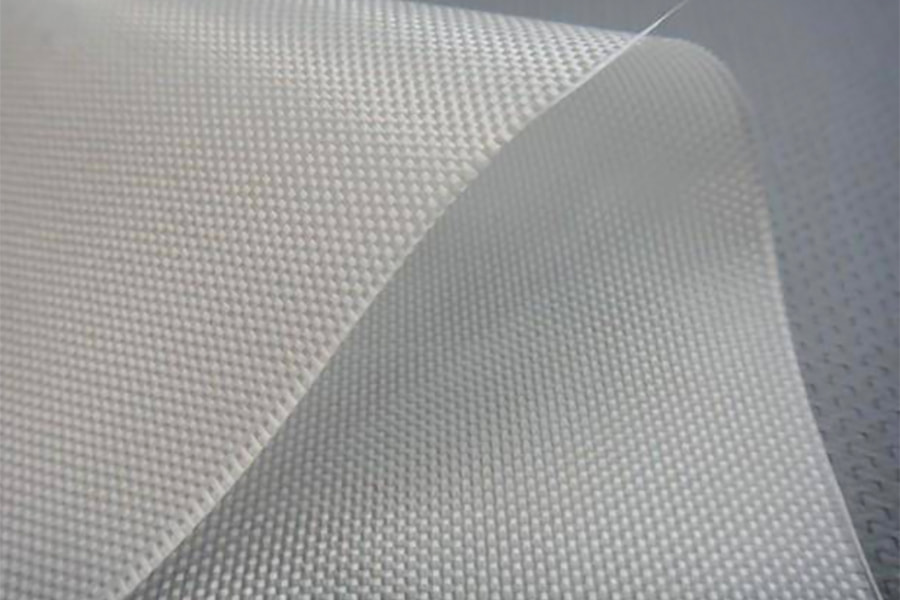
closed weave fiberglass cloth
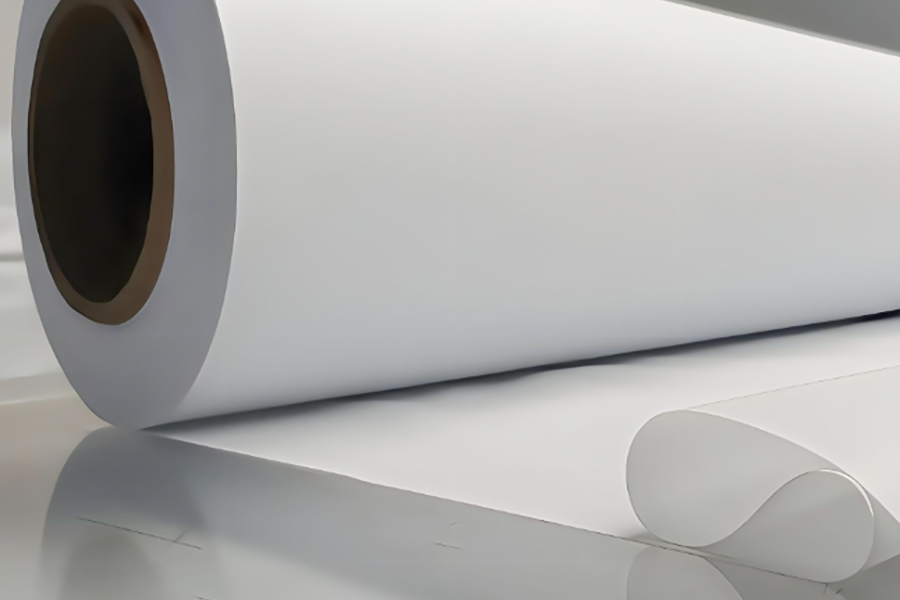
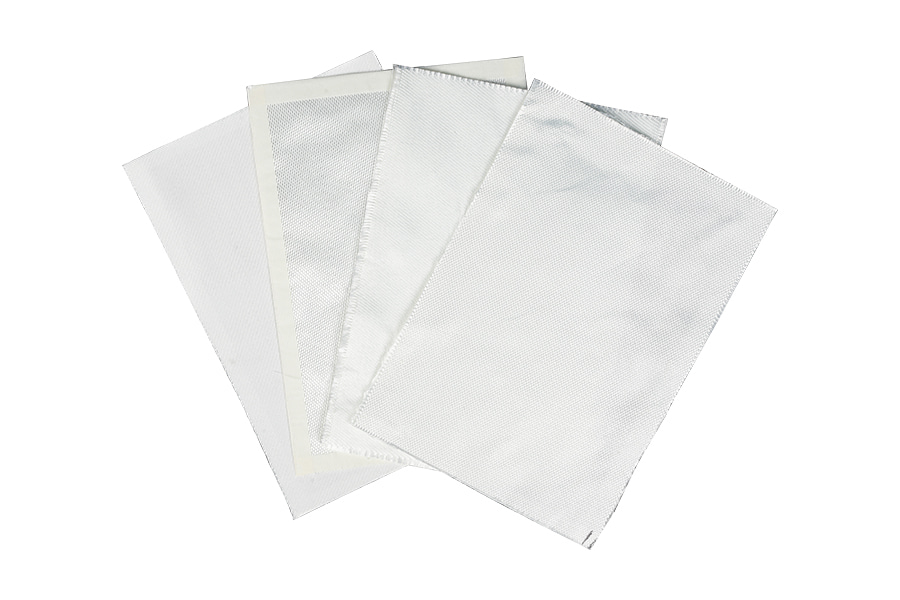
Closed weave fiberglass cloth is a tightly woven fabric in which warp and weft yarns are packed densely with minimal aperture between intersecting filaments. The low porosity structure restricts resin drainage, controls resin-to-fiber ratio, and produces laminates with high fiber volume fraction and low surface porosity. The fabric is manufactured from continuous E-glass filaments and is supplied in areal weights from 100 g/m² to 600 g/m² and thicknesses from 0.10 mm to 0.60 mm. Tensile strength ranges from 280 MPa to 420 MPa depending on construction and resin system. Closed weave fiberglass cloth is compatible with epoxy, polyester, vinylester, and phenolic resins and is supplied in roll widths from 1000 mm to 1500 mm and roll lengths from 30 m to 150 m.
High Fiber Volume
Dense yarn packing allows laminates to reach 55 to 62 percent fiber volume fraction in vacuum infusion. Higher fiber volume translates directly into improved mechanical properties per unit thickness and reduced resin cost per part. The controlled porosity also supports consistent wet-out across large part surfaces without resin-starved zones.
Controlled Resin Uptake
Low porosity limits resin drainage during cure, producing consistent resin-to-fiber ratios across the laminate. This reduces variability in mechanical properties and simplifies process control in production environments where repeatability is the primary requirement.
Low Surface Porosity
The tight weave structure minimizes pinholes and surface defects, reducing the need for secondary filling operations before gelcoat or paint. This is particularly relevant for visible surface applications where finishing cost dominates the production budget.
Chemical Resistance
Dense construction limits penetration of corrosive media into the laminate, improving chemical resistance in piping, tank, and ducting applications compared with open or leno weave fabrics at similar weight. The closed surface also reduces wicking along fiber paths.
Supply Specification
Closed weave holds its shape well during cutting with minimal edge fraying. Use standard shears or rotary cutters for manual cutting, or CNC and water-jet systems for production volumes.
Drapeability depends on the specific weave. Plain constructions conform moderately to simple curves. Satin constructions offer better conformity to compound curves. Confirm the intended face direction for satin structures before lay-up.
Resin flow is slower than open or leno weave due to low porosity. For vacuum infusion, use resin viscosity of 150 to 250 cP at 25°C, apply a flow medium on the top surface, and verify fill time on trial panels before production.
Store rolls horizontally at 15 to 30°C and 40 to 60 percent RH. Keep rolls wrapped to protect the fabric from dust and moisture. Shelf life is 36 months in original packaging.
Qualified Application Segments
Procurement and Engineering FAQ
Closed weave packs warp and weft yarns densely with minimal aperture, producing higher fiber volume fraction, lower surface porosity, and higher mechanical properties per unit thickness than open weave. Open weave provides faster resin flow and easier air release but lower fiber volume and mechanical strength. Closed weave is selected when laminate performance, surface quality, or chemical resistance are the primary requirements.
In vacuum infusion with low-viscosity resin, closed weave fabric typically reaches 55 to 62 percent fiber volume fraction. Hand lay-up achieves 40 to 50 percent. Higher fiber volume improves tensile and flexural properties per unit thickness and reduces resin cost per part, but also requires more careful process control to ensure complete wet-out.
Standard MOQ is 300 kg per width and weave specification. Stock widths of 1000 mm and 1270 mm in plain and twill constructions ship from inventory within 5 to 10 business days. Satin constructions and custom widths typically require 3 to 5 weeks depending on order volume and sizing requirements.
Yes, but resin flow is slower than open weave due to the low porosity. Use resin viscosity of 150 to 250 cP at 25°C, apply a flow medium on the top surface, and verify fill time on trial panels before production. For thick laminates, debulk every two to three plies to maintain even compaction and avoid resin-rich zones.
Each shipment includes a certificate of analysis covering areal weight, thickness, weave configuration, sizing system, and roll length. Lot numbers are recorded for traceability. Additional test data including tensile strength, flexural modulus, and resin compatibility statements can be provided on request for qualified accounts.