


 English
 中文简体
中文简体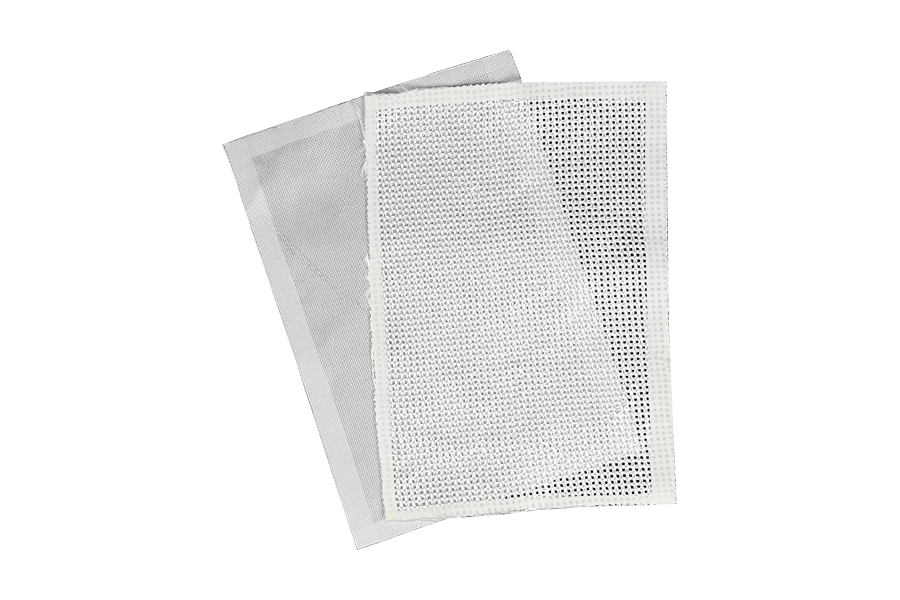

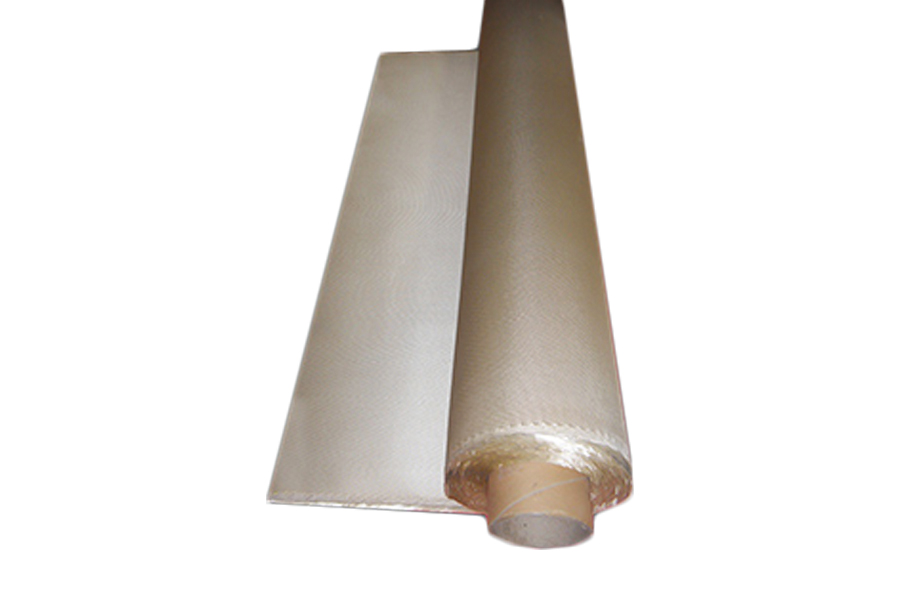
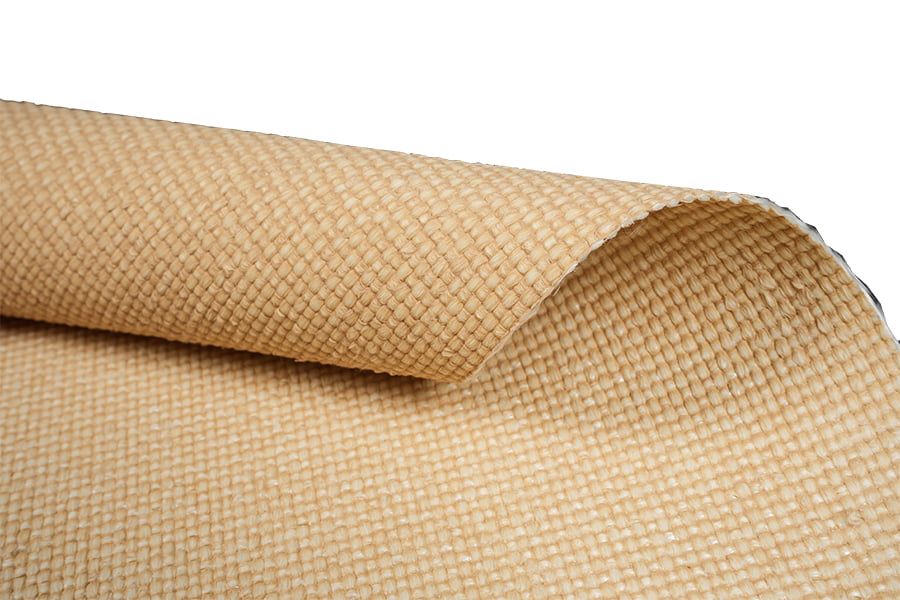
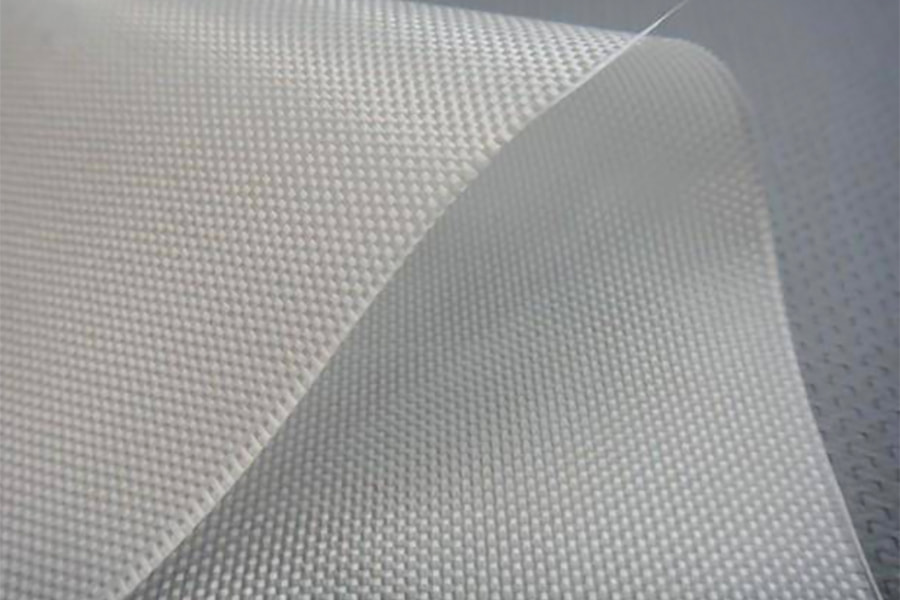
open weave fiberglass cloth
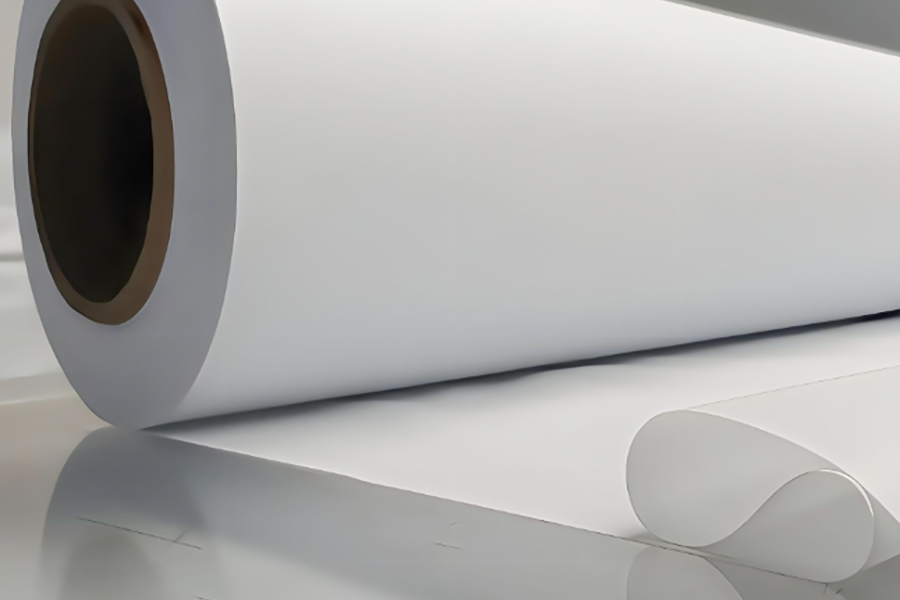
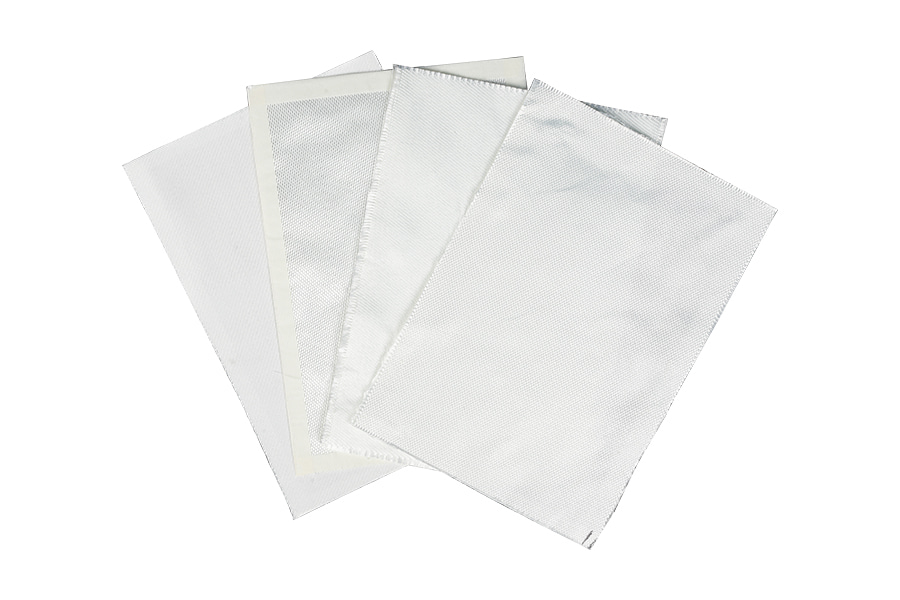
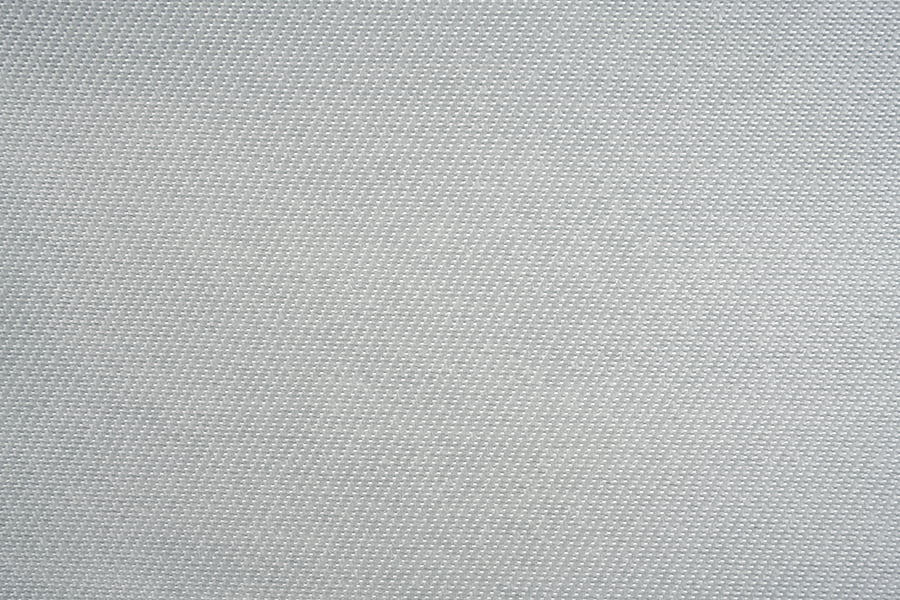
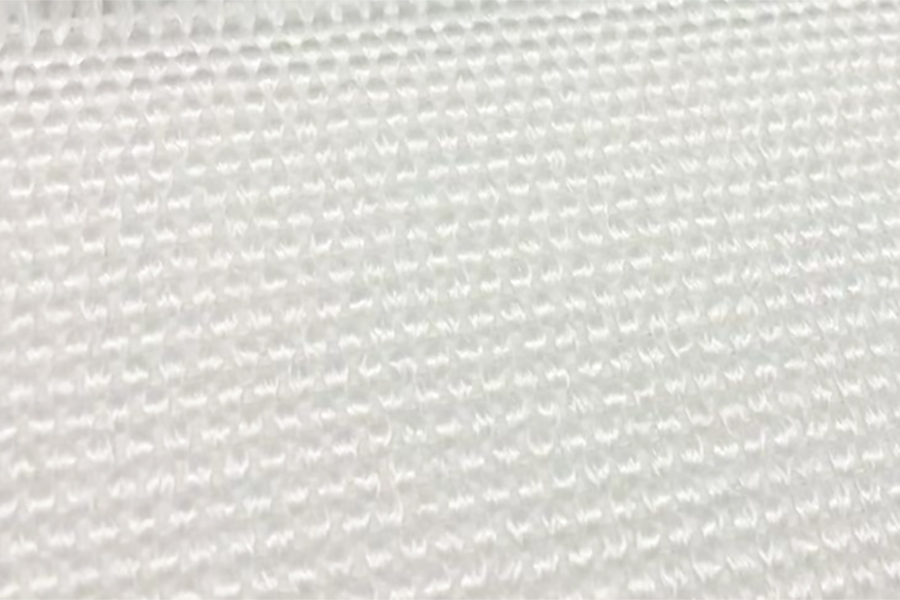
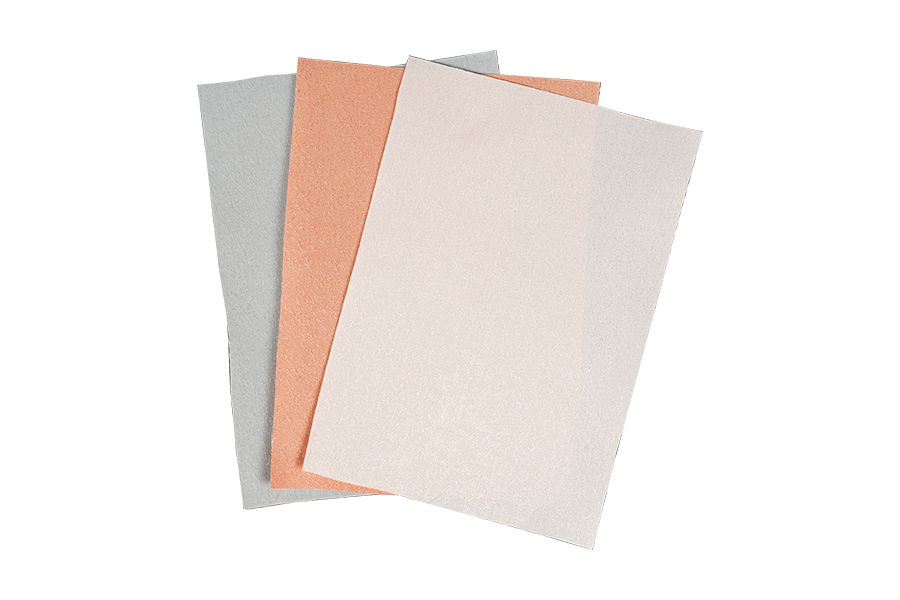
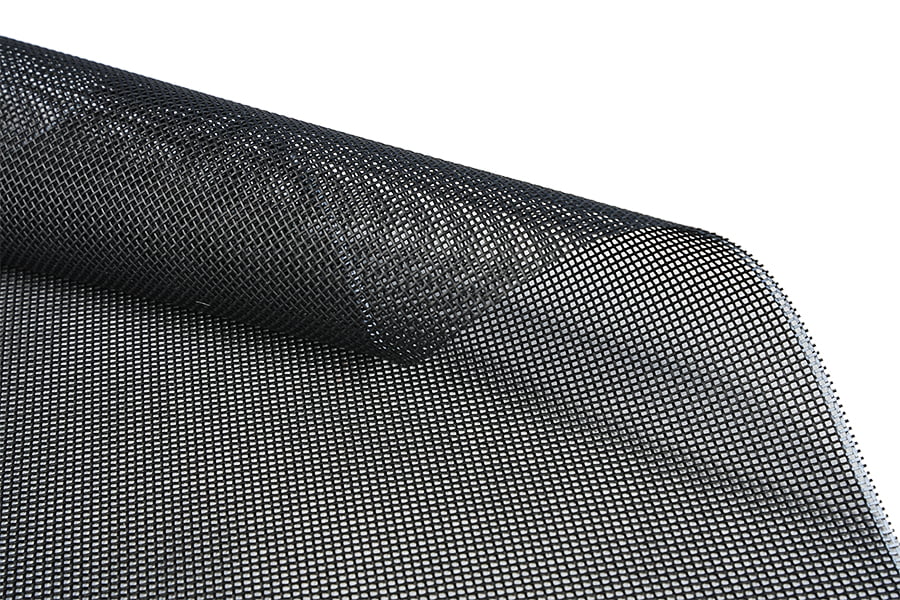
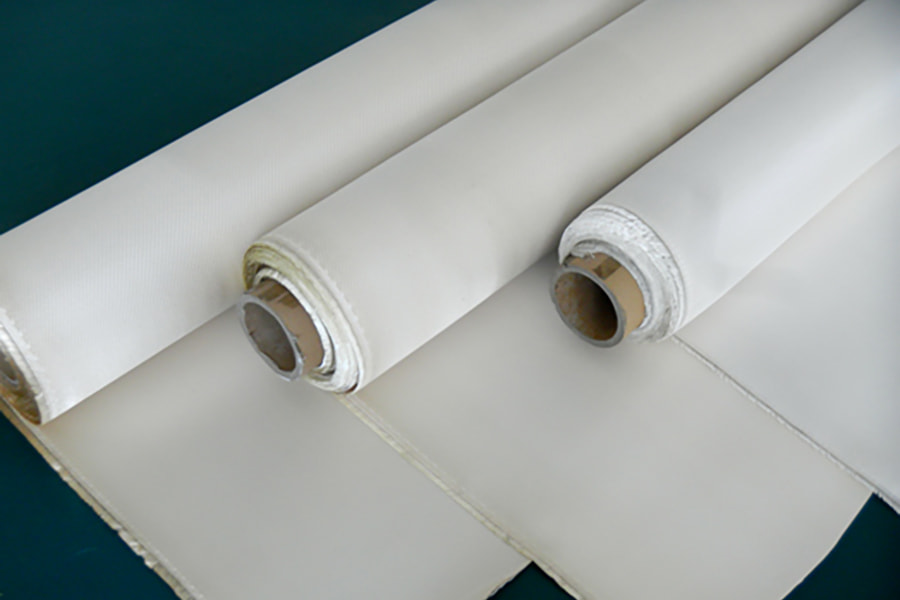
Open weave fiberglass cloth is a woven fabric in which warp and weft yarns are spaced apart to create a controlled mesh with visible apertures between intersecting yarns. The open architecture allows rapid resin transmission, air release, and mechanical keying with cementitious and polymeric matrices. The fabric is manufactured from continuous E-glass filaments and is supplied in mesh apertures from 1.5 mm to 25 mm, areal weights from 50 g/m² to 300 g/m², and thicknesses from 0.12 mm to 0.55 mm. Tensile strength ranges from 100 MPa to 280 MPa depending on construction. Open weave fiberglass cloth is compatible with epoxy, polyester, vinylester, and phenolic resins, and is also used with cementitious and gypsum systems. Roll widths from 1000 mm to 2000 mm and roll lengths from 50 m to 250 m are standard.
Resin Transmission
The open mesh provides low resistance to resin flow, allowing fast lateral distribution across large part surfaces. This reduces fill time in vacuum infusion and improves wet-out consistency in hand lay-up compared with closed fabrics at equal weight.
Air Release
Apertures allow entrapped air and volatiles to escape during cure, lowering void content in the finished laminate. This is particularly relevant for thick sections and for resin systems that release condensation byproducts.
Mechanical Keying
In cementitious and gypsum systems, the open structure allows the matrix to penetrate and interlock through the mesh, improving bond strength and crack-bridging capability compared with surface-applied closed fabrics.
Dimensional Stability
Open weave construction maintains mesh geometry during cutting, handling, and installation. The fabric resists yarn displacement at edges and holds aperture dimensions under moderate tension.
Supply Specification
Qualified Application Segments
Production Notes
Hot knife or ultrasonic cutting is preferred for open mesh to prevent yarn separation at the cut line. Rotary shears are acceptable for apertures below 5 mm.
Due to the open construction, resin uptake is higher than for closed fabrics. Expect 120 to 200 percent resin-to-fiber ratio by weight in hand lay-up and 80 to 120 percent in vacuum infusion.
The fabric holds its shape without tackifier in most conditions. For vertical surfaces, a light spray adhesive is sufficient to hold the mesh in position before resin application.
Store rolls horizontally at 15 to 30°C and 40 to 60 percent RH. The open mesh can collect airborne dust, so keep rolls wrapped until use. Shelf life is 36 months in original packaging.
Procurement and Engineering FAQ
Open weave uses widely spaced warp and weft yarns in a simple interlacing pattern, producing a mesh where yarns can shift slightly under tension. Leno weave adds a second warp system that twists around the ground warp, mechanically locking the structure. Leno weave provides higher resistance to yarn displacement and shape distortion, while open weave offers simpler construction and lower cost. Both are used where resin transmission or matrix penetration is the primary requirement.
Open weave cloth is generally not used as the primary structural layer because the apertures reduce fiber volume fraction and load-bearing capacity relative to closed fabrics. It is typically used as a surface veil, flow medium, or carrier layer in combination with structural fabrics. In some applications, multiple layers of fine-mesh open weave are stacked to build thickness, but mechanical properties remain below those of equivalent-weight closed fabrics.
For vacuum infusion flow media, a mesh aperture of 5 mm to 10 mm is typical. Smaller apertures restrict resin flow and increase fill time. Larger apertures allow faster flow but may cause resin-rich areas or print-through on the surface. The selection should be based on resin viscosity, part size, and surface finish requirements.
Yes. Open weave cloth is supplied with silane sizing compatible with phenolic, epoxy, and vinylester systems. For phenolic resins, which release water during cure, the open mesh allows volatiles to escape more easily than closed fabrics, reducing void formation. For high-temperature applications above 400°C, confirm that the sizing and any binder used in the construction are rated for the service temperature.
Each shipment includes a certificate of analysis covering areal weight, mesh aperture, thickness, sizing type, and roll length. Lot numbers are recorded for traceability. Additional test data including tensile strength and resin compatibility statements can be provided on request for qualified accounts.