


 English
 中文简体
中文简体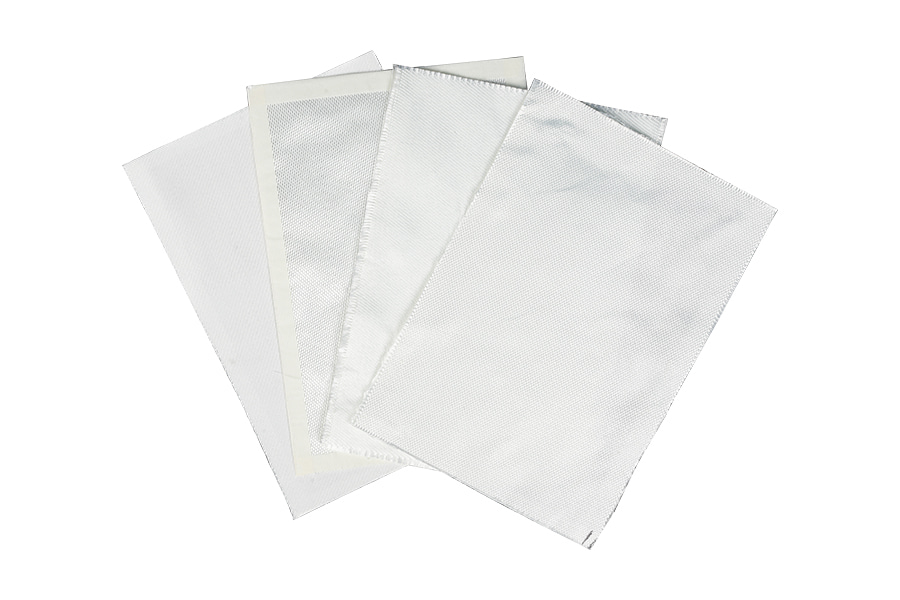
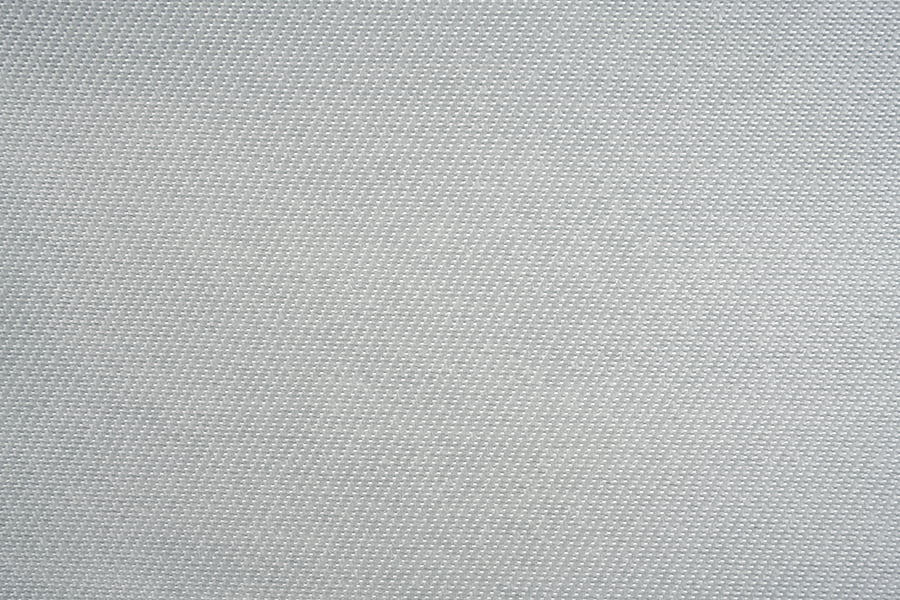

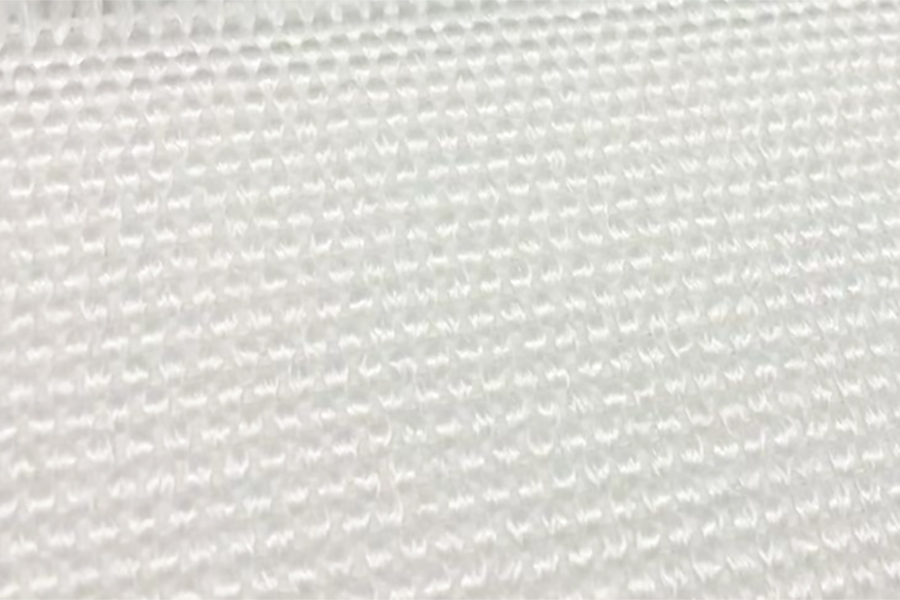
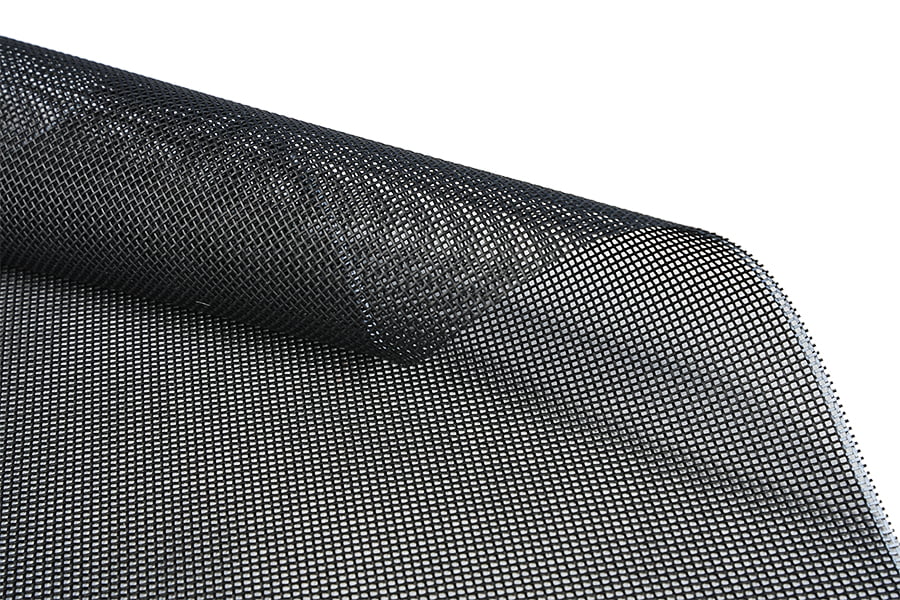
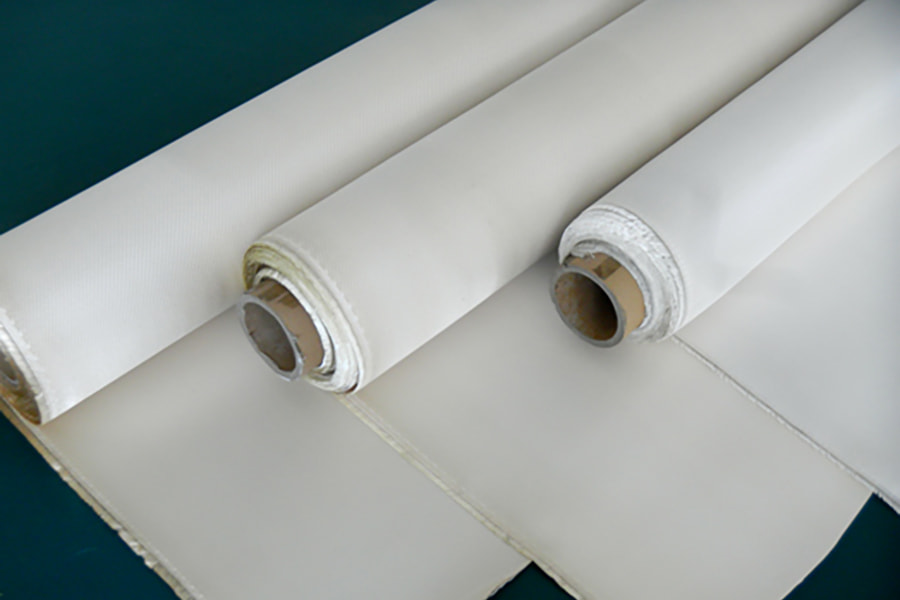
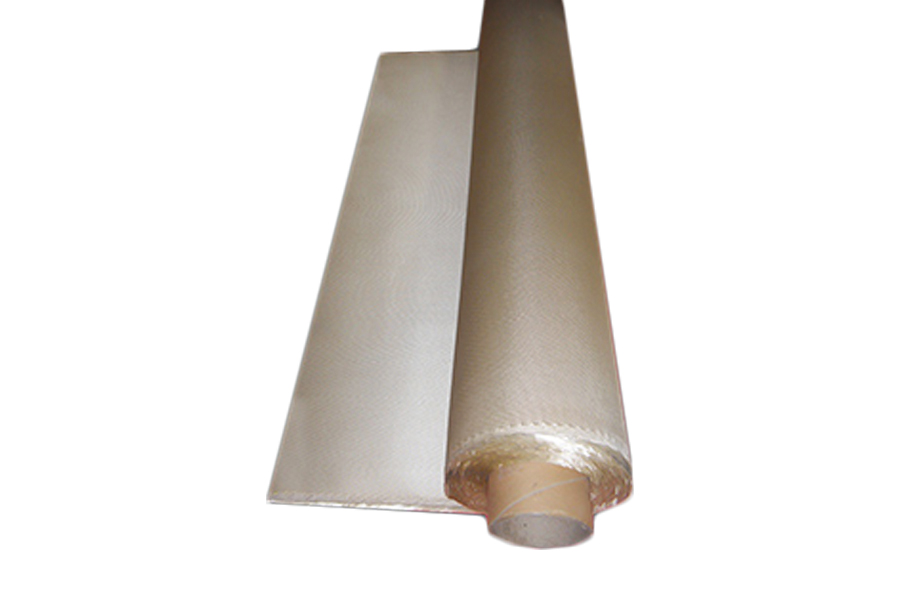
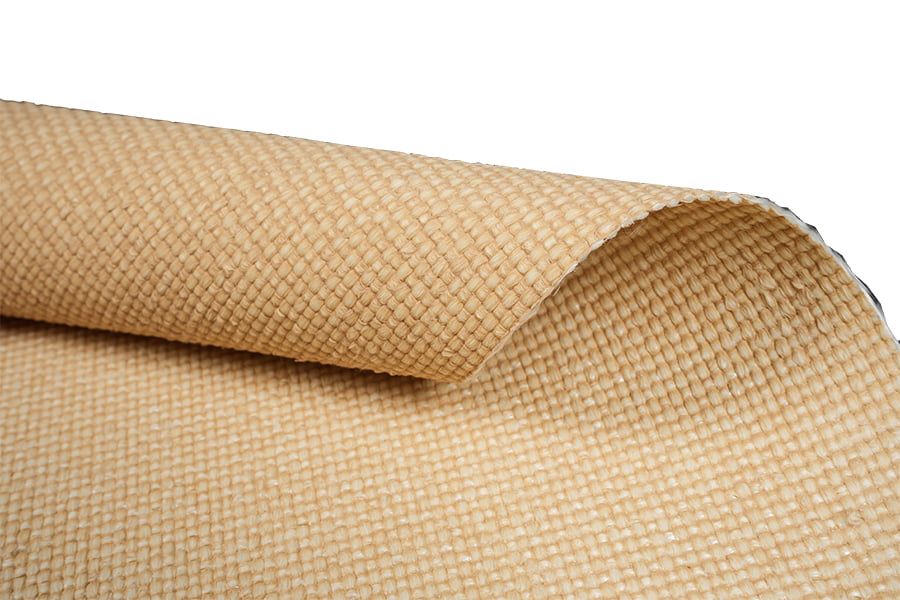
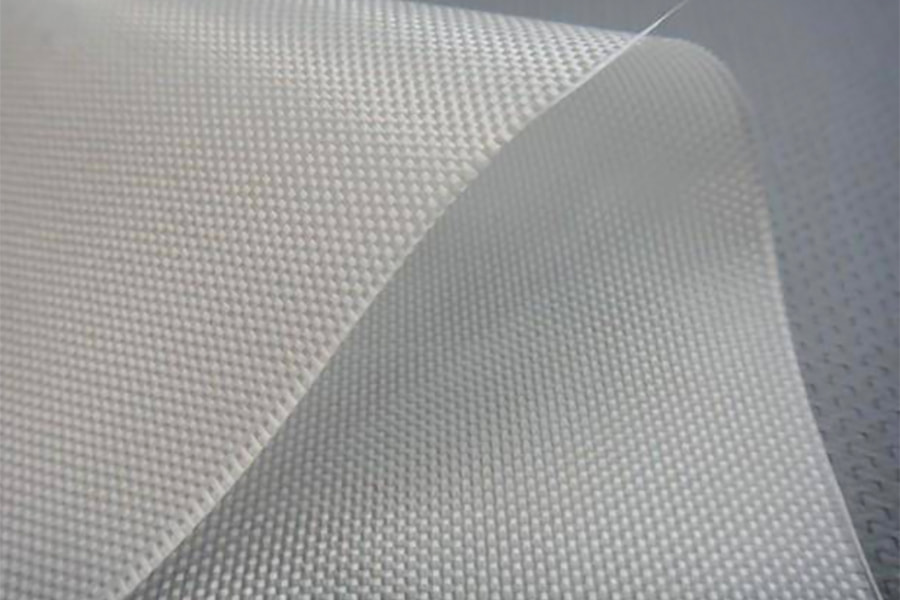
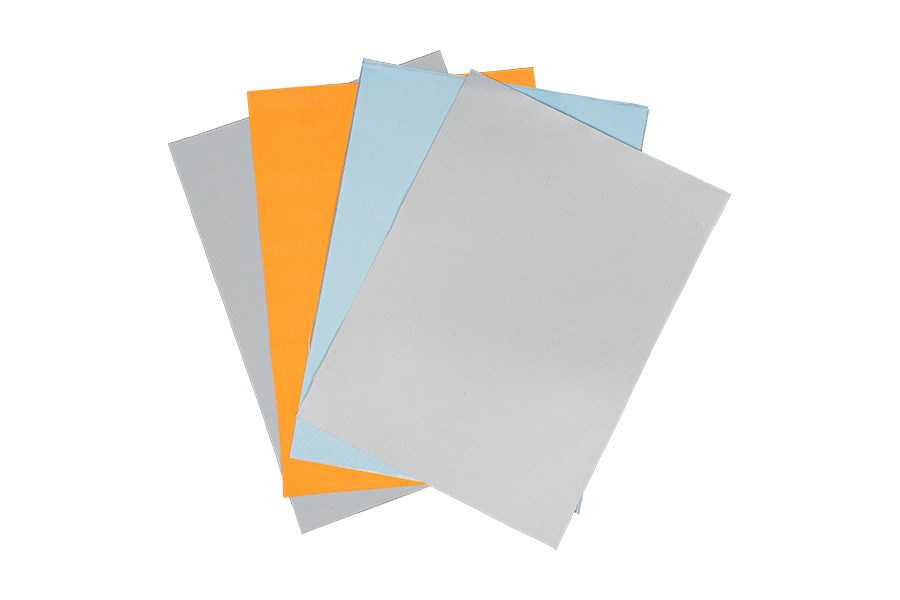
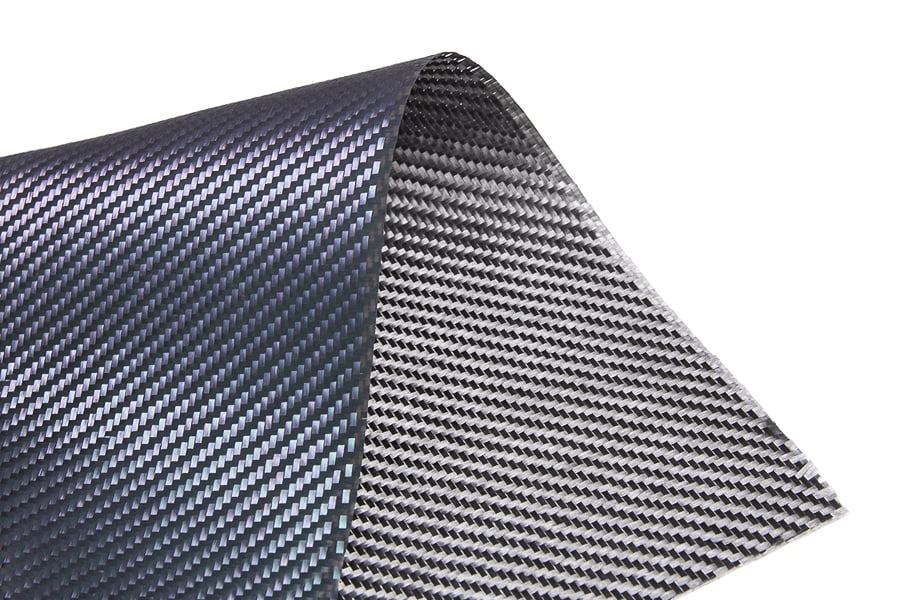
200gsm Fiberglass Cloth Roll
Core Advantages
Product Specifications
| Fiber Composition | E-glass (standard grade) |
| Weave Type | Plain or Twill |
| Areal Weight | 200 g/m² (±5%) |
| Thickness | 0.18 – 0.22 mm |
| Tensile Strength (Warp) | ≥ 280 MPa |
| Tensile Strength (Weft) | ≥ 260 MPa |
| Fiber Diameter | 9 µm |
| Yarn Count | 18 × 18 per inch |
| Continuous Operating Temperature | –60°C to +550°C |
| Roll Width | 900 mm, 1100 mm, 1300 mm |
| Roll Length | 50 m, 100 m, 200 m |
Application Fields
Handling & Installation Notes
Frequently Asked Questions
This cloth is compatible with all major resin systems. For optimal results, use medium-viscosity resins (200–500 cP at 25°C) for hand lay-up. For vacuum infusion, lower viscosity (150–300 cP) epoxies or vinyl esters provide better wet-out. Polyester resins work well for general-purpose applications where lower cost is a priority.
A typical laminate of 2.0 mm thickness requires 8–10 plies of 200gsm cloth (with 40–45% resin content). For non-structural panels, 4–6 plies (1.0–1.2 mm) provide adequate rigidity. Always calculate ply count based on design requirements and perform mechanical testing to validate laminate performance.
Yes, 200gsm cloth is widely used for repairs due to its moderate weight and ease of handling. For structural repairs, use 4–8 plies depending on the damaged area and load requirements. Ensure proper surface preparation and use compatible resin systems. A scarf repair with 10:1 taper ratio is recommended for high-load areas.
Resin consumption depends on the resin type and application method. For hand lay-up, typical consumption is 800–1000 g of resin per square meter of cloth (40–50% resin content). For vacuum infusion, resin consumption is lower at 600–800 g/m² (30–40% resin content). Always calculate based on the desired fiber volume fraction.
200gsm cloth offers a balance of strength and flexibility that makes it suitable for moderate-load structures. Heavier cloths (400+ g/m²) provide higher per-layer strength but are less conformable to curves. 200gsm cloth allows better resin penetration and produces smoother surfaces. For high-load structures, a combination of 200gsm and 400gsm plies may be optimal.
Yes, 200gsm cloth is suitable for prepreg manufacturing. The uniform thickness and consistent weight allow accurate resin content control. The cloth can be impregnated with epoxy, BMI, or phenolic resins for prepreg applications. For prepreg processing, recommend using a resin content of 35–40% by weight for optimal mechanical properties.