

 English
 中文简体
中文简体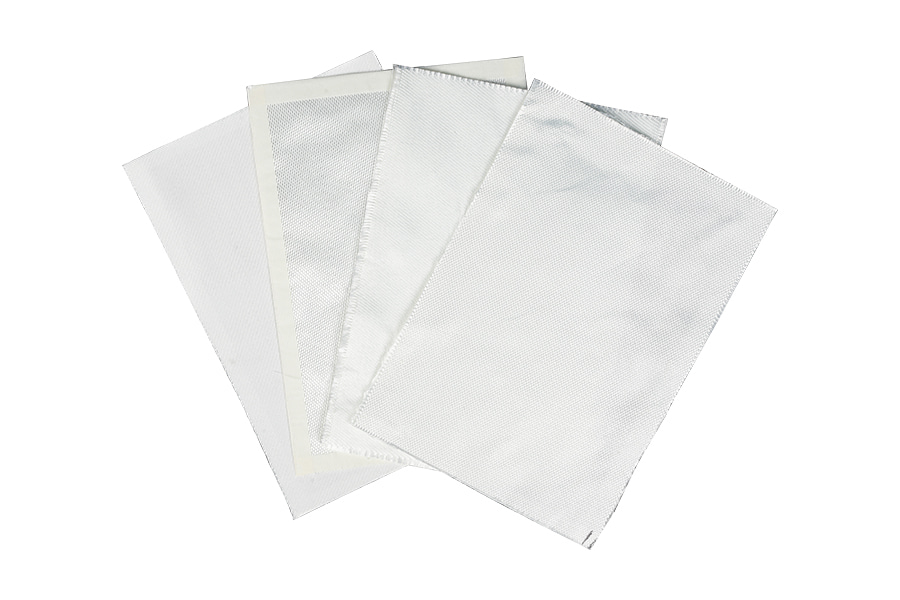
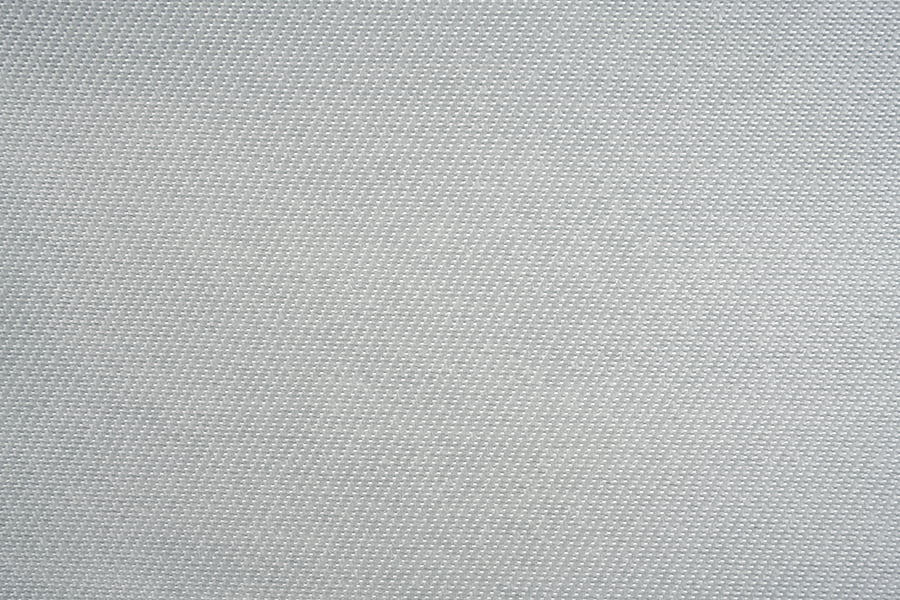

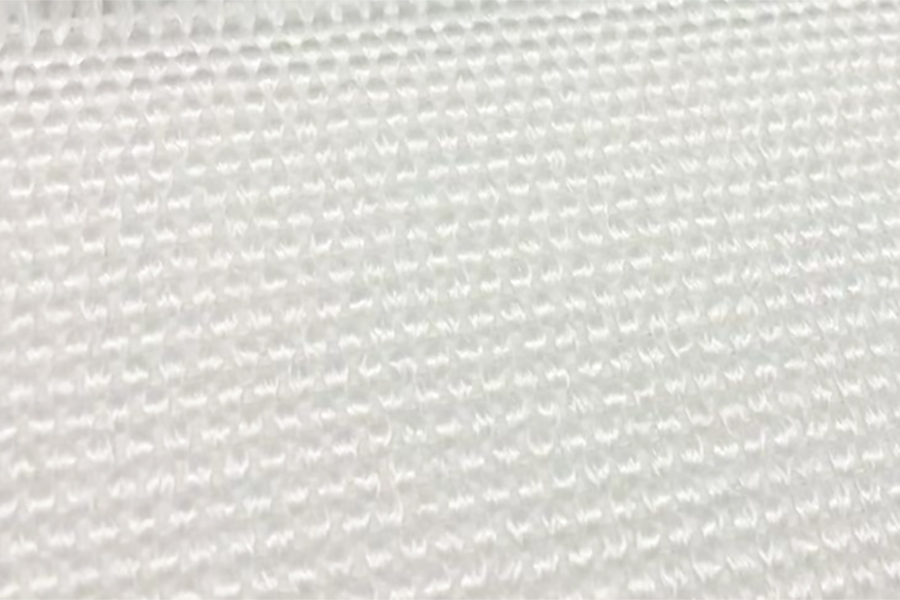
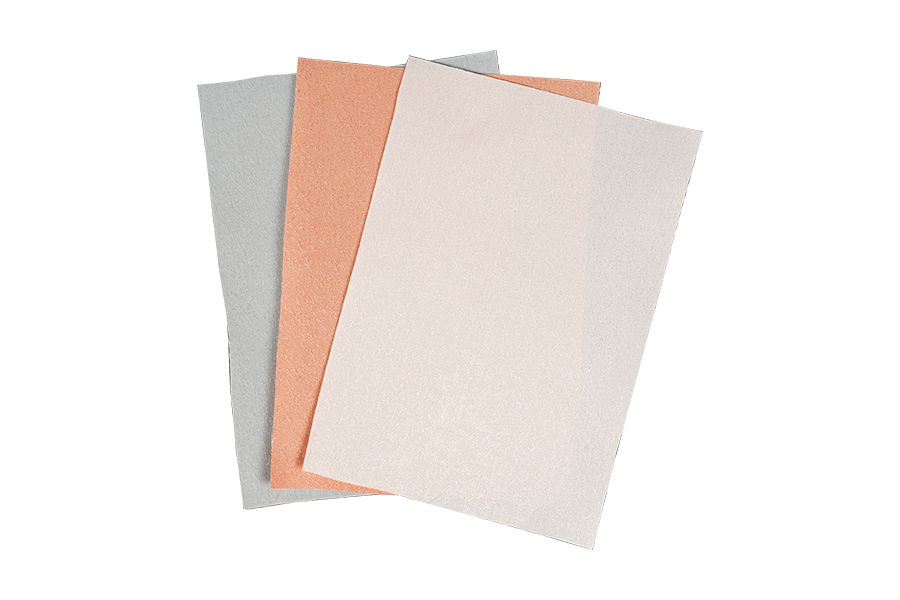
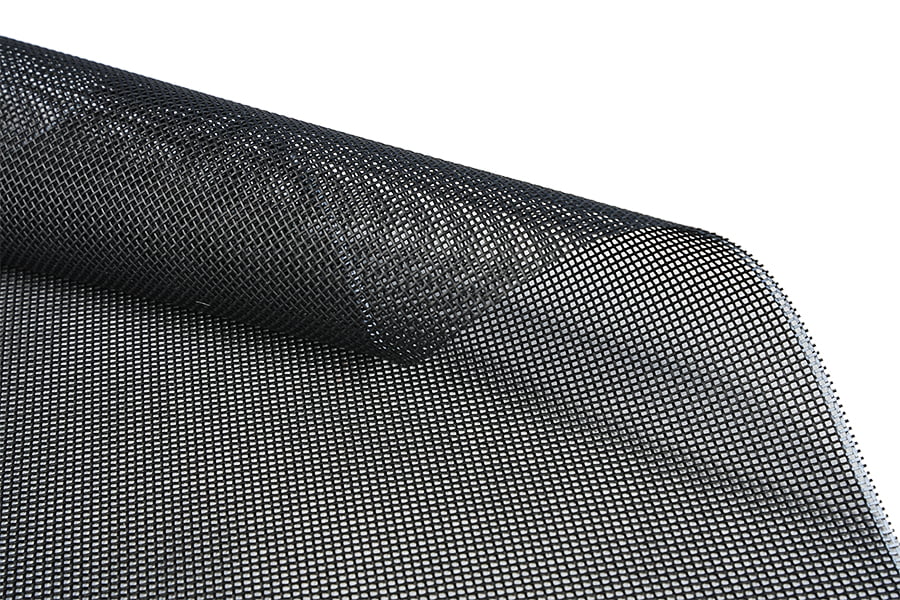
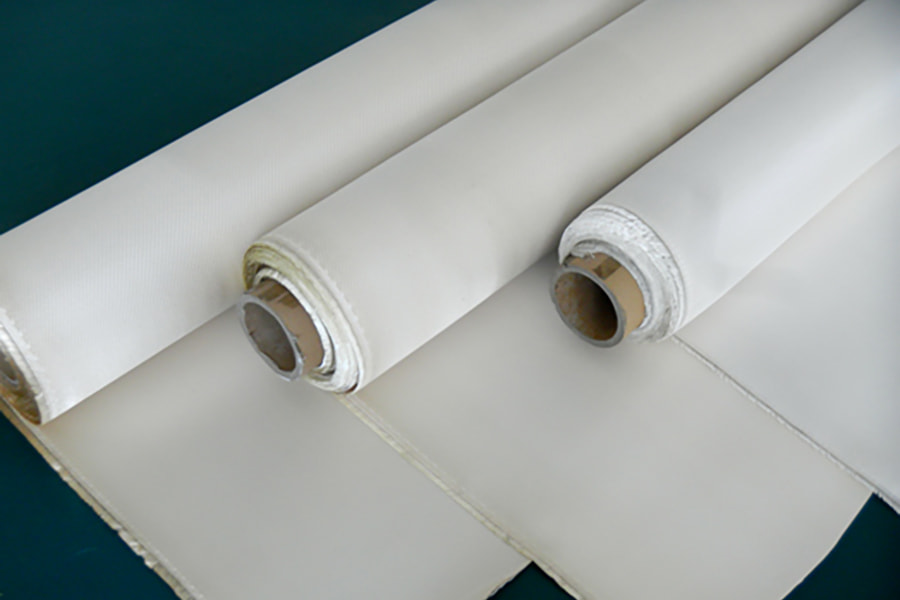
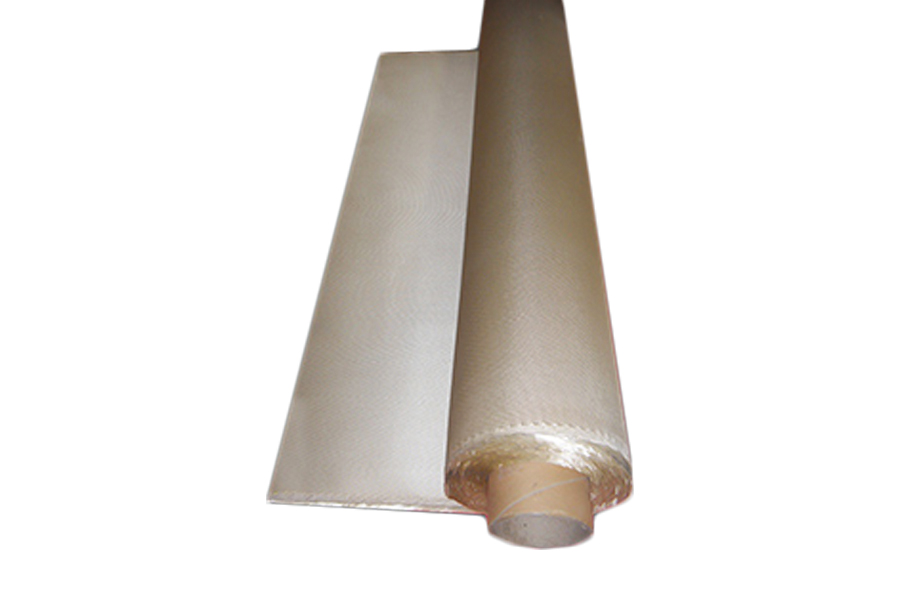
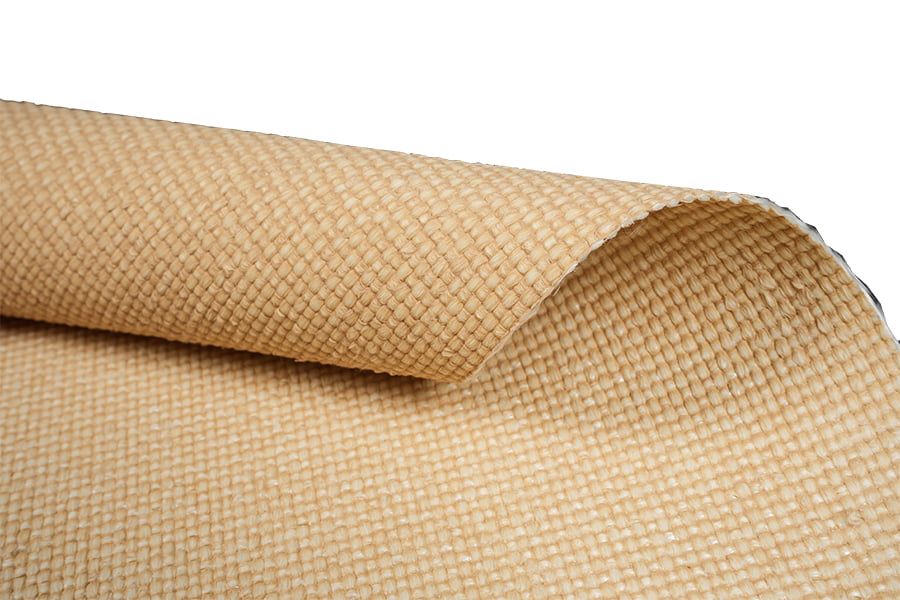
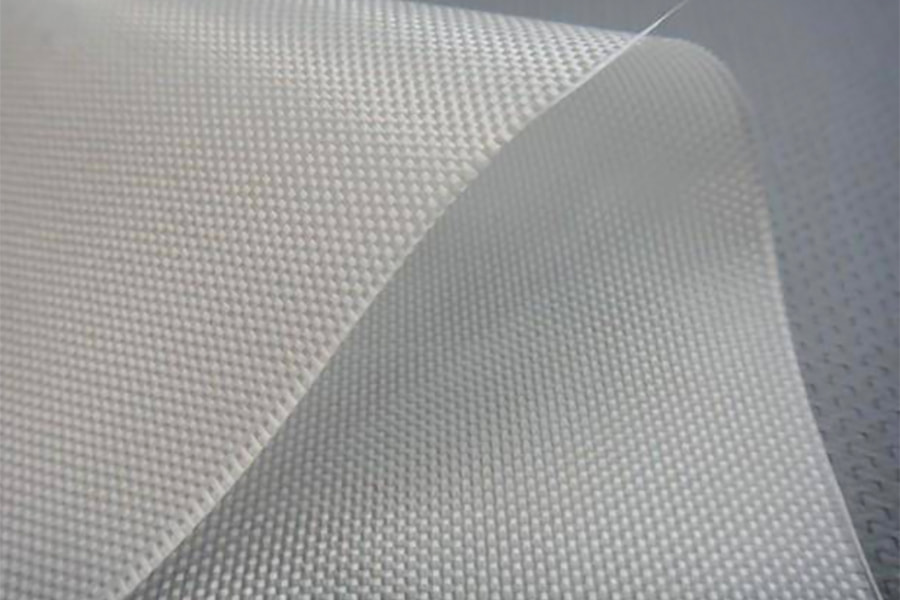
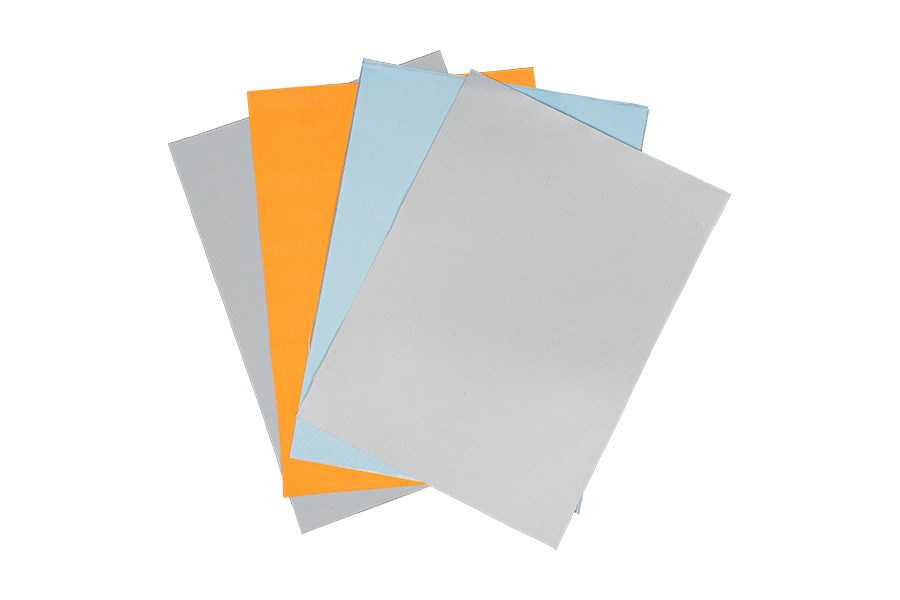
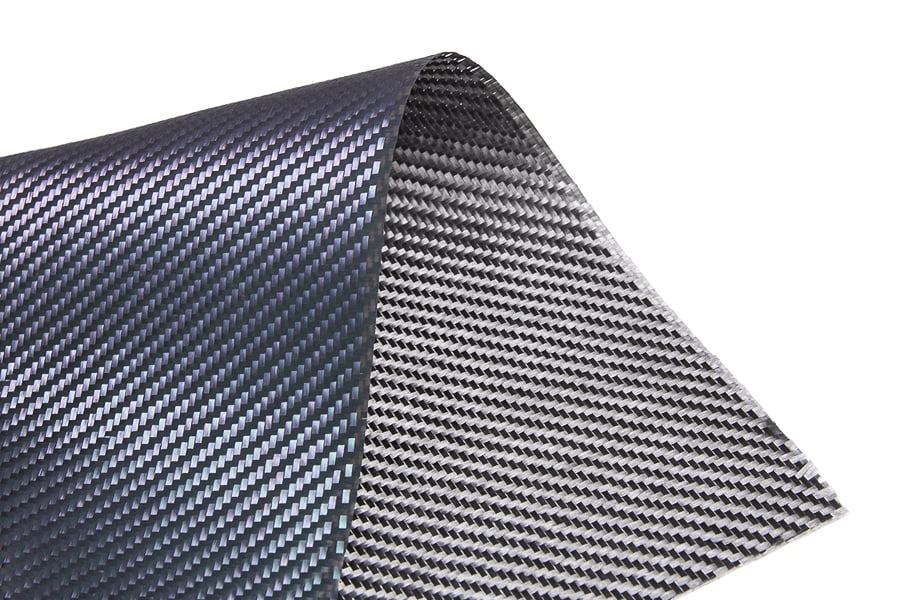
300gsm Fiberglass Cloth Roll
Product Overview
300gsm fiberglass cloth roll is a robust medium-heavy fabric engineered from high-tenacity E-glass filaments, delivering superior mechanical performance for demanding composite applications. With an areal weight of 300 g/m² ± 5%, this cloth provides tensile strength of 340 MPa in the warp direction and 320 MPa in the weft direction. Available in thickness ranging from 0.28 mm to 0.35 mm, the fabric features a balanced plain or twill weave that ensures uniform stress distribution and excellent resin penetration. The cloth operates continuously at temperatures from –60°C to +550°C and is compatible with all major resin systems including epoxy, polyester, vinyl ester, and phenolic resins. The roll format provides consistent quality and efficient material utilization for both hand lay-up and automated composite manufacturing processes.
Core Advantages
Product Specifications
| Fiber Composition | High-tenacity E-glass |
| Weave Type | Plain or Twill |
| Areal Weight | 300 g/m² (±5%) |
| Thickness | 0.28 – 0.35 mm |
| Tensile Strength (Warp) | ≥ 340 MPa |
| Tensile Strength (Weft) | ≥ 320 MPa |
| Fiber Diameter | 9 µm |
| Yarn Count | 16 × 16 per inch |
| Continuous Operating Temperature | –60°C to +550°C |
| Moisture Absorption (24h) | ≤ 0.2% |
| Roll Width | 900 mm, 1100 mm, 1300 mm |
| Roll Length | 40 m, 80 m, 150 m |
Application Fields
Handling & Installation Notes
Frequently Asked Questions
300gsm cloth provides approximately 40% higher tensile strength per layer and 50% greater flexural modulus compared to 200gsm cloth. This allows engineers to reduce the number of plies required for equivalent thickness, simplifying laminate schedules. The higher weight cloth also provides better surface finish and reduced porosity in thick laminates. For applications where weight is critical, 200gsm may be preferred for cosmetic layers while 300gsm is used for structural cores.
For vacuum infusion, low-viscosity epoxies (100–250 cP) or vinyl esters (150–300 cP) provide optimal wet-out. The cloth's permeability (1.8 × 10⁻⁹ m²) allows infusion times of 5–10 minutes per meter length. We recommend using a flow medium on the top surface and maintaining vacuum pressure of 0.095–0.100 MPa. Pre-heating resin to 30–35°C improves flow characteristics without affecting working time.
Yes, 300gsm cloth is suitable for prepreg manufacturing with epoxy, BMI, or phenolic resins. The uniform thickness and consistent weight allow precise resin content control (typically 35–40% by weight). For prepreg processing, we recommend using resin film thickness of 0.08–0.12 mm per ply. The cloth handles well on prepreg machines and provides stable tack during lay-up.
For hand lay-up, typical fiber volume fraction is 30–35% with polyester resins and 35–40% with epoxy resins. With proper consolidation techniques, vacuum bagging can achieve 45–50% fiber volume fraction. The cloth's weave design allows good compaction, reaching 50% fiber volume at consolidation pressures above 0.5 MPa. Always calculate resin quantity based on the desired fiber volume fraction.
The cloth maintains structural integrity up to 550°C continuous. For applications above 500°C, we recommend using a high-temperature sizing that prevents fiber embrittlement. The cloth can be used in furnace insulation, exhaust systems, and fire barriers at these temperatures. However, prolonged exposure above 550°C may cause fiber crystallization and strength reduction. Always verify operating conditions with the manufacturer.
For bonded joint applications, a minimum overlap of 50 mm is recommended for non-critical connections. For structural joints, use 75–100 mm overlap with 4–6 plies of 300gsm cloth. The overlap should be designed so that the joint strength exceeds the parent material's design strength. Use a scarf angle of 5–8 degrees for high-load joints. Always perform joint testing to validate the design.