Introduction
In recent years, global industries have faced increasingly strict requirements for safety, durability, and environmental performance. Manufacturing plants, construction sites, energy facilities, and chemical processing environments are all under pressure to adopt materials that can withstand extreme conditions while maintaining long-term stability. Against this background, PVC coated fiberglass fabric has emerged as a widely adopted high-performance composite material.
This material combines the structural strength of fiberglass with the protective properties of a PVC coating, resulting in a fabric that delivers enhanced fire resistance, thermal protection, waterproof performance, and chemical resistance. It is now commonly used in applications such as welding protection, insulation systems, heat shielding, and industrial safety barriers.
What Is PVC Coated Fiberglass Fabric?
Basic Composition and Structure
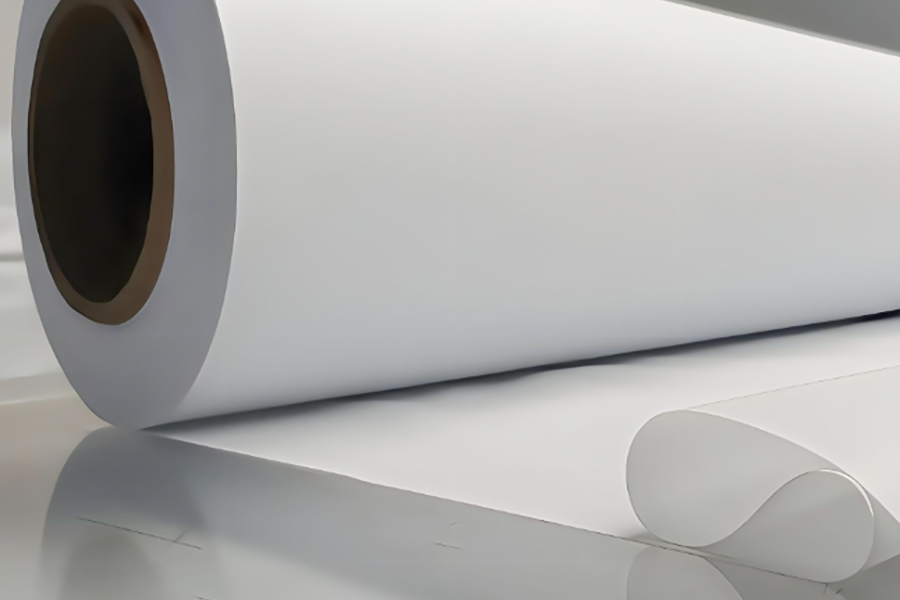
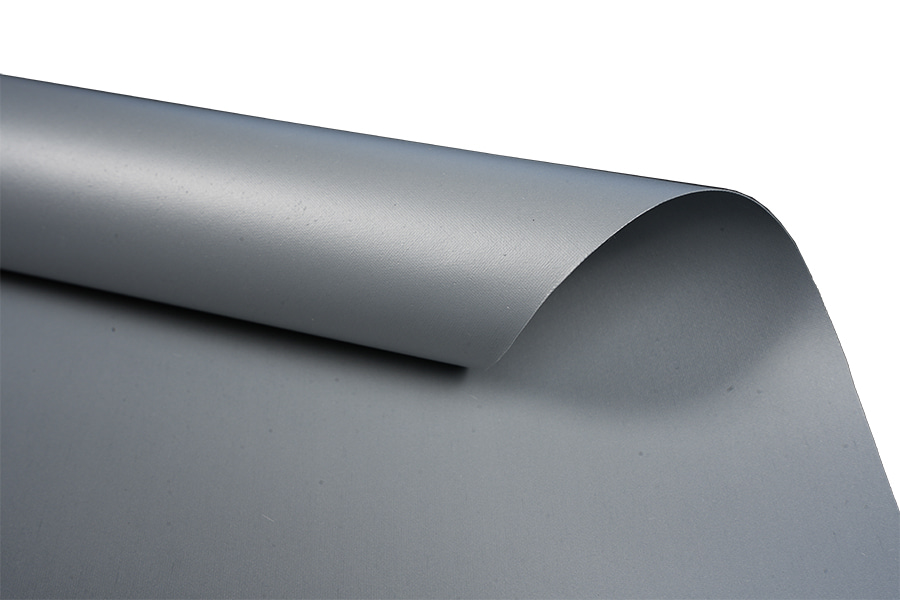
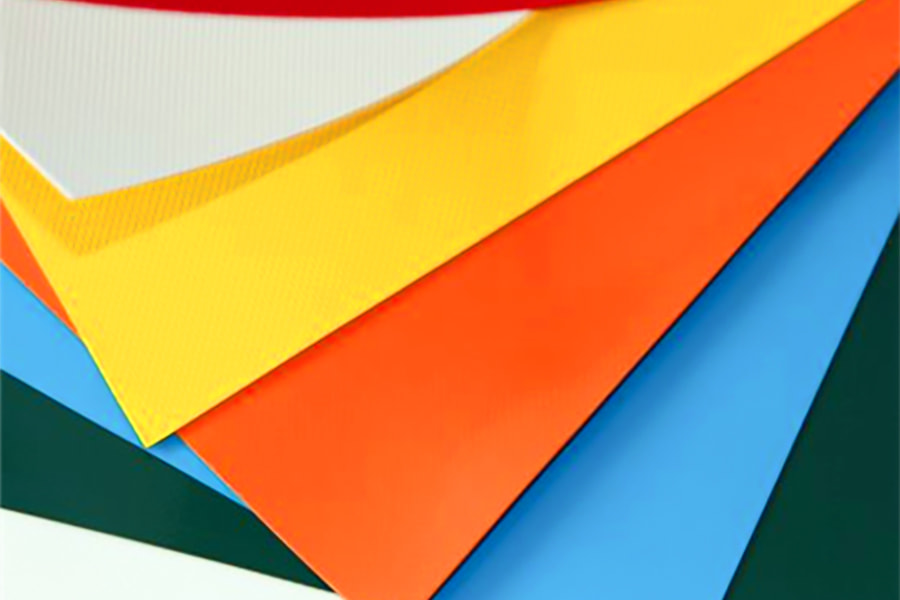
PVC coated fiberglass fabric is a composite material made from a woven fiberglass base fabric coated with a layer of polyvinyl chloride (PVC). Each component plays a specific role:
- Fiberglass base fabric provides high tensile strength, dimensional stability, and excellent heat resistance
- PVC coating adds waterproofing, chemical resistance, and surface durability
- The combination results in a material that balances mechanical strength and environmental protection
This structure allows the fabric to maintain stability even under continuous exposure to heat, moisture, and chemical substances.
Manufacturing Process Overview
The production of PVC coated fiberglass fabric generally includes the following stages:
- Weaving high-strength fiberglass yarn into base fabric
- Surface treatment to improve coating adhesion
- Applying PVC coating evenly across the fabric surface
- Heat curing to ensure bonding stability and durability
- Quality inspection for thickness, coating uniformity, and mechanical strength
The final product is designed to perform consistently in industrial environments where standard fabrics would degrade quickly.
[1]
Fire Resistance and Flame Retardancy
One of the most important properties of PVC coated fiberglass fabric is its fire resistance. The fiberglass base naturally resists combustion, while the PVC coating enhances flame retardant behavior. This combination helps reduce flame spread and improves overall safety in high-risk environments. In many industrial fire protection systems, fire resistant fiberglass fabric PVC coated is used as a barrier layer to isolate heat sources and protect surrounding structures.
[2]
High Temperature Resistance
Although PVC has temperature limitations, the fiberglass core ensures that the fabric maintains structural integrity under elevated heat conditions. This makes it suitable for thermal shielding applications, especially in environments where intermittent heat exposure occurs. Typical use cases include equipment insulation, pipe wrapping, and protective curtains in industrial workshops.
[3]
Chemical and Corrosion Resistance
PVC coating provides strong resistance to acids, alkalis, and many industrial chemicals. This makes the material suitable for chemical processing plants, laboratories, and storage environments where corrosive substances are present.
[4]
Waterproof and Weather Resistance
The surface coating prevents water penetration, making the fabric highly suitable for outdoor applications. It can withstand rain, humidity, and environmental exposure without significant performance degradation. This is particularly important for construction and infrastructure projects requiring long-term durability.
Industrial Applications of PVC Coated Fiberglass Fabric
Welding Protection and Safety Systems
One of the most common uses of PVC coated fiberglass fabric is in welding environments. It is widely used as welding blankets, curtains, and protective screens. These applications help isolate sparks, molten metal, and high temperatures from surrounding areas. The keyword PVC coated fiberglass fabric for welding blanket reflects a major application segment with strong global demand, particularly in metal fabrication and maintenance industries.
Thermal Insulation and Heat Shielding
In industrial facilities, thermal insulation is essential for maintaining efficiency and safety. PVC coated fiberglass fabric is often used to wrap pipes, ducts, and machinery to reduce heat loss and prevent external surface overheating. The demand for PVC coated fiberglass fabric for insulation continues to grow as energy efficiency standards become more strict across industries.
Construction and Infrastructure Use
In construction environments, this material is used for temporary barriers, fire curtains, and protective coverings. Its durability and weather resistance make it suitable for both indoor and outdoor applications.
Chemical Industry Applications
Chemical plants require materials that can resist corrosion and chemical exposure. PVC coated fiberglass fabric is used for tank covers, protective linings, and containment systems to improve operational safety.
Product Specification Overview
| Item |
Specification |
Functional Description |
| Base Material |
Fiberglass woven fabric |
Provides structural strength and heat resistance |
| Coating Material |
PVC layer |
Enhances waterproof and chemical resistance |
| Temperature Resistance |
Industrial-grade heat tolerance |
Suitable for thermal shielding environments |
| Fire Performance |
Flame retardant |
Helps reduce flame spread in industrial safety systems |
| Waterproof Level |
High resistance |
Prevents moisture penetration in outdoor use |
| Chemical Resistance |
Strong resistance |
Suitable for acidic and alkaline environments |
| Durability |
Long service life |
Maintains performance under continuous use |
| Application Forms |
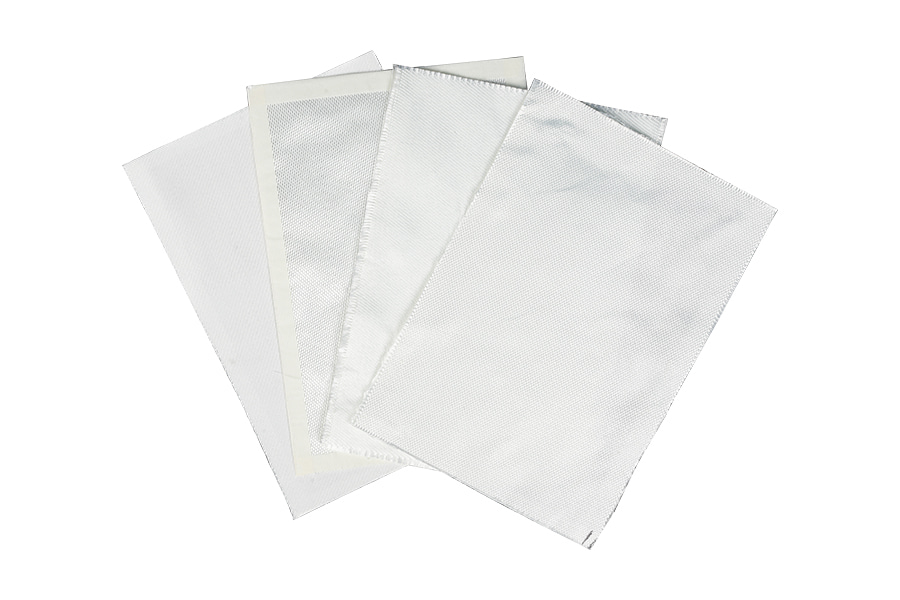
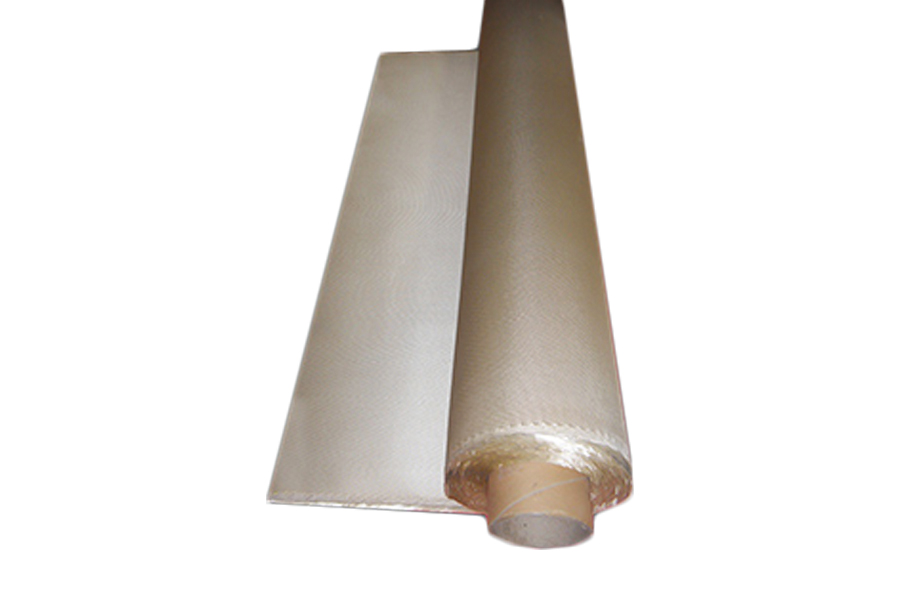
Roll / sheet / custom cut |
Flexible industrial adaptation |
Comparison With Other Industrial Materials
PVC Coated vs Silicone Coated Fabric
Silicone coated fabrics generally offer higher temperature resistance, but PVC coated fiberglass fabric provides better cost efficiency and stronger chemical resistance in many industrial environments. It is often preferred in medium-temperature applications where durability and economy are key considerations.
PVC Coated vs Pure Fiberglass Fabric
Pure fiberglass fabric offers excellent heat resistance but lacks surface protection. Adding PVC coating significantly improves waterproofing, chemical resistance, and mechanical durability, making it more suitable for complex industrial conditions.
How to Choose the Right PVC Coated Fiberglass Fabric
Selecting the appropriate material depends on several factors:
Temperature requirements of the working environment Exposure to chemicals or moisture Mechanical stress and durability needs Application type such as insulation, welding protection, or shielding
Understanding these conditions helps ensure optimal performance and cost efficiency in long-term use.
Installation and Maintenance Guidelines
To maximize performance, proper handling and maintenance are essential:
- Avoid prolonged exposure beyond recommended temperature limits
- Store in dry and ventilated environments
- Prevent sharp mechanical damage during installation
- Clean surface contamination when necessary to maintain performance
With proper usage, PVC coated fiberglass fabric can maintain stable performance over extended service periods.
About Jiete
Jiaxing Jiete New Material Co., Ltd. is a professional manufacturer specializing in high-performance fiberglass fabric products and integrated material solutions. With a strong focus on innovation and customization, the company is dedicated to the research, development, and production of advanced fiberglass fabric and composite material systems designed to meet diverse industrial requirements.
Over the years, Jiete has built a solid manufacturing foundation supported by advanced production equipment, including Karl Mayer warping-slashing machines, air-jet looms, Dornier rapier looms, and multiple high-precision coating lines. This modern production setup enables stable quality control, efficient manufacturing capacity, and flexible product customization for various application needs.
The company's core product portfolio includes fiberglass fabric, aramid fabric, and a wide range of coated fiberglass fabrics. These materials cover multiple advanced coating technologies such as PTFE architectural membrane, PTFE coated fabric, silicone coated fabric, PVC coated fabric, and PU coated fabric. Each product is engineered to deliver excellent performance in terms of heat resistance, durability, chemical stability, and mechanical strength, making them suitable for demanding industrial environments.
Beyond standard product supply, Jiete New Material places strong emphasis on customized solutions. The company is capable of designing and manufacturing special fiberglass-based fabrics or related composite products according to specific customer requirements. This includes adjustments in coating type, fabric structure, thickness, strength, and functional properties to ensure optimal performance in different application scenarios.
Conclusion - The Future of PVC Coated Fiberglass Fabric in Industrial Applications
As industrial environments become more demanding, the need for multifunctional protective materials continues to increase. PVC coated fiberglass fabric offers a balanced combination of fire resistance, thermal protection, chemical durability, and waterproof performance.
Its wide range of applications—from welding protection systems to insulation and chemical industry use—demonstrates its importance in modern industrial infrastructure.
Frequently Asked Questions (FAQ)
1. What is PVC coated fiberglass fabric used for?
PVC coated fiberglass fabric is widely used in industrial environments for welding protection, thermal insulation, heat shielding, and chemical-resistant coverings. It is commonly applied in safety curtains, welding blankets, pipe insulation, and construction barriers where durability and fire resistance are required.
2. Is PVC coated fiberglass fabric fire resistant?
Yes, PVC coated fiberglass fabric has strong fire resistance due to its fiberglass base, which does not burn easily. The PVC coating further enhances flame retardant performance, making it suitable for fire protection systems such as welding blankets and industrial safety screens.
3. Can PVC coated fiberglass fabric withstand high temperatures?
PVC coated fiberglass fabric can withstand moderate to high industrial temperatures depending on the coating grade. While fiberglass itself has excellent heat resistance, the PVC layer has temperature limitations, so it is typically used in environments with controlled or intermittent heat exposure rather than extreme continuous heat.
4. What is the difference between PVC coated fiberglass fabric and silicone coated fiberglass fabric?
PVC coated fiberglass fabric generally offers better chemical resistance and cost efficiency, while silicone coated fiberglass fabric provides higher temperature resistance. PVC-coated versions are preferred for insulation, welding protection, and general industrial applications, whereas silicone-coated fabrics are used in higher-heat environments.
5. Is PVC coated fiberglass fabric waterproof?
Yes, the PVC coating provides excellent waterproof performance. It prevents moisture penetration, making the fabric suitable for outdoor use, construction sites, and environments exposed to rain or humidity.
6. What industries use PVC coated fiberglass fabric?
This material is used in multiple industries, including construction, metallurgy, chemical processing, energy, and manufacturing. It is commonly found in applications involving fire protection, thermal insulation, and industrial safety systems.



 English
 中文简体
中文简体