2026-07-02
Composite manufacturing keeps pushing toward lighter, stronger, more corrosion-resistant parts, and fiberglass cloth rolls remain the reinforcement most manufacturers reach for first. Woven from fine glass filaments and paired with epoxy, polyester, or vinyl ester resin, this fabric delivers a strength-to-cost balance that few other reinforcement materials can match.
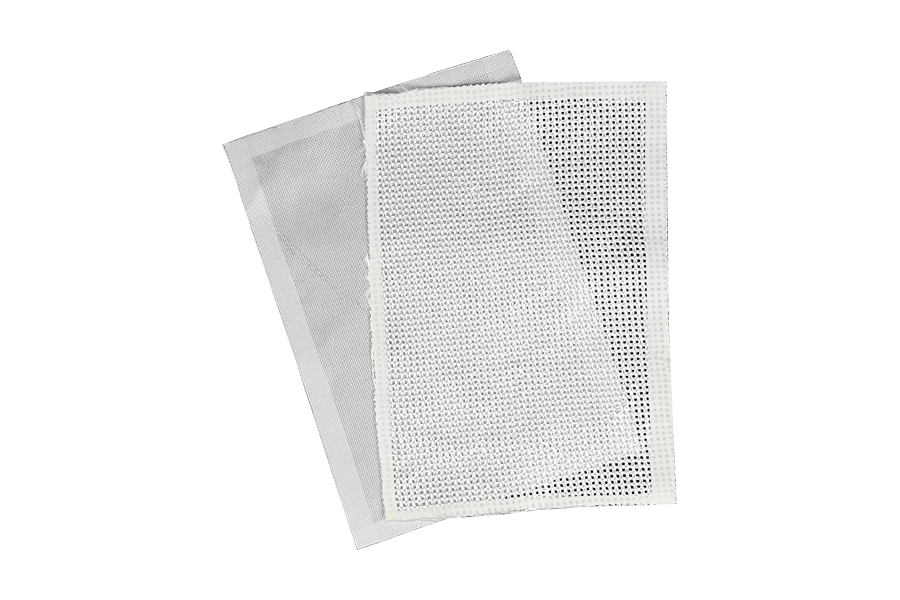
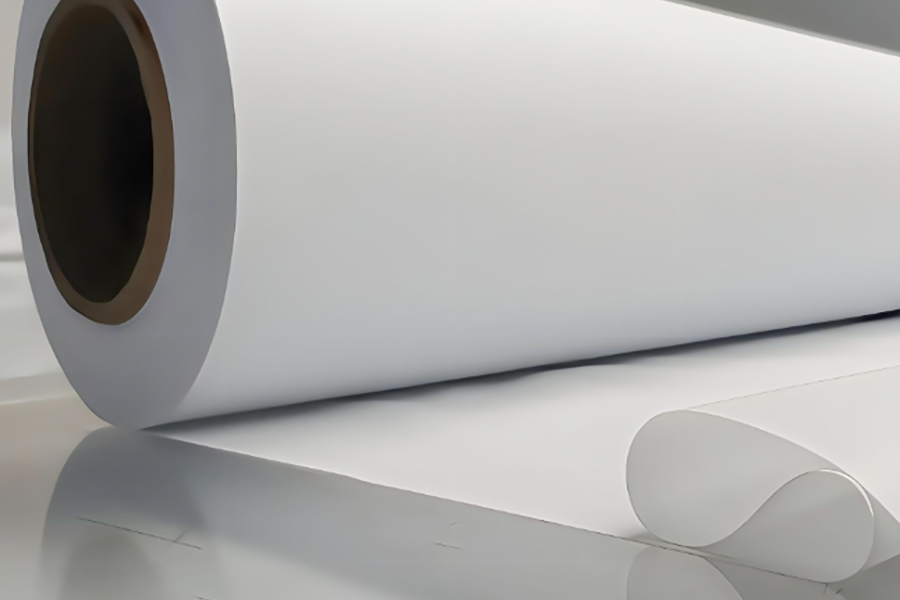
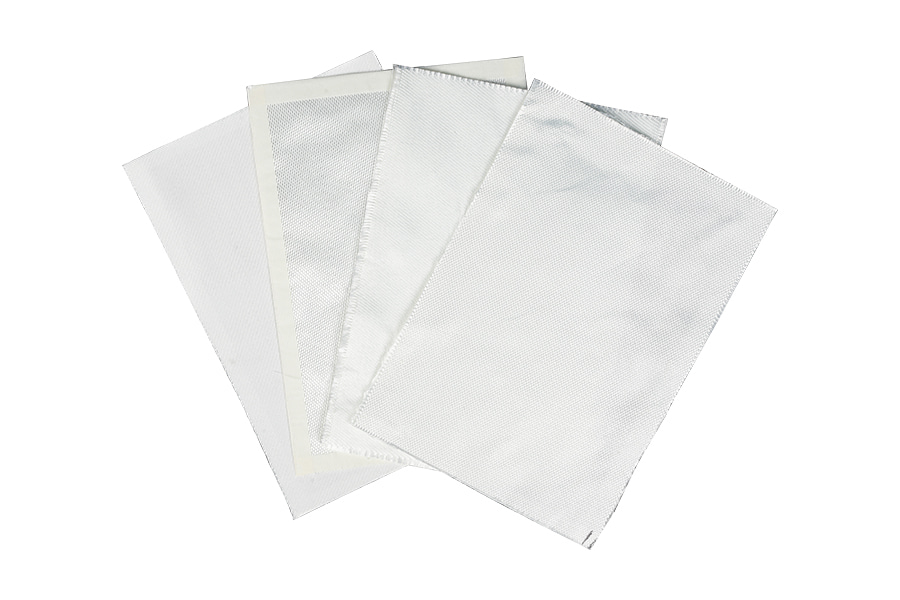
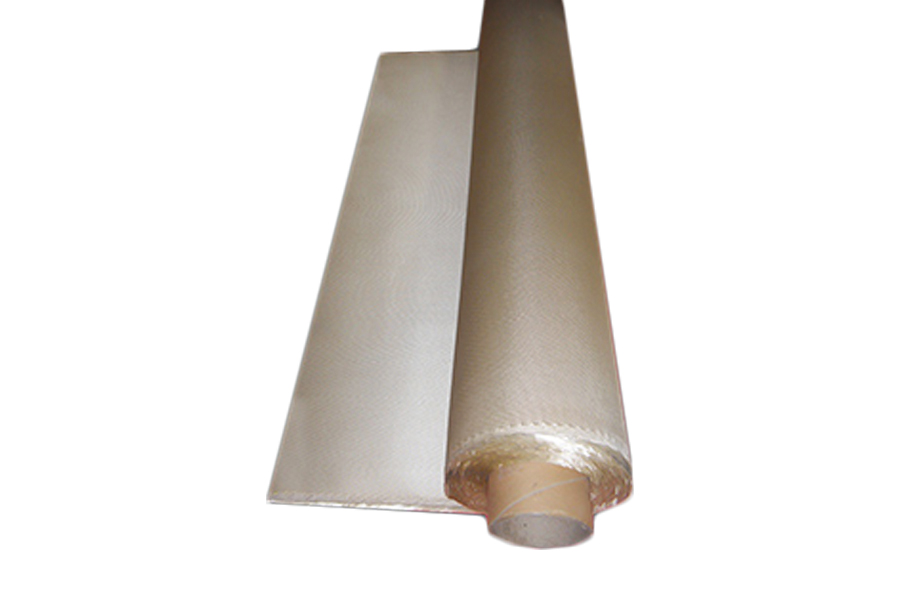
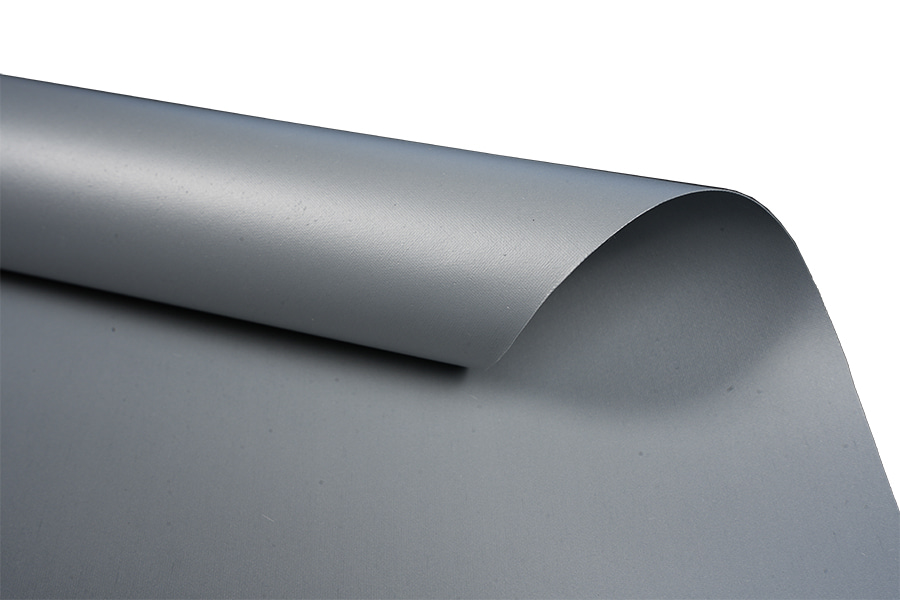
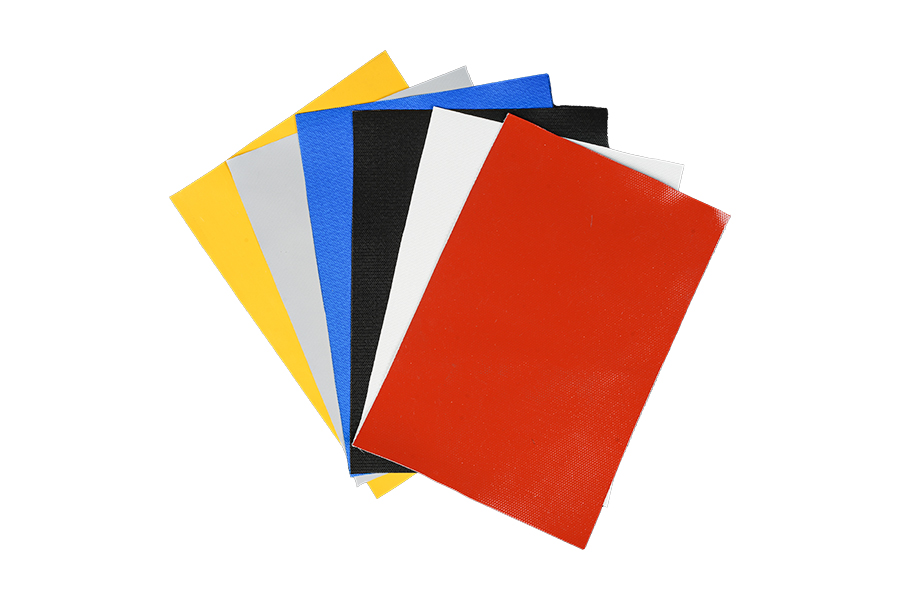
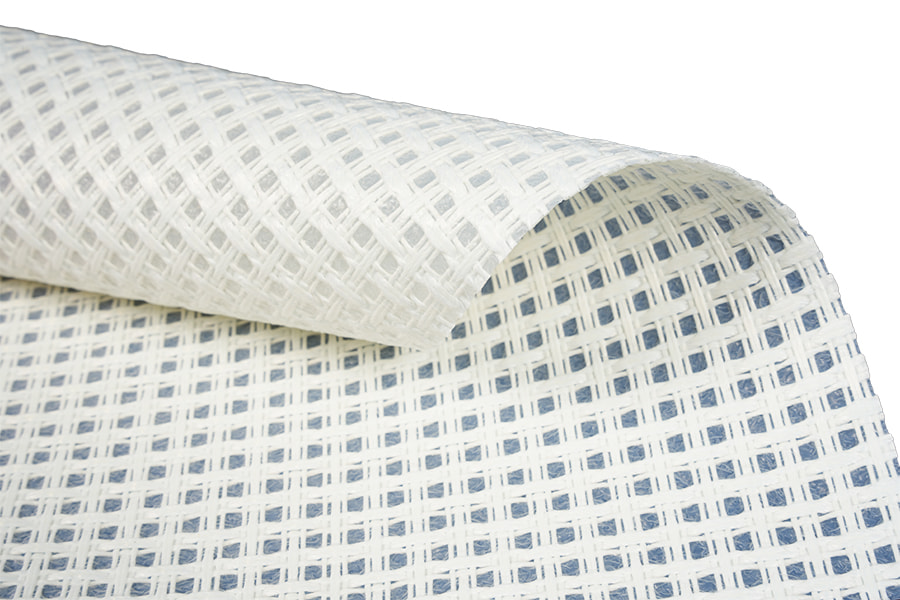
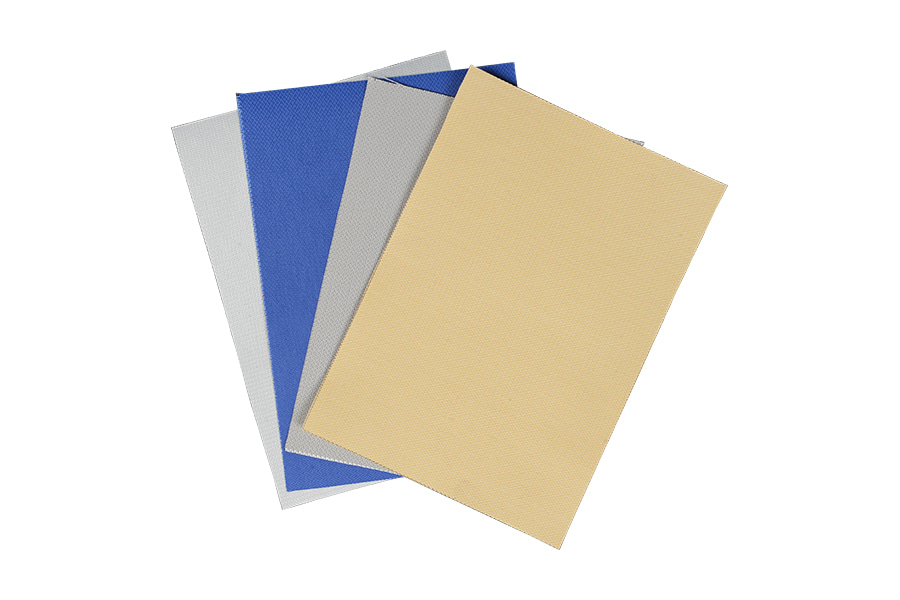
Fiberglass cloth rolls are continuous rolls of woven glass fiber fabric, processed from fine filaments into yarns and woven into patterns chosen for specific mechanical and processing properties.
High tensile strength and impact resistance without adding structural weight.
Stable performance against moisture, chemicals, and saltwater exposure.
Bonds effectively with epoxy, polyester, and vinyl ester systems.
Maintains performance under elevated temperatures for insulation and heat shielding.
Reliable non-conductive properties for electrical and power system components.
Balanced mechanical performance at a lower material cost than many alternatives.
Fiberglass rarely wins on any single property against premium reinforcements, but few materials match its combination of strength, resistance, and cost across so many industries at once.
The fabric shows up across a wide range of composite manufacturing:
| Feature | Fiberglass Cloth Rolls | Carbon Fiber Fabric |
| Material cost | More economical | Higher cost |
| Strength | High | Very high |
| Weight | Lightweight | Extremely lightweight |
| Processing | Easier handling | Requires specialized handling |
| Application range | Wide industrial use | High-performance applications |
Match the weave to strength, flexibility, and surface finish needs.
Check GSM value and fiber density, since both affect resin absorption and final strength.
Confirm the fabric matches the chosen resin system for bonding strength and durability.
Look for stable quality, customization options, and consistent supply capability.
 |
 |
Mainly as reinforcement in composite manufacturing, including marine products, automotive parts, construction materials, and industrial equipment.
It offers high strength, corrosion resistance, heat resistance, electrical insulation, and cost-effective performance in one material.
Cloth uses a woven structure with better directional strength, while mat consists of randomly arranged fibers used for general reinforcement.
Yes, manufacturers can customize weight, width, weave type, coating, and other specifications for specific applications.
Recommended Products
Copyright © 2025 Jiaxing Jiete New Material Co., Ltd. All Rights Reserved.
Wholesale Wide Width Fiberglass Cloth Roll Suppliers



 English
 中文简体
中文简体