2026-07-23
Composite manufacturers regularly weigh fiberglass cloth rolls against carbon fiber fabric when specifying reinforcement for automotive, marine, aerospace, construction, and renewable energy projects. The two materials overlap in some applications but diverge sharply in cost, weight, stiffness, and processing requirements. This comparison walks through each performance dimension to clarify which material fits which project.
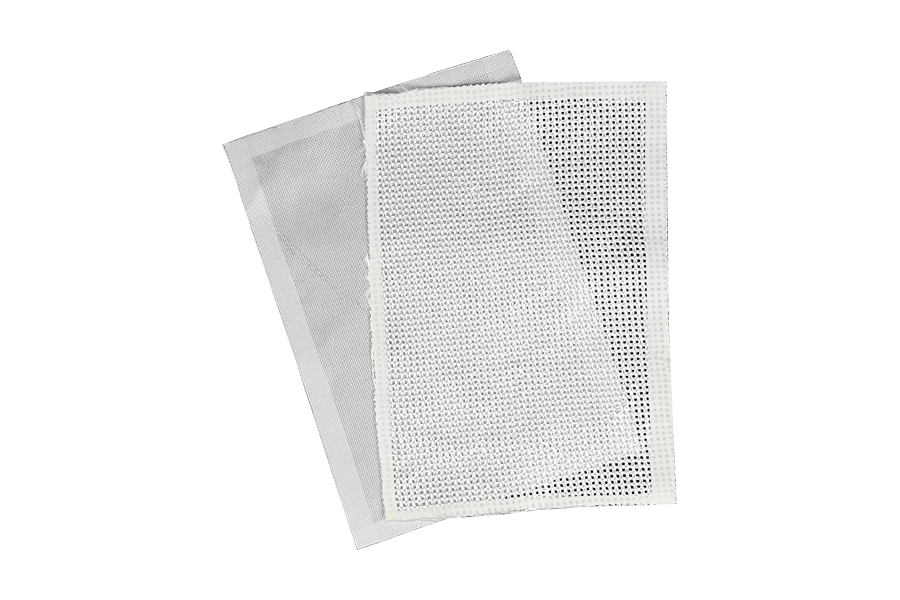
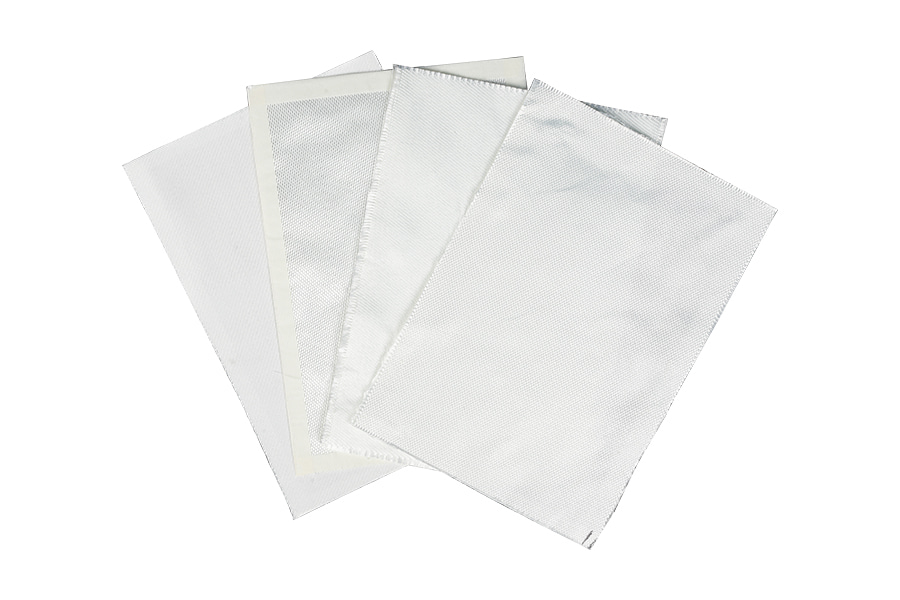
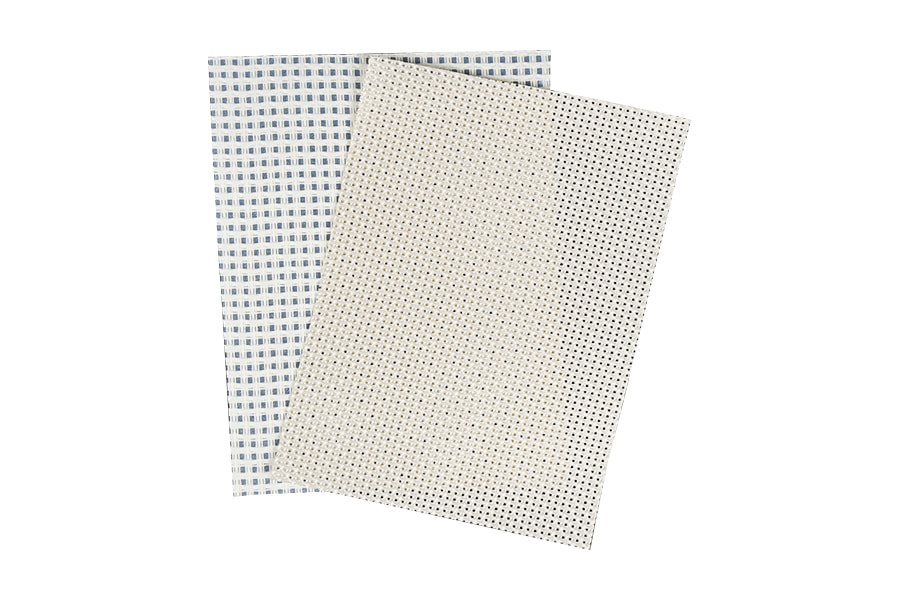
Fiberglass cloth is a woven fabric of continuous glass fiber yarns, typically paired with epoxy, polyester, or vinyl ester resin. Carbon fiber fabric is woven from carbon filaments and almost always paired with epoxy resin to reach its full mechanical potential. Both fabrics reinforce a resin matrix, but the fiber itself accounts for the differences that follow.
| Feature | Fiberglass Cloth Rolls | Carbon Fiber Fabric |
| Material Cost | More economical | Premium-priced |
| Weight | Lightweight | Ultra-lightweight |
| Tensile Strength | High | Very high |
| Stiffness | Good | Excellent |
| Corrosion Resistance | Excellent | Excellent |
| Electrical Conductivity | Non-conductive | Conductive |
| Heat Resistance | Excellent | Excellent |
| Processing | Easier to process | Requires precise handling |
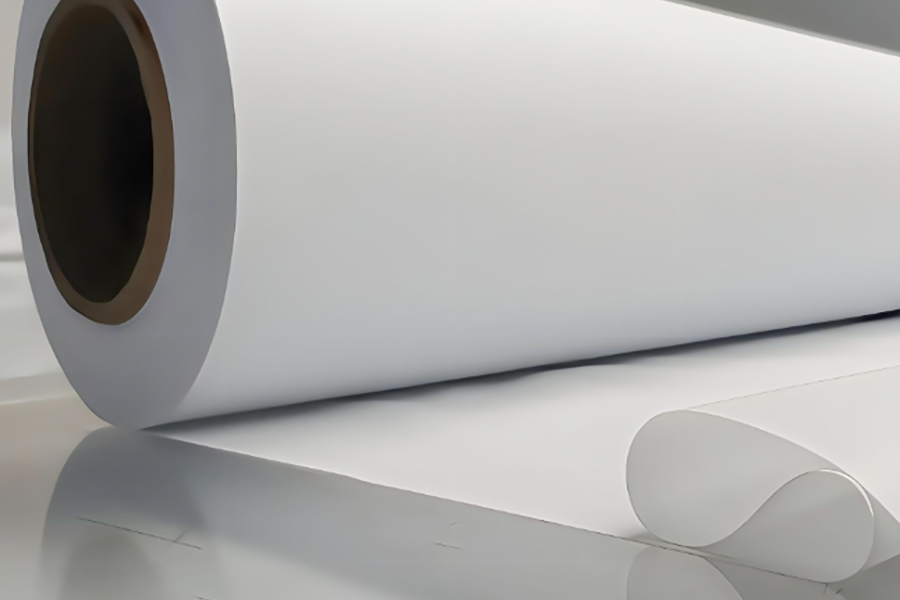
Fiberglass cloth rolls serve marine products, construction, industrial equipment, wind energy, automotive parts, chemical processing, and water treatment systems, covering a broad span of general industrial composite work. Carbon fiber fabric is concentrated in aerospace, racing vehicles, defense equipment, high-end sporting goods, and premium industrial products where its weight and stiffness advantages justify the added cost.
For the majority of industrial manufacturing projects, fiberglass cloth rolls deliver the more practical balance of performance, durability, and cost, reserving carbon fiber for applications where its weight and stiffness advantages are essential to the design.
Once fiberglass is the right fit, four specification points determine fabric performance: fabric weight matched to structural load, weave pattern suited to part geometry, resin compatibility for proper wet-out, and manufacturer quality control covering weaving consistency and customization capability.
Hybrid layups that combine fiberglass and carbon fiber plies are becoming more common as manufacturers look to balance cost against performance within a single part. Alongside this, improved surface treatments continue to strengthen resin bonding, and demand is rising for application-specific reinforcement fabrics tailored to wind energy, electric vehicles, marine engineering, and industrial automation.
 |
 |
Fiberglass is generally more affordable and offers strong corrosion resistance and electrical insulation, while carbon fiber provides higher strength, greater stiffness, and lower weight.
Carbon fiber typically has higher tensile strength and stiffness, while fiberglass offers better impact resistance and a lower overall cost.
For most industrial applications, fiberglass cloth rolls provide the strongest overall balance of performance, durability, ease of processing, and cost-effectiveness.
Yes, fiberglass cloth is highly compatible with epoxy, polyester, and vinyl ester resin systems.
Recommended Products
Copyright © 2025 Jiaxing Jiete New Material Co., Ltd. All Rights Reserved.
Wholesale Wide Width Fiberglass Cloth Roll Suppliers



 English
 中文简体
中文简体